Language
You can read the magazine in one of the following languages
4-min read

 Bookmark now

 Copy Link
I’ve never met a CEO who doesn’t think honesty is important. In fact, I don’t think I’ve ever met anyone who doesn’t think honesty is important.
Across cultures, one of the most consistent research findings is that people show a strong stated preference for truth. In fact, truthfulness is rated as one of the most sought-after and respected qualities in people. Words like ‘honesty’ and ‘integrity’ are the most commonly recurring corporate values, appearing in more than 65 percent of company statements.

It turns out that ‘doing’ truth, rather than valuing it, is somewhat of a leadership superpower.
A curious shame it is, then, that only 19 percent of associates trust that their leaders are telling the truth. They’re right to be skeptical; research shows that most of us lie every day, with some findings suggesting 60 percent of people lie at least once every 10 minutes. In the last election in the United States, fact-checking by the Poynter Institute found that only three percent of Donald Trump’s statements were completely true, and only around 12 percent of Kamala Harris’.
Everyone says truth matters, but we all lie all the time. And so, I ask you this: Are you a truthful leader? Not a leader who says truth is important – everyone says that – but a leader who seeks, speaks and listens to the truth? It’s an important question – because it turns out that ‘doing’ truth, rather than valuing it, is somewhat of a leadership superpower.
Truth is powerful and profitable, with studies reporting links between truth-telling and employee loyalty, as well as innovation – for example, where teams with robust cultures of speaking the truth innovate faster and better.
But these benefits don’t accrue because people value truth, they accrue when people behave truthfully. That is the critical distinction. Making truth happen in practice comes down to three simple behaviors that have nothing to do with values and everything to do with actions.
The first behavior is seeking the truth. This involves being curious enough to ask good questions and skeptical enough not to believe the first answer you get. This need not be combative – merely inquisitive.
As a simple example, if you’re leading a team and someone gives you a status update that says, “We’re on track”, seeking the truth is merely asking the next question – something like, “How sure are you about that” and “Could you point me toward some indicators that give you that confidence?”

Despite knowing the conversation needs to happen, leaders find reasons or excuses not to have it, to avoid speaking the truth.
The second behavior is speaking the truth. This involves having the courage and capability to have the most important conversations – even when they’re unpleasant.
One of the most common unsaid truths in organizations is. “You are not performing”. Often, despite knowing the conversation needs to happen, leaders find reasons or excuses not to have it, to avoid speaking the truth. Breaking down barriers to these honest conversations requires psychological safety and trust – and it is useful to note that those things work both ways.
Honesty doesn’t only require psychological safety, its presence also builds it, because people aren’t running around scared of what’s unsaid or spending all their time reading between the lines.

The only way a leader knows the truth about their impact is honest and robust feedback.
Lest you think that speaking the truth might come across as arrogant, note that one of the most important truths leaders should regularly speak out loud is, “I don’t know” – and there is certainly nothing arrogant about that. I was recently talking to the executive manager of a very large, high-performing engineering function, and he remarked that “Whenever I’m speaking with frontline engineers, I work from the presumption that I’m wrong, and I aim to leave the conversation less wrong”.
The third behavior is hearing the truth. This humble, vulnerable aspect of making truth happen is often forgotten, but its power is hard to overstate. In my experience, many leaders are more comfortable speaking the truth about others than they are hearing it about themselves.
Truthful leaders address that imbalance. Of course, the most useful tool for this is feedback – after all, the only way a leader knows the truth about their impact is through honest and robust feedback.
In 2025, an investigation by CHOICE found only four out of 20 tested sunscreens met the sun protection factor (SPF) advertised on the label. The rest were false. It’s a microcosm of the ‘post-truth’ world in which we now live – we can’t even trust sunscreen labels anymore.
Truth, like SPF, is not a value. Sunscreen either works or it doesn’t, and our stated preference or opinion is irrelevant. When it comes to making truth happen, preferences and values are irrelevant – we’re either doing it or we’re not.
If you want to harness the power truth offers to your business and your team, it’s not about making truth more important, it’s about ‘doing’ truth more frequently. When it comes to truthful leaders, their superpower isn’t attitude, it’s action.

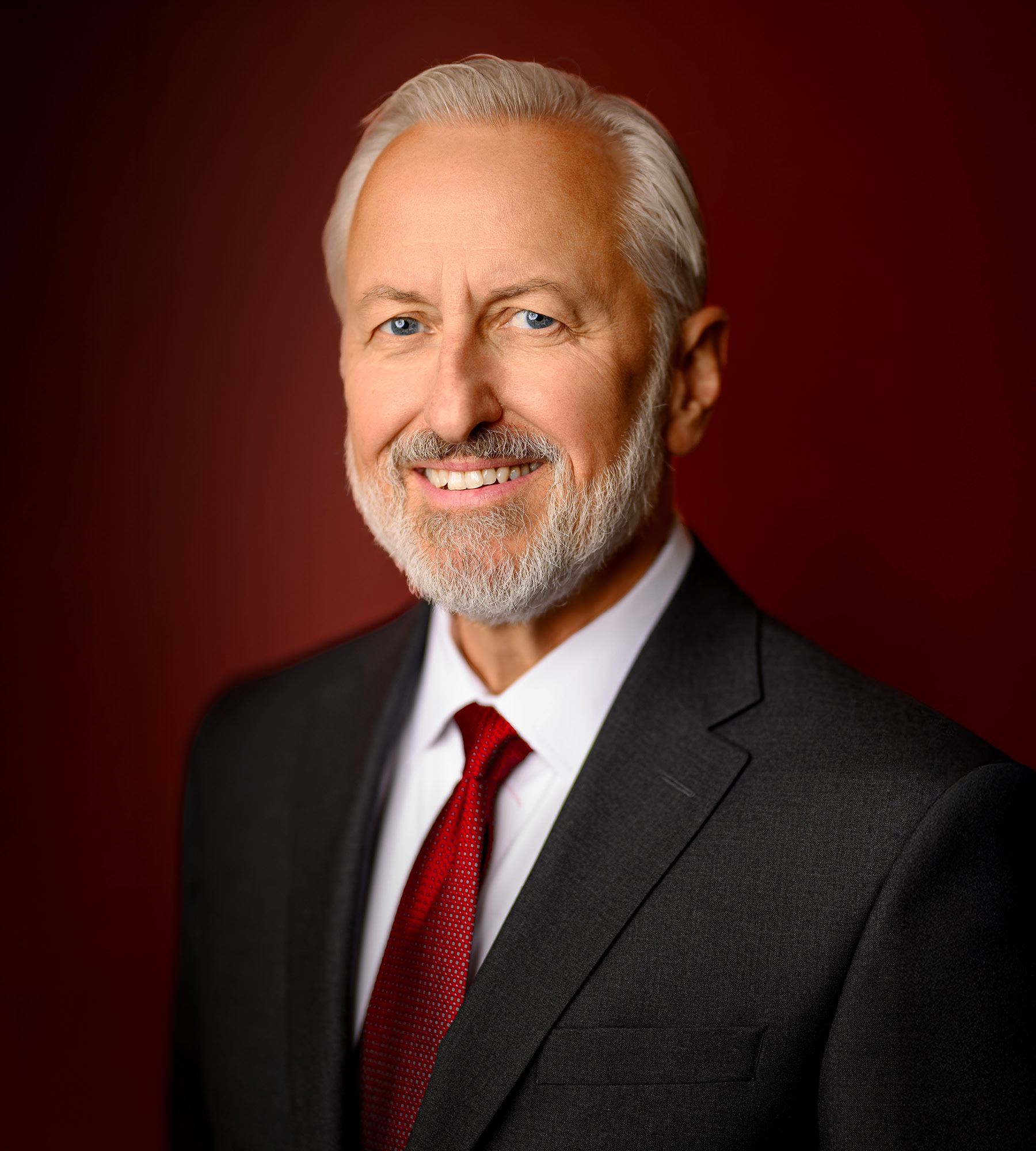
Dominic Thurbon
Contributor Collective Member
Dom Thurbon is Co-Founder of Alchemy Labs and an experienced senior executive, entrepreneur and international speaker who helps leaders navigate change in the face of disruption. At 23, he co-founded behavior change agency Karrikins Group. He was also Co-Founder and Director of tech business Educator Impact and spent more than five years as a Partner at EY. Dom has delivered presentations to tens of thousands around the world. His latest book is ‘To Be Honest: How making truth happen builds better businesses, lives and societies’. Find out more at https://www.domthurbon.com/
 RELATED ARTICLES


 Home
Home
 Podcasts
 Covers
 Be Featured
 Community