Language
You can read the magazine in one of the following languages
4-min read

 Bookmark now

 Copy Link
Executives, family offices and boards are meticulous about governance. Capital allocation is scrutinized, enterprise risks are modeled, succession plans are mapped years in advance and strategies are stress-tested to withstand disruption.
Yet one of the most critical assets underpinning all of these decisions – the health and healthspan of the individual making them – is managed with far less rigor.
For many leaders, the oversight of personal health amounts to little more than an annual physical, a decades-old protocol designed for general populations rather than high-performance decision-makers operating under sustained pressure.
Leadership continuity, cognitive resilience and stamina are not abstract leadership qualities; they are biological variables. And like any unmanaged variable, they introduce risk. When health is treated reactively rather than proactively, the stability of leadership becomes an unmonitored exposure.
The traditional executive physical remains largely episodic, involving a limited panel of laboratory tests and referrals driven by symptoms. Advanced imaging is rarely included and results are reviewed as isolated snapshots rather than as part of a continuous biological profile.
Yet most chronic diseases do not emerge suddenly; instead, they develop silently over years. For example, cardiovascular disease often progresses without symptoms until a major event occurs. Many heart attacks occur in individuals previously categorized as ‘low risk’.
Cancer can follow a similar trajectory. When detected at Stage 1, five-year survival rates can exceed 90 percent; once it progresses to later stages, outcomes decline sharply.

The future of health is a healthspan that’s optimized.
In every other domain of executive responsibility, leaders rely on real-time data, predictive modeling and continuous oversight. Health, however, is managed through intermittent check-ins.
The question is no longer whether we can detect disease earlier. It is why those managing complex risk daily still rely on systems designed for a different era.
In every high-performing enterprise, what gets measured gets managed. Financial performance, operational efficiency and strategic risk are tracked through clear indicators.
Few executives track critical markers such as coronary plaque burden, maximal oxygen consumption, inflammatory profiles, metabolic flexibility or cognitive baselines. These indicators provide early insight into cardiovascular risk, metabolic health and the neurological performance that underpins strategic thinking and decision-making.
The qualities most associated with effective leadership, such as energy, clarity, resilience and sustained focus, are often framed as personal attributes. In reality, they are measurable outputs of physiology. When monitored over time, they form a powerful dataset that reveals emerging risk long before symptoms appear.
Award-winning Fountain Life is the world’s most advanced longevity destination, where health evolves from reactive medicine to a more proactive approach.
The future of health is a healthspan that’s optimized. It is the disciplined, KPI-driven oversight of the biological systems that enable leaders to perform and make decisions at the highest level, with enhanced energy and sharper cognitive capacity.
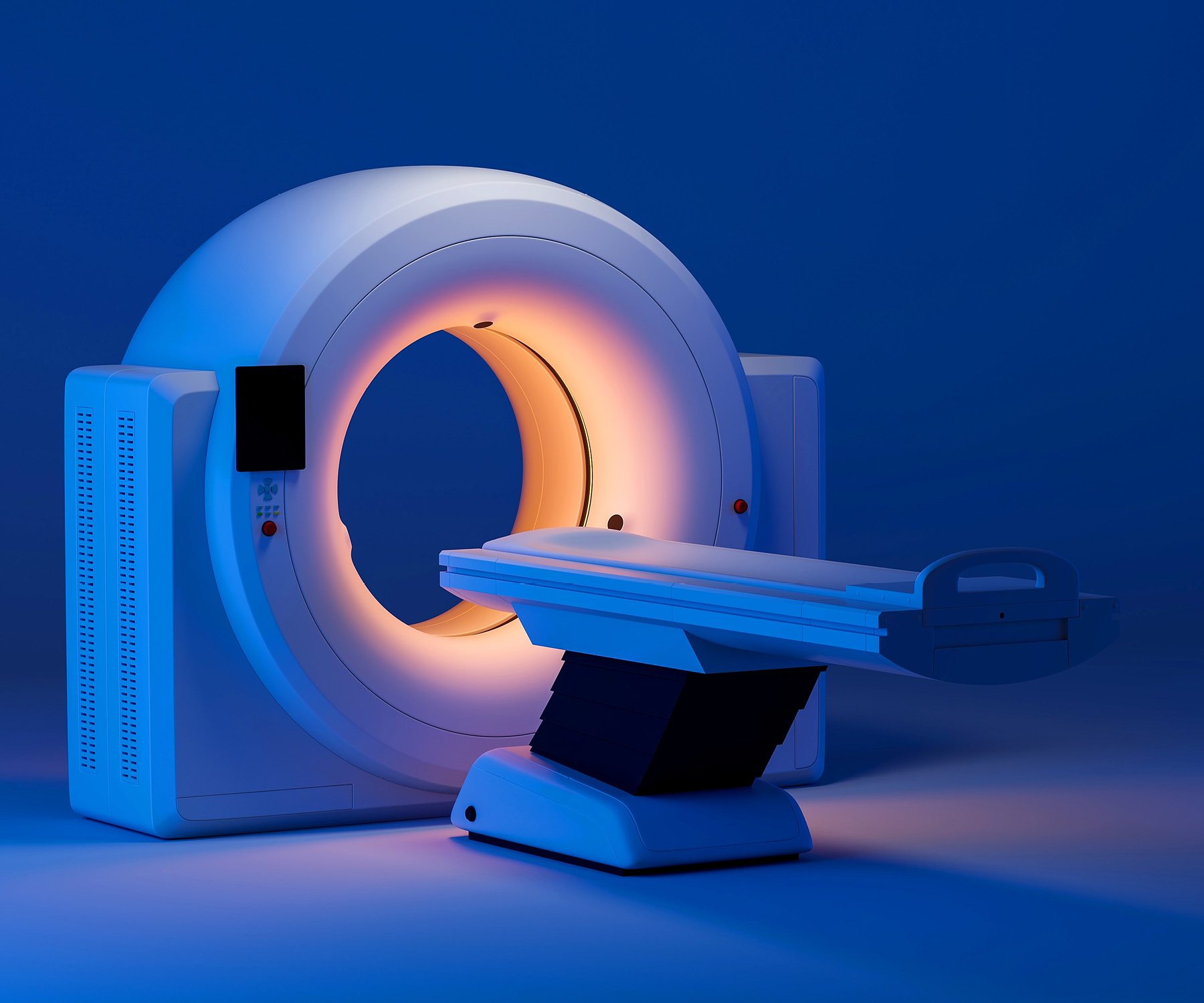
AI is reshaping how health is managed at leading longevity clinics in the United States. A new generation of advanced AI-guided diagnostics – including whole-body MRI, advanced cardiac imaging, multi-cancer early detection testing and genomics – has expanded our ability to observe disease and decline at its earliest biological stages and effectively treat with breakthrough restorative therapeutics.
When these technologies are combined with longitudinal health tracking, they create something fundamentally different from traditional screening.
Instead of isolated data points reviewed once a year, health becomes a continuously interpreted dataset. Subtle physiological changes can be identified against an individual’s baseline before they develop into clinical events.
The biological capacity of leadership remains the quiet variable inside the system.
This shift also reframes the ultimate objective. Healthspan matters far more than lifespan alone. Executives rarely step back just because of stress; instead, they often step back when physiology quietly fails under years of unmonitored strain.
With continuous oversight platforms like Fountain Life’s medically trained, award-winning Zori AI Medical Expert, these signals can be monitored and analyzed over time, allowing us to detect emerging risks earlier and intervene more precisely with restorative therapeutics and advanced treatments where necessary.
For executives and family offices accustomed to structured intelligence in every other domain, this is an important shift, moving health from a domain of uncertainty to one of informed oversight.
In a modern enterprise, boards expect scenario planning, family offices build continuity models and capital is diversified and stress-tested to withstand volatility. Governance frameworks exist precisely to ensure that an organization’s most valuable assets are protected over time.
Yet the one asset that ultimately determines whether strategy can be executed, decisions can be made clearly and leadership can endure is rarely governed with the same discipline: optimized human health.
The biological capacity of leadership remains the quiet variable inside the system. As the science of early detection and longitudinal health monitoring advances, the case becomes clear. Strategic longevity is not a personal luxury for executives. It is governance.

 RELATED ARTICLES


 Home
Home
 Podcasts
 Covers
 Be Featured
 Community