Language
You can read the magazine in one of the following languages

5-min read

 Bookmark now

 Copy Link
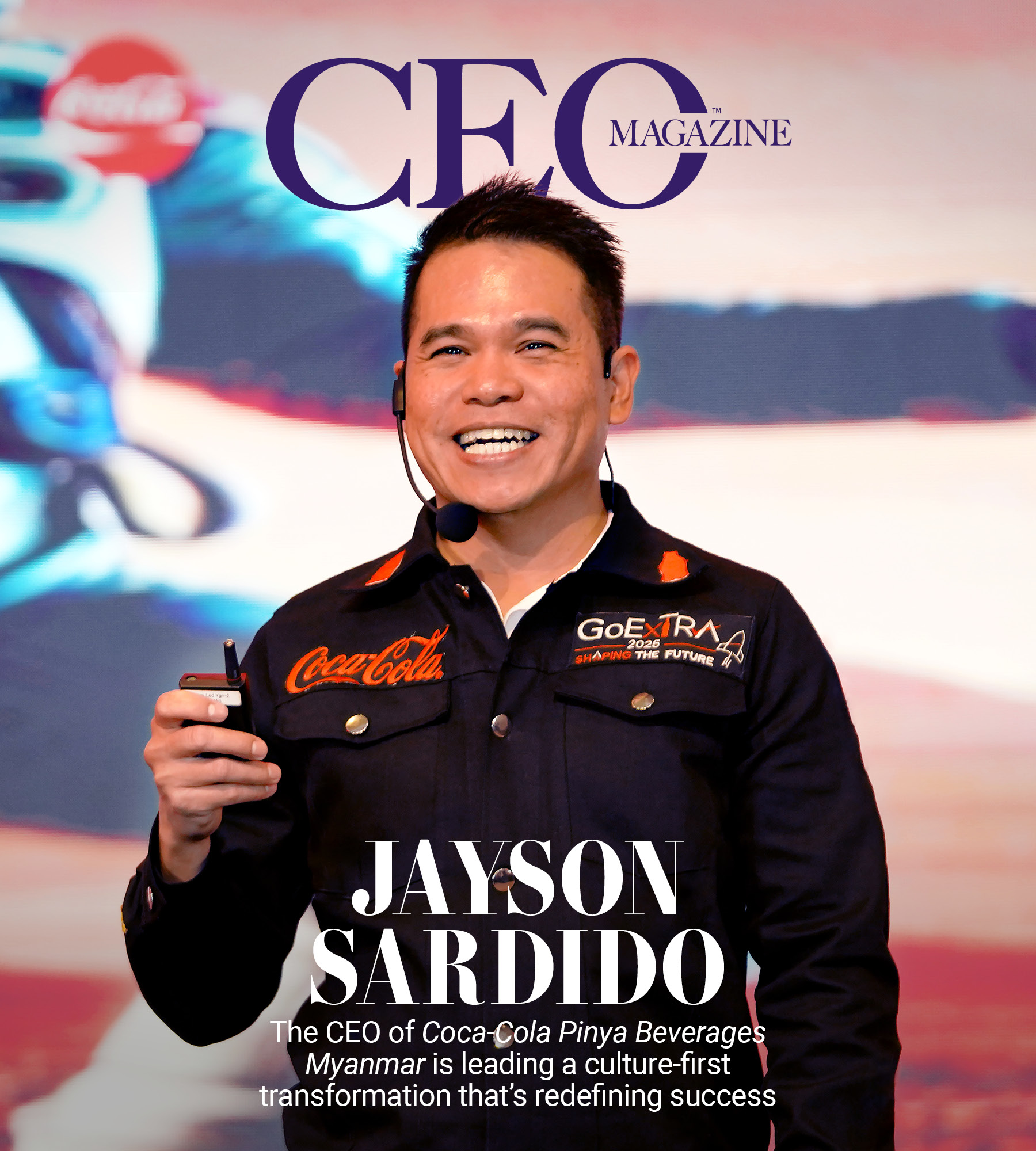
When Jayson Sardido took the rudder at Coca-Cola’s Myanmar offices three years ago, the primary task ahead was not simply to sell more iconic red-and-white cans or diversify into the emerging sparkling water market.
On the contrary, his mission was rooted in something deeper, something infinitely more human: to change the company’s culture, to recalibrate the way employees think, learn and lead.

The feel-good, shareholder-pleasing sales numbers could wait.
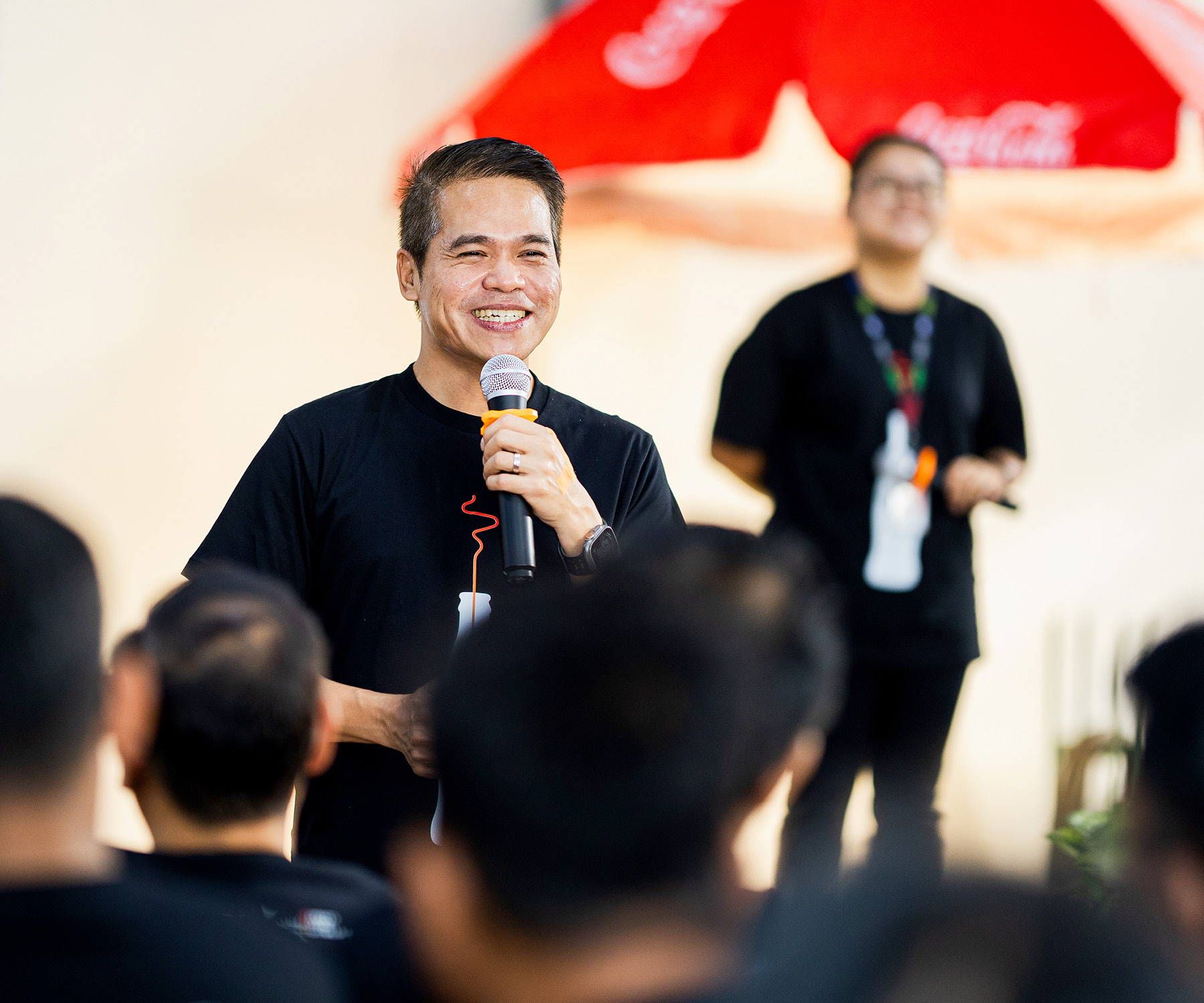
“The leadership doesn’t always hold the answers to all the questions,” says Sardido, Coca-Cola Pinya Beverages Myanmar’s CEO.
“Most of the time, it’s the people on the ground who really know what the best solutions are.”
It’s a modest statement for a man who heads up the local outpost of a multinational valued at more than US$300 billion.
To this end, Sardido wasted little time in launching his Chief Learning Officer Program, a 10-year road map to the company’s future nationally, whereby senior leaders would swap hierarchy for a more egalitarian team unit built on clarity and fluid communication. Visions and goals were shared across all levels of the business; strategy maps migrated from boardroom walls to employees’ phone screens.
Another initiative, dubbed ‘Coke Chat with Jay’, created an open forum for direct dialogue with the boss.
“It may sound simple, but in reality, this is where we can get ideas,” he explains. “And this is where important concerns and questions from people in the organization are being tackled.”
Talking with the Filipino executive, it’s easy to see what a seductive resource this could be for staff members and why he is known internally as ‘Chief Encouragement Officer’ due to his people-first management ethos.
Raised in circumstances he describes as “the poorest of the poor,” Saydido’s early life was marked by hardship and loss. His father was murdered when he was just four years old, leaving his mother to make an impossible choice in order to support the family.
“My mother had to leave my one-year-old sister and me with our grandparents for several years so she could work as a domestic helper in Singapore, caring for another family’s child,” he recalls, adding that those formative experiences helped shape the values that guide him today, anchored in a personal mission: “Love, honor and serve God. Make disciples. Help others achieve what they thought they couldn’t achieve. Develop leaders. Leave a light on my path that others could follow.”
Today, Saydido strives to turn that mission into action. He regularly visits orphanages, brings missionaries to support communities and sponsors their work across the country. He also dedicates time to mentoring and encouraging young people through talks and outreach.
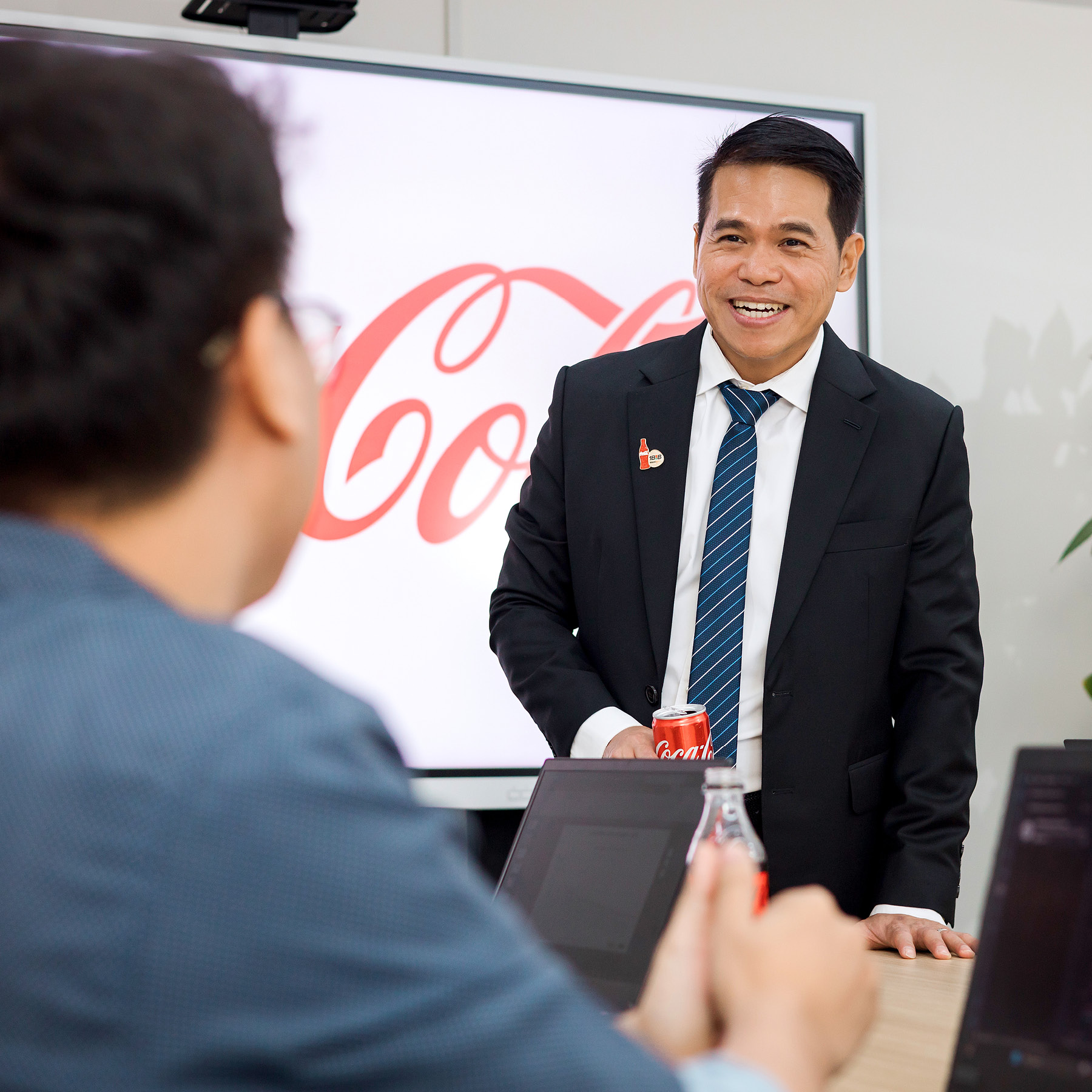

Sardido is an interviewer’s dream: effusive, brimming with passion for his role and rarely needing prompts during our free-wheeling telephone conversation. Before heading up Coca-Cola in Myanmar, he was Head Assistant Vice President of Finance at the Jollibee Foods Corporation and served as the non-salaried chair of a large educational institution in the Philippines for more than 15 years.
But his initiatives – which he points out reached almost all employees – are far from corporate woo-woo designed to appease grassroots personnel. Coca-Cola Myanmar has been touted by Fortune magazine as one of the top 100 best employers to work for in South-East Asia.
“This is the first time we have accomplished this in the history of the company, and we’re proud that in the region we’re only one of the two big Coca-Cola entities that made it onto the list,” Sardido says.
However, political and economic instability in the country has posed various challenges, at times leading to uncertain trading conditions for commercial operations and impacting the importation of raw materials and packaging.
In the face of rising inflation and potential currency devaluation, Sardido has been busy changing the mindset of his sales team and launching Coke Buddy, a digital business-to-business (B2B) platform designed to connect the company directly with retailers – therefore reducing the need for so many physical sales reps.
As a result, the company clocked its highest number of B2B transactions in 2025, even during months when supply issues, exacerbated by the macroeconomic climate, generated low sales volumes.
This closer, more technological relationship with retailers countrywide has helped refine operational excellence, providing vendors with the best equipment from which to serve those world-renowned Coca-Cola products.
“A cold Coke is a sold Coke,” insists Sardido, quoting an internal sales mantra that has driven the company’s marketing campaigns for almost a century.
“So making sure that every gold, silver and even bronze outlet in the country has coolers, and the kind of technology we use in our coolers, is important.
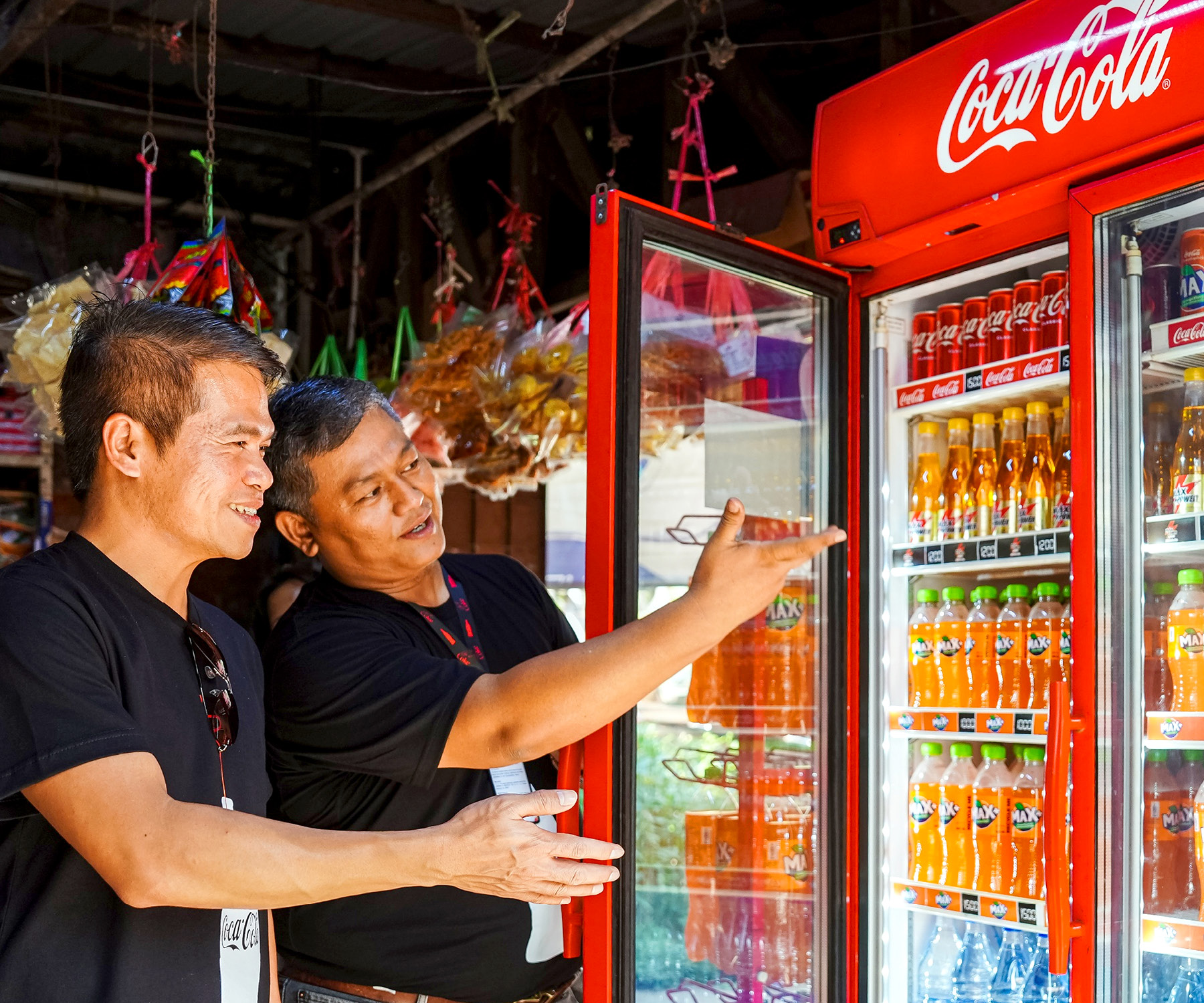

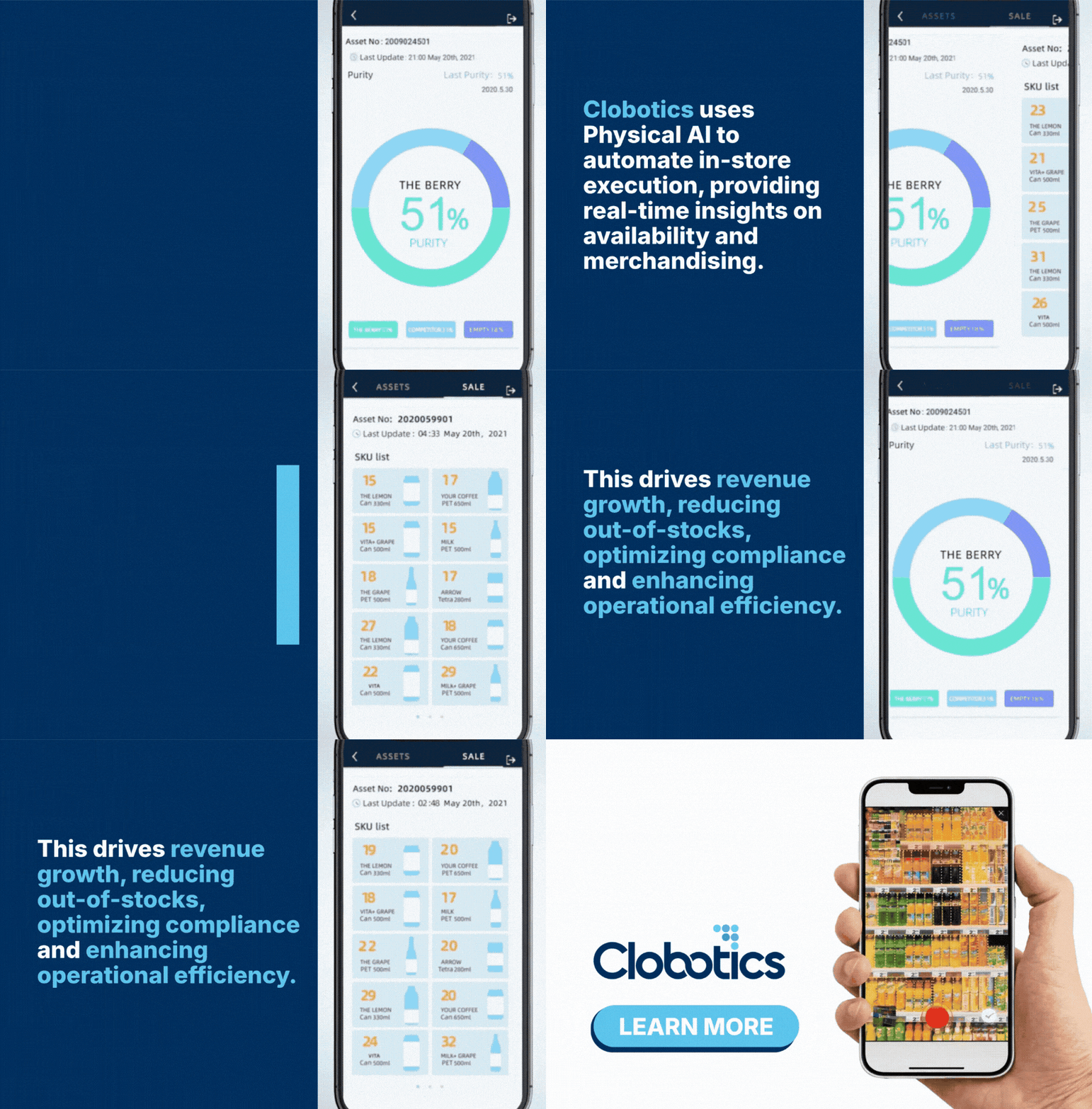
“We’re trying to partner with companies that will help us see the planogram in these coolers, to capture those images at certain times during the day or week, and that will help us understand where the operational excellence is, making sure the retailers are following our planogram and have sufficient stocks.”
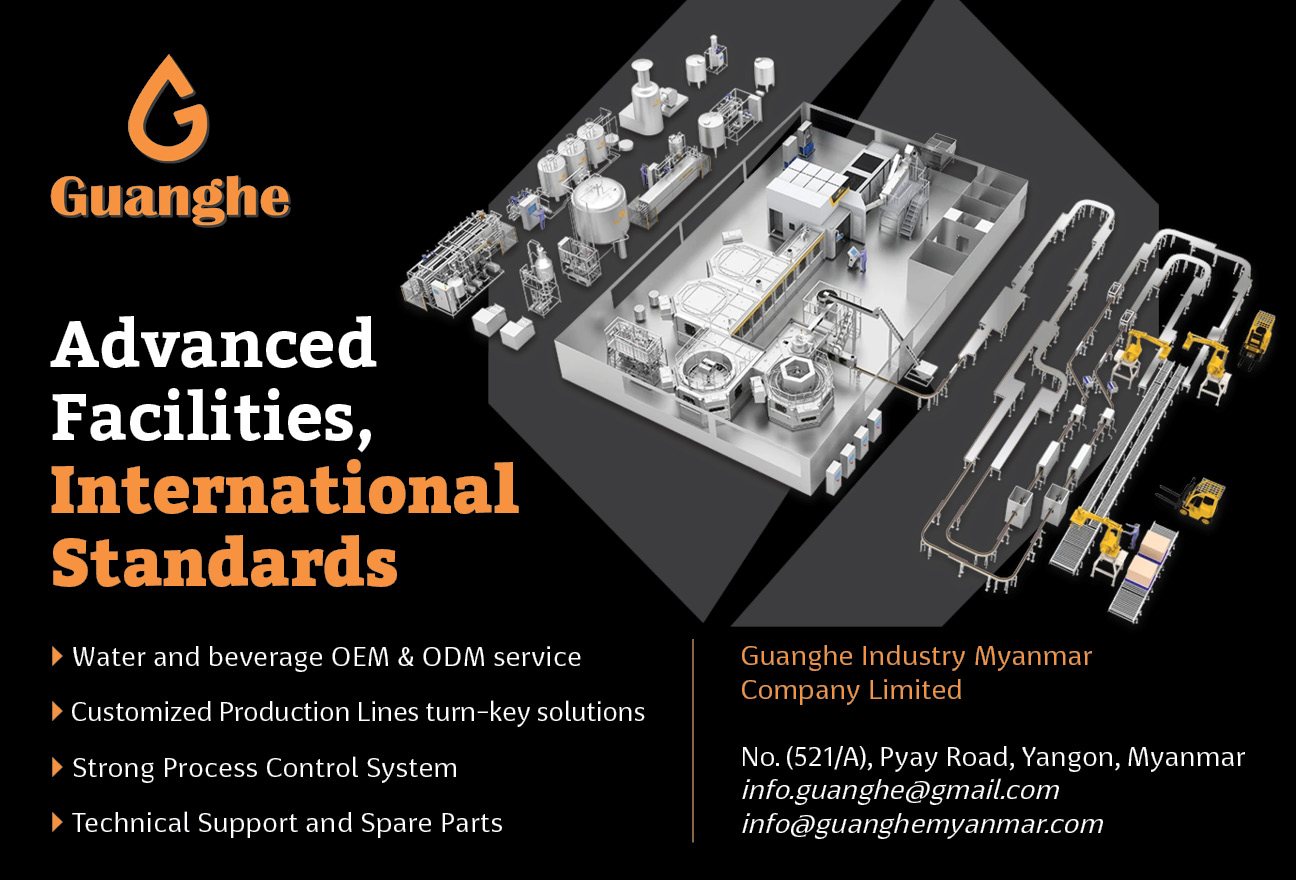
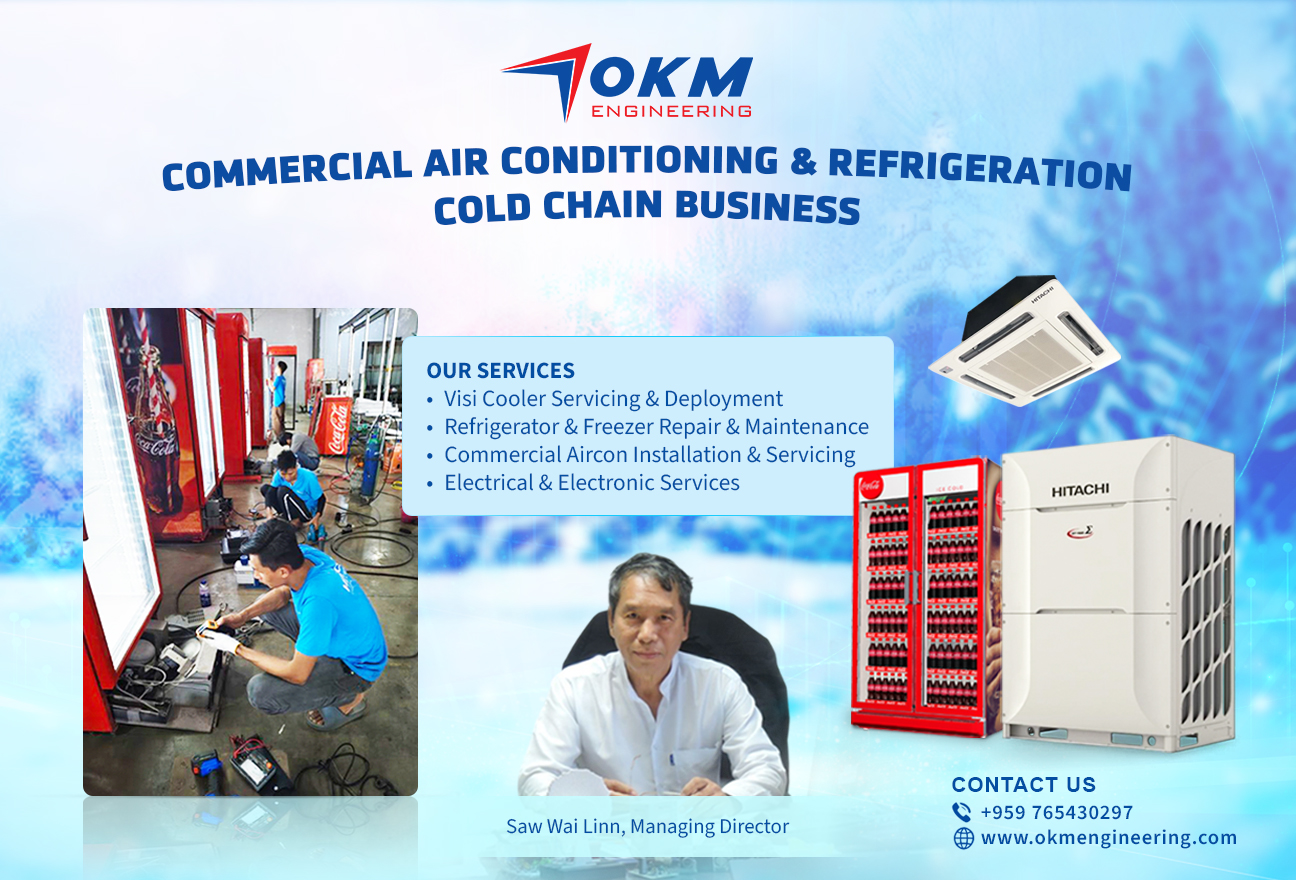
Similarly, Sardido is also focusing his energy on maintaining around a dozen key suppliers – which secure everything from ingredients to packaging materials – including refrigeration specialist OKM Engineering as well as Guanghe Industry Myanmar, a trusted producer and distributor of purified drinking water in the country.
The political-economic clouds may not be parting anytime soon, but thanks to Sardido’s culture-centric vision, the Coca-Cola chapter in Myanmar is now thriving during a period when other enterprises have faltered.
Last year saw an increase of more than 90 percent in Dasani water sales and strong growth for the Max Power energy drink. And while the wider beverage and bottled water industries come under increased scrutiny for alleged environmental indiscretions, Sardido has overseen a suite of sustainability initiatives.
Coca-Cola remains one of the few companies in the country using recycled polyethylene terephthalate and, in conjunction with local communities, strives to replenish water used during operations, often replacing more than 200 percent of the original amount.
“We may be one of the smallest Coca-Cola companies in South-East Asia, but when it comes to taking action on something we strongly believe in, we really give our best to making it happen,” Sardido says.
And, as the past three years have clearly demonstrated, that begins with the man at the top.
 RELATED ARTICLES


 Home
Home
 Podcasts
 Covers
 Be Featured
 Community