Language
You can read the magazine in one of the following languages

5-min read

 Bookmark now

 Copy Link
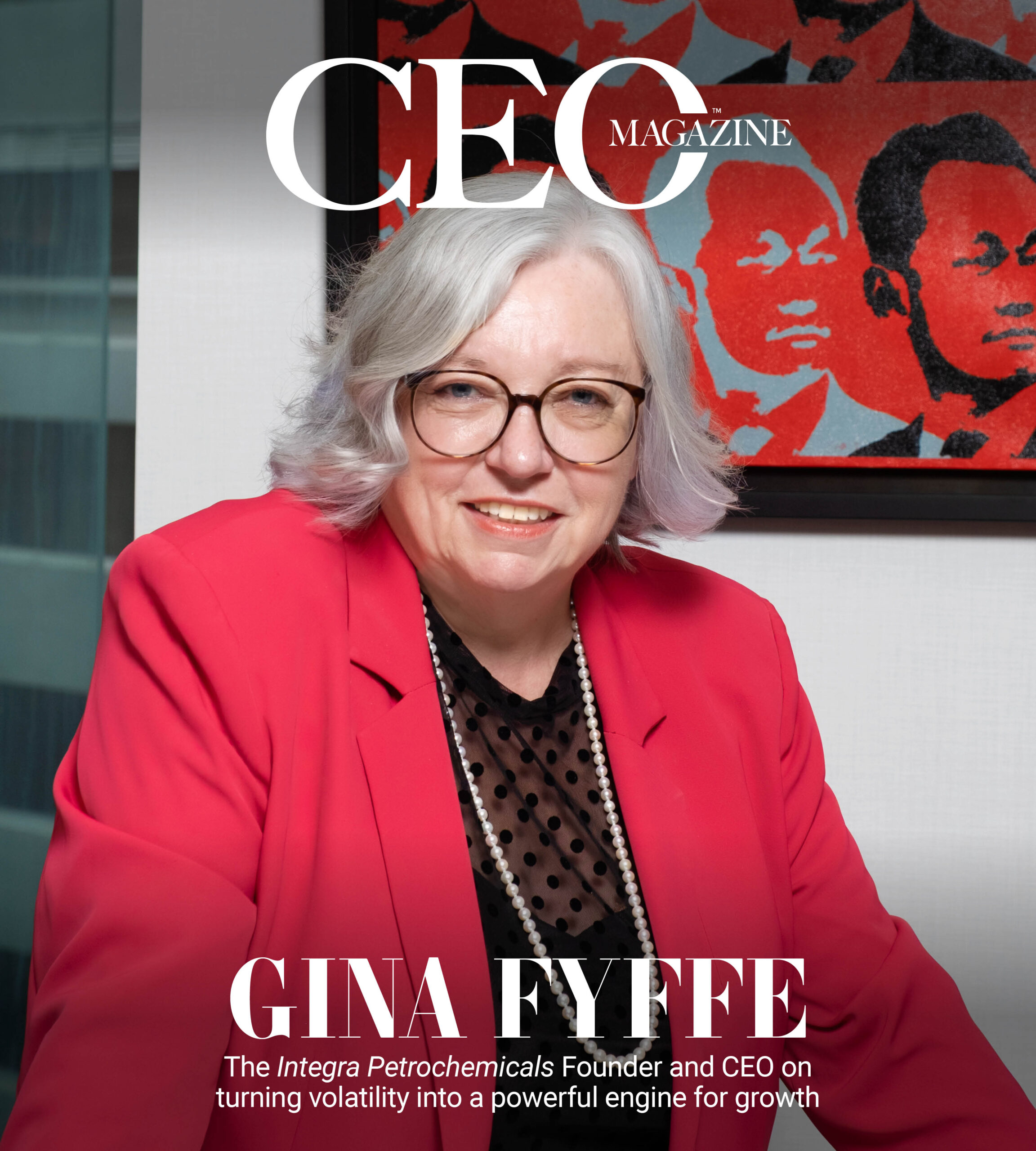
Volatility is nothing new to Gina Fyffe. Across nearly five decades in petrochemicals and shipping, the Founder and CEO of Integra Petrochemicals has seen cycles of boom, contraction and geopolitical disruption repeat. But the companies that endure, she says, always return to fundamentals.
“As we look toward 2026, Integra Petrochemicals continues to be focused primarily on customer support,” Fyffe tells The CEO Magazine. “Without that as our primary principle, nothing else is meaningful.”
Experience has also taught her that periods of industry caution often hide opportunity.
“Because we do have many years of experience, we have learned that when everybody is focusing on survival and downsizing, there are very few companies able to look at this landscape and timing as a prime growth environment,” she notes.
That philosophy shapes how Integra Petrochemicals approaches expansion.
“This ‘calculated caution’ has been pivotal in our ongoing independence and growth since 1989, allowing us to adapt while capitalizing on new opportunities at a time when others cannot,” Fyffe points out.
“Simply put, downturns are the time to plan and prepare for the upturn.”
Supply chains in petrochemicals are famously complex, yet Fyffe resists technology hype in favor of practical outcomes. Digital transformation, she argues, must solve real problems rather than add new layers of complication.
“Over the next two years, we will continue to focus on using technology in a practical and secure way to make our petrochemical supply chain more transparent and efficient, not adopting ‘AI for AI’s sake’ or complicating matters in an effort to simplify them,” she insists.
“We are in the process of implementing a closed, ring-fenced AI environment that sits on top of our own data, so we can analyze markets, ship voyages, contractual positions, inventory and risk exposure in real time, while maintaining governance and eliminating the risk of unintended data leakage or compliance breaches.”
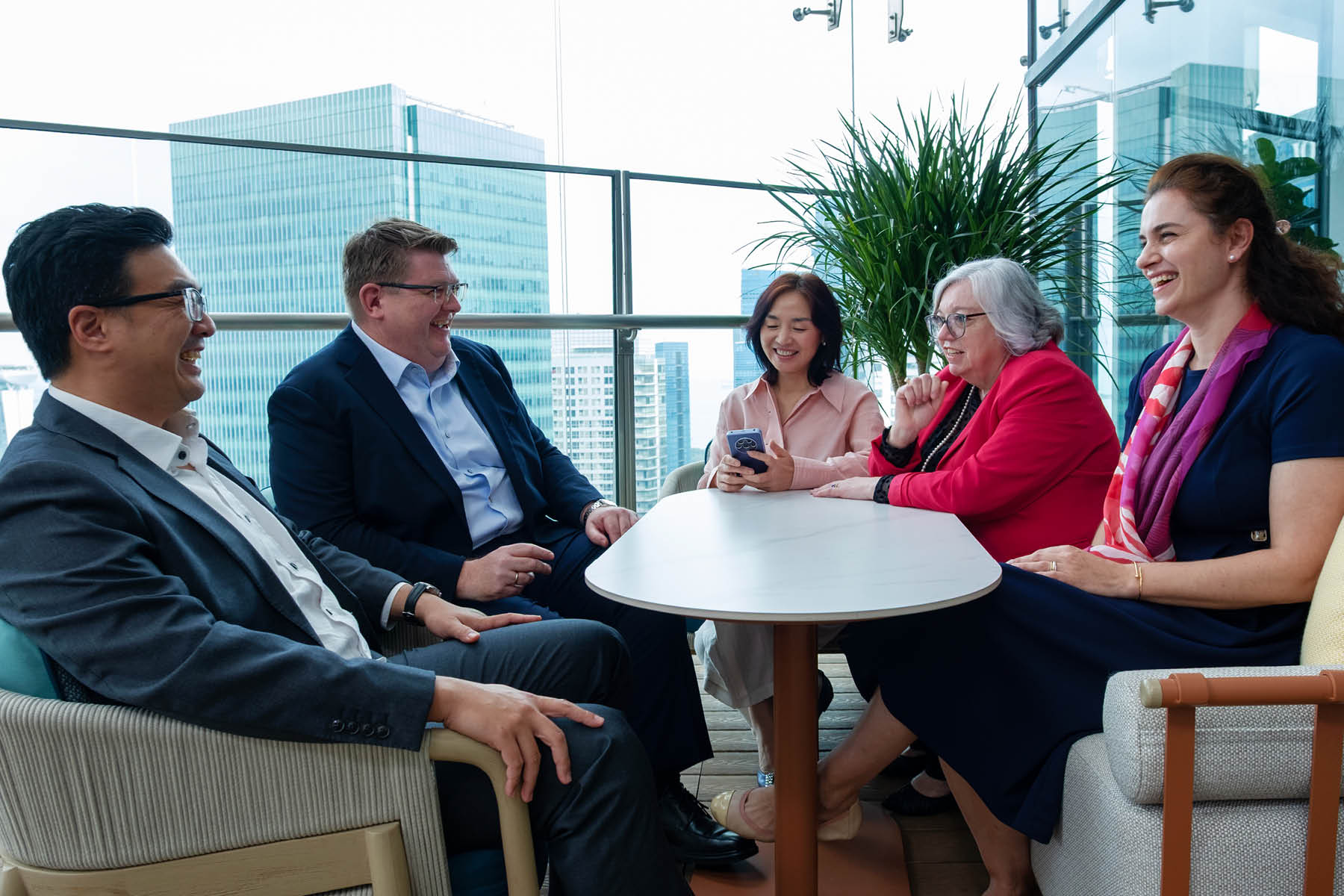
“Downturns are the time to plan and prepare for the upturn.”
The company’s secure AI system will enable teams to anticipate delays and adjust logistics before customers feel the impact, turning conversations from “explaining what went wrong” to “aligning early on” what they can do about it, she says.
Crucially, Fyffe stresses, people remain central.
“Rather than these actions replacing people, it frees them up to do more interesting tasks, supporting the business with critical thinking and decision-making based on solid information,” she explains.
Long before ESG became industry shorthand, Fyffe and her colleagues were embedding environmental and social responsibility into the company’s operations. For her, sustainability is evolution.
“As the industry shifts toward circularity, Integra Petrochemicals is committed to continuing to be a part of that. We were early adopters of a more environmental approach and the social and governance parts of this movement have been part of us since the beginning – it is who we are as people and as a company. This isn’t a revolution for us, but part of a continuous refinement process,” she reveals.
She recalls how Integra Petrochemicals stopped corporate gifting over three decades ago, redirecting waste and emissions through simple operational decisions.
“For us, it’s not just about ticking ESG boxes, but advocating and contributing not just in actions and time, but also by questioning and being involved in thought leadership,” she adds. “We continually look at innovative ideas and product streams to find solutions to environmental topics.”
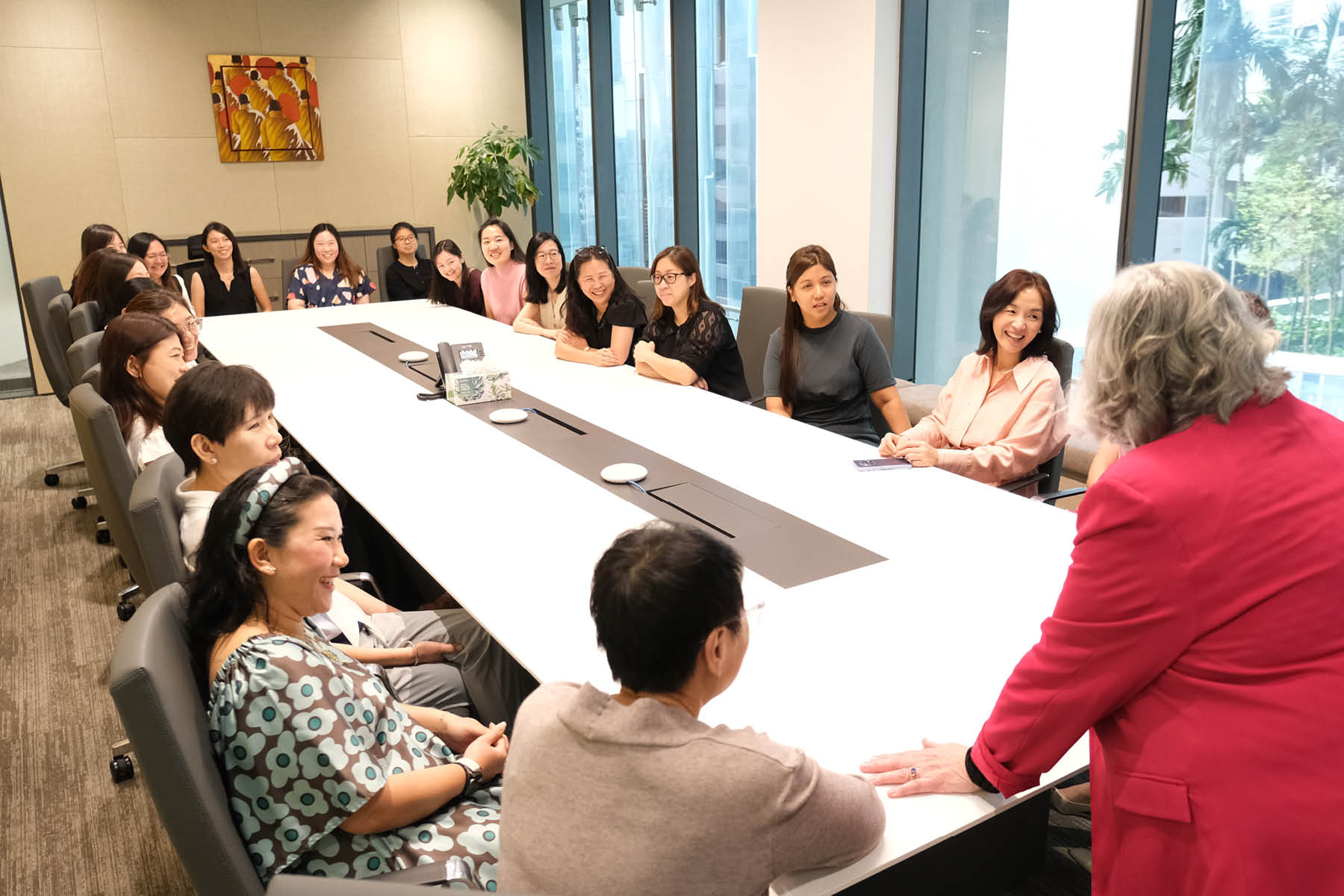
“Diversity of approach is a strength, not a weakness.”
Fyffe is clear that sustainability isn’t about speed or scale, but staying the course.
“We don’t always have to be the first or the biggest, but we’ll be consistent, thoughtful and continuous in our progress,” she says.
“There’s no end point with ESG – one goal is achieved and then you move onto another one and then another and another.”
Despite her global reputation, Fyffe rejects labels and prefers straightforward dialogue.
“A ‘Woman of Influence’ isn’t really how I see myself on a day-to-day basis, but I am certainly a person who has experience, opinions and has a reputation for speaking up,” she admits. “I don’t accept bias, either negative or positive.”
Integra Petrochemicals’ workforce now comprises slightly more than 50 percent women globally, from entry-level positions through to board roles, Fyffe notes proudly.
“This is achieved by ensuring we recruit the best person for each role – sex, age, religion, nationality are genuinely not factors,” she says.
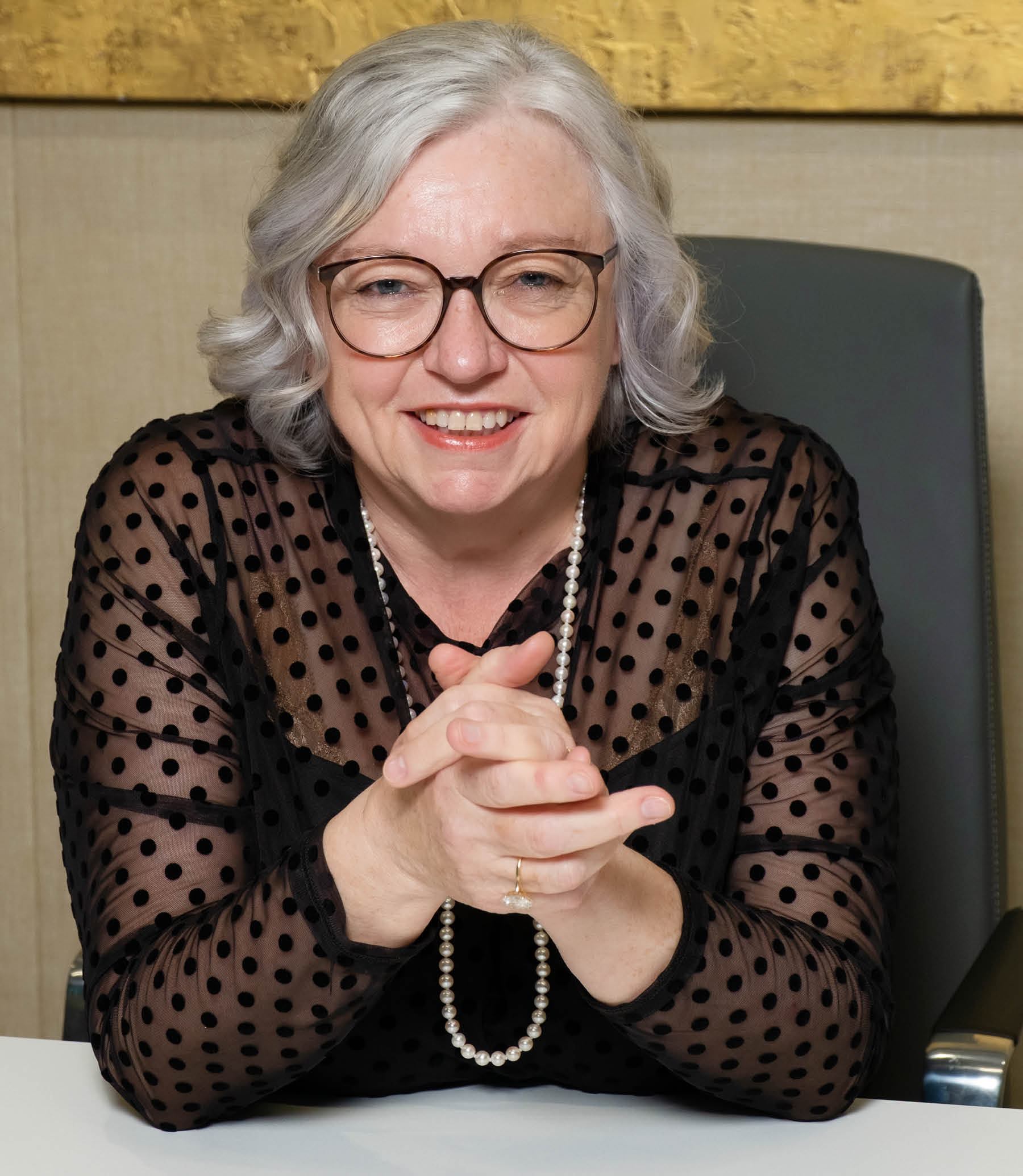
“I hope I have helped to make it a little more obvious that a company can be run differently and still be successful.”
Her advocacy for broader participation in trading and shipping predates current diversity conversations. As Co-Founder of Women’s International Shipping & Trading Association (WISTA) International, Fyffe helps create access for women who are routinely excluded from industry networking and professional opportunities.
“Co-Founding WISTA was never about creating a ‘special club’ for women. It was about giving access to networking and information to people who were not invited into the room,” she explains.
“It’s a little sad that WISTA still needs to exist. In an ideal world, it would be ‘lying down with the dinosaurs’ by now – a historical curiosity rather than an active organization. But we still don’t have gender parity across our industry, and there are still perceptions that trading and shipping are somehow ‘harder’ or ‘less suitable’ for women.
“I have never seen, over my career, that either men or women do the job inherently better. They may do it differently, but that diversity of approach is a strength, not a weakness.”
Beyond commercial success, Fyffe believes business carries social responsibility. Expansion into new regions automatically includes community initiatives led by local employees rather than distant corporate mandates.
“Over the next 18 months, as we expand the business, we’ll automatically include social programs and initiatives in the same communities where our people live and our logistics flows run – not just in a corporate report,” she says.
From supporting children’s hospitals across Asia, Europe and the United States to backing environmental programs and community sports fundraisers, the company’s social impact efforts are local and long-term.
Ultimately, Fyffe hopes her legacy is cultural, not just commercial.
“I hope I have helped to make it a little more obvious that a company can be run differently and still be successful,” she concludes. “That despite a lot of skepticism and negativity back in the day, women can found from-scratch trading companies, be charterers, be CEOs, be shipowners – and not only sit on boards, but also chair them.
“And diversity and individuality can be unremarkable, and yet almost a superpower.”

 RELATED ARTICLES
 5-min read



 Home
Home
 Podcasts
 Covers
 Be Featured
 Community