Language
You can read the magazine in one of the following languages

4-min read

 Bookmark now

 Copy Link
Without knowing it, humans have become utterly reliant on miniscule optical lenses and sensors. Every time you unlock a smartphone, strap on a smartwatch or climb into a modern car, the high-tech components made by ams OSRAM come to the fore.
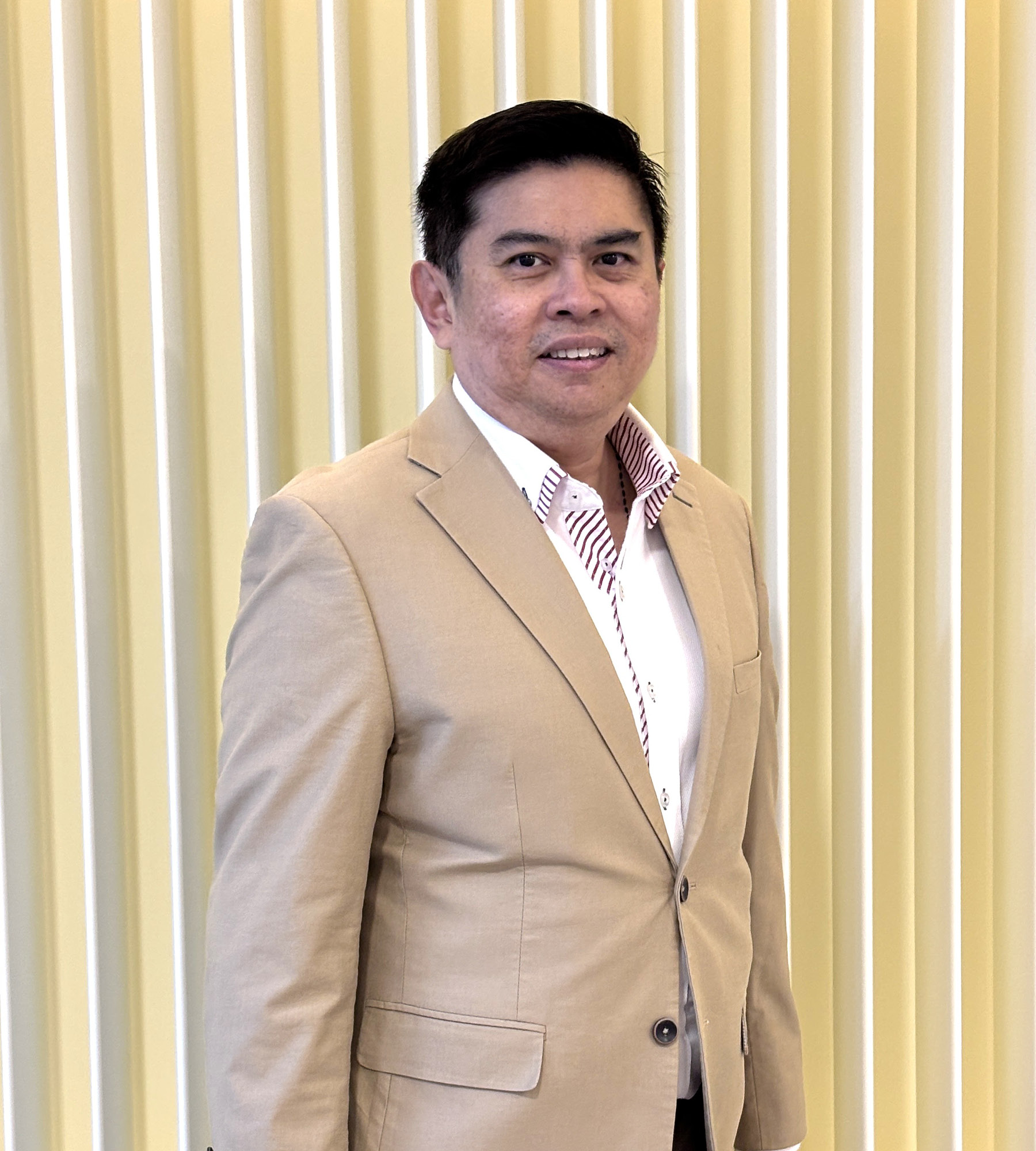
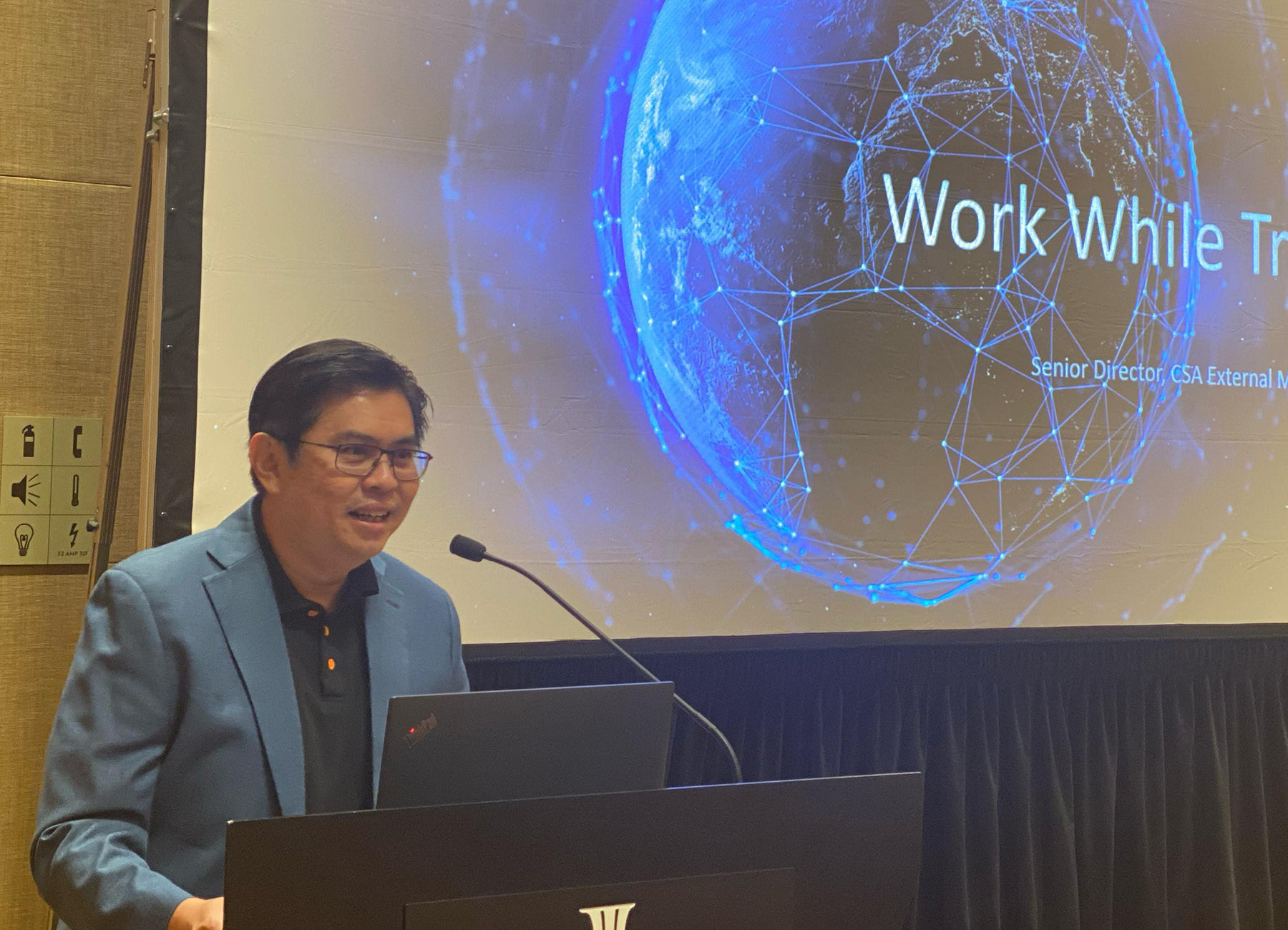
Joachim Ng has held the position of Senior Director, Global External Manufacturing at ams OSRAM for the past three years, but his career in photolithography – the process of printing electrical circuits onto tiny silicon microchips – has spanned 25.
As he tells The CEO Magazine from his office in Singapore, his recent shift into external engineering, where manufacturing is subcontracted rather than done in-house, has been a refreshing change.
“After 19 years in the front end, in order for me to grow I decided to give it a try and move on to back end, to external manufacturing,” he says.
“Internal manufacturing focuses deeply on the equipment side, the process side, working with industry engineering. But external manufacturing offers a broader perspective with partners across different countries. You see different cultures, different ways of operating. Adaptability becomes essential.”
Adaptability is an essential quality at ams OSRAM partly because of the sheer scale of its operations. The company’s technologies are industry-leading in the automotive, industrial, medical and consumer electronics markets, it has a global portfolio of 12,000 patents and patent applications, and around 18,500 employees around the world.
But there are some essential principles that it maintains across industries to guarantee competitiveness – none more so than limiting expenditure.
“In order to win in the market these days, costs are especially important,” he says. “Having a company in Singapore, you really have to keep your cost as low as possible to be competitive.”
Ng says an essential part of keeping costs down is having a developed understanding of its partners and knowing the extent of their potential.
“When you do external manufacturing you also need to look out for whether the subcontractor is able to scale up or not, because if they aren’t then we can’t run at high volume there even though they’ve given us the best price,” he explains.
Ng reveals that successful collaboration with subcontractors sits at the heart of his strategic plan for the medium to long-term.
“Our strategy is to continuously strengthen our global manufacturing ecosystem. And how do we actually do that? The first element is our subcontractors,” he says.
“This is because I know that they have the same vision. They value partnerships. For the next three-to-five years, they have all the ingredients that we need for strategic success.”
“In the next three-to-five years I want to grow our ability to have real-time data, so that we can have greater control.”
Another element of Ng’s strategy is to keep pushing on ams OSRAM’s internal technological capabilities.
“We are renewing our R&D capability and also talking about accelerating digital transformation,” he says.
“In the next three-to-five years I want to grow our ability to have real-time data, so that we can have greater control. We would be able to see the areas that are not moving and this would trigger us to immediately contact the subcontractors.
“As I have a global team, this will be very effective in removing bottlenecks.”
Despite these ambitions for investments, Ng wants to ensure the focus on limiting its outgoings remains front of mind.
“And of course, at the same time, we will continuously drive costs. In order for us to survive, to stay ahead of others, costs are one thing we need to keep focusing on,” he explains.
Reflecting on the difficulties of the COVID-19 pandemic and the ensuing economic downturn, Ng says the hardship taught him a valuable lesson about the significance of relationships.
“The key takeaway from this time was that partnership is very important. Because during the pandemic, it wasn’t easy,” he recalls.
“But I always think of trust like a bank account where you deposit money. So whatever you say to the subcontractor, you must actually deliver.”
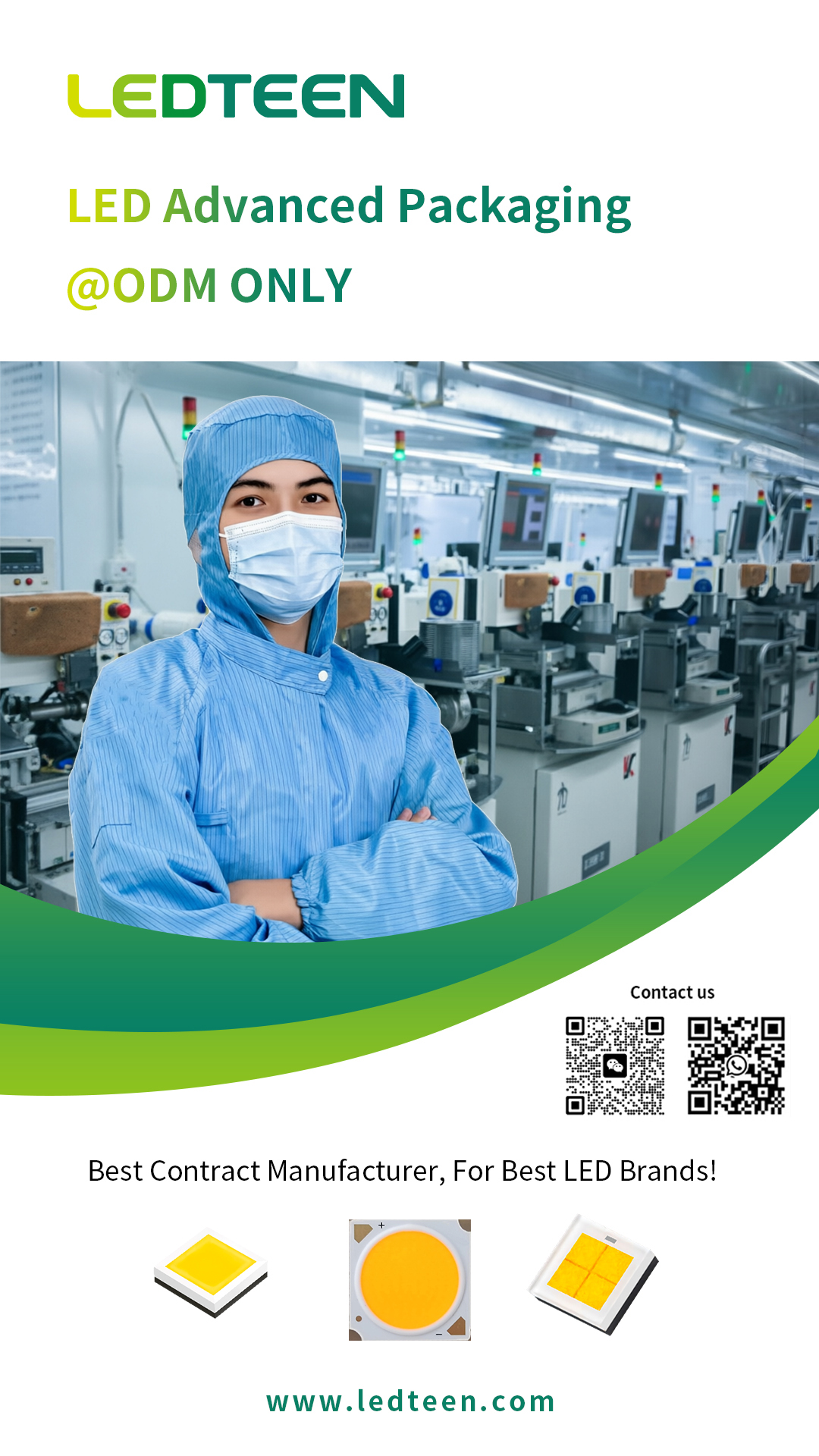
The variety of partners, including LEDTEEN, means that versatility is a characteristic worth its weight in gold.
“I work with subcontractors mainly from China, Taiwan, Thailand, Malaysia and the Philippines,” he says. “The approach you take is all about adapting to their culture and way of working.”
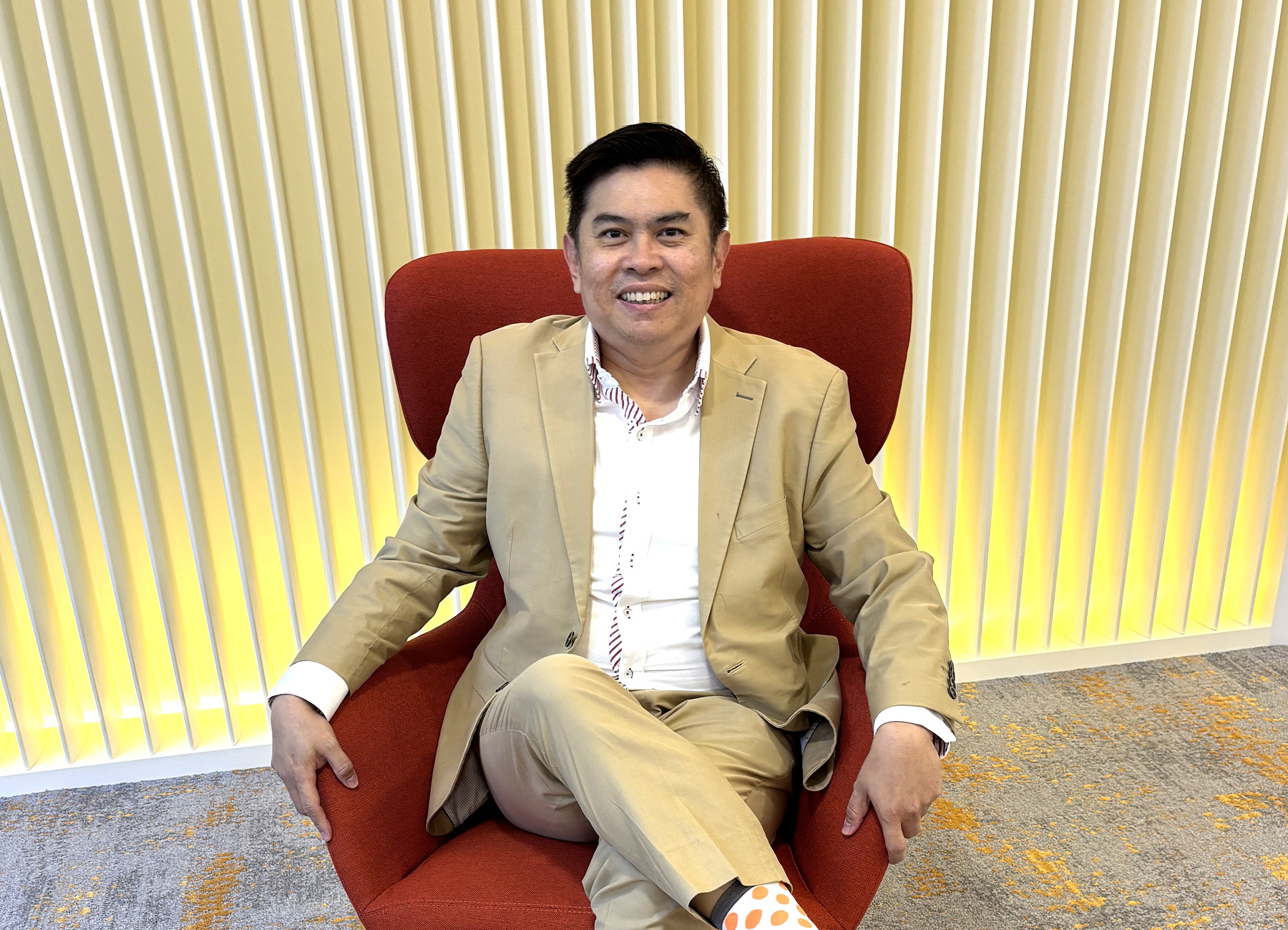
“I want to build a team that can be energized and motivated. I want to grow my people.”
Tied to this, Ng says success is also dependent on clear communication.
“The other part is clarity of expectation. That alignment is very important. With the different languages that we speak, sometimes the interpretation might be wrong. So I tend to overcommunicate,” he says.
Leading a business that demands such extreme technical knowledge as well as management prowess is demanding, to say the least. Ng credits his capacity to keep pushing the company forward to his positive outlook.
“I always tell myself one thing: if I continue to stay positive every day – because my nature is as a cheerful person – I will have the energy to keep going,” he reflects.
“When I was young, I met mentors that were willing to help me through my career. So I wanted to be a mentor that actually helps people.
“I want to build a team that can be energized and motivated. I want to grow my people.”
 RELATED ARTICLES


 Home
Home
 Podcasts
 Covers
 Be Featured
 Community