Language
You can read the magazine in one of the following languages
4-min read

 Bookmark now

 Copy Link
By its very definition, fashion is an industry that is in a state of constant flux. Now, fueled by social media and ease of access to corners of the world once out of reach, that pace of change has accelerated.
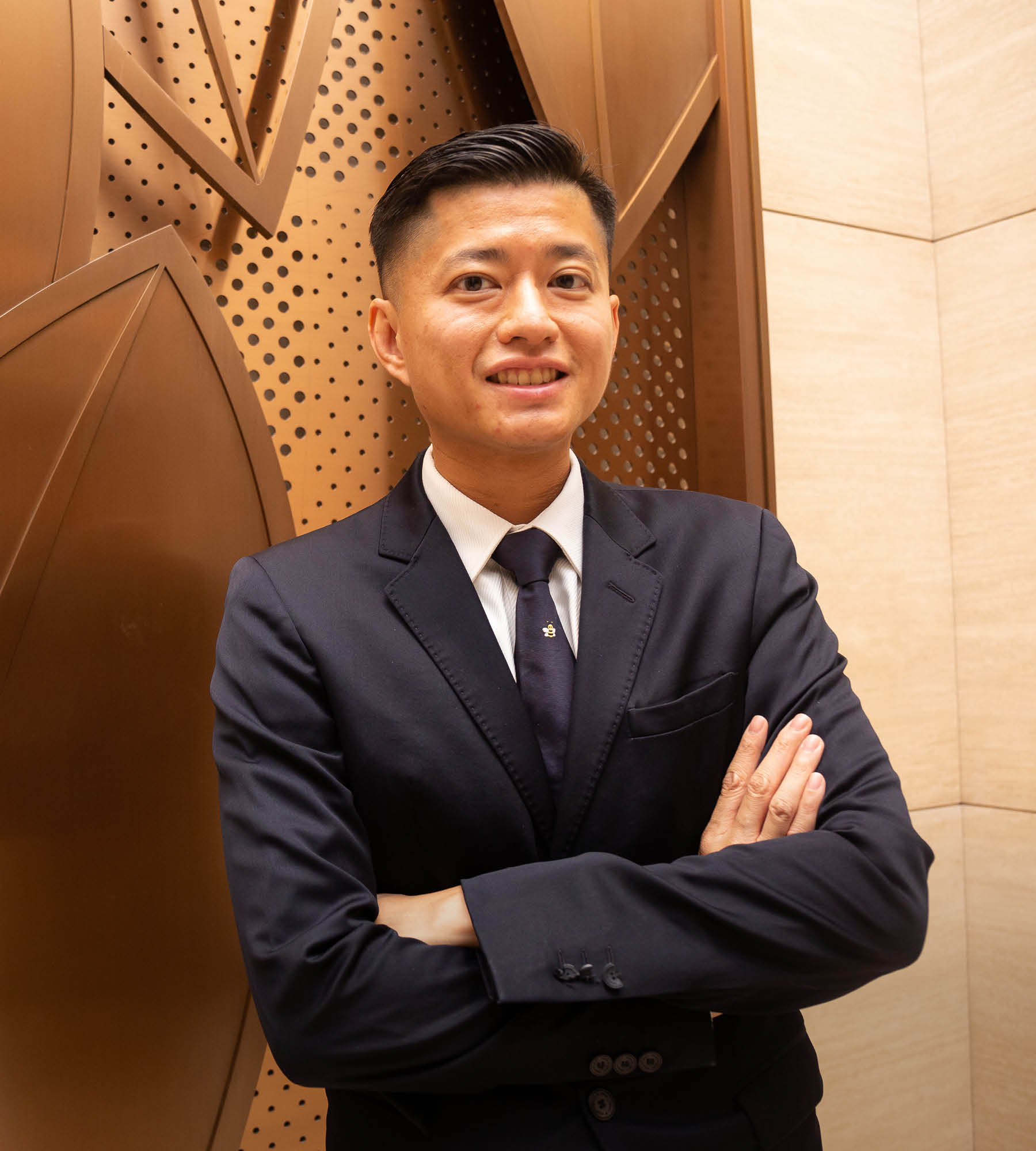
In an industry where falling behind the latest trends can quickly lead to irrelevance, Will Lam, CEO of High Fashion International, ensures that staying ahead is the only direction forward. From innovation to sustainability – now a driving force – he’s fully engaged with everything shaping fashion’s future.
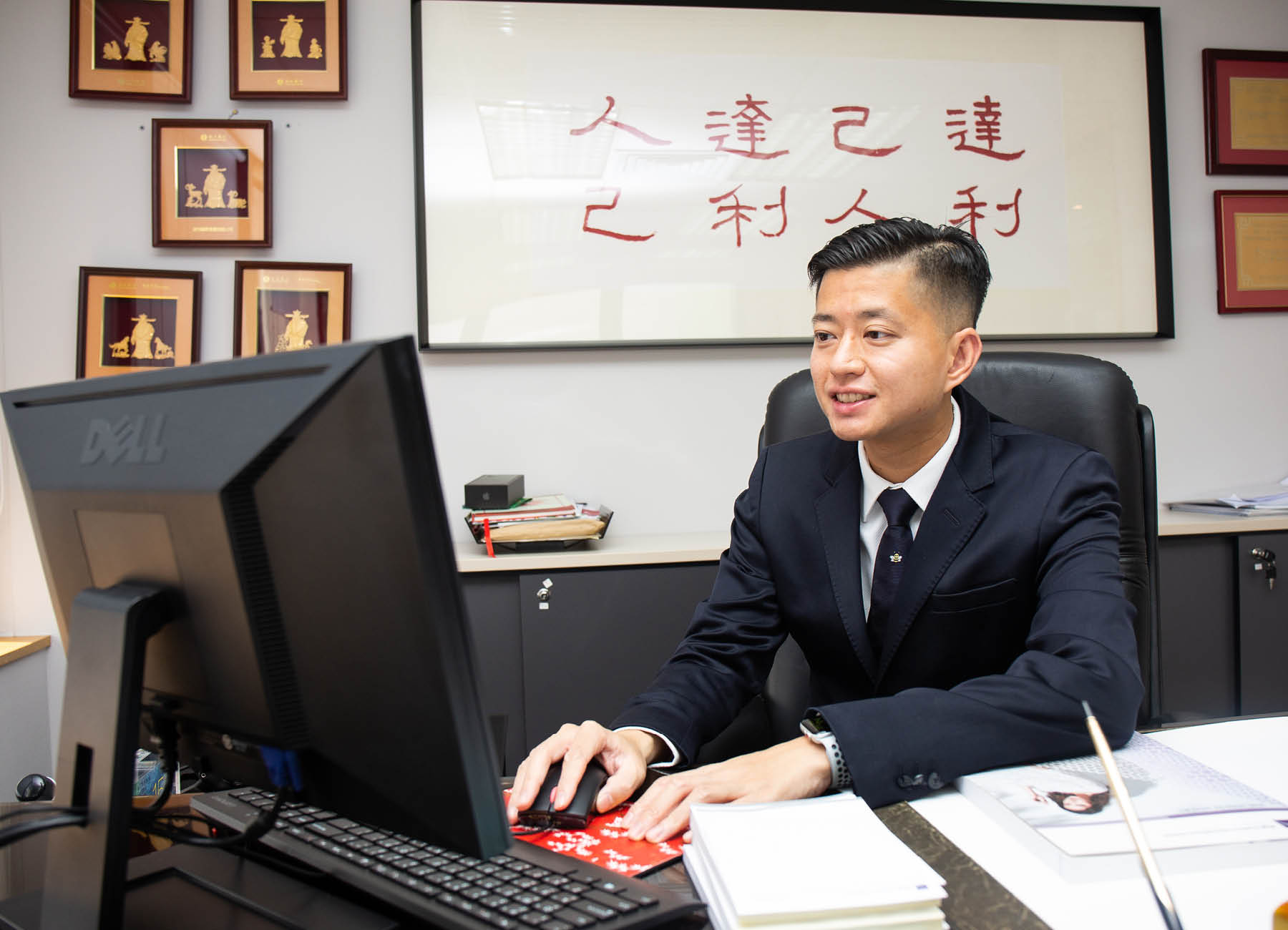
“It’s actually forcing our company to be more agile and more flexible to provide a quicker response solution for ecommerce customers.”
“People have increased their use of sustainable materials,” Lam tells The CEO Magazine. “And more and more people are talking about circularity. Circular fashion initiatives are a key direction right now.”
As companies have invested in recycling programs, reselling platforms and designing products with their end of life in mind, the adoption of circular economy principles has flourished.
“Consumers have increased awareness of eco-friendly and ethical practices,” he says. “So there’s a heightened consumer awareness and demand for sustainable products and ethical produce – including fair labor practices and reducing environmental impact programs.”
That’s not the only area of evolution, however. Across the world of business, digital transformation is underway, and the same is true of fashion – a shift catalyzed by the COVID-19 pandemic.
“In the industry, there has been widespread adoption of a lot of technology including IOT supply in supply chain management, inventory tracking and transparency of the supply chain,” Lam says.
The explosion of ecommerce is another such trend, and one which looks to remain a shaping force for the industry for the foreseeable future.
“It’s actually forcing our company to be more agile and more flexible to provide a quicker response solution for ecommerce customers,” he says.
“We actually help a lot of our customers to upgrade their understanding around how to use such technology to be more efficient.”
Technological innovations underpin every aspect of High Fashion International, with the company prioritizing the enhancement of its digital capabilities over the last decade. Lam highlights 3D design and virtual prototyping as particular interests.
While such programs are now increasingly commonplace in the industry, High Fashion’s early adoption has made it a pioneer.
“We actually help a lot of our customers to upgrade their understanding around how to use such technology to be more efficient,” he says.
But true innovation is about much more than a company’s digital prowess – creative thinking needs to permeate every aspect of operations. It’s a reality of business that Lam understands profoundly.
“We have been spending a lot of time doing a lot of innovation in fabric and design, especially how to upgrade the fabric so it is more biodegradable, and how to create some sort of new fabric that can meet newer customer needs,” he says.
To drive this process, High Fashion has established a dedicated research and development team.
“I’m leading High Fashion to diversify our supply chain into both overseas and local manufacturing and to have a more diverse and flexible supply chain to cope with different directional pulls.”
Another pressing issue is futureproofing the supply chain, Lam reveals – a matter that amplified in importance during the pandemic.
“It’s getting more important to have a diversified supply chain because the disruption caused by the pandemic has highlighted the need for us to be more resilient,” he says.
“So I’m leading High Fashion to diversify our supply chain into both overseas and local manufacturing and to have a more diverse and flexible supply chain to cope with different directional pulls.”
This is an area where relationships are crucial. And while the company is determinedly harnessing the latest smart manufacturing solutions, Lam is only too aware of the enduring power of people and partnerships.
“Now more and more people are talking about building an ecosystem, so we have been strengthening our partnerships,” he reflects.
“We cannot just work in a buy-and-sell relationship, it’s more about how we can develop things in five to 10 years. With our strategic partners, we’ve been spending more and more time working closely together to build something that is more unique, that can help us build our competitive edge together.”
“No matter whether you’re in an office or in a factory, everyone needs to go green.”
Talent is key after all. So High Fashion is taking that further by investing in human capital and attracting a diverse array of talent by building a stronger corporate culture. These strengths are positioning the company for growth over the next few years, but more important for Lam, it comes back to ensuring that growth is sustainable.
“We emphasize our commitment to sustainability and how we can further integrate eco-friendly practices across all our operations to meet global demand responsibly,” he says.
“It’s an end-to-end process – no matter whether you’re in an office or in a factory, everyone needs to go green.
“This is the whole direction that we’ve been going and we hope that this will help us to build a sustainable model that could help us prosper in the next five to 10 years.”
 RELATED ARTICLES


 Home
Home
 Podcasts
 Covers
 Be Featured
 Community