Language
You can read the magazine in one of the following languages

4-min read

 Bookmark now

 Copy Link
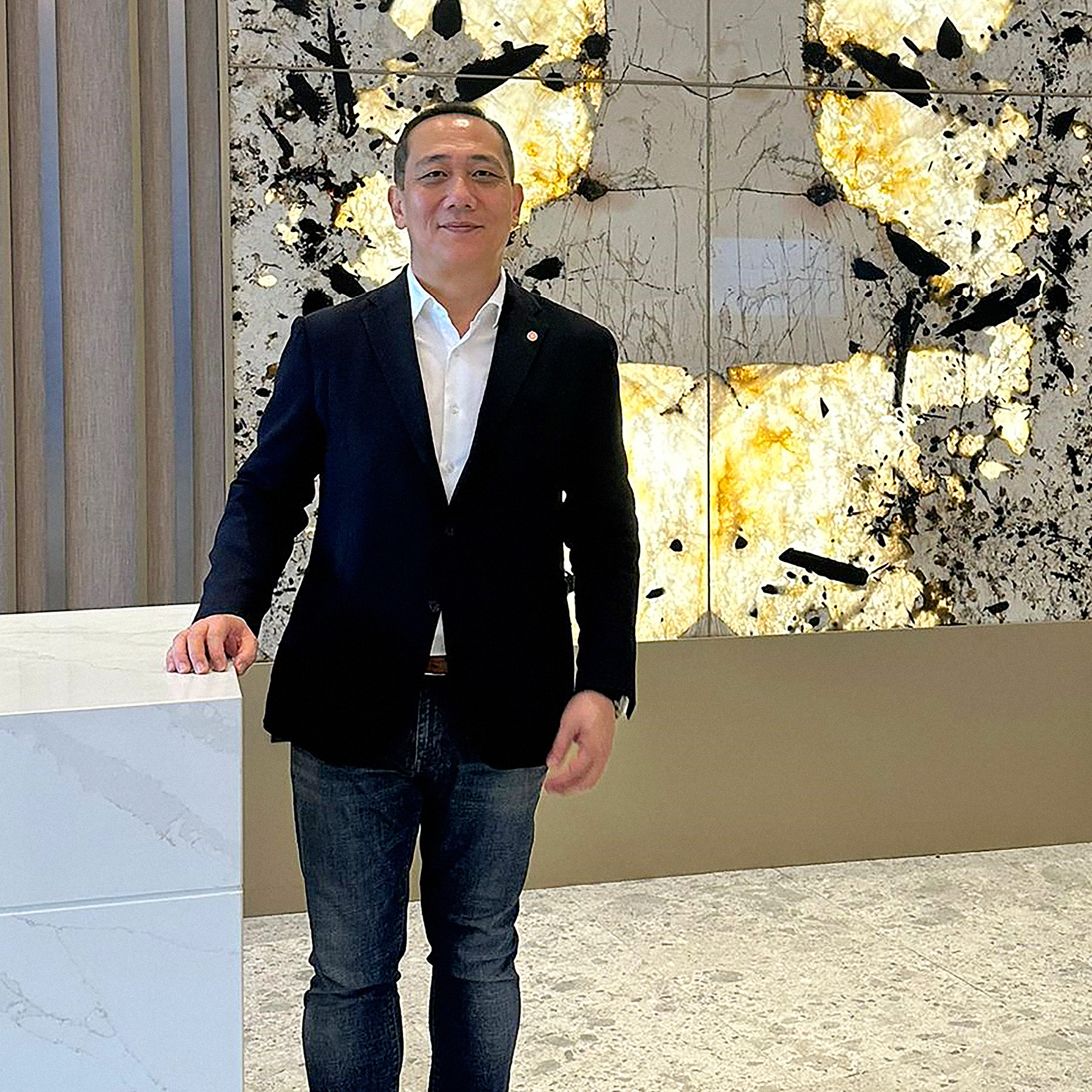
Now approaching his 25th year with Hong Kong-based Hip Hing Construction Company, Director of Engineering Simon Lee has witnessed plenty of change in his lifetime.
As the city has transitioned from British to Chinese rule and a global pandemic has come and gone, its world-famous skyline has continued to evolve – with Hip Hing playing a significant role in that ongoing story.
In the early 1990s, Lee was working as an architect, collaborating with the company he would later join.
“I noticed that this company was a little bit different from other contractors I’d worked with before, particularly their vision. And that impressed me,” Lee says, reflecting on his initial experience of working with Hip Hing.
“Of course, everyone needs to run a business and make money. But they didn’t mind chipping in more for a better design. They cared about quality. They cared about the product they delivered.”
“This is not just another project. This is a project with a lot of meaning behind it.”
Impressed by the company’s vision and the success of its innovative design and construction approach, Lee later joined Hip Hing and participated in many design and build projects.
“And here I’ve been for the past 25 years,” Lee says with a smile.
Hip Hing has a seemingly interminable portfolio of glittering construction projects across the city, ranging from glass skyscrapers to high-end residences, hospitals, government headquarters, monuments, performing arts centers, convention and exhibition centers, academic campuses, hotels and more.
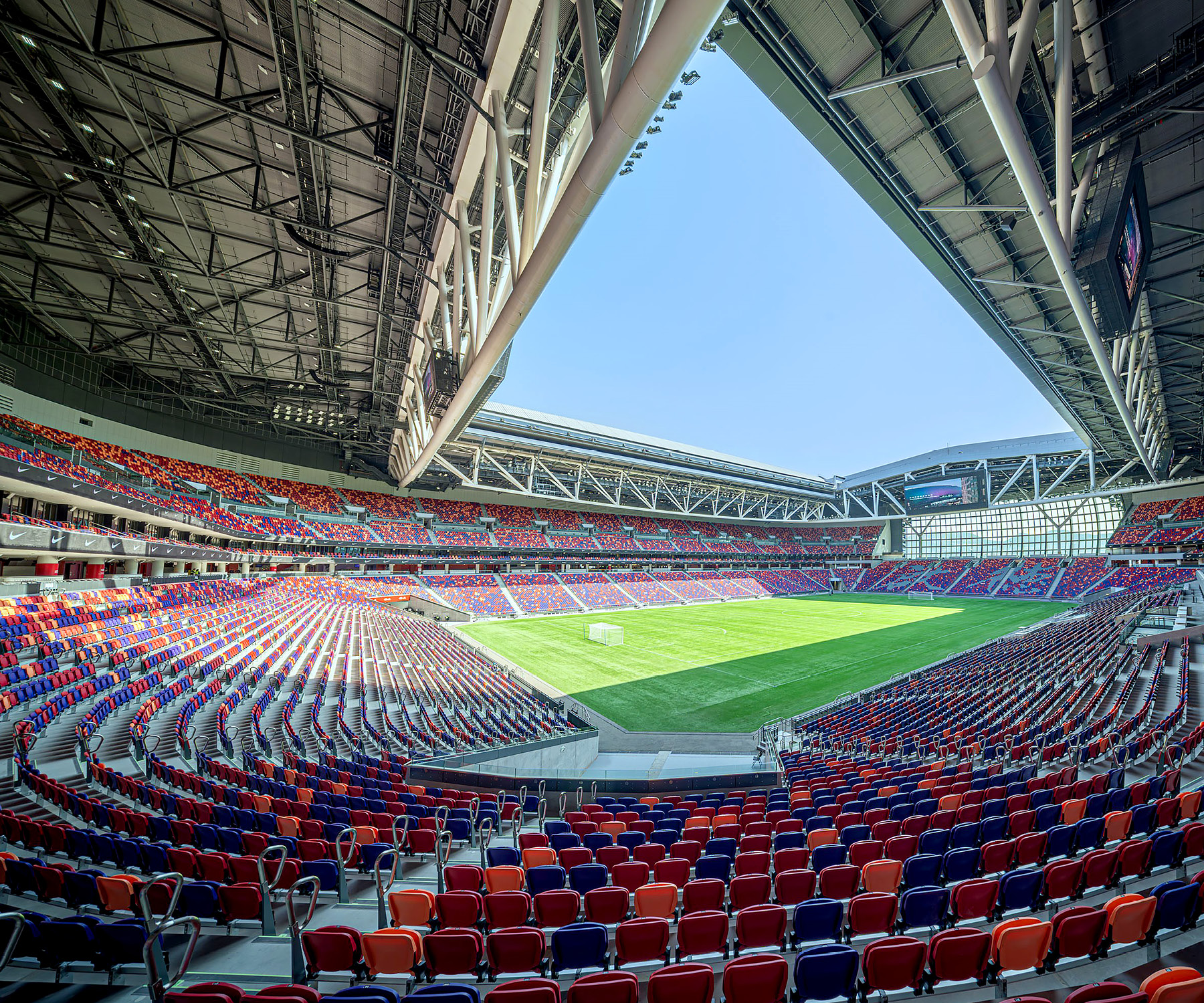
But its latest triumph is the completion of the Kai Tak Sports Park, a cutting-edge, multipurpose stadium complex in Kowloon that includes a 50,000-seat stadium, a 10,000-seat arena, a 5,000-seat public sports ground and clusters of retail malls, together with more than eight hectares of open public space. The grand opening was on 1 March 2025.
“For the people of Hong Kong, this is really something meaningful,” Lee says. “This is a mega project. It’s a project for the people of Hong Kong. This is our home court.
“Now the city has a venue we can use for sports, entertainment events, conventions and a lot of other purposes. We have something signature, something significant that we are proud to show the rest of the world.”
The project was an exciting opportunity for Lee and all partners involved in the project, a once-in-a-lifetime design, construction and operation opportunity.
“From the project perspective, the entire team realized that this was a very rare opportunity for us,” he says. “We are literally talking about one or two city blocks. It’s almost like doing a tiny master plan for a district instead of just a building itself.
“A whole journey for the spectator could now be tailored and designed for. We could design it in a way that they will enjoy every single step of their journey from the public transportation hub to the destination – be it the main stadium, the arena or the shopping mall.”
But on top of the usual demands for large-scale infrastructure projects, an unexpected, even greater challenge was to arise – the COVID-19 pandemic.
“Suddenly, we had people getting sick who couldn’t come to work,” he says. “We had international designers who faced quarantine issues and couldn’t attend meetings in person. We had closures of factories and problems with material delivery from factories to us.”
The teams at Kai Tak Sports Park and Hip Hing now faced a choice: delay the project and let down their client or roll with the punches. They chose the latter.
“We wanted to do our best to complete this because, to us, this is not just another project. This is a project with a lot of meaning behind it,” he reflects.
“We were doing something not just as a business – we were doing something for our city.”
“The entire team realized that this was a very rare opportunity for us.”
Making this commitment required bold action, including inventing automations for the design process, setting up additional steel truss production factories and even chartering vessels for sea transportation in order to overcome quarantine restrictions.
“We managed to pull it off by making extra effort. I wouldn’t say it was thinking out of the box – it was just a willingness to take an extra step,” he says.
“From a construction perspective, most of us did not have experience in building stadiums, not to mention a 50,000-seat stadium with hidden columns, huge trusses, a retractable roof and stringent acoustic design.”
Thankfully for Kai Tak Sports Park, Hip Hing, their teams and the Cultural Sports and Tourism Bureau, their efforts paid off.
The key to successfully overseeing projects of this scale is always getting people to move in the same direction – something Lee is mindful of.
“Design and build is all about partnering,” he says. “You need to effectively partner with all your stakeholders, clients and subcontractors, because you rely on each other.”
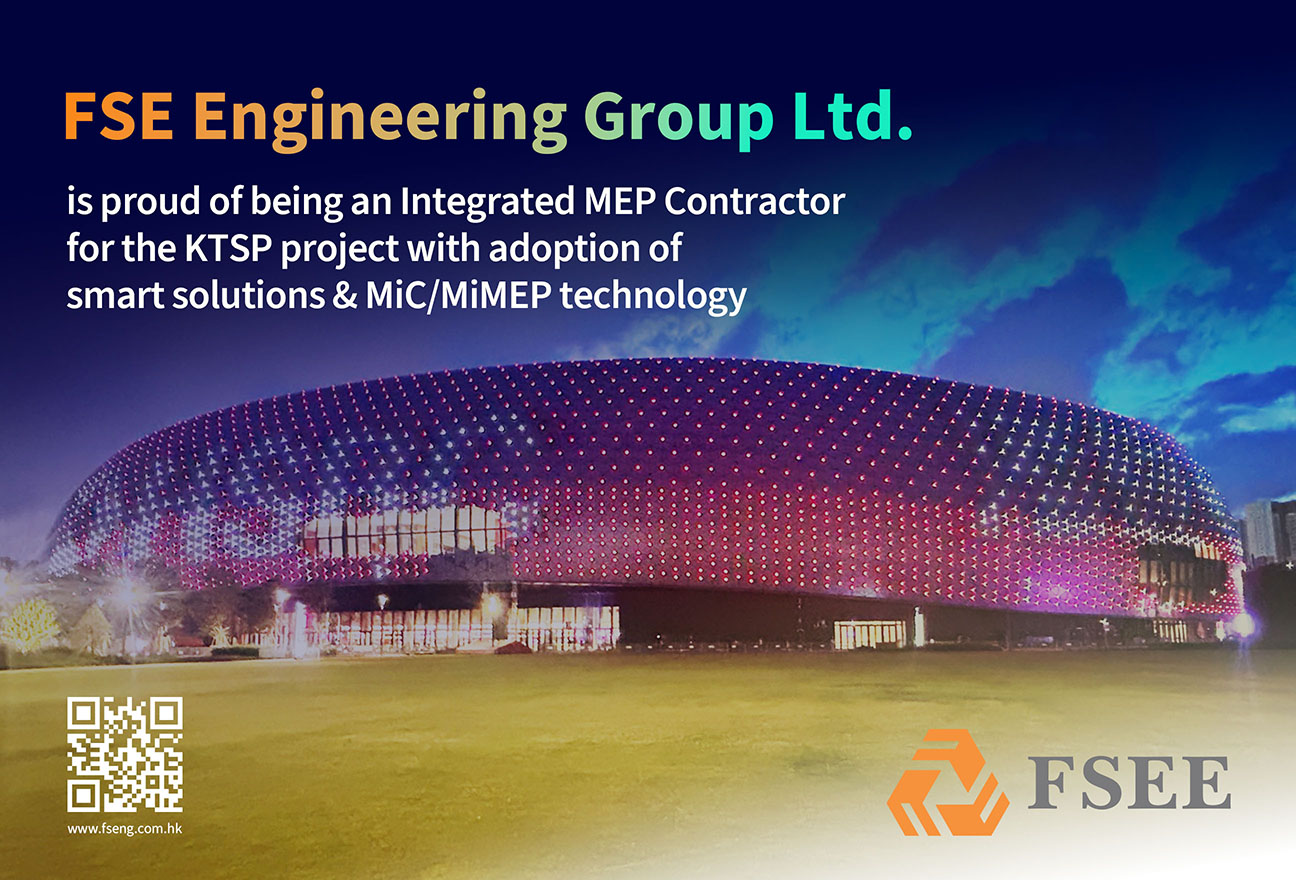
Among Hip Hing’s key partners are FSE Engineering Group and B.S.C. COLOURLIVING, with whom Lee sees a compassionate and understanding approach as a non-negotiable.
“For them to wholeheartedly contribute and understand the project, we need to treat them with respect and fairness,” he says. “In Chinese terms, we call it having a shoulder.
“It’s pointless pointing fingers and asking why, how and when mistakes were made. It’s more important to solve the problem and make sure you learn from it. If you want to be a leader, you need to act like a leader.”
 RELATED ARTICLES


 Home
Home
 Podcasts
 Covers
 Be Featured
 Community