Language
You can read the magazine in one of the following languages
4-min read

 Bookmark now

 Copy Link
Dave Banks looked at his engagement survey results: 84 percent – well above the 78 percent industry benchmark. His internal consulting team at NAB had slashed the business bank cost-to-income ratio significantly over six years. By every traditional metric, they were winning.
Yet Dave couldn’t shake what he was observing in meetings. The energy had shifted. Despite the scores, people seemed flatter and more depleted. He noticed a growing pattern of “I’m great” language but a lack of “We’re great”. Most leaders would have moved on. The numbers were good. But Dave understood what the ‘2026 CEO Institute Pulse Report’ now confirms: You can’t build a sustainable strategy on an exhausted team.
The Pulse Report reveals 68 percent of senior leaders report their role demands significantly more emotional and mental stamina than just two years ago. They’re managing growth (41%), cost pressures (24%), and digital transformation (22%) simultaneously – the triple challenge.

When leaders are depleted, they take their teams down with them.
Wiley Workplace Intelligence found that nearly 47 percent of leaders reported severe burnout in 2025. And Gallup’s research shows managers account for 70 percent of the variance in team engagement. When leaders are depleted, they take their teams down with them.
The alarming part? While 68 percent of leaders are hitting the wall, only four percent list building resilience as a priority.
Rather than trusting the engagement score, Dave measured deeper. He surveyed his team using a crew moodometer – a diagnostic tool I developed drawing on Dave Logan’s 10-year study of 24,000 people, which classifies teams into green (collaboration), amber (individual competition) and red (disengagement) zones.
The results told a story that the engagement survey couldn’t. Average mood was 7.6 out of 10 – encouraging on the surface. But half the team was stuck in amber zone competition mode. And seven people scored five or below, placing them in the red zone. What Dave did next illustrates three practices any leader can adopt immediately.
Dave organized a workshop, which I helped facilitate, where he candidly shared his own struggles with work–life balance. Then a respected team member courageously shared his past battle with depression and subsequent recovery – eventually completing the Hawaiian Triathlon three times.
Most colleagues had no idea. These disclosures created permission for others to share. Team members began volunteering details about sleep difficulties and struggles balancing work with family. They discovered they weren’t facing isolated failures but shared challenges. People stopped pretending and started being human with each other.
The daily habit: Share something real about how you’re traveling – not just the wins but the struggles. Authenticity is contagious.
Dave shared the full results with his team – both the encouraging average and the concerning reality. His leaders facilitated discussions, hearing ideas for addressing root causes. Dave committed to resurveying in 90 days. The APA’s 2024 Work in America Survey found that 91 percent of workers whose employer provides sufficient stress management resources report job satisfaction, versus just 76 percent where those resources are absent.
Transparency plus action closes that gap. Based on feedback, Dave’s team co-created four strategies: fortnightly Q&A meetings about organizational changes, monthly ‘pens down’ Fridays finishing at 3pm, expanded flexible working and walking meetings.
The daily habit: Ask one person, “What’s one thing that would make your work life better right now?” Then listen.
Four of the seven red-zone people privately shared their struggles with Dave. In all cases, he proposed helpful solutions. As a Founding Board Director of R U OK? I’ve learned that creating permission to surface issues early prevents crises later – what I call red zone care.
The daily habit: If you notice someone seems off, create a private moment and ask: “Are you OK?”
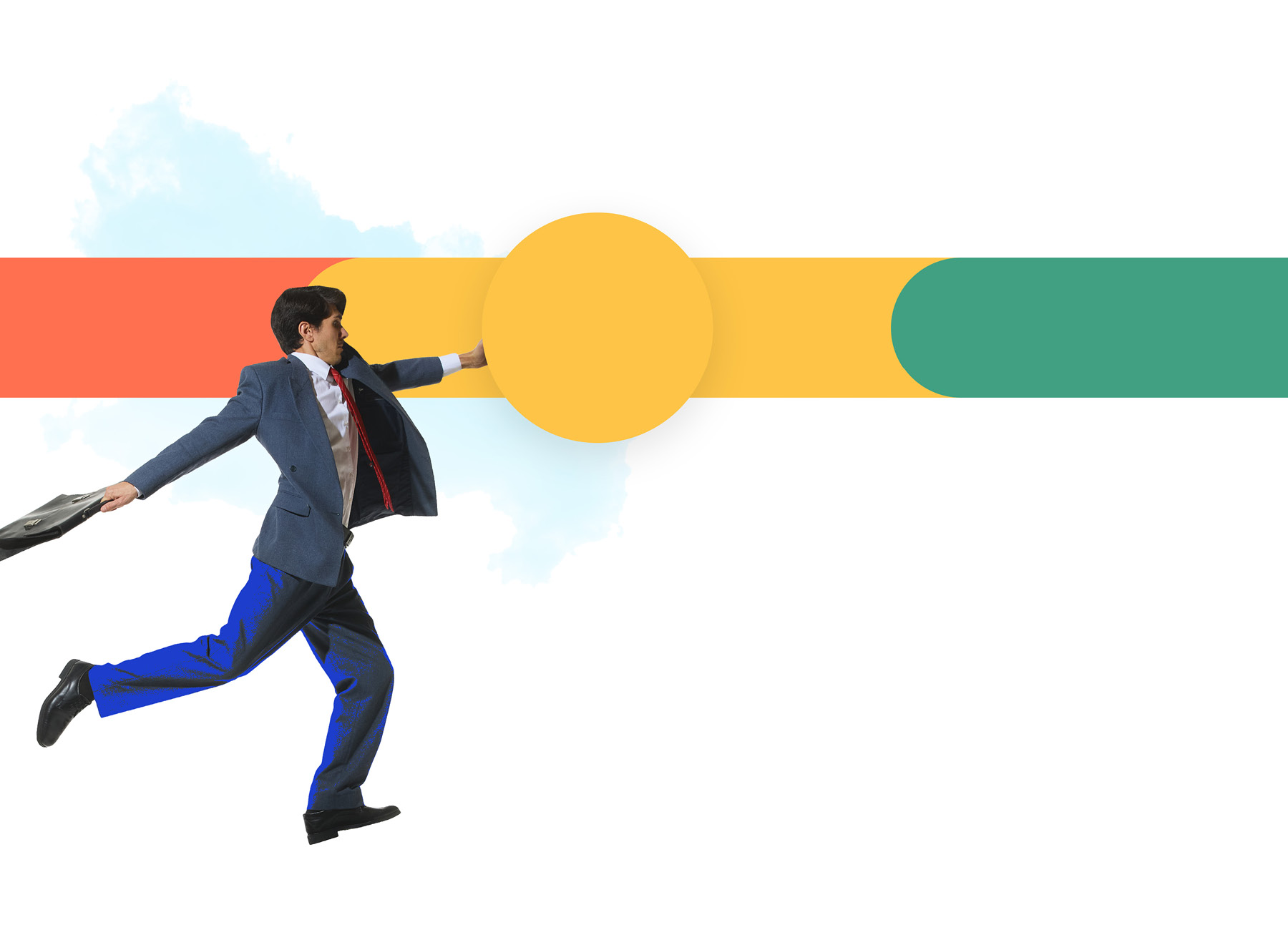
After 90 days, the average mood rose from 7.6 to 8.1. ‘I’ statements decreased while ‘we’ language increased. The team moved from mixed amber-green to a solid green zone.
Dave didn’t simplify the strategy, he strengthened the humans executing it. He proved that sustainable success comes through belonging, safety and a collectively owned vision – not burnout and sacrifice.
The leaders who will succeed aren’t the ones working hardest. They’re the ones who care enough to ask, “How are we really traveling?” Start with one habit tomorrow. Your team is watching.

Graeme Cowan
Contributor Collective Member
Graeme Cowan is a leadership speaker, Founding Board Director of R U OK? and host of ‘The Caring CEO’ podcast. His book ‘Great Leaders Care: Building Safe, Resilient and Successful Teams’ addresses the leadership crisis where managers are expected to prevent team burnout while managing severe stress themselves. Find out more at https://graemecowan.com.au
 RELATED ARTICLES


 Home
Home
 Podcasts
 Covers
 Be Featured
 Community