Language
You can read the magazine in one of the following languages
7-min read

 Bookmark now

 Copy Link
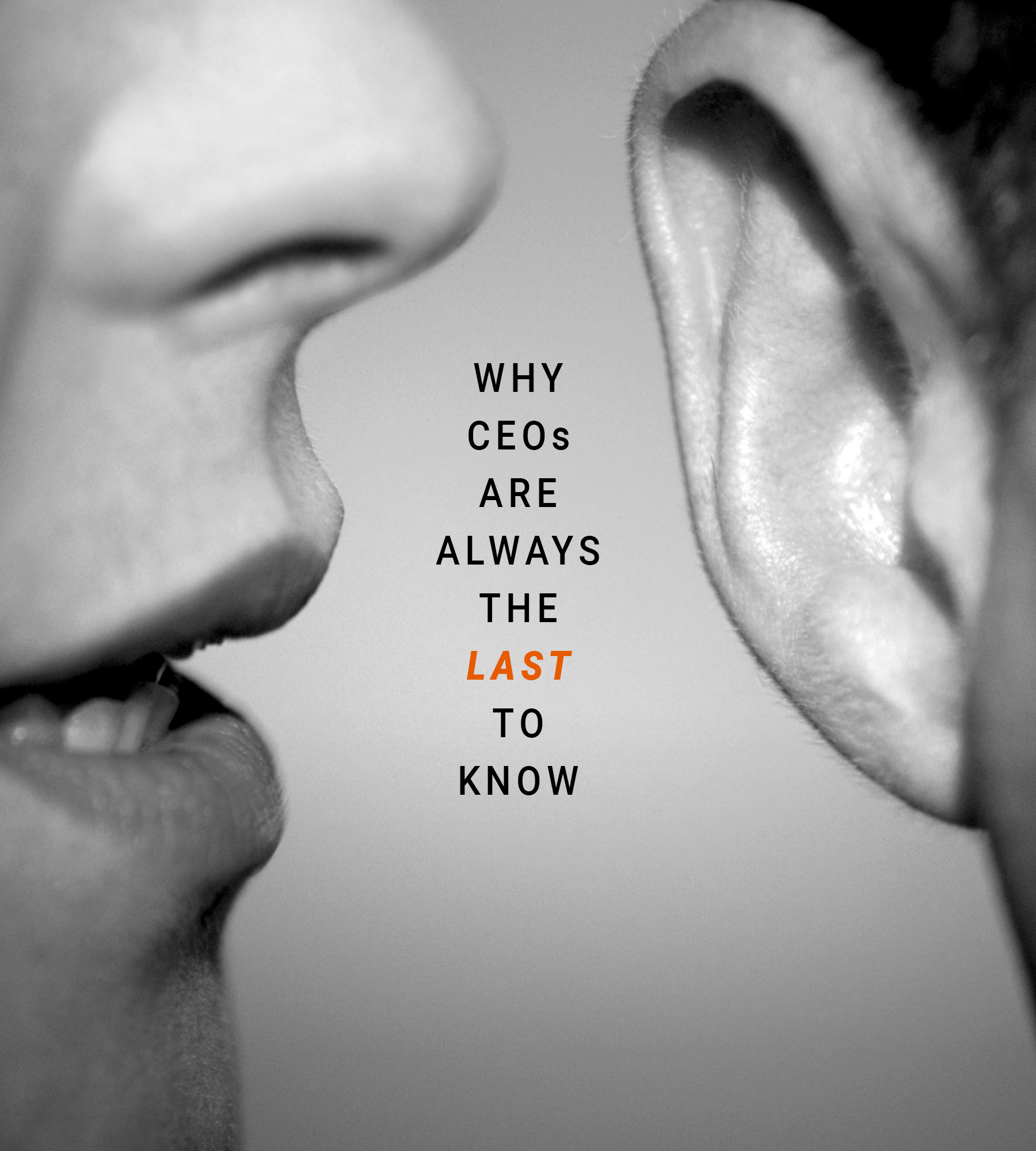
Every CEO believes they understand the culture of their organization. Most are wrong.
Psychological injury has become one of the most expensive and reputationally damaging risks on the corporate landscape and it is no longer just an HR issue. It is a board-level exposure with direct implications for retention, performance, litigation and brand.
Yet most chief executives are flying blind. The real picture of how work is being experienced inside their organizations is hidden from them, and it stays hidden until the damage is already done.
Seeing the warning signs is not intuitive. It demands a different kind of attention – one built through sustained, deliberate observation of how people actually behave when they believe no one important is watching. Most leaders are too far removed from the daily texture of work to notice the subtle shifts that precede serious problems. By the time the data reaches the executive floor, the story has already been sanitized.
Every employee performs. They present a carefully managed version of themselves at work, suppressing what they really think and feel until they find a space that feels safe. That space is never a boardroom. It is never a town hall or an engagement survey.
It exists inside microcultures – small teams, informal subgroups, the conversations that happen after the meeting ends – where language and behavior shift in ways senior leaders never witness.
Those shifts are early warnings. They signal that pressure and misalignment are forming long before formal problems appear.
My peer-reviewed research into organizational cultures and subcultures reveals a pattern that should unsettle every CEO. When systems, values or leadership priorities fall out of alignment, employees do not wait for permission to adapt. They form discreet microcultures to keep work moving.
In a large ethnographic study during a major organizational restructure, employees across multiple departments quietly bypassed official processes to preserve business as usual — building workarounds around slow or misaligned systems that no-one above them could see.
From the outside, the organization appeared functional. Backstage, it was fracturing. Employees expressed cynicism, withdrawal and “us versus them” language. Workarounds multiplied. Senior leaders remained unaware until conflict, attrition and escalation forced the issue into the open.
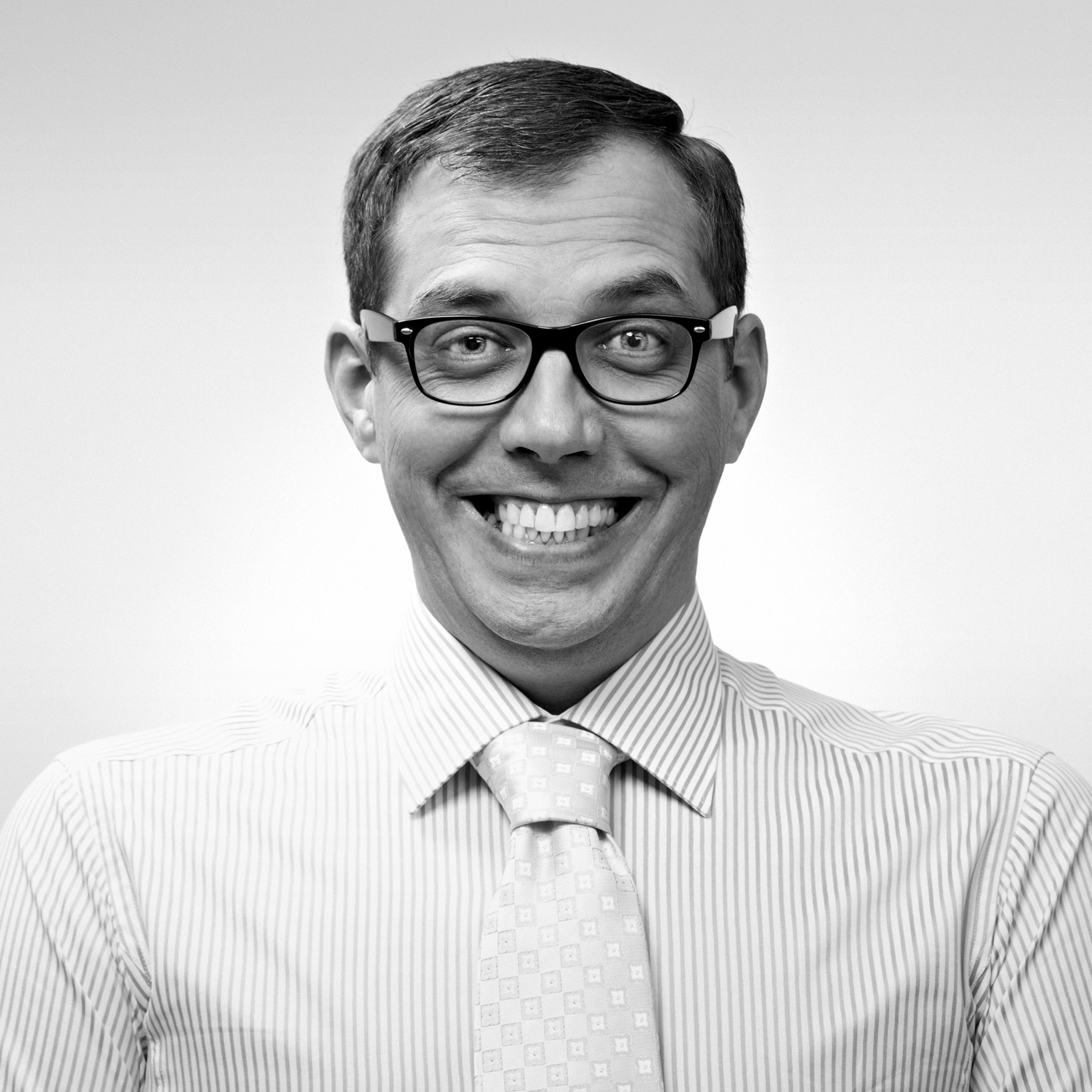
Employees present a managed frontstage while burying their true experiences under layers of cultural pressure.
This is not an isolated finding. Across separate studies on organizational culture and employee behavior, the same dynamic recurs: employees present a managed frontstage while burying their true experiences under layers of cultural pressure.
When people feel they must perform alignment and positivity, honesty dies. And when honesty dies, organizational risk becomes invisible – until it detonates as burnout, disengagement or mass exit.
But there is a kind of perception that can read these dynamics in real time. It shows up in the silence of a team meeting that should not be silent; in the careful phrasing of an email chain where people used to speak plainly; in the way a department talks about leadership when leadership is not in the room. These are diagnostic signals – but they can only be understood by someone who has learned how to read them.
Cultural risk intensifies under pressure – sustained workload, leadership churn, internal conflict and major change like restructures, mergers or technology adoption. During these periods, the informal rules inside teams begin to override the organization’s stated values. What leadership believes is happening and what is actually happening diverge further and further.
Microcultures emerge, not as rebellion but as survival. They are the workforce’s immune response when the formal system fails them.
The problem for CEOs is that none of this shows up in the places they are trained to look. When leaders say, “We didn’t see this coming,” the signals were always there – backstage, in the microcultures, in the spaces between what people say on the record and what they actually experience.
Most organizations rely on instruments that only reveal problems once they are already serious. Engagement surveys measure what people are willing to say on the record. Grievance mechanisms capture what people are desperate enough to formalize. Reporting channels record what has already gone wrong. None of these tools capture what people are actually experiencing day to day inside their teams.
Psychosocial risk is not primarily about process. It is about lived and subjective experience.
Too often the organizational response focuses on supporting the individual – coaching, employee assistance program referrals, resilience training – rather than confronting the workplace conditions generating the harm. When the systemic problem remains untouched, the same patterns repeat. Different people, same injuries.
The insight that prevents cultural risk from escalating does not come from dashboards or annual reviews. It comes from someone who has done the hard, unglamorous work of sitting inside organizations – not for a day, not for a workshop, but for the sustained time it takes to see beneath the performance.
This is the work of an organizational ethnographer – spending time embedded in the daily reality of how work actually gets done. Observing interactions. Listening to the language people use when they feel unguarded. Tracking the widening gap between what an organization says it values and what it actually rewards.
Over years and across multiple organizations, patterns emerge that are simply invisible to those who have not done this work.

Most leaders are too far removed from the daily texture of work to notice the subtle shifts that precede serious problems.
Someone who has built this expertise can walk into a team environment and within hours identify dynamics that internal leaders have missed for months or years. Not because leadership is negligent, but because proximity breeds familiarity – and familiarity makes dysfunction feel normal. It takes an outsider with a trained eye to see what has become invisible to those living inside it every day.
This cannot be automated, outsourced to a survey platform or reduced to a checklist. It is the product of disciplined attention applied over time – and it is what separates reactive crisis management from genuine early detection.
Early detection does not require surveillance or complex systems. It requires structured cultural observation, deliberate listening, and the willingness to look where most organizations have never thought to look – and to trust the people who have developed the expertise to interpret what they find there.
The signals are there: shifts in tone, rising cynicism, informal workarounds, divisive language. These are the early tremors of cultural fracture – and they are visible, but only to those trained to read them.
Reading early signals accurately gives leaders the chance to intervene before disengagement hardens into burnout, and before frustration becomes resignation.
This cannot be delegated to HR. Psychosocial risk is organizational risk and the cultural conditions that produce it – misalignment between stated values and lived experience, leadership blind spots, pressure without support – are fundamentally leadership issues.
CEOs who take this seriously stop asking, “What do our engagement scores say?” and start asking, “What is actually happening inside the teams where work gets done?” They stop asking, “Do we have a policy?” and start asking, “Would our people tell us if something was wrong – and if not, why not?”

Reading early signals accurately gives leaders the chance to intervene before disengagement hardens into burnout.
The organizations that get ahead of this are led by people who understand a simple truth: culture is not only what you put on the wall. Most importantly, it is also what happens when no one senior is in the room.
The capacity to see cultural risk early is rare, precisely because it demands a kind of work most organizations refuse to invest in. It requires someone willing to go beyond the data that is easy to collect and into the lived and subjective reality that is harder to reach.
The leaders who recognize this – and who bring that depth of insight to their decision-making – are the ones who stop preventable harm before it becomes a crisis: psychological injury claims, a wave of resignations or reputational damage beyond repair.

Anna Kiaos
Contributor Collective Member
Anna Kiaos is an organizational ethnographer, researcher at UNSW Sydney’s Discipline of Psychiatry and Mental Health, and Founder of Mind Culture Life. Her peer-reviewed research into workplace cultures and psychosocial risk led to the development of the Culture Pressure Map – a framework that helps organizations identify cultural risk before it becomes crisis. Anna works with leaders across industries to make the invisible visible. Find out more at https://www.mindculturelife.com.au
 RELATED ARTICLES


 Home
Home
 Podcasts
 Covers
 Be Featured
 Community