Language
You can read the magazine in one of the following languages
4-min read

 Bookmark now

 Copy Link
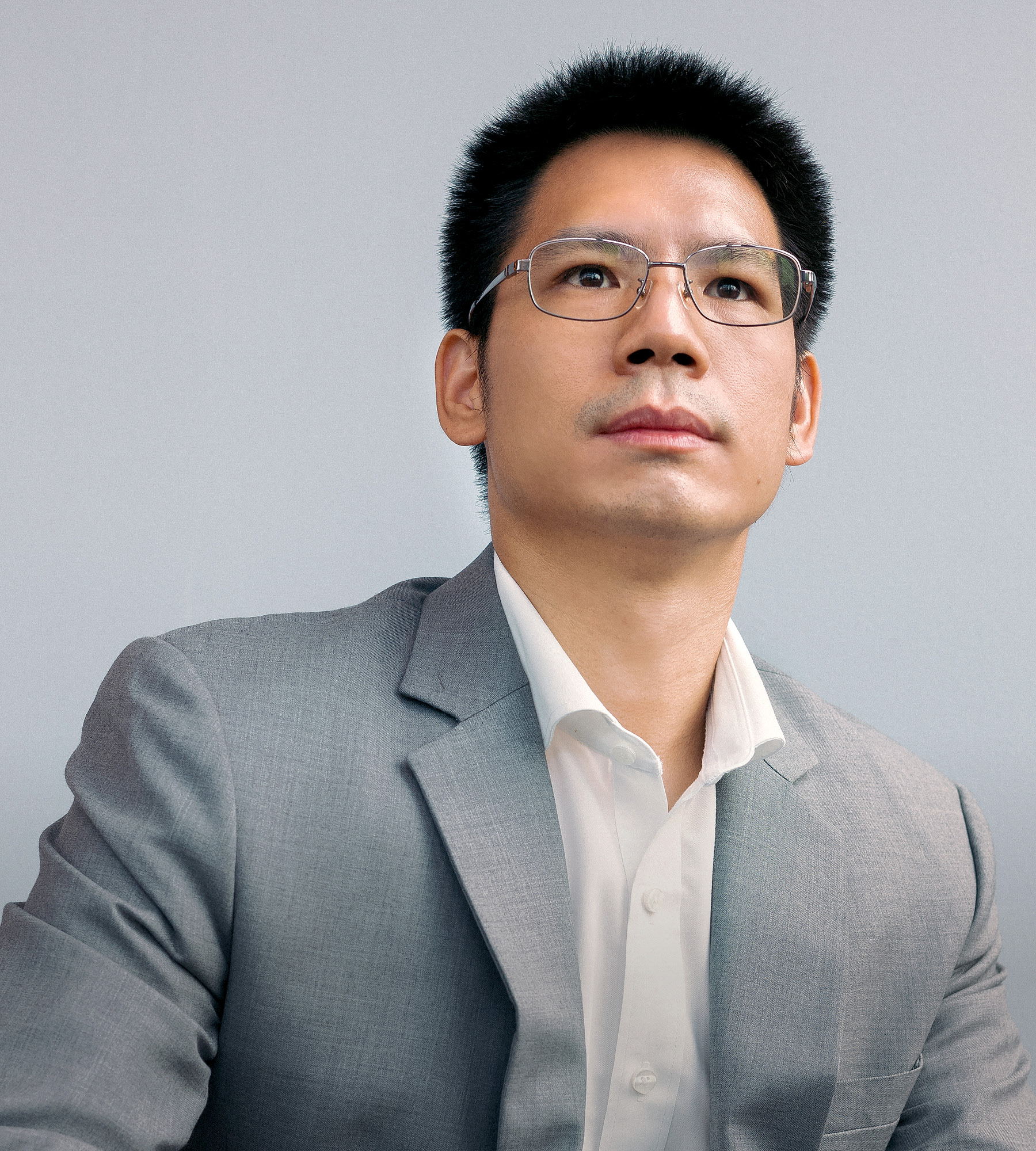
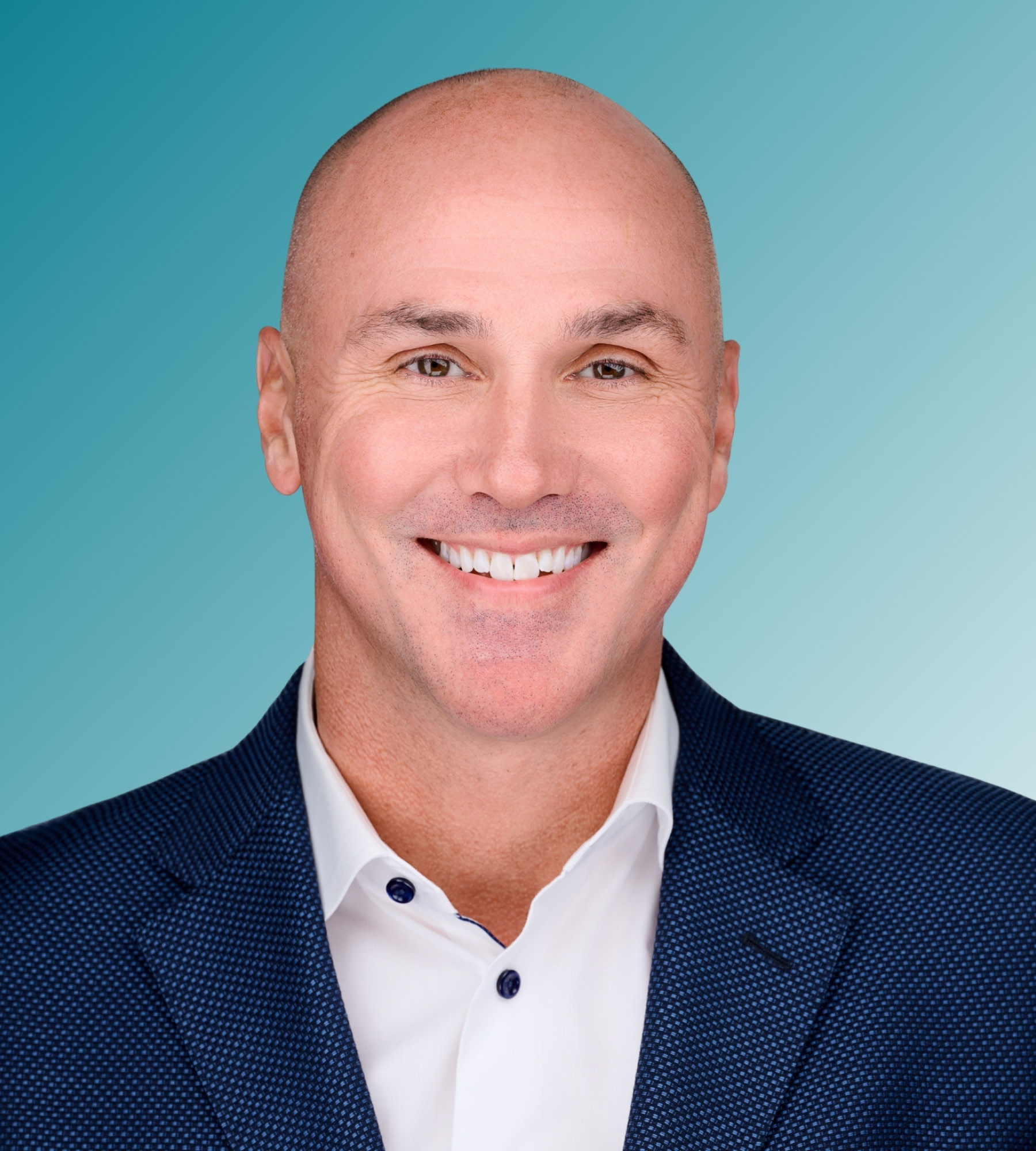
A strong leader is one who has learned when to relinquish control, says Twinchok Tanthuwanit, President of Thai shipping company Regional Container Lines.
“You start realizing that you can’t be Superman and do everything yourself,” he tells The CEO Magazine.
“You need your team to drive, but in order to let them drive, you cannot treat them as people who have no brains. We hired them, we trust in them and I would prefer that they’re smarter than me so that they do the things that I’m not able to.”
“In some markets, we can go in as a feeder; in others, we can go in as a regional carrier.”
Tanthuwanit believes the key to empowering them to do that is clearly communicating leadership goals.
“Leaders must be able to visualize what they want to become and find a realistic way to drive that,” he reflects. “Then that cascades down further to the teams. We need to share this common vision.”
Above all else, by ensuring he listens to his team, Tanthuwanit is able to make the most informed decisions, knowing that he always has the best interests of his employees and the organization at heart.
“You’ve got to be adaptive depending on the situation,” he advises. “When a situation is complex, information comes from many directions, so that is why you need the team to put across as many viewpoints as possible. But in the end, it is my job to pick what we think is best, which is the vision that we then communicate to the team.”
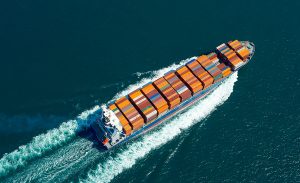
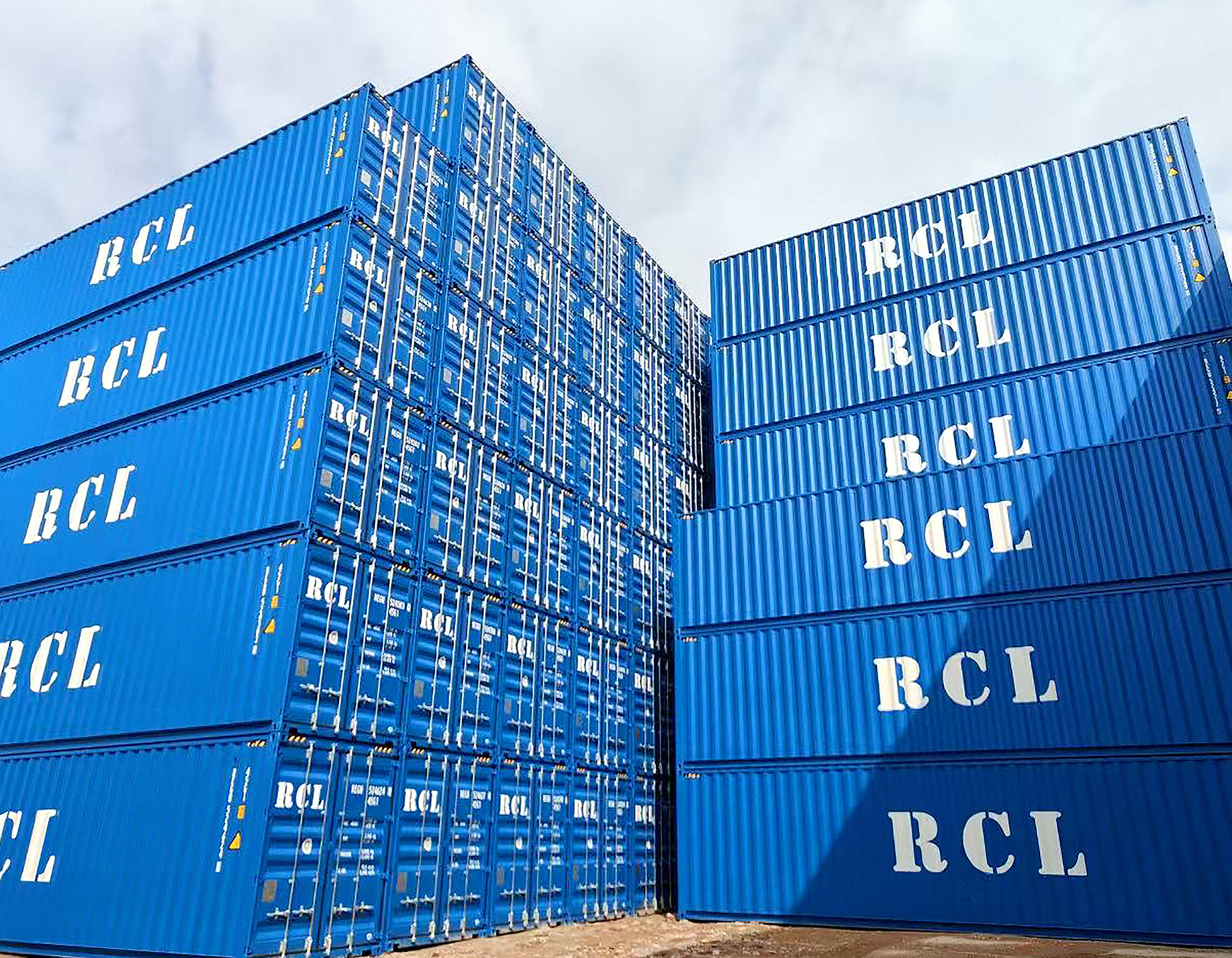
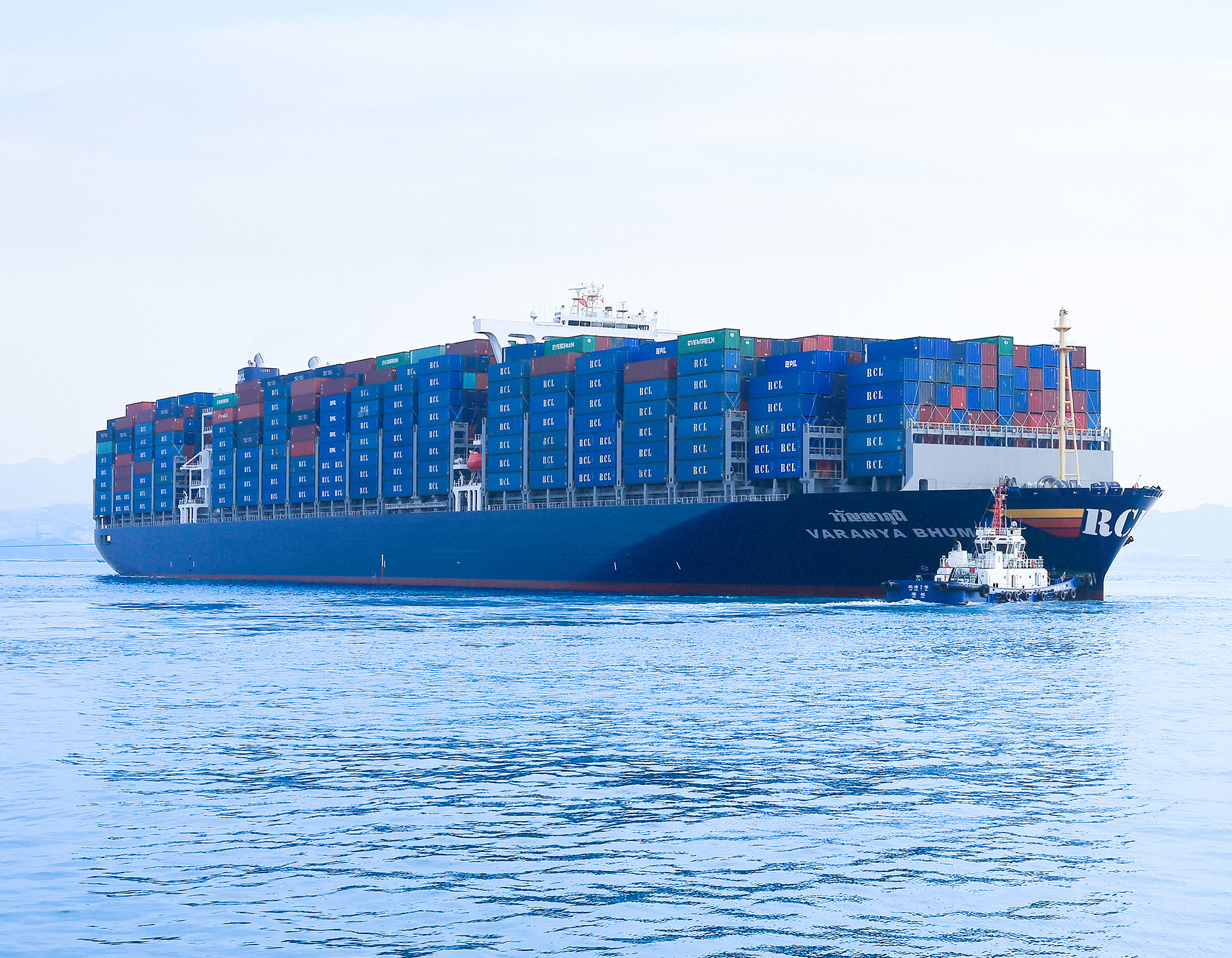
In an impressive evolution from a feeder service provider – launching its first feeder container ship in 1979 – to a hybrid carrier operating 46 ships in multiple markets across Asia, India and the Middle East, Regional Container Lines has expanded both its capabilities and geographic reach to provide an even higher standard and more substantial offering for clients.
“Over the years, we have continued to transform ourselves and to grow,” Tanthuwanit says. “With that change, it has allowed us to be able to do both businesses. In some markets, we can go in as a feeder; in others, we can go in as a regional carrier.
“We can also do both at the same time – we have the expertise. There are not many companies in the world today doing this kind of hybrid.”
With changes in trade flows and cargo patterns potentially leading to more regionalized business, Tanthuwanit is aware he will need to continue adjusting the company’s strategy to meet these new requirements.
“There may be some extra competition, because the infrastructure today was built for globalization. But if we become more regionalized, the infrastructure may not be able to come in some areas,” he explains.
“So there will be a lot of disruption, a lot of uncertainty over the next year or two, which will be unavoidable. But that’s where our ability to adapt and to predict what may happen has to kick in.”
In an increasingly uncertain and volatile time, the shipping industry is facing significant challenges due to the complex global economic and political environment.
“It’s very difficult right now to know what’s going to happen,” Tanthuwanit admits. “And if you don’t do anything at all, you’re also being left behind. We have to be ready for the change of cargo flow, so we have to see that as a multipolar world.
“With each group of countries, you see different camps of the economy, and within those camps, they will trade with each other.”
“We’re always talking about how we can innovate and do things better.”
So by preparing for Regional Container Lines to support those potential new groups and always prioritizing adaptability, there is a certain amount of safeguarding that can be done preemptively.
“Traditionally in the shipping world, people say, ‘You’re so slow, you react very slowly,’ which is true because we are dealing with very big assets,” Tanthuwanit says.
“Managing big assets means you need a tremendous effort to place all the assets so you can do business, but then you’ve got to be fast in getting it done. So it’s a contradiction. However, it means we’re always talking about how we can innovate and do things better.”
By creating long-term partnerships with companies such as Modern Terminals, which provides Regional Container Lines with an essential Hong Kong terminal base, the organization is able to utilize a network of trusted suppliers to help it get from A to B and remain competitive within the market.
“We need to have many partners, because we don’t have a huge scale,” Tanthuwanit says. “Managing partners is one of the key competencies that we need to grow internally.
“It’s about looking at how we can achieve win–win situations, and how we can present our values to partners so that we can get the best out of each other and leverage each other’s strengths to grow together.”
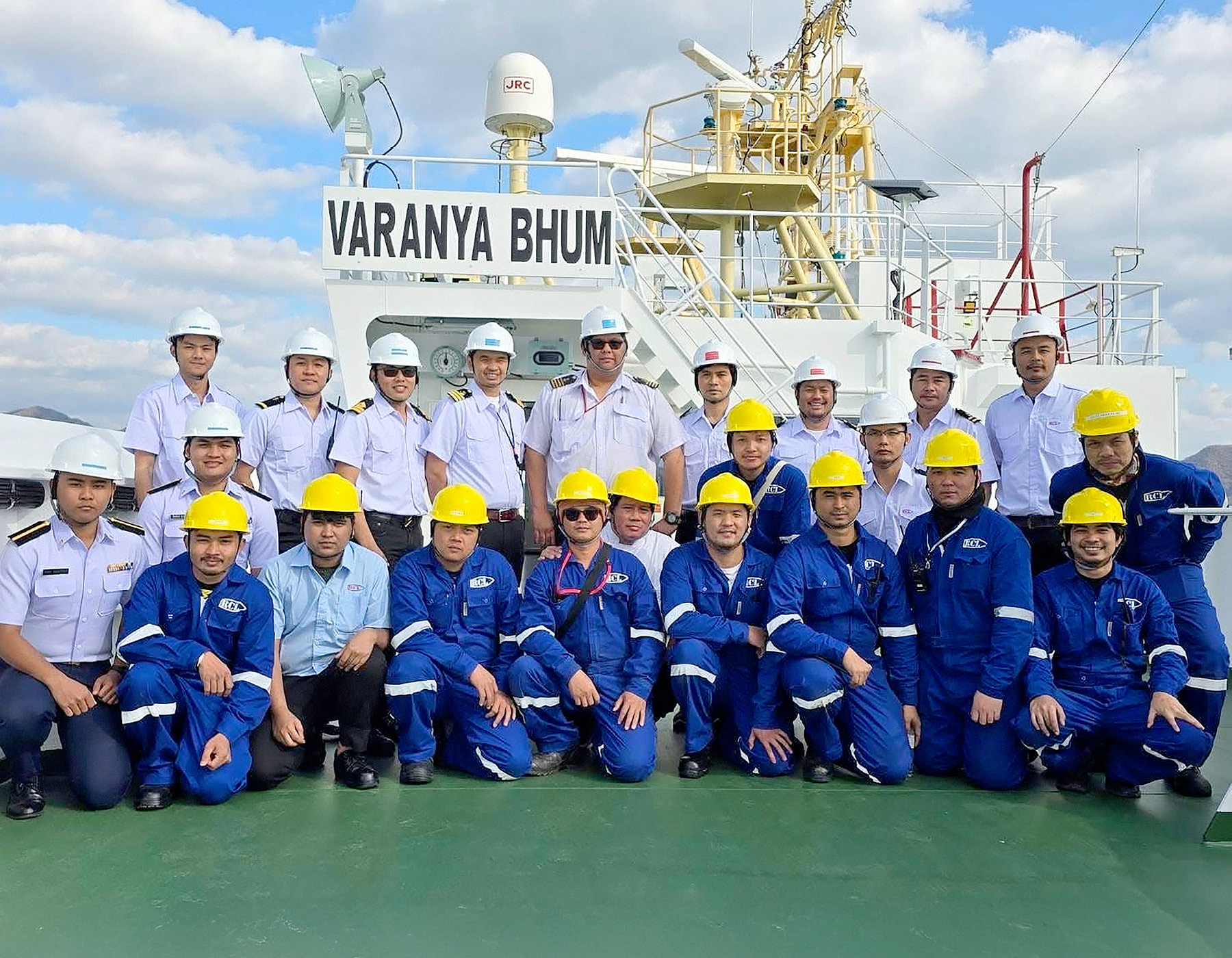
“You need to stick together, particularly during this difficult time. It’s better to face challenges with a group of people.”
Ultimately, Tanthuwanit maintains that all of these businesses have the best possible chances of success and of weathering these complicated geopolitical storms by banding together, innovating and remaining agile.
“In order for us to maintain these kinds of good relationships, we also have to continue making ourselves attractive and relevant to our partners,” he says.
“You need to stick together, particularly during this difficult time. It’s better to face challenges with a group of people. You have a higher chance of survival than if you go on your own.”
 RELATED ARTICLES


 Home
Home
 Podcasts
 Covers
 Be Featured
 Community