Language
You can read the magazine in one of the following languages

5-min read

 Bookmark now

 Copy Link
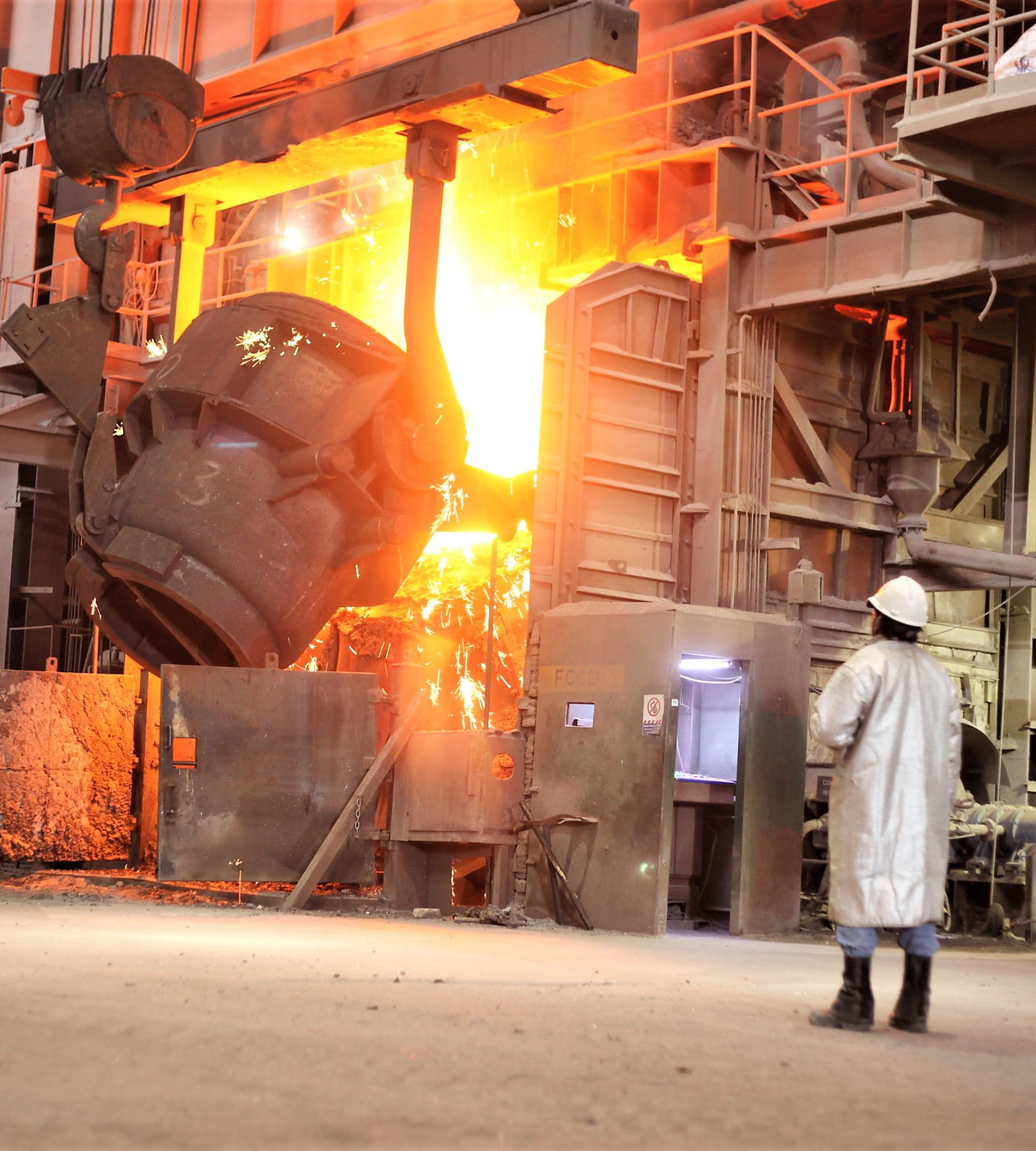
There’s no overstating the importance of steel in the Indian economic landscape. From production to consumption, India’s love affair with the world’s greatest alloy has driven the nation to become the second-largest producer of crude steel globally. At the moment, India is still import-dependent when it comes to steel, which presents golden opportunities.
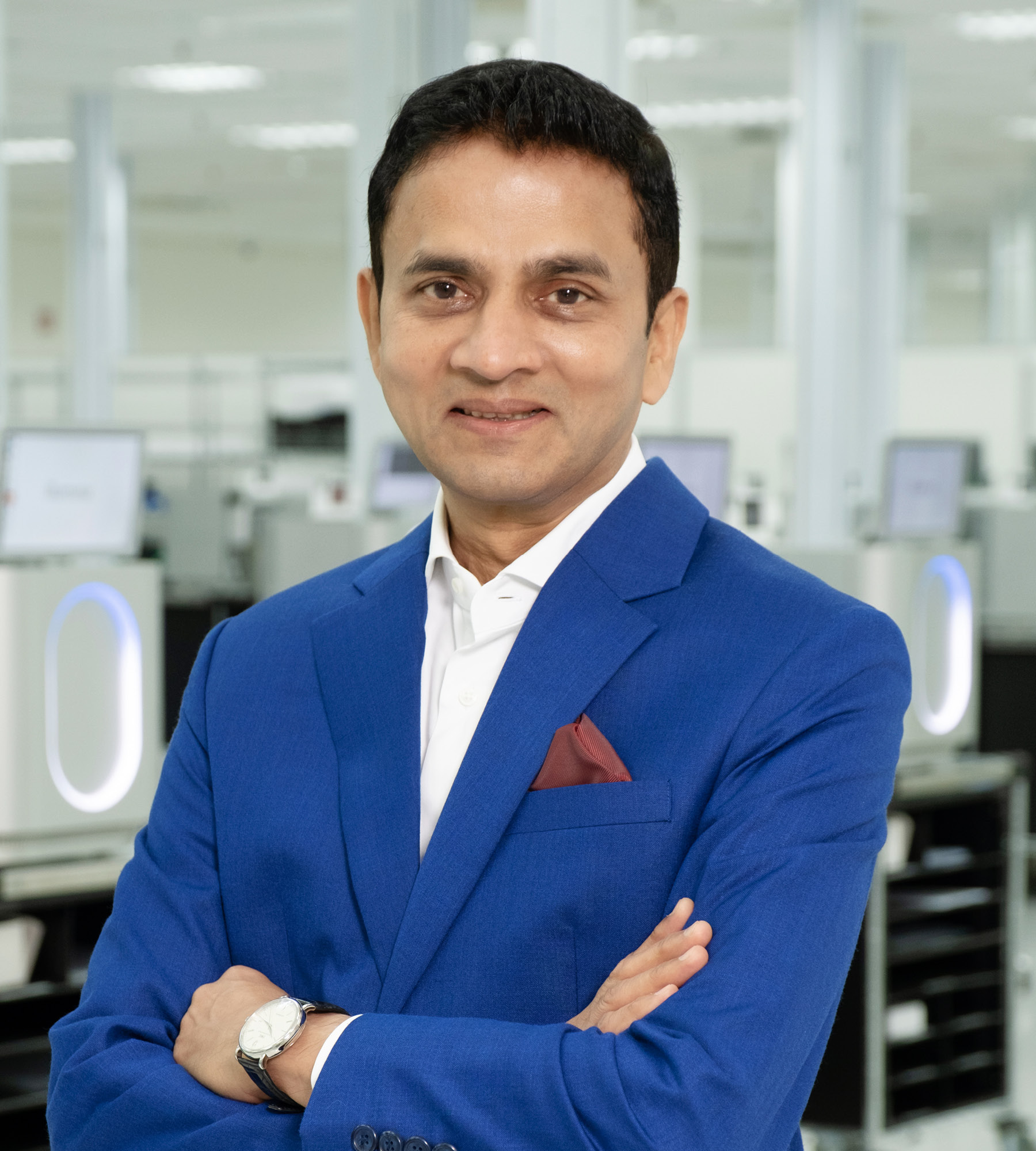
Just ask the leading producer of alloy steel, Arjas Steel, whose CEO, Pasupuleti Anand, believes the potential for growth is astronomical. However, as he tells The CEO Magazine, it can only come from a team effort.
“There must be a strong collaboration between the steel manufacturers, original equipment manufacturers and the wide ecosystem of ancillaries,” he says. “That’s the way to develop the right environment for exponential growth. If we want to get to 300 million metric tons by 2030, partnerships must exist.”
“Specialized products drive the growth and the equity engine of the country.”
Anand believes that, contrary to popular belief, competition is a hindrance to growth.
“We cannot compete against one another as much as we compete against time to enable the country to grow to a place where we can achieve our goals,” he says.
“If you look at the United States in the early 1930s, it was all about steel and oil; it was the same in the United Kingdom. Countries grow when steel grows.”
It’s not simply a case of a commodity, either. Arjas Steel specializes in producing carbon, alloy and micro-alloy steels for industries such as automotive, defense and rail, and it’s these specialized products, Anand says, that are the backbone of a country forged in steel.
“Specialized products drive the growth and the equity engine of the country,” he explains.
“Import substitution is a key strategic need for the country. Arjas Steel supplies steel to various critical applications across a wide range of segments.”
Anand believes it doesn’t have to be that way. With the right mindset and a shift from production to R&D innovation and a sharp focus on the customer, a new dawn for India is within reach.
Last year, Anand – a 30-year veteran of India’s steel sector – was an executive at one of India’s steel giants, when the opportunity came up to shift into something new.
“A little over six months ago, Arjas Steel, which was earlier Gerdau Steel, an American steel company, changed hands through a private equity firm to Sandur Group of companies, which is one of India’s largest mining companies,” he reveals.
“Sandur Group has a long and rich legacy of service and commitment to its customers and to corporate social responsibility.”
These attracted Anand, as did the company’s engaged and experienced board. But it was the aspirational reach of the company that ultimately sealed the deal.
“It’s a reasonably large company, and there was a very strong need for integration of Arjas into the Sandur fold,” he recalls. “I saw creating the synergy between a mining company and a steel company as an opportunity.”
Anand’s customer-centric experience was a gift at such a time.
“The outcomes have been extremely favorable,” he says. “We now have the strong foundation, the need, the capacity, the hunger and the right to double capacity, and we’re in a mix of several strategic moves to reach that aspiration.”
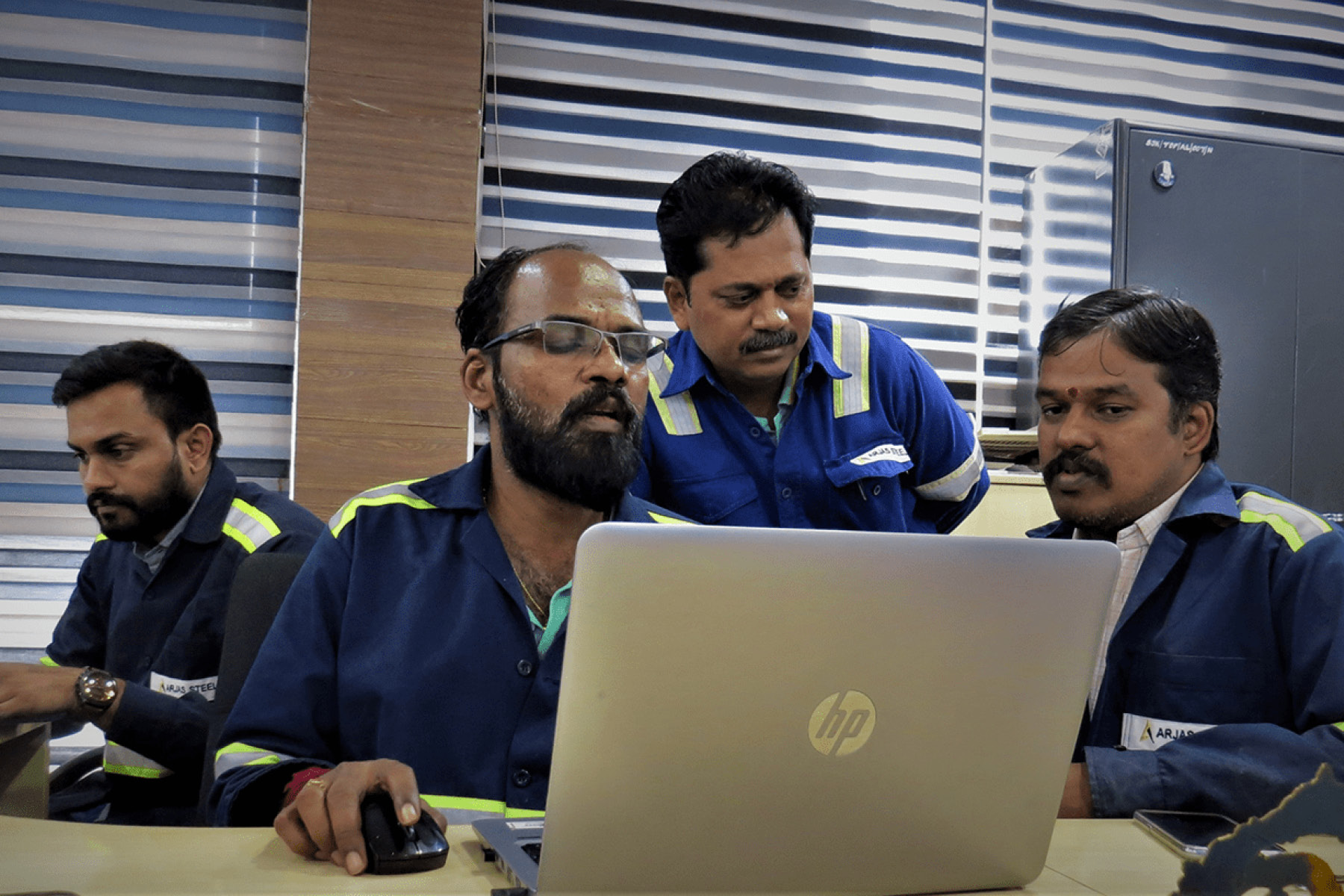
“I saw creating the synergy between a mining company and a steel company as an opportunity.”
Arjas’ secret weapons, according to Anand, are its cutting-edge technology when it comes to the steel-making process, as well as its strong customer relationships, reinforced by Sandur Group’s commitment to growth and leadership.
“Arjas produces specialty steels which find application in the automotive, railway and wind energy sectors, and various other segments,” he says.
“There is a huge scope in curating the agenda for tomorrow. It was a small portfolio here, but a significant one, and the onus is on me to drive the growth and aspirations of Arjas.”
Chief among his strategies, he says, is making his team eligible for success.
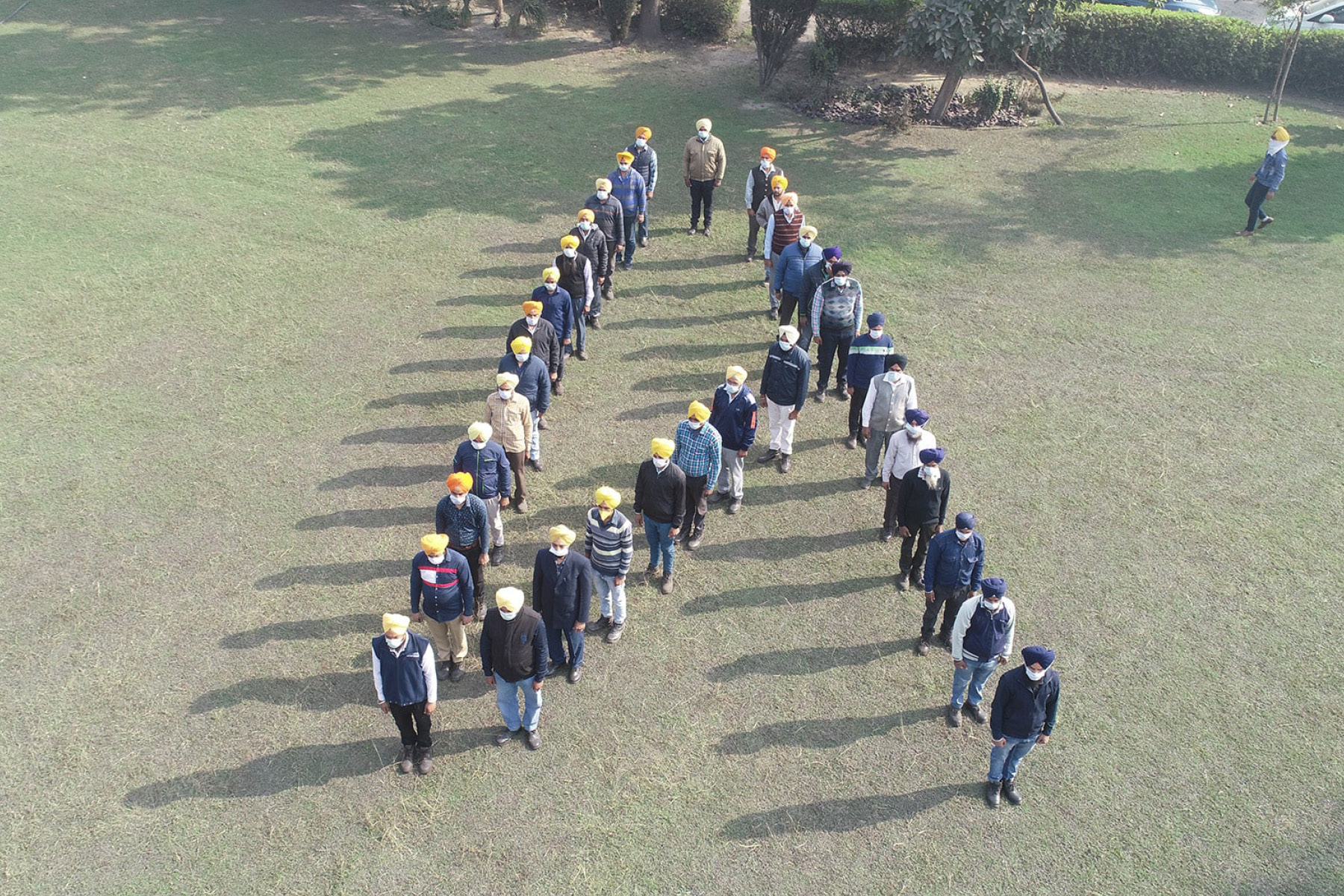
“This is an process-driven and customer-focused company, and the impact of the Sandur legacy upon it has made it even more formidable,” he points out. “We focus on education and community support, and we focus on results, which is the cornerstone of success.
“There is no success if you do not make your business more viable than it was yesterday.”
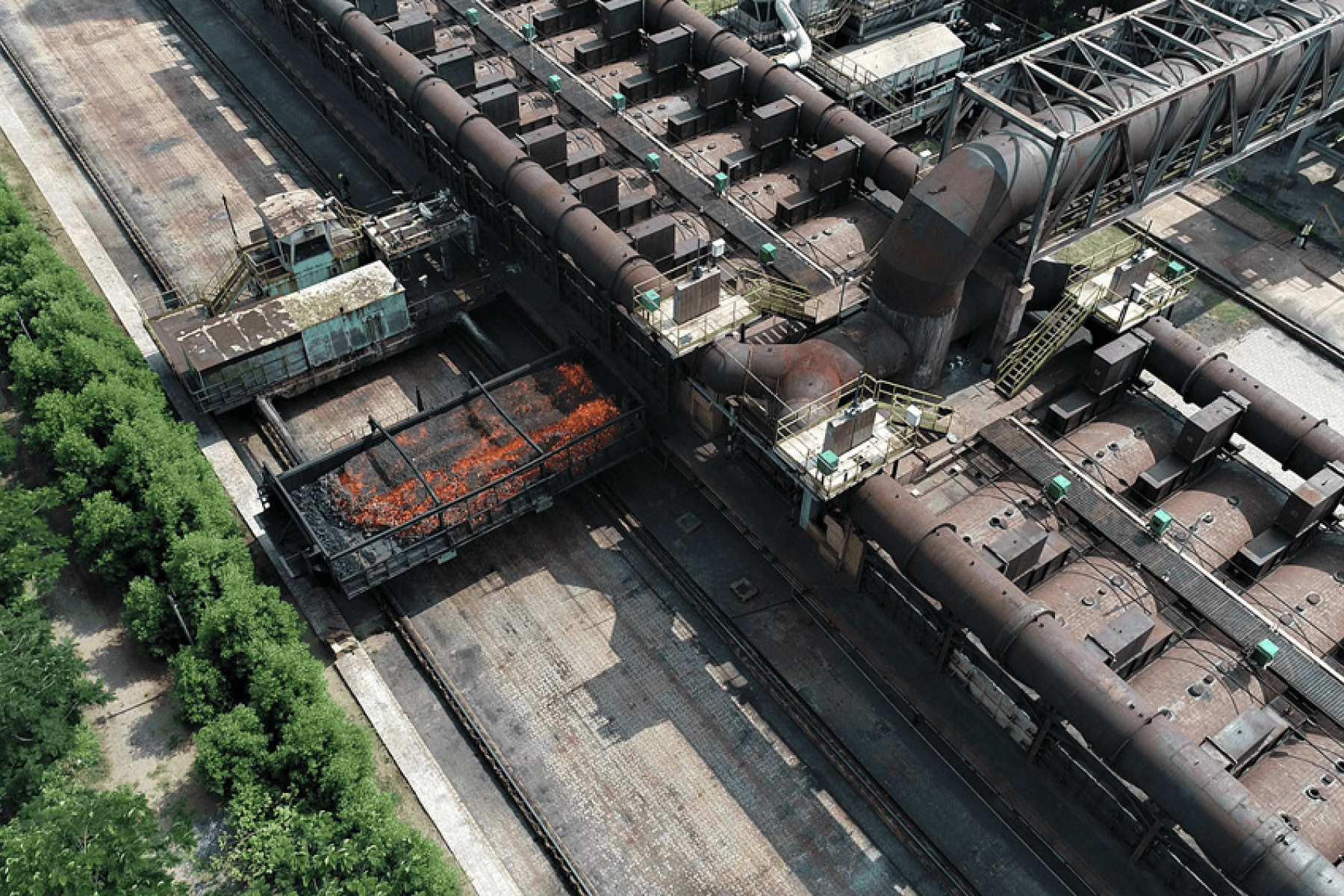
“There is no success if you do not make your business more viable than it was yesterday.”
Aiding that viability is Arjas’ suite of key partners and stakeholders, including KOCKS, Tenova and Danieli.
“Successful, sustainable companies have a strong ecosystem of partnerships,” Anand says. “You partner with vendors, customers and suppliers and always for the long term.
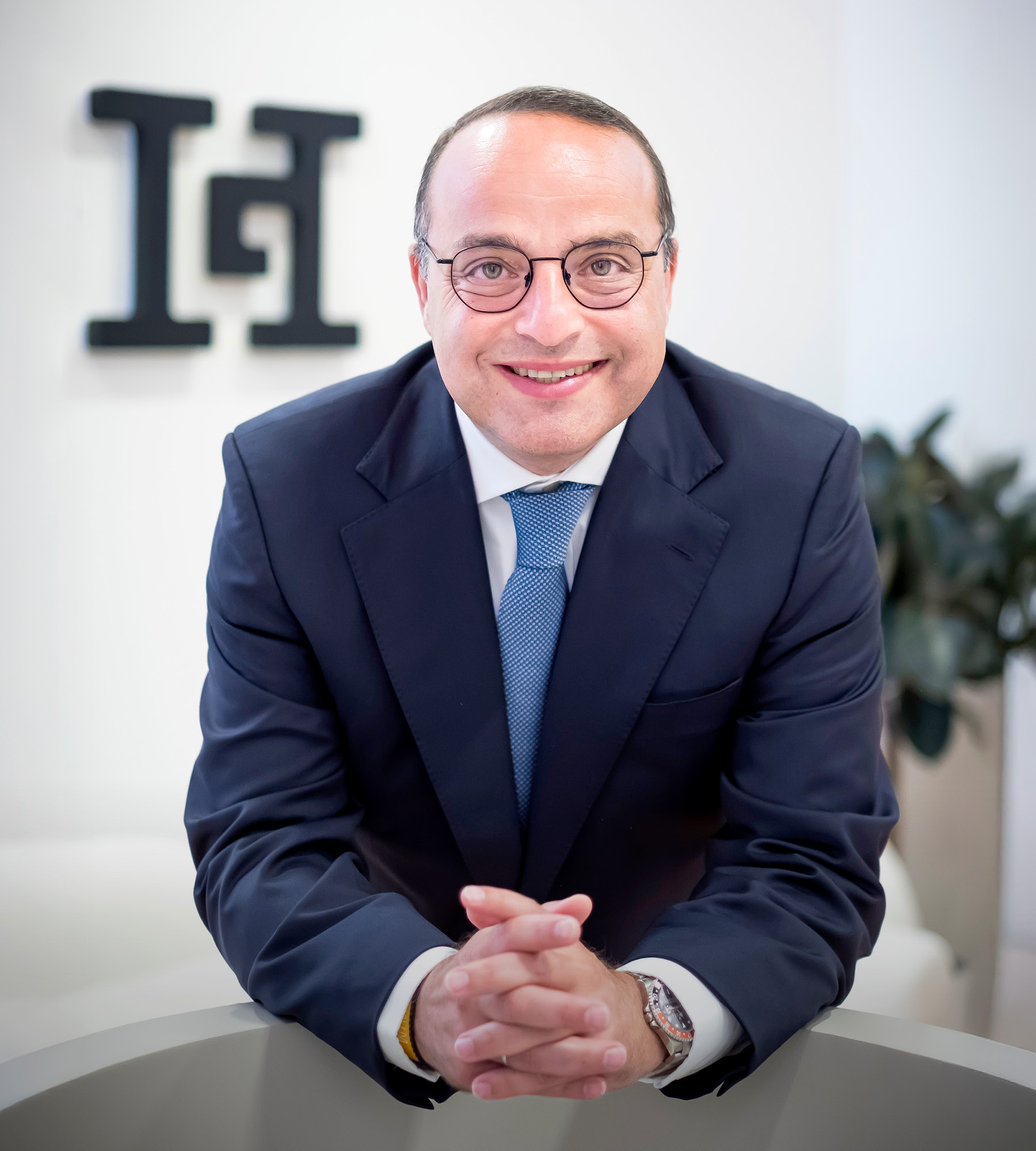
“We’re currently doing business with Danieli, one of the world’s largest equipment suppliers. Danieli Group is renowned for enabling large-scale mega companies, but they’re also enabling mid-sized companies like us to become mega companies.”
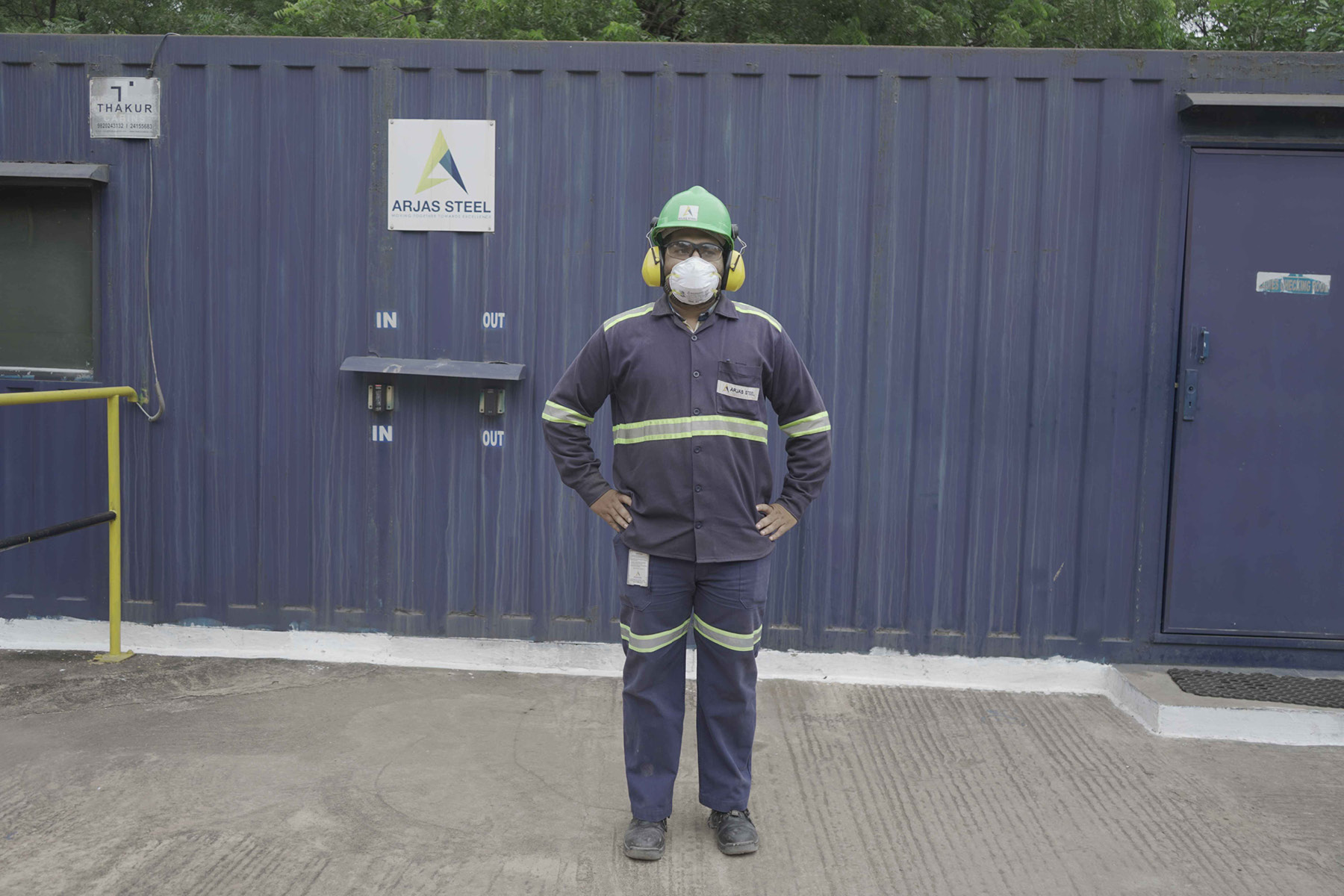
“Countries grow when steel grows.”
When an operational problem with a component provided by Danieli arose, Danieli immediately sent its design engineers from Italy, transported the component to the factory in SriCity for repair, and provided technical supervision to make the mill operational.
“At no cost, they fixed the problem. I don’t know how much it would have cost, but it’s working fine,” Anand says. “That shows the level of commitment we have, the strength of our relationship. That’s the kind of collaboration that’s necessary to thrive. Danieli is a strategic partner to Arjas Steel.”
Anand notes that it will be this kind of collaboration that drives the future of the steel industry in the country.
“I recently returned from an overseas trip, where I undertook a tour of steel plants. They’re all massive, mega steel plants, and they’re so big because they all worked together. There’s so much synergy between the steel-maker, the consumer and the supply chain that links the two,” he says.
“That synergy can come across only when we all think in an aligned manner rather than in competition. So if demand grows, the value chain won’t just grow with it; it will exceed.”
 RELATED ARTICLES


 Home
Home
 Podcasts
 Covers
 Be Featured
 Community