Language
You can read the magazine in one of the following languages
4-min read

 Bookmark now

 Copy Link
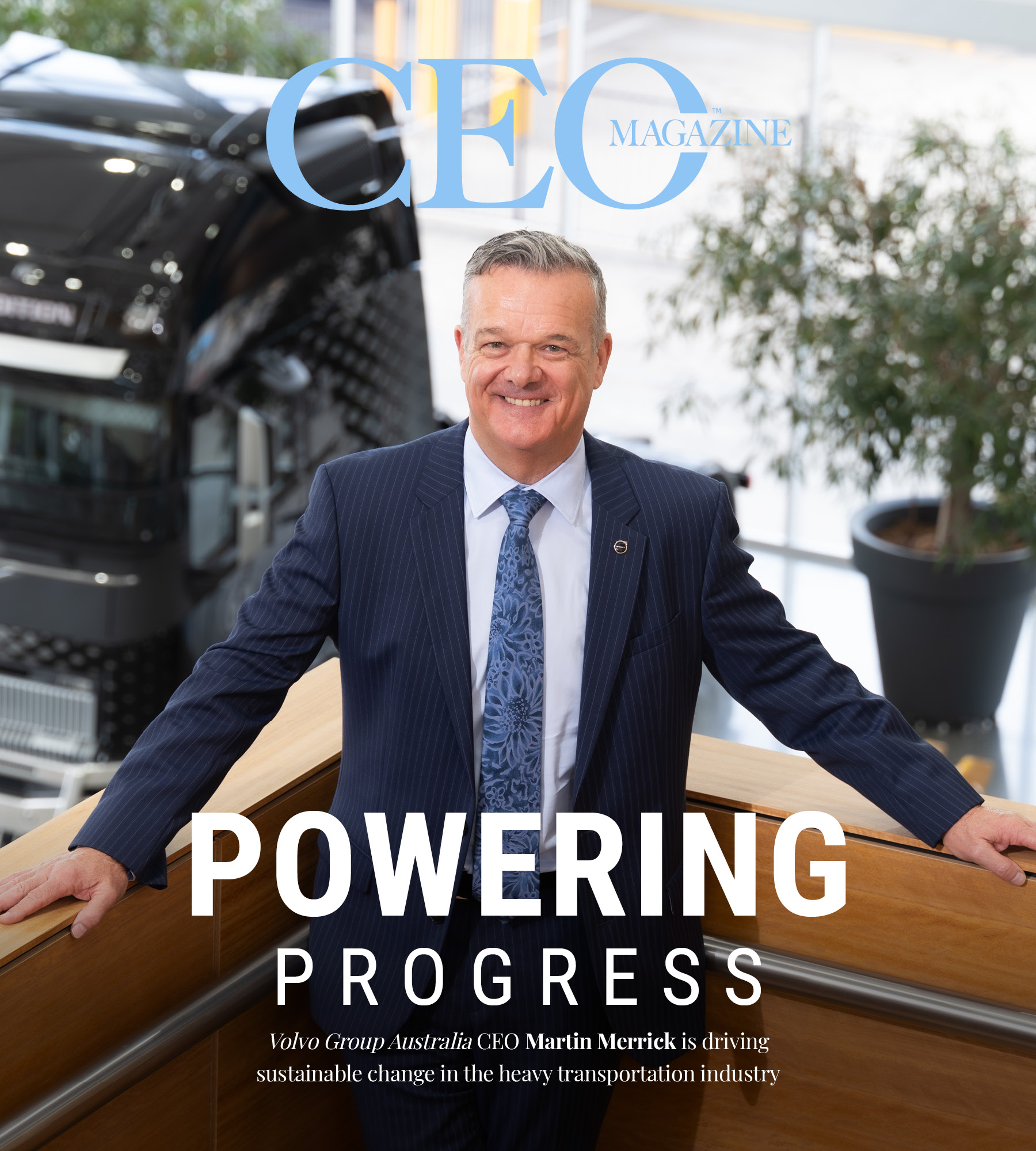
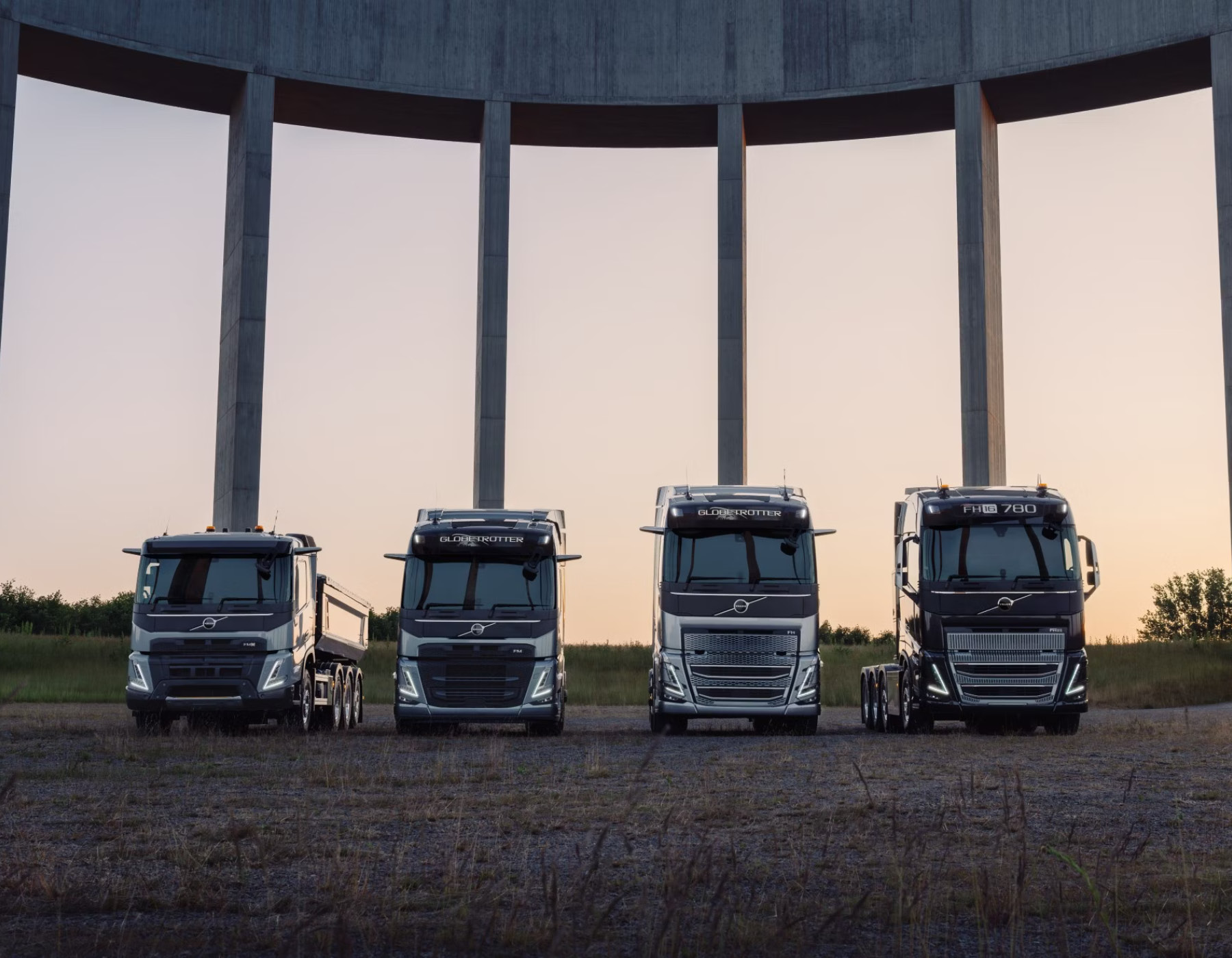
When Martin Merrick talks about Volvo Group Australia – the force behind the manufacturing, distribution and operation of iconic brands, such as Volvo Trucks, Mack Trucks, UD Trucks, Volvo Bus, Volvo Penta, Volvo Construction Equipment and Volvo Financial Services – it’s clear there’s more to the Group than vehicles rolling off a production line.
He details a transformation that spans technology, people, policy and purpose – all moving toward a lower-emissions future while strengthening Australian manufacturing.
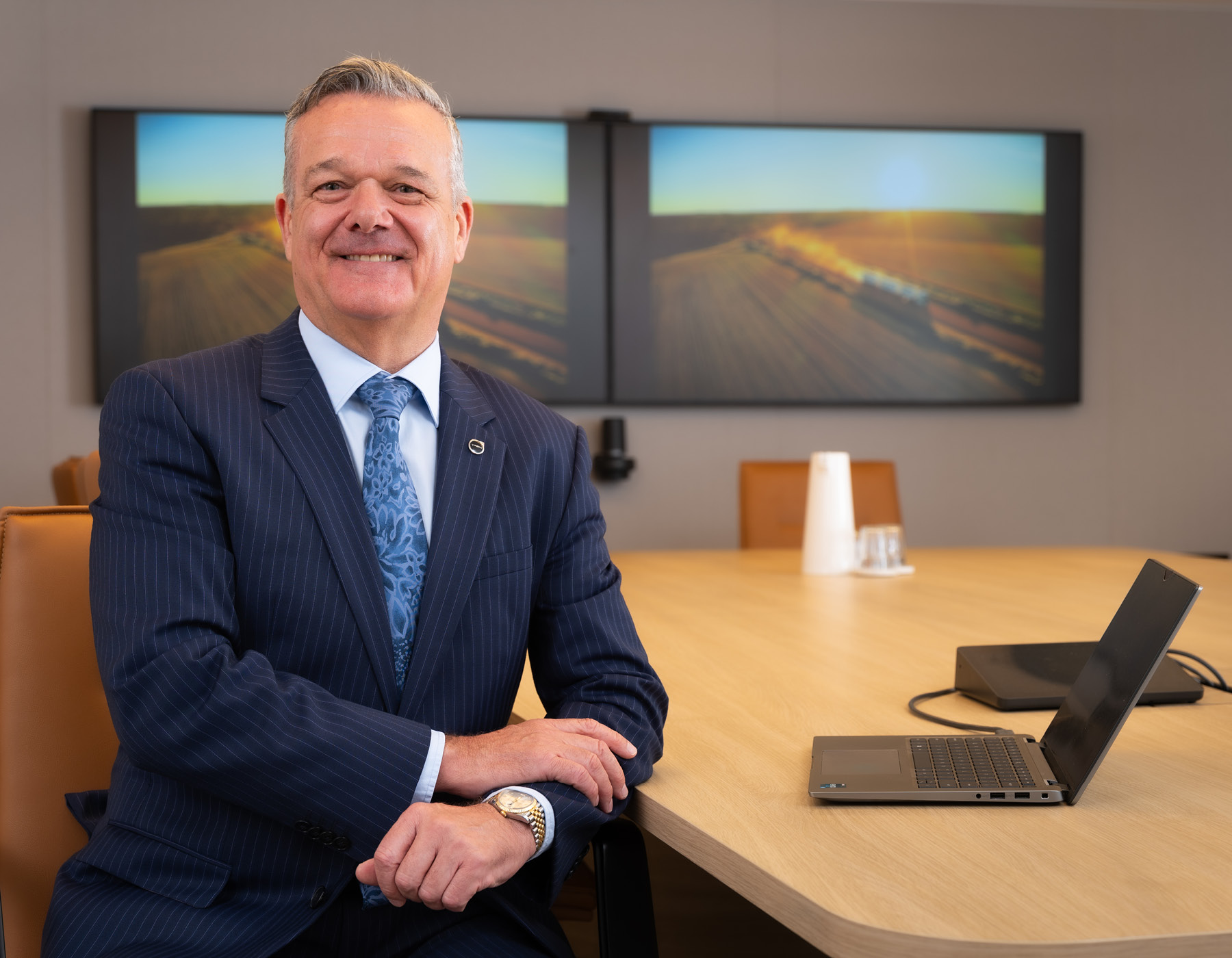
Since stepping into the role of CEO seven years ago, Merrick, whom we last spoke to in 2020, has guided the business through the COVID-19 pandemic and into one of the most significant transitions the heavy transport sector has ever seen.

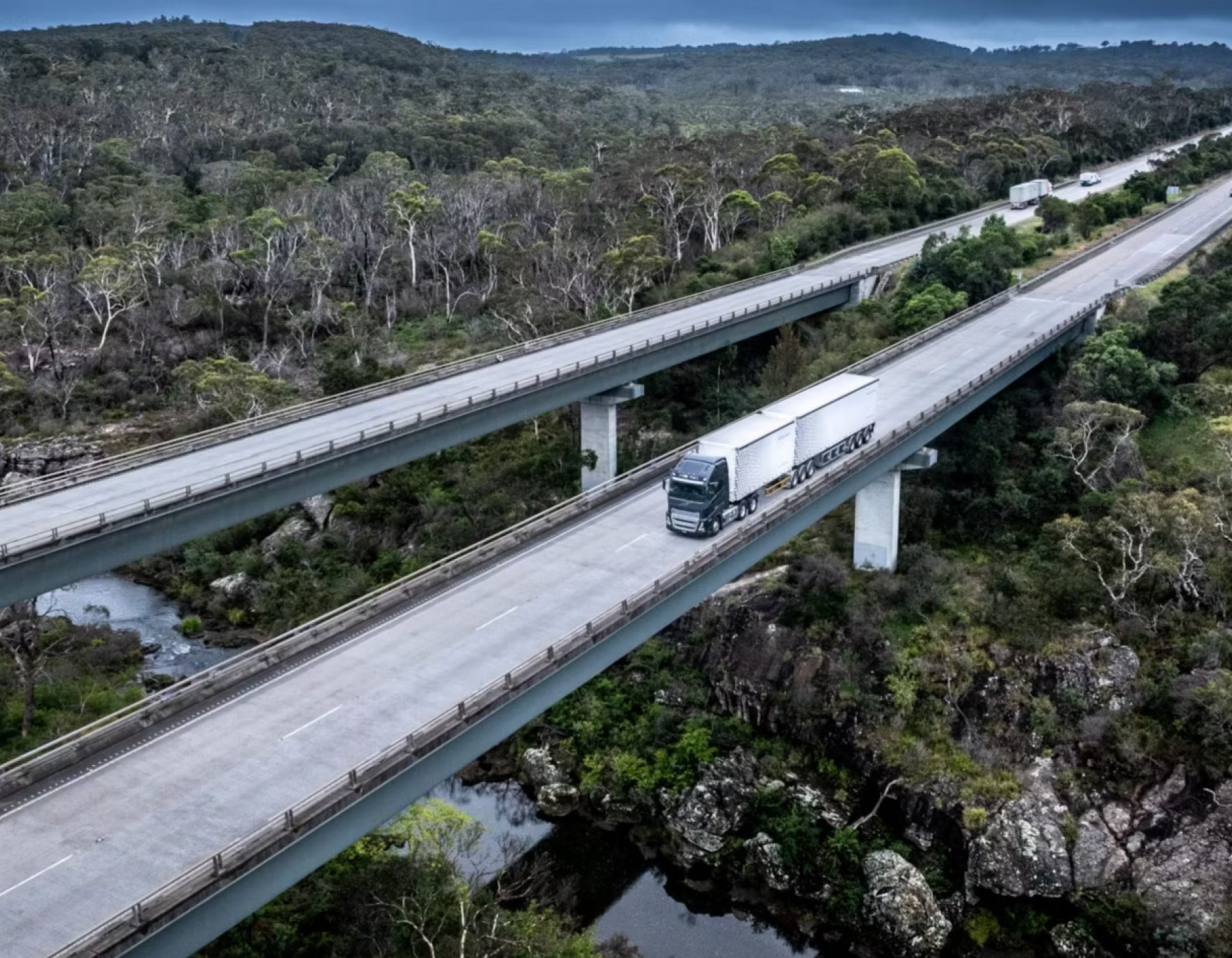
In the process, Volvo Group Australia has shown that decarbonization is not a distant ambition but a practical and scalable reality – even in Australia, where the conditions make trucks work harder than arguably anywhere else in the world.
The way he explains it, progress has come from years of steady investment and alignment across partners who share the same ambition.
“What we’ve achieved here in Australia since our last feature, not just for Volvo Group but for the industry, has been fantastic,” he tells The CEO Magazine.
Merrick knows there’s no single solution to decarbonizing heavy transport, but there are clear pathways forward.
“We’ve worked with the government at all levels to get electric vehicles – heavy-duty battery electric vehicles – on the road,” he explains.
But the plan is deliberately multi-layered. Volvo Group Australia is introducing electric vehicles while also investing in alternative fuels, including renewable hydrogenated vegetable oil (HVO100), and preparing for fuel-cell technologies.
“What we’ve invested in on the technology and the building of electric vehicles here next year at the factory marks a significant step forward,” Merrick reveals.
In fact, since 2024, every locally produced Volvo and Mack truck leaving the Wacol factory has been filled with HVO as its first fuel, showing that meaningful emissions reductions can happen today – without compromising performance.
“We’re deeply committed to decarbonizing the sector, and what we’ve accomplished within the local value chain has been incredibly rewarding,” he says.
For Merrick – and Volvo Group Australia as a whole – sustainability is much more than a box to tick or a marketing pillar.
“The higher purpose of our organization is to shape the world we want to live in,” he says.

“That could be platitudes, and it could be seen as just a nice slide in a deck, but we are actually investing in this more than ever before.”
Beyond the trucks being built inside the Wacol production facility in Brisbane, this purpose influences which suppliers are chosen, which partnerships are built and how teams across the country collaborate.

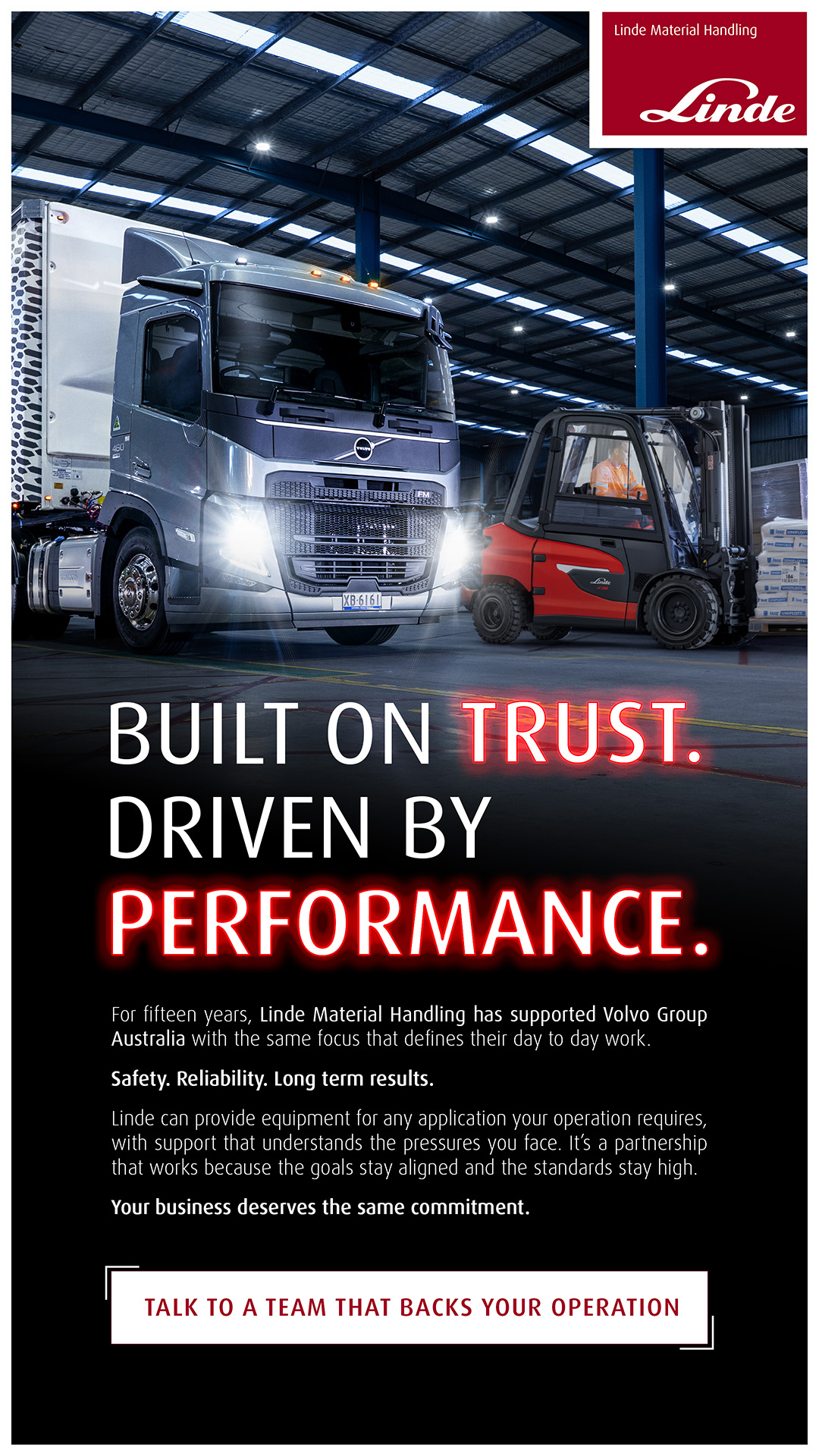
“We have shared values and that makes them want to work with us in Australia,” Merrick says, pointing to partners like Comtech Industries, Nelson Global and Linde Material Handling.
“And when we work together, we’re not just building and selling trucks; we’re making a difference to society as a whole.”
This ethos can be traced back to the 1960s and to one man in particular: Max Winkless.
“He started Volvo in Australia 60 years ago,” Merrick explains. “Without him, we wouldn’t have a factory.”

Winkless was instrumental in bringing the first Volvo trucks to Australia and championed the establishment of a local manufacturing base, supported by major dealerships in every capital city. In the late 1970s, he stepped away from Volvo to found Truck Centre in Western Australia – but he remained closely connected to Volvo Group Australia as a private partner.
Decades later, Merrick shares the story has come back to where it began.
“This year, we bought the business back,” he says. “We’ve come full circle.”
Thinking about Volvo Group Australia’s sustained success, Merrick credits it not to the technology and infrastructure, but to all 1,600 of its employees.
“If we didn’t have the passionate, committed people that we do, then we wouldn’t be here,” he acknowledges.
“We’ve been able to create an environment that brings out the best in people. Where they’re happy to have an opportunity to be a part of what we’ve created here.”
At Volvo Group Australia, it’s not uncommon for people to spend decades with the business. One story Merrick proudly shares is that of Christine Bonser, who recently celebrated 45 years of service.
“She started off as a parts trainee, became a parts manager and then became our TWCA Director. It’s incredible,” he says.
After almost four decades with Volvo globally – starting as an apprentice truck mechanic and rising the ranks in England, Scotland, Sweden and finally, Australia in 2018 – Merrick could easily have uprooted for another adventure. Instead, he chooses to stay.
“Normally, in my role, you’d spend five years and then move somewhere else. But I’m happy here. I’m now a permanent resident in Australia, and this year, I’ve decided to sign a local contract,” he confirms.
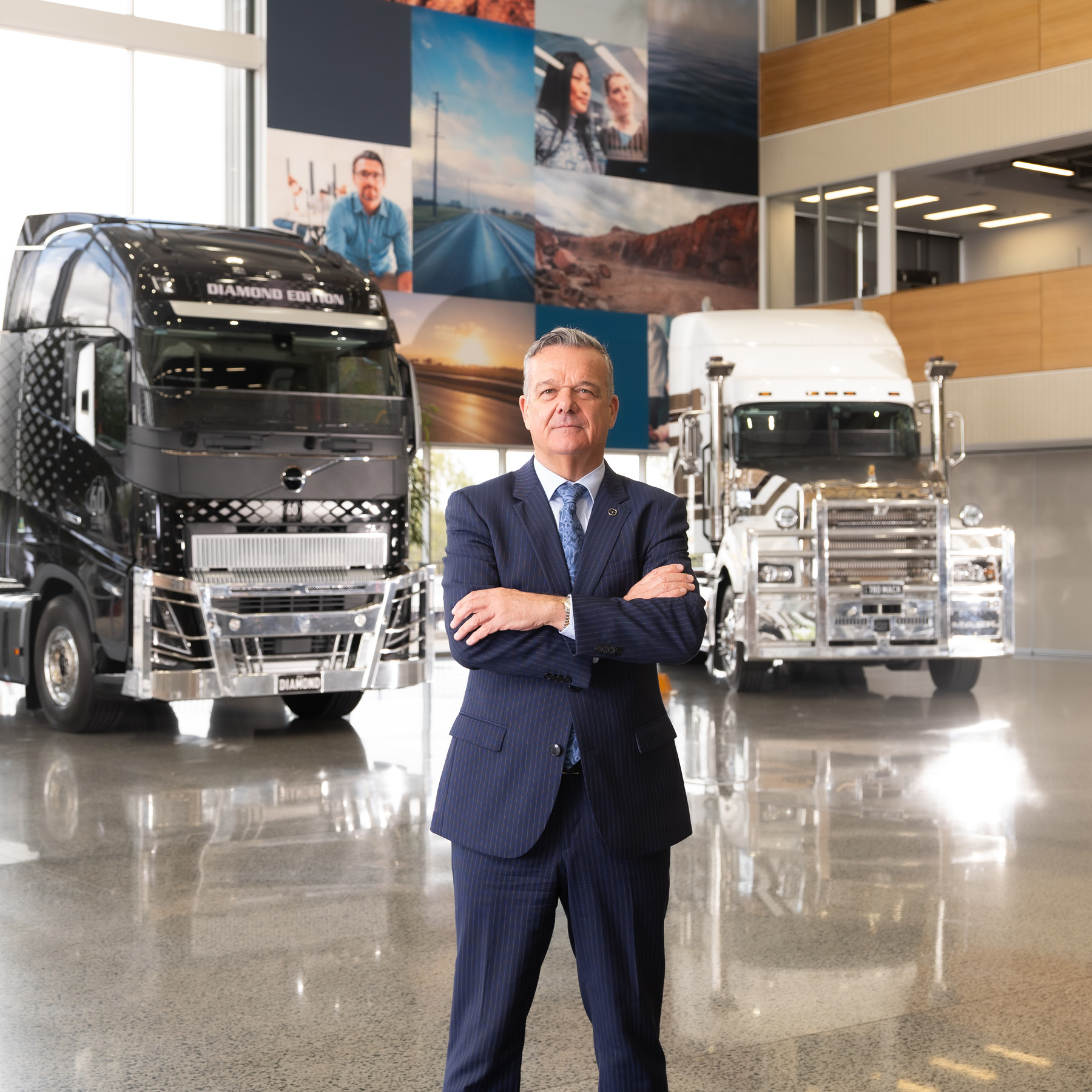

His decision mirrors the company’s commitment to continued local manufacturing, capability building and deep investment in the country’s industrial future.
“It’s super exciting times that we find ourselves in,” he says. “We’re investing more than ever before. We’re investing in technology, the local value chain and in people.”
 RELATED ARTICLES


 Home
Home
 Podcasts
 Covers
 Be Featured
 Community