Language
You can read the magazine in one of the following languages

4-min read

 Bookmark now

 Copy Link
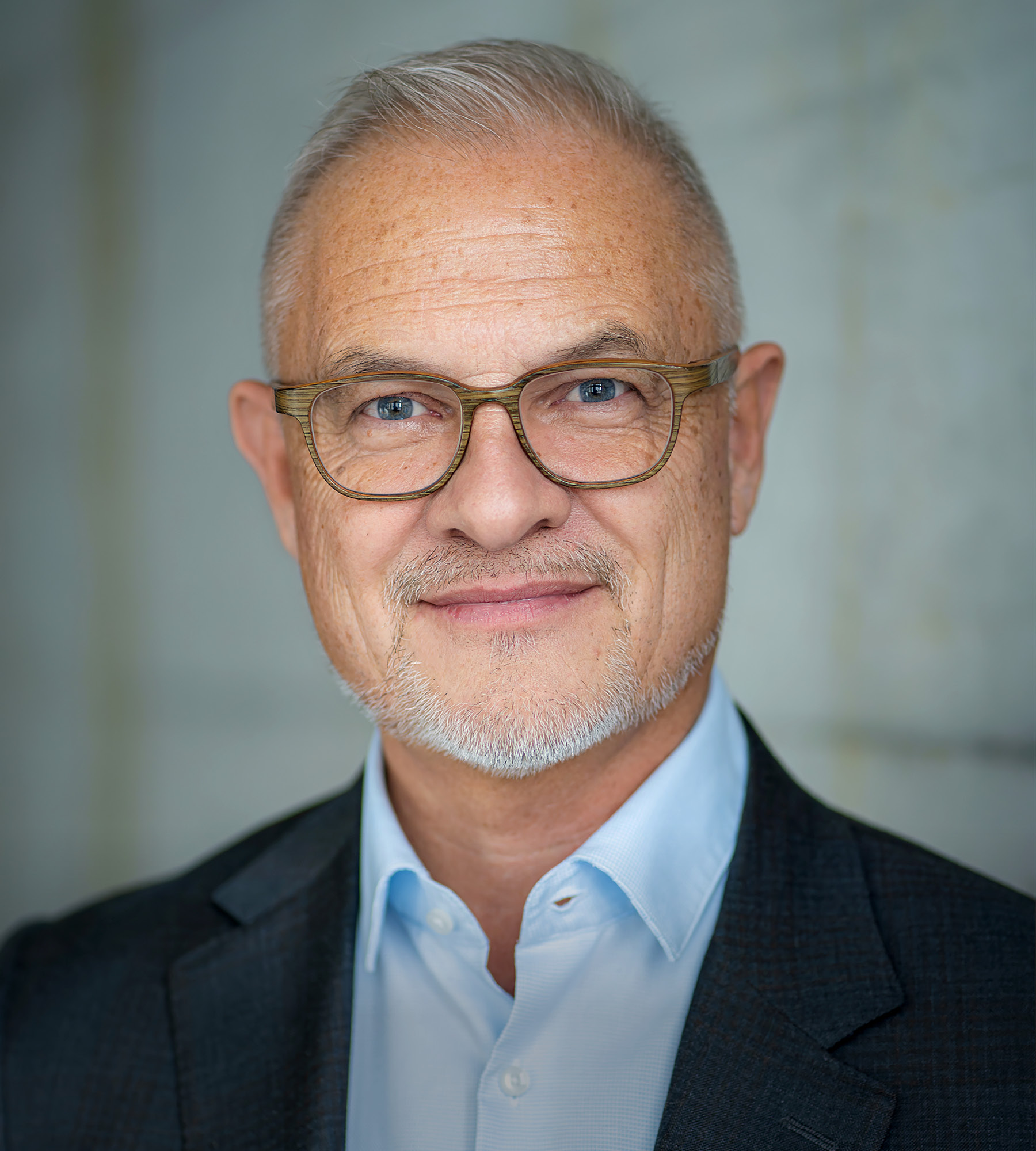
It’s an occupation most people only dream of, but Peter Braun can actually claim to be a rocket scientist.
“I started off doing aeronautical engineering in Berlin,” he tells The CEO Magazine.
It was a career path that opened the doors at the likes of Airbus and Daimler Group. It didn’t take long, however, for him to realize that big conglomerates weren’t for him.
“There was too much politics and too little customer contact,” he reflects.
Life as an entrepreneur beckoned instead, and the lessons were quick to flow. After founding and selling a telematics business, he moved into the battery space, innovating the first intelligent battery featuring an onboard chip with the likes of BASF, Massachusetts Institute of Technology and Texas Instruments.

“It stands for phenomenal energy – and that’s exactly what I’m dedicated to these days.”
After listing the company on the Nasdaq, Braun spent a decade traveling the globe, with South Korea proving a particular magnet for its manufacturing capabilities. Venture capitalism and angel investing followed, with a passionate focus on impact investments.
In 2019, he felt the pull toward the startup world again, co-founding cleantech company PHENOGY in Lucerne, Switzerland.
“It stands for phenomenal energy – and that’s exactly what I’m dedicated to these days,” he says.
Specializing in sustainable energy storage systems, PHENOGY’s growth has been rapid. In 2025, it opened its United States headquarters in Columbia, South Carolina to drive expansion across the pond.
After supporting sustainable initiatives through his angel investment, Braun explains that the opportunity to make a real impact in an area of great demand – energy storage – is what motivated him.
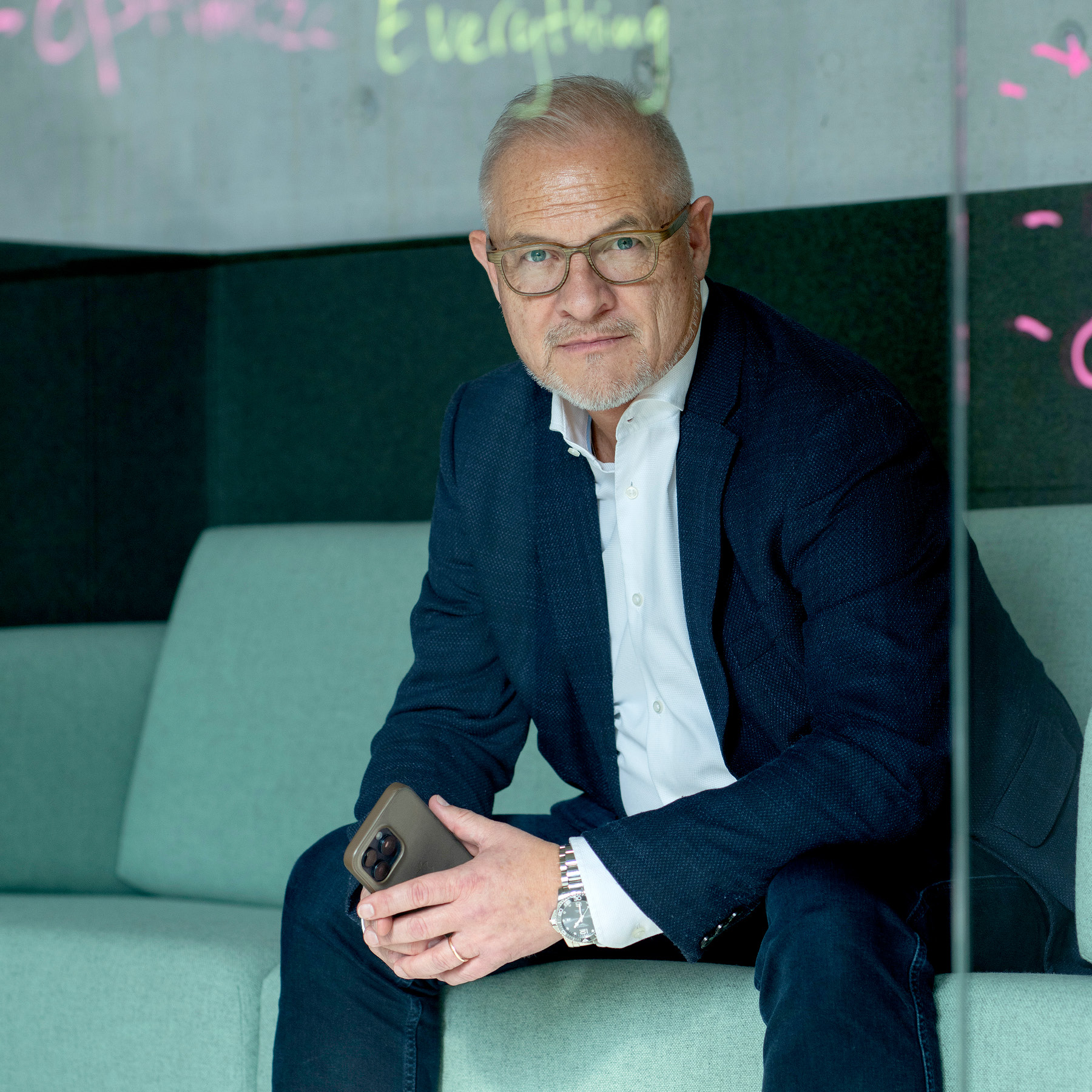
“Our idea is to eventually replace lithium applications with sodium.”
An early turning point was the decision not to enter the lithium race, instead turning to sodium-ion as an alternative, as well as other technologies such as solid-state or quasi-solid-state electrolytes and metal-based components like magnesium, magnesium air, aluminum air and nickel-zinc.
“In this field, it’s about raw materials that are not geopolitically compromised nor rare, but are widely available and evenly distributed, like salt and zinc, which is mined in 58 countries,” he says.
As part of the sustainable lens, the other question was how the company could decentralize to globalize.
“It doesn’t make sense to have gigafactories in one location and then ship raw materials from around the globe to manufacture cells and then ship them back around the world,” he adds.
Sodium ion is not a new technology.
“It’s about as old as lithium, but it was not pursued that much because the energy density of lithium is higher,” Braun explains.
However, lithium isn’t the magic pill: not only can it release its energy density in an unwanted way, but its mining leaves a big impact on the environment.
“Our idea is to eventually replace lithium applications with sodium,” he reveals.

“Many of the people working today at PHENOGY had big corporate careers, but they became frustrated because they couldn’t bring in their ideas.”
The potential is powerful, according to Braun. Not only are the raw materials easier to mine and recycle, but there are also safety benefits.
“Within sodium-ion, there are different technologies. The one that we’re looking into is safer, with no thermal runway,” he says.
In addition, the raw material costs should eventually undercut lithium-based applications. Add in the projected global appetite for EV charging, requirements to power AI and renewable energy grid capabilities, and the need for such technologies that deliver both maximum sustainability and full circularity is enormous.
The company now employs more than 40 people, many with similar backgrounds to Braun.
“Many of the people working today at PHENOGY had big corporate careers, but they became frustrated because they couldn’t bring in their ideas; they weren’t allowed to be entrepreneurial,” he says.
At PHENOGY, they feel part of a family.
“They have the freedom to be creative and excel in their respective topics,” he adds.
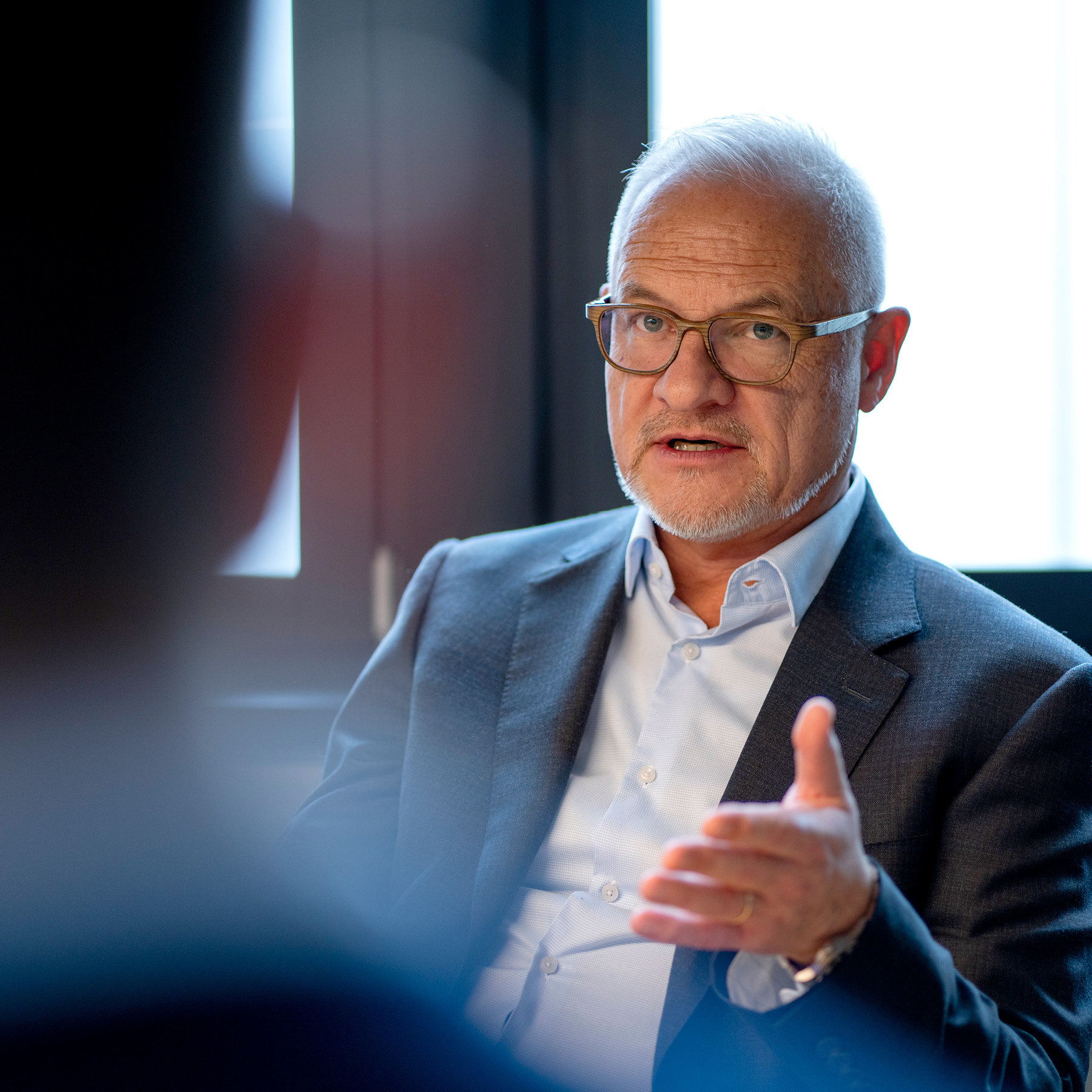
“When there’s a gold rush, you better build shovels. Our shovel is the battery energy container, for the future growth of energy.”
Braun has also found kindred spirits in South Carolina.
“We have been so warmly welcomed by everyone, from the government to the university and entities that have become our partners, that we feel we’ve become part of the family,” he says.
With the goal to take the company public on the stock exchange, Braun is excited for what the future holds.
“When there’s a gold rush, you better build shovels,” he says with a smile. “Our shovel is the battery energy container for the future growth of energy.”

 RELATED ARTICLES


 Home
Home
 Podcasts
 Covers
 Be Featured
 Community