Language
You can read the magazine in one of the following languages
5-min read

 Bookmark now

 Copy Link
Urea is one of the world’s great silent achievers. A key component of nitrogen-based fertilizer, so essential for mass food production in modern agriculture, urea is the difference between feast and famine for a significant portion of the population.
Any break in the urea supply chain, particularly from key producers in the Middle East, would have a severe impact on global food security. The toll of sustained shortages would be even worse: sharp declines in food production and greater world hunger, particularly in regions dependent on food importation.
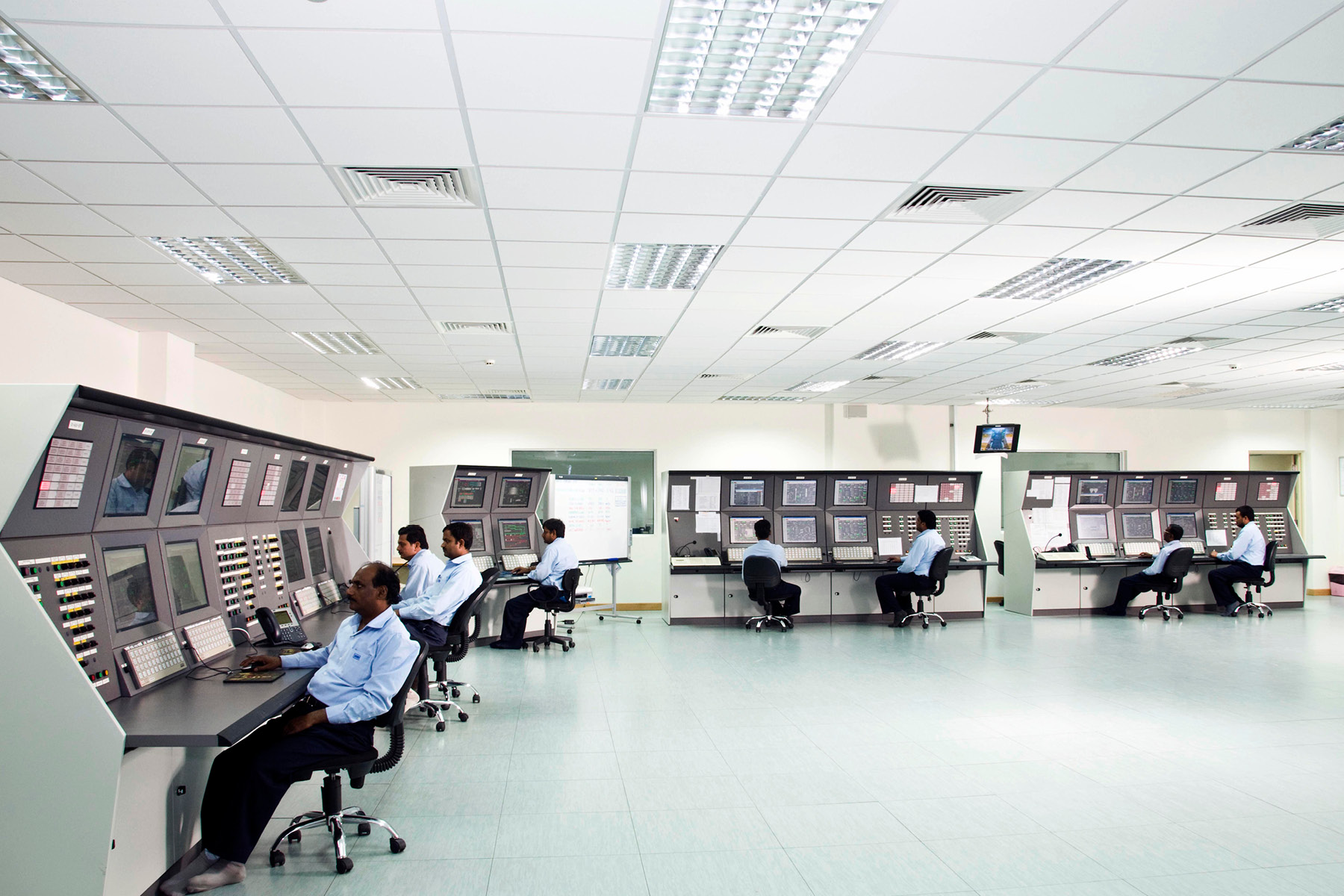

The Iran crisis of 2026 has exposed many weaknesses in supply chains that include the Middle East. One outlier is urea, which continues to find its way to the world, thanks in no small part to the efforts of Sohar International Urea & Chemical Industries (SIUCI).
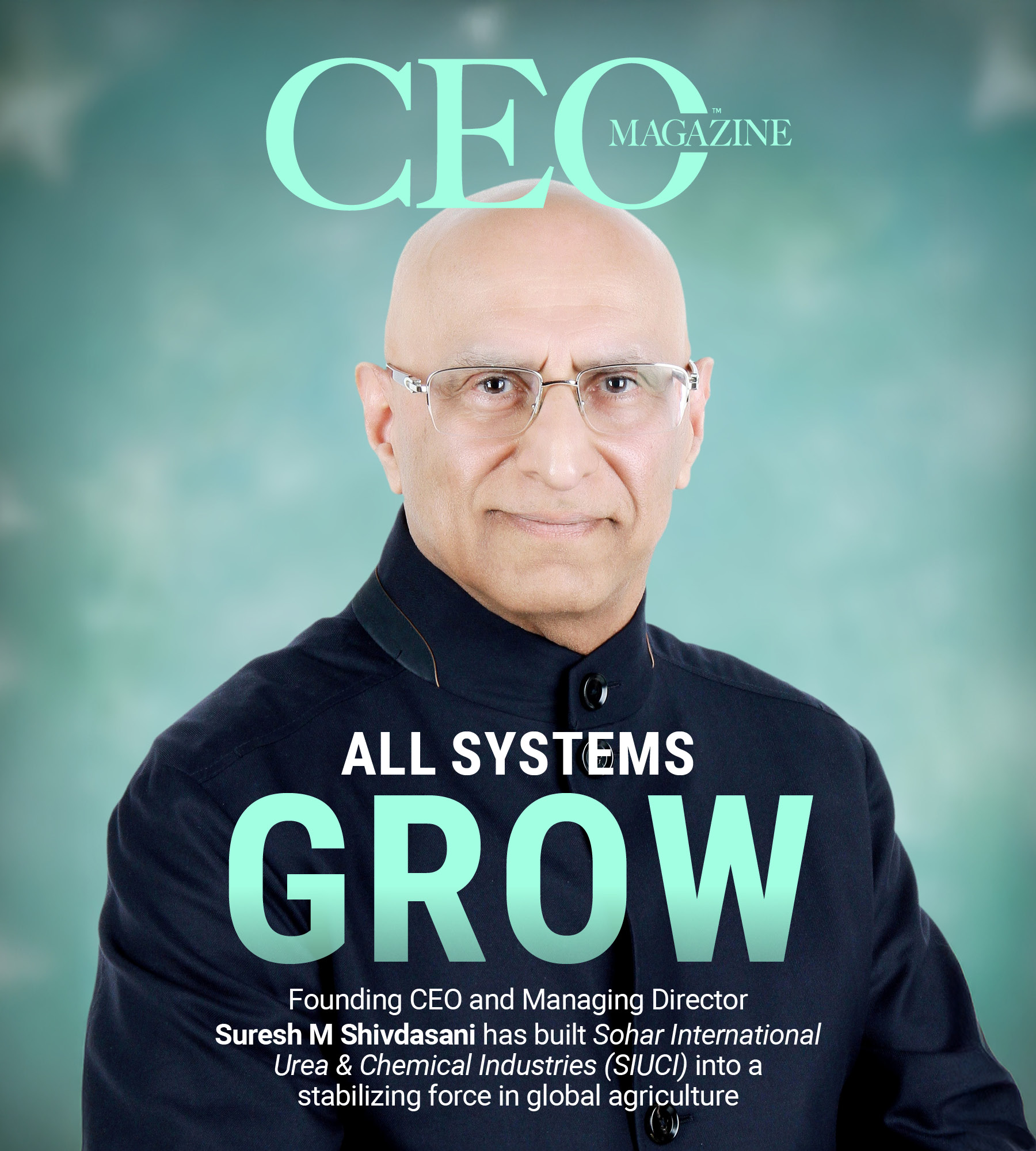
SIUCI is one of the world’s most respected producers of granular urea, and the founding CEO and Managing Director Suresh M Shivdasani says his company’s demonstrable endurance is a major competitive advantage.
“If industry confines itself to quarterly horizons, it forfeits its responsibility to the future,” he tells The CEO Magazine. “When risks are defined precisely at inception, long-term stability becomes inevitable.”
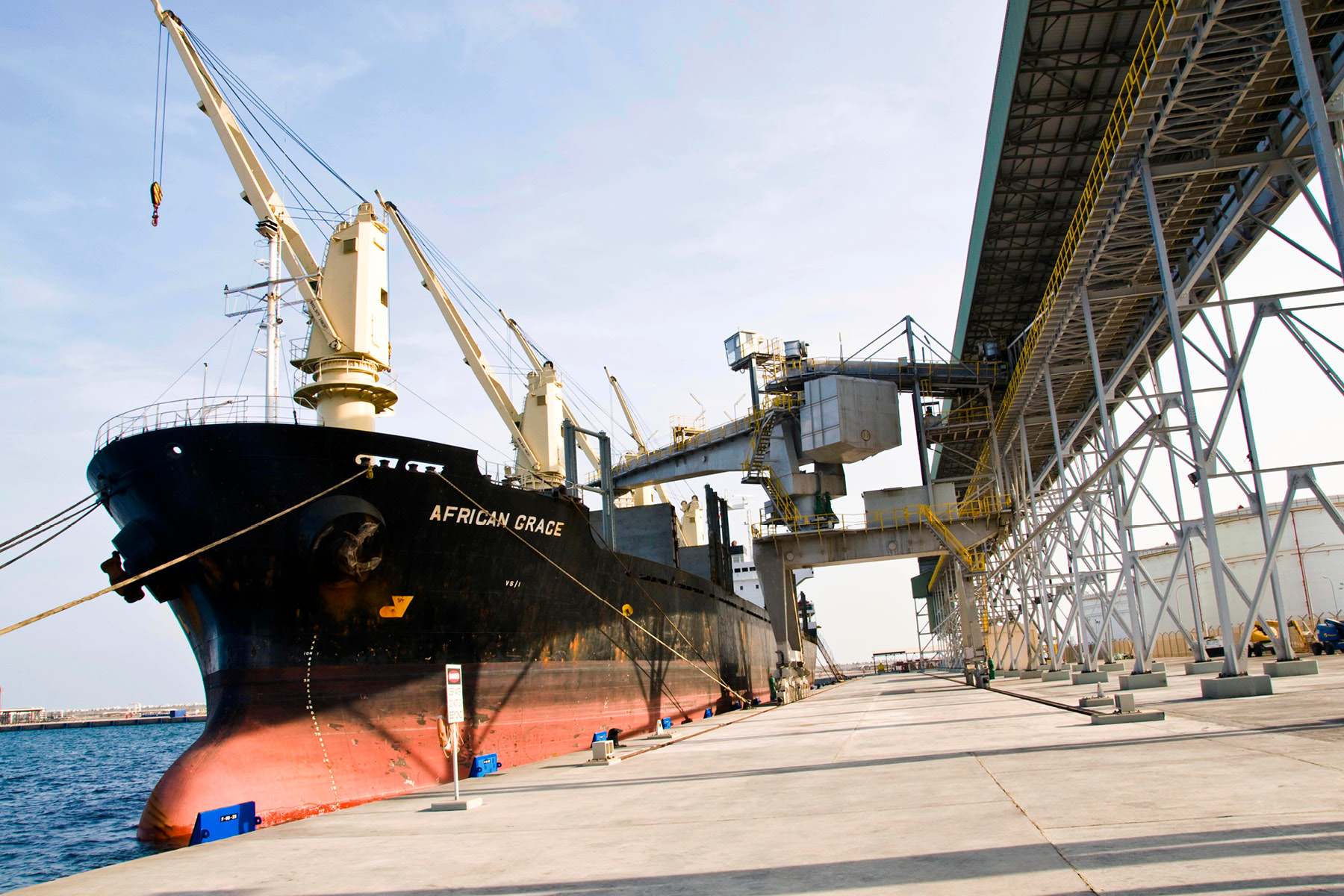
Set up by Shivdasani in 2002 as a private-sector greenfield project at the Port of Sohar, SIUCI now serves agricultural markets across continents. Its advanced manufacturing complex in Oman is capable of producing more than 1.3 million metric tons of urea every year.
Yet from the outset, Shivdasani says scale was never his ultimate goal.
“Anybody in the world can make the best company in the world,” he says. “You start with a clean slate and go by the basic principles: get the best people, create the most productive and open environment.”
These are the seeds of the institutional durability the company now has in spades. Despite his inexperience in the field, Shivdasani – an engineering and management graduate and former Tata Group executive – focused on eliminating ambiguity even before the Oman plant was built.
“From inception, we embedded governance discipline, process integrity and accountability culture into the organization’s DNA,” he explains. “Competitive advantage begins with systems that endure.”
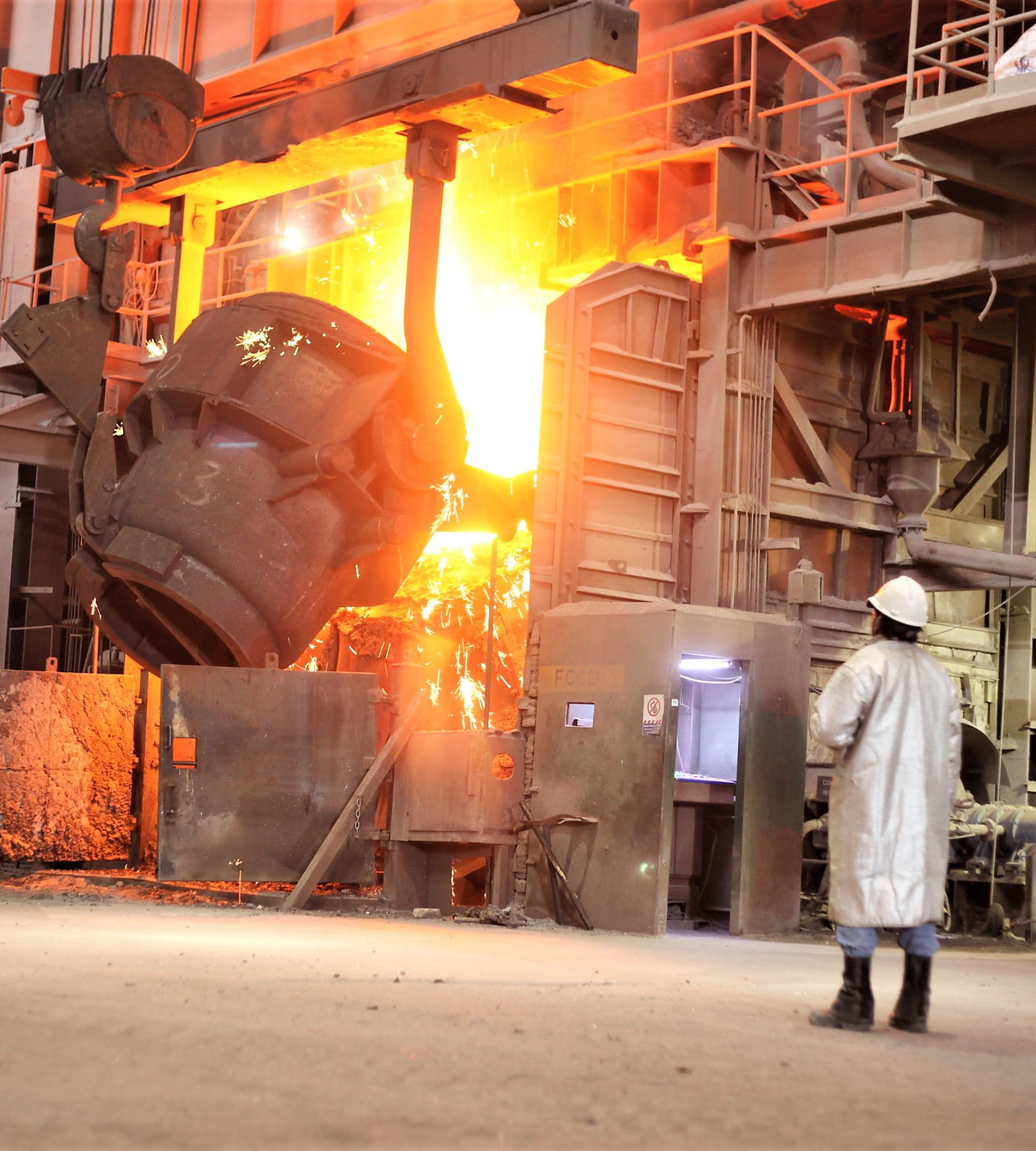
SIUCI’s Oman facility is the embodiment of this philosophy. Designed and constructed by Mitsubishi Heavy Industries, the plant has been recognized by international consultants as one of the best-managed facilities in its class. It is also one of the most automated plants in the world.
“Every decision along the way reflected long-term thinking rather than short-term acceleration,” he confirms.
According to Shivdasani, the reliability that has come to define SIUCI is strategic intent. Urea is an industry where minor disruptions can cause global grief, so the firm’s renowned consistency has been precision-engineered.
“We’ve been recognized for technological sophistication, energy efficiency and rigorous environmental safeguards, all while operating on Omani natural gas as feedstock and fuel,” Shivdasani says. “Yet our defining strength remains continuity.”

SIUCI’s Oman plant evolves continuously without disrupting supply. This is done through disciplined three-year maintenance turnarounds as well as regular upgrades of control systems and ship-loading infrastructure.
The cumulative effect is measurable: production levels consistently outperform scheduled capacity, in some cases by more than 20 percent. In a market that depends on reliability, it’s a golden result and, after more than 600 shipments, SIUCI has yet to experience a single customer complaint.
It’s incredible that Shivdasani’s initial industry inexperience could yield such ripe results, but he says that’s down to learning from those who had gone before him.
“I’m always surprised by the amount of time wasted in non-productive and unnecessary meetings in a lot of companies today,” he notes. “Everybody knows they’re a waste of time, yet nobody wants to speak up about it.”
Instead, Shivdasani created a culture free from internal politics or fear-driven hierarchies and shared by the more than 500 professionals – including over 200 Omani nationals – that make up the company.
“We operate as a clean, ethical and fully compliant organization where goals and expectations are clear and pride in performance is collective,” he points out.
“Experienced Indian fertilizer specialists work alongside emerging Omani engineers in a structured ecosystem of knowledge transfer. You can’t just build a plant; you have to build the people who sustain it.”

As part of the transparency-first initiative, every SIUCI executive submits a weekly written report outlining constraints and emerging risks. This way, Shivdasani says, problems surface early and can be addressed before they snowball into structural threats.
“Transparency is not a slogan at SIUCI. It’s a discipline that prevents small problems from becoming large crises.”
And the stakes are high – Shivdasani believes industrial success should strengthen national capability. Alongside its crucial role in the fertilizer sector, SIUCI is also leading by example when it comes to green energy and has partnered with the Omani government to achieve globally beneficial carbon goals.
“We work with the Omani government, whose clarity and capability have enabled long-term industrial confidence,” he says. “We’re planning a shift toward net-zero carbon emissions using renewable power and green hydrogen to partially substitute gray hydrogen.
“The availability of green power has always been a challenge, but we’re working it out with the Omani government, which frankly, is one of the best governments to work with. They’re transparent and approachable.”
More than two decades after it was established, SIUCI has become a stabilizing force within the global food ecosystem. The company’s uninterrupted production represents responsibility in a volatile world.
For Shivdasani, his leadership is as much about safeguarding essential elements that millions depend upon as it is about visibility and bottom-line success. How he achieves both – quietly, consistently and without fail – comes down to a personal philosophy that’s been there from the beginning.
“Be totally transparent and meet your commitments every time,” he says. “That’s all it takes.”
 RELATED ARTICLES


 Home
Home
 Podcasts
 Covers
 Be Featured
 Community