Language
You can read the magazine in one of the following languages

6-min read

 Bookmark now

 Copy Link
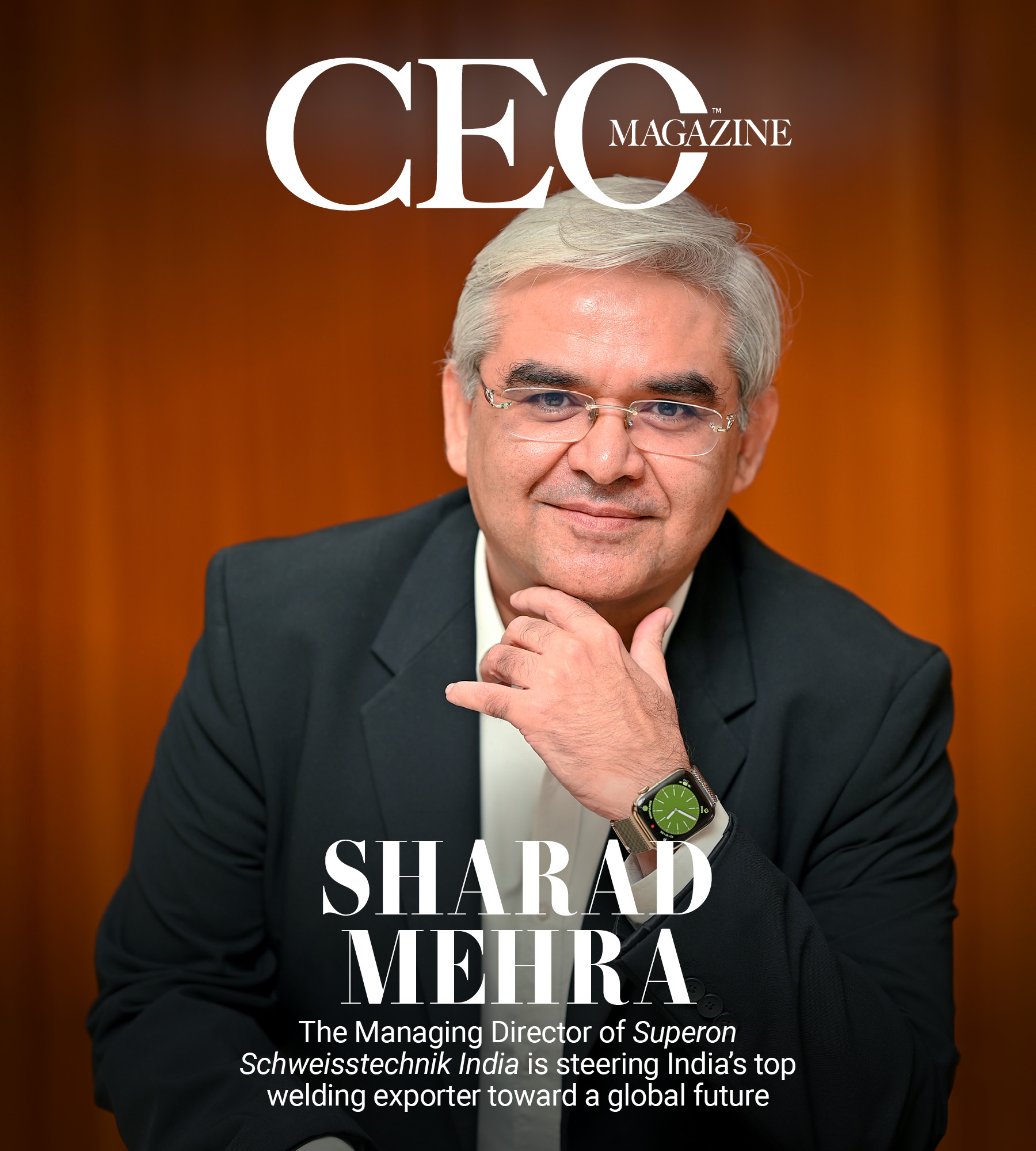
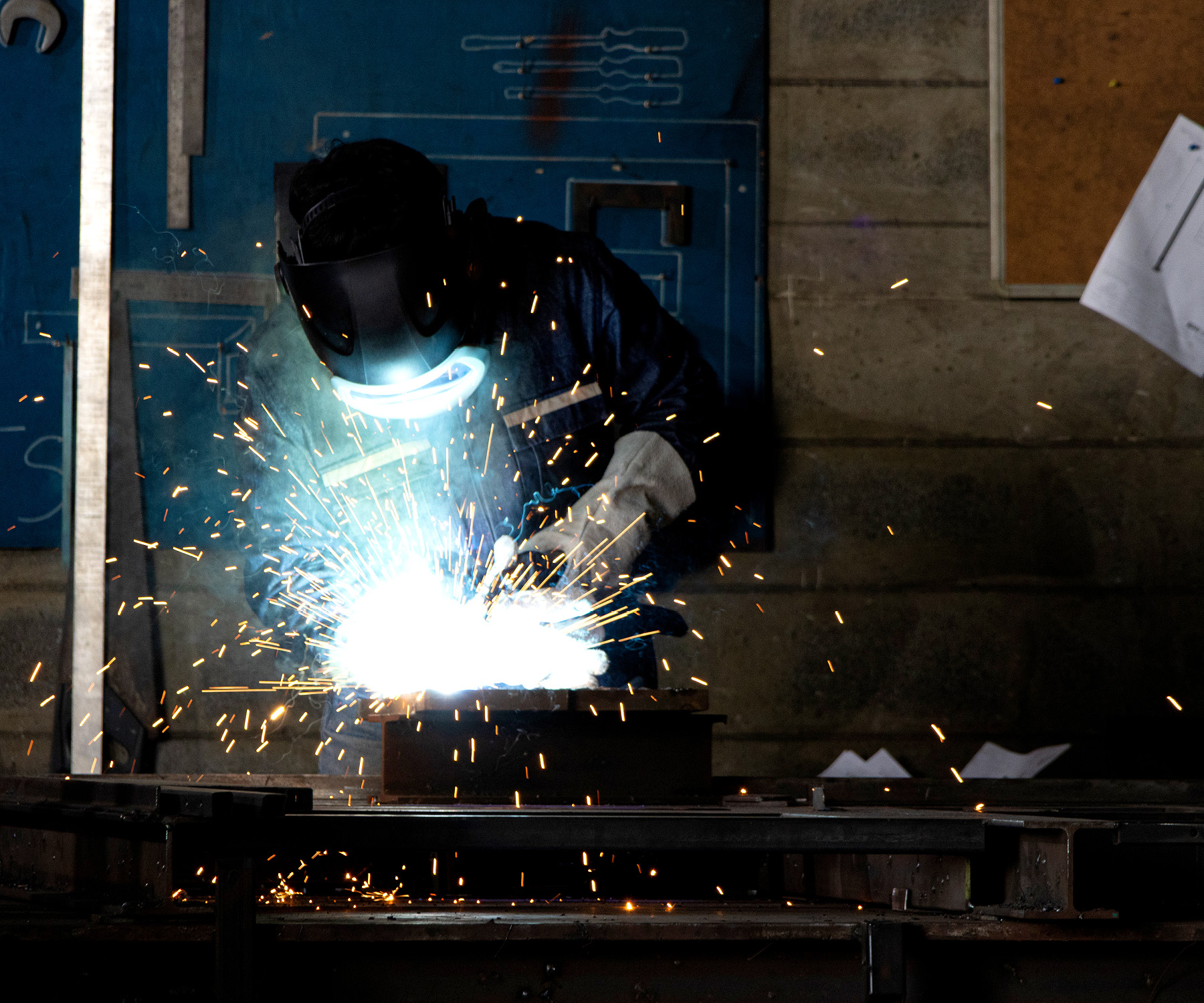
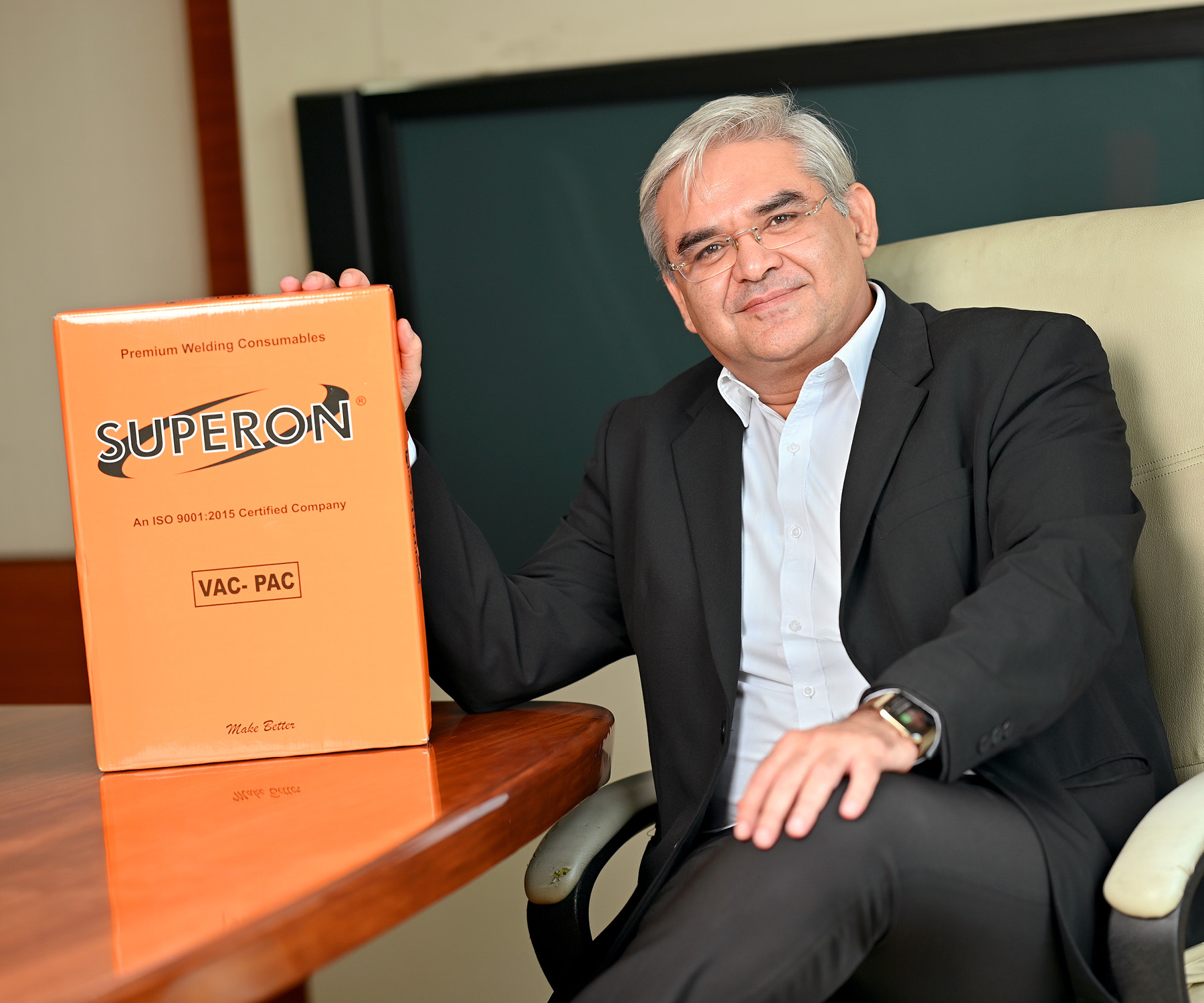
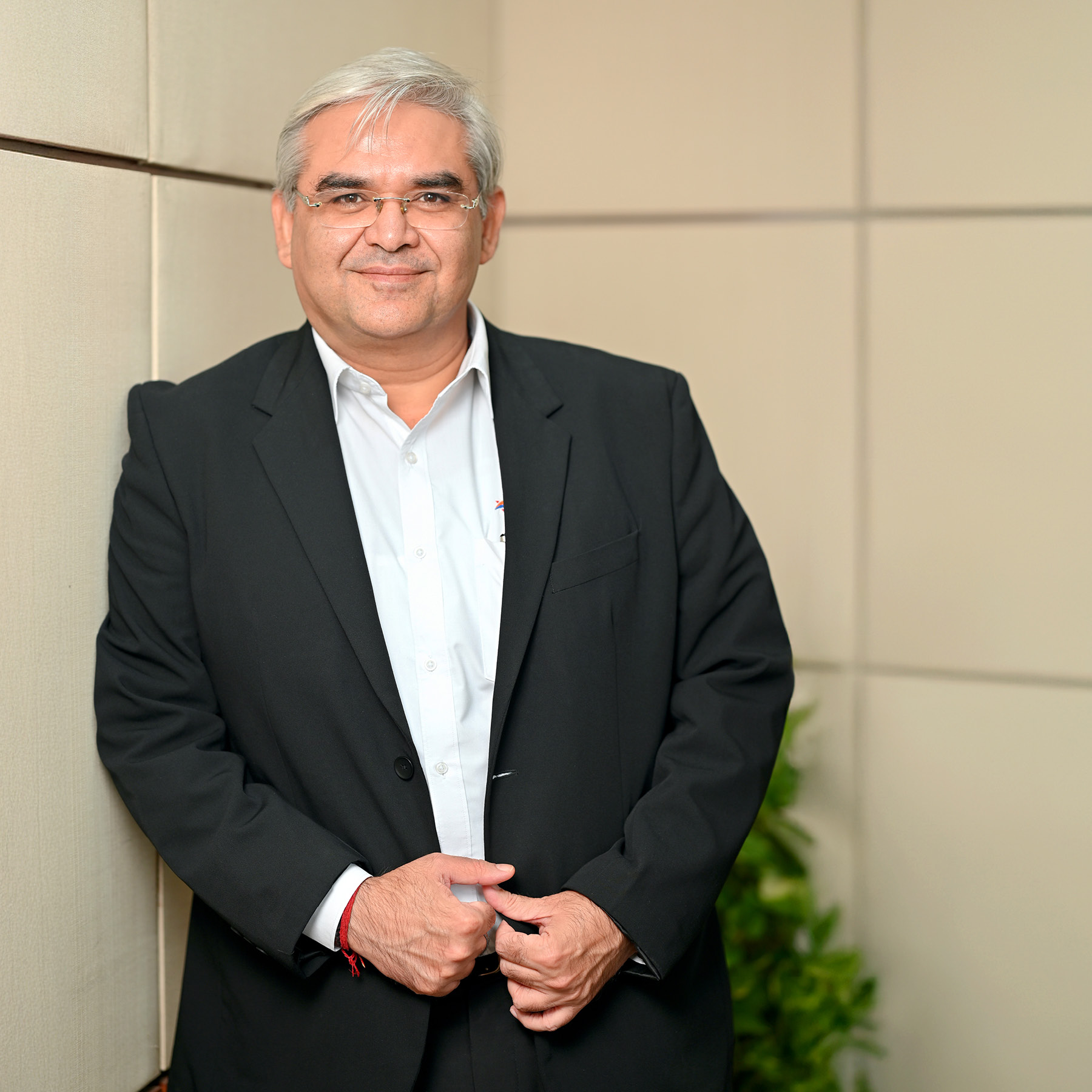
Sharad Mehra has spent the past 21 years turning Superon Schweisstechnik India (the export division of Stellaris Specialities India) into India’s top welding products exporter, shipping to over 100 countries as the only Indian company delivering products across all product categories of the welding industry.
Now, with increasing barriers to international trade, he is putting all his efforts toward transforming the business into a truly global operation.

But in going global, Mehra isn’t losing sight of where the business started.
“It’s been a journey full of challenges. In 2012, when we first took the step of taking our brand outside India, we faced intense challenges because at that time there were not many welding brands out of India,” he reflects.
“We were probably the pioneers who were the first to go international with a brand that was made in India and it’s been a hard struggle. But today we are a dominant player from India and we have a strong reputation that is acknowledged.”
With the United States, India’s largest trading partner, now imposing a 50 percent import tariff on Indian goods – despite negotiations to reduce this – Mehra believes the only way to continue to succeed internationally is to globalize the company, with his sights set on Africa and South America.
“What we’ve realized is that every country is creating trade barriers. They want to promote domestic production, so we feel that the way forward is going to be globalization. We’ve already opened a subsidiary in Kenya, where we’re planning to open our first plant outside India,” Mehra reveals.

“India is right now considered a ‘green’ spot in the world for business, but Africa is going to be the next one. The growth India is seeing right now is going to happen in Africa. We’re also looking at Mexico to cater to the South American market.”
To pull that off, Mehra must surpass a further two potential obstacles: nurturing talent that has a global mindset and boosting the company’s proficiency in R&D.
“While India has seen good growth over the past decade or so, we as Indians still don’t have that kind of global mindset. So the challenge that we’re facing right now is finding employees who have that global mindset,” he explains.

“For example, if I open a plant in Kenya, I need people – managers, plant heads and salespeople – who have that global mindset and who will be able to dominate in that country.
“If you look at Korea, for example, it’s a small country, but look at the kind of expansion that their big industries have achieved globally, because they have people who have that global mindset, who are comfortable working in a global scenario.
“There are very few Indian companies that have actually been able to become global companies.”
Mehra also admits that R&D has not been a core strength of Indian companies, but it’s something he’s determined to change.
“As Indians, we’re not spending enough money on R&D and that’s why, considering the size of our economy and the size of our population, the kind of patents that are coming out from India are in no way comparable to the Western world or even China, which is far ahead. It’s a different orbit that they’re working in,” he notes.
“That is one of the biggest challenges Indian companies have – to become more technically oriented. We have to start investing more into R&D.”
Strengthening Superon Schweisstechnik India’s R&D investment goes hand in hand with the competitive mindset that Mehra believes already exists in the company’s DNA and complements its ambition to innovate with new products that can compete on price, too.
“My job is very simple – to create an infrastructure within the company that can focus on R&D, which has the capability to innovate, to do research work and to tie up with the Indian technical ecosystem so that we can take advantage of whatever breakthroughs are happening and create the right collaborations to develop new technologies,” he says.
“Our mindset is very clear. We want to produce products that are the best in the market while creating products that are currently not in the market and continue bringing in solutions at the lowest prices. But of course, India’s time is coming.”
Mehra is also aware that a serious R&D strategy relies on deep supplier relationships and is fortunate enough to have ones so strong they even pulled the company through a demerger situation that he recalls ended up turning “messy”.
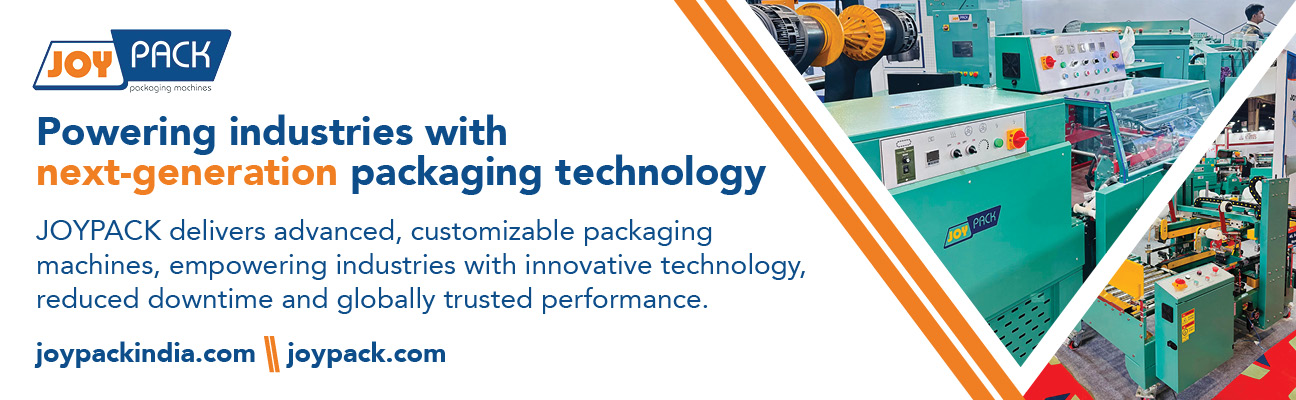
There are 10 key partners that he says contribute to around 75 percent of the company’s turnover, from packaging machine manufacturer Joy Pack and packaging companies Tri Wall and Pankaj Packers to chemical supplier Noble Alchem, along with machine manufacturing firm PK Engineering.

“If you want to do R&D – let’s say you want to develop a certain kind of packaging – you can’t just send your supplier a purchase order and they send you the product. You need to have a personal touch, you need to have an interaction, you need to have that bond with your counterpart in that company,” Mehra argues.
“I’ll give you a very interesting story. We were a family-run business about two years back. We went for a demerger, which unfortunately took a bad turn. We went through a very tough past two years. If we didn’t have those relationships with our suppliers, I’m telling you the company wouldn’t have survived.
“I can’t thank my suppliers enough that they gave me unlimited credit lines, they supported me through thick and thin. It was just unbelievable. I feel very grateful for that.”
Going global also means cracking down on sustainability to meet international requirements, like the European Union’s carbon emissions reporting and similar requirements in the United States, meaning this is firmly on Mehra’s radar, too.
In parallel, he will also be leveraging automation to help the company innovate to meet its global goals, describing welding as a sunset industry that goes back 100 years but can move into the future by also boosting its position in the robotics field and developing the technology through the company’s own automation division – turning it into a sunrise industry.
“Everybody in this supply chain needs to start focusing on automation, because once automation takes care of your repetitive, minimum-wage jobs, more upskilling will happen and it will improve society as a whole, because humans shouldn’t be doing repetitive jobs,” Mehra muses.
“It will open opportunities in different areas and as an industry and as a society, we have to wake up to that.”
Post-demerger the Group has exclusive rights to use ‘Superon’ for the export market only.
 RELATED ARTICLES


 Home
Home
 Podcasts
 Covers
 Be Featured
 Community