Language
You can read the magazine in one of the following languages

7-min read

 Bookmark now

 Copy Link
Castle Biosciences was founded to address a problem that much of modern medicine had come to accept. In the early years of personalized genomic testing, innovation largely focused on large, well-funded cancers. As a result, patients diagnosed with smaller-market cancers were often left navigating one-size-fits-all treatment pathways, simply because few companies were willing to enter smaller markets.
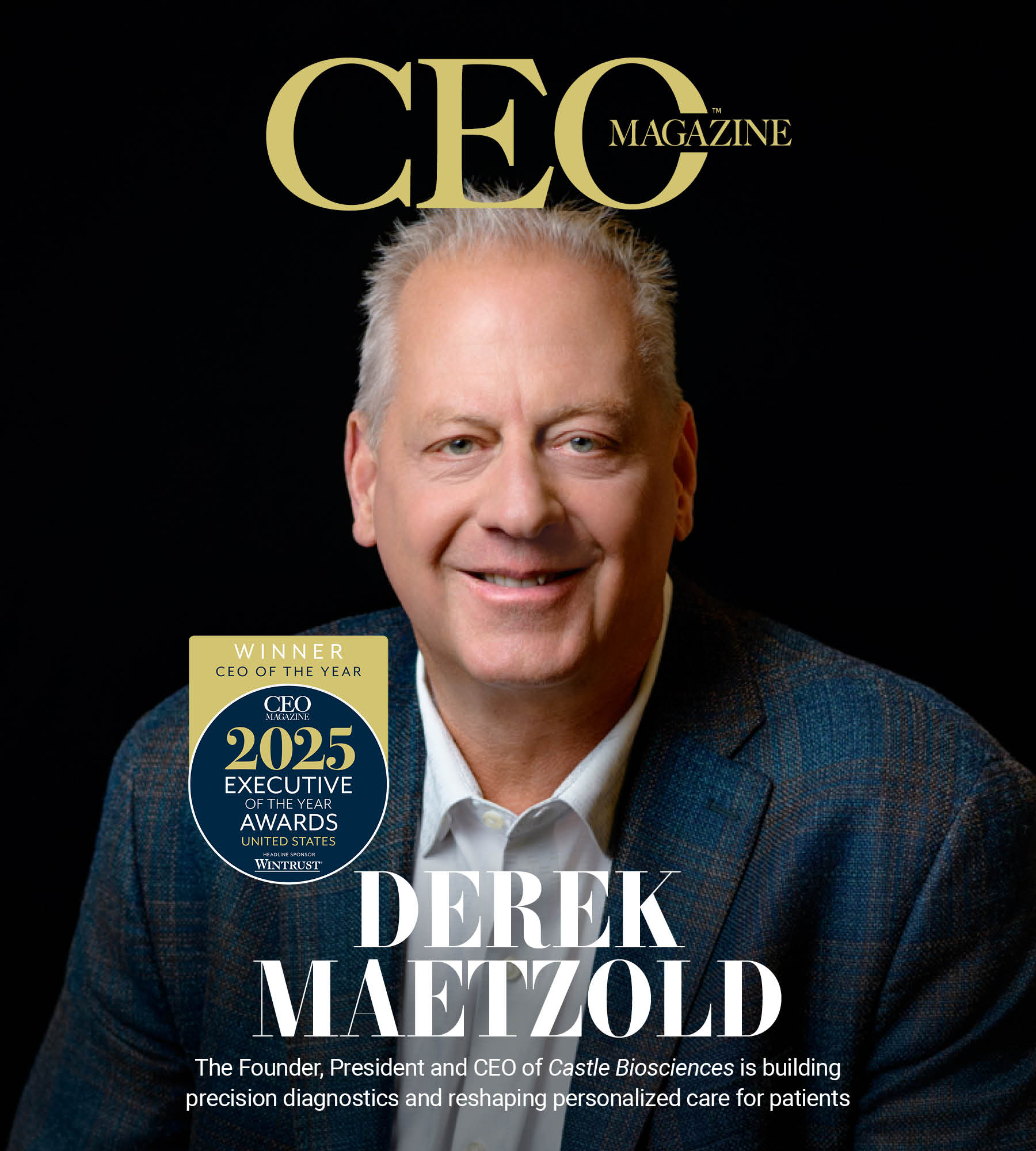
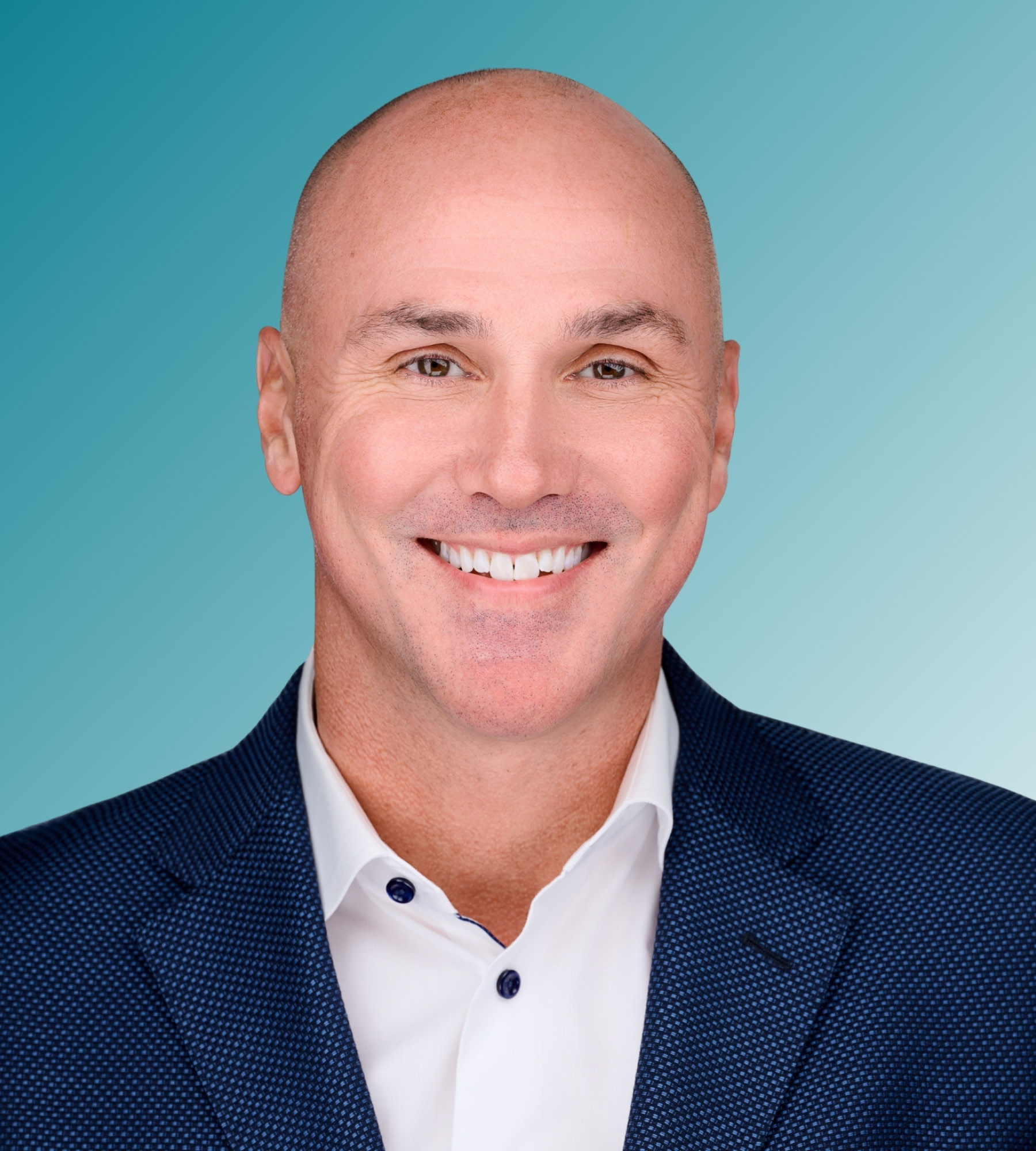
For Derek Maetzold, Founder, President and CEO of Castle Biosciences, that gap was impossible to ignore.
“What we saw was a significant unmet need in the marketplace,” he tells The CEO Magazine. “Patients who were unfortunate enough to be diagnosed with smaller-market cancers were oftentimes being overlooked because they didn’t have one of the big cancers.”
That observation ultimately led to the founding of Castle Biosciences. Alongside his two co-founders, Maetzold was driven to improve patient care by bringing actionable information to clinicians, especially where the best course of care was unclear.
So from the outset, the company focused on questions that could directly shape and help personalize care for patients. Its first test, developed for uveal melanoma – a rare and aggressive cancer of the eye – addressed what can be considered one of the most difficult conversations patients face after diagnosis.
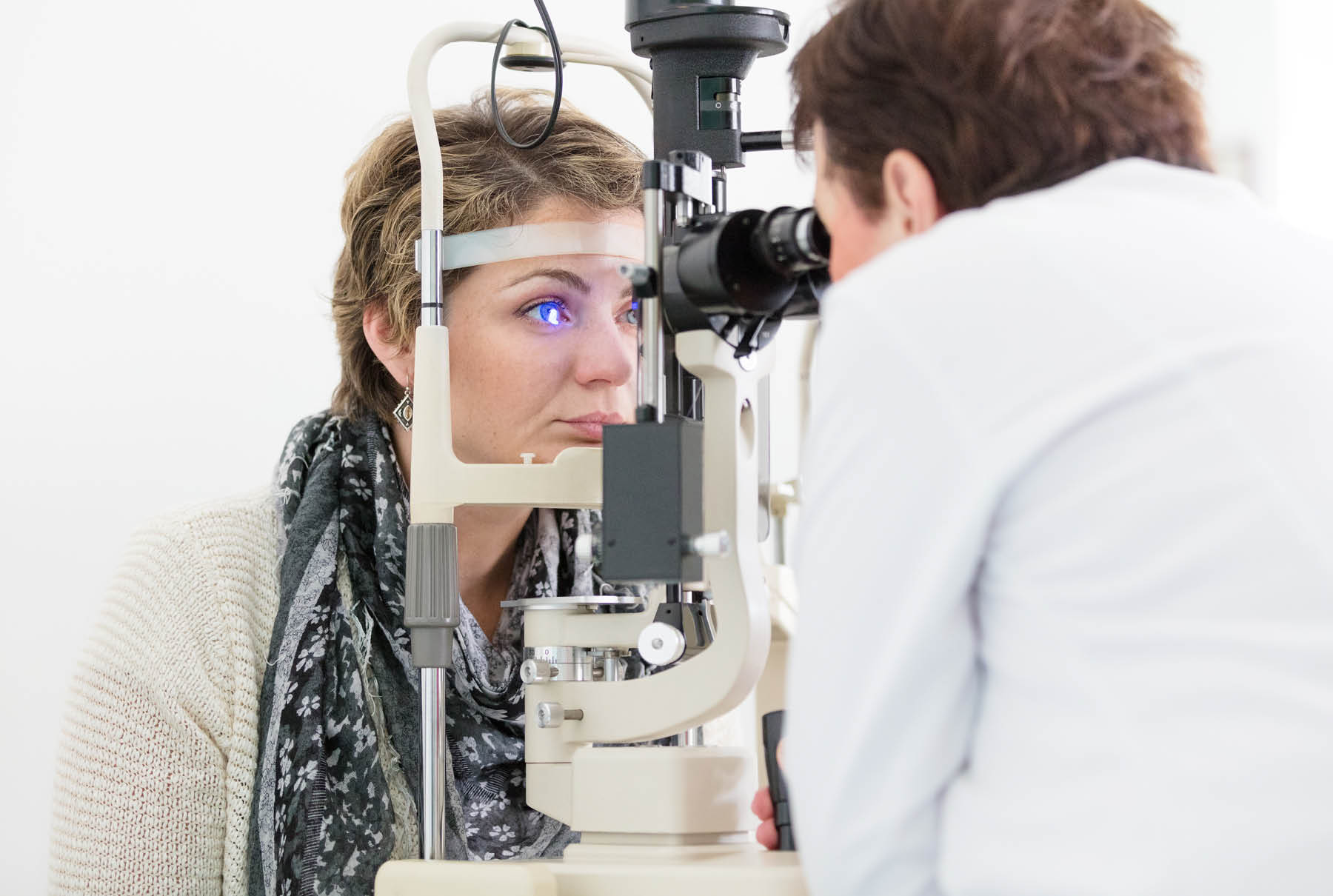

At the time, most patients were told they had a 50/50 chance of surviving five years. Technically, it was accurate but also deeply misleading, according to Maetzold.
“What they didn’t explain is that half of those patients actually had more than a 90 percent chance of survival, while the other half had a far grimmer outlook,” he says. “Two very different patients, but we had no way to tell which was which.”
Castle Biosciences’ test provided the missing information that allowed clinicians to have those conversations. With clearer insight into risk, patients with low-risk results could be reassured and focus on vision preservation and long-term health rather than living under constant fear. At the same time, patients with high-risk results could make informed decisions about surveillance and early intervention.
“With our test, we essentially took a group of people who’d been told they have a coin toss of progression and gave doctors the information they need to say, ‘Actually, you have a 96 percent chance of survival; you’ll do fine,’” he says. “That has the potential to change a patient’s whole life.”
In the early years, Maetzold, who was recently named The CEO Magazine’s CEO of the Year at the 2025 Executive of the Year Awards – United States, reveals Castle Biosciences remained intentionally small. Initially, growth was less of a goal than survival and relevance.
“When we jumped from three people to five people, that was a big leap,” he says with a smile. “Our belief was that if we stayed focused on making sure our tests actually changed decisions, then we were doing the right thing.”
During this time, expense discipline was critical, he explains. Castle Biosciences licensed promising academic tests, kept costs viable and avoided overextending itself during what Maetzold calls “the early desert of biotech funding”.
However, the turning point came when the company asked a new question: could the same biological principles in uveal melanoma apply to cutaneous melanoma, the most aggressive form of skin cancer? At the time, many patients were being sent for sentinel lymph node biopsies based on tumor thickness alone, which was a procedure that benefited only a small percentage.
“If you send a hundred patients to surgery, only about 12 come back with melanoma cells in their lymph nodes,” Maetzold reveals. “The other 88 underwent that procedure for no benefit.”
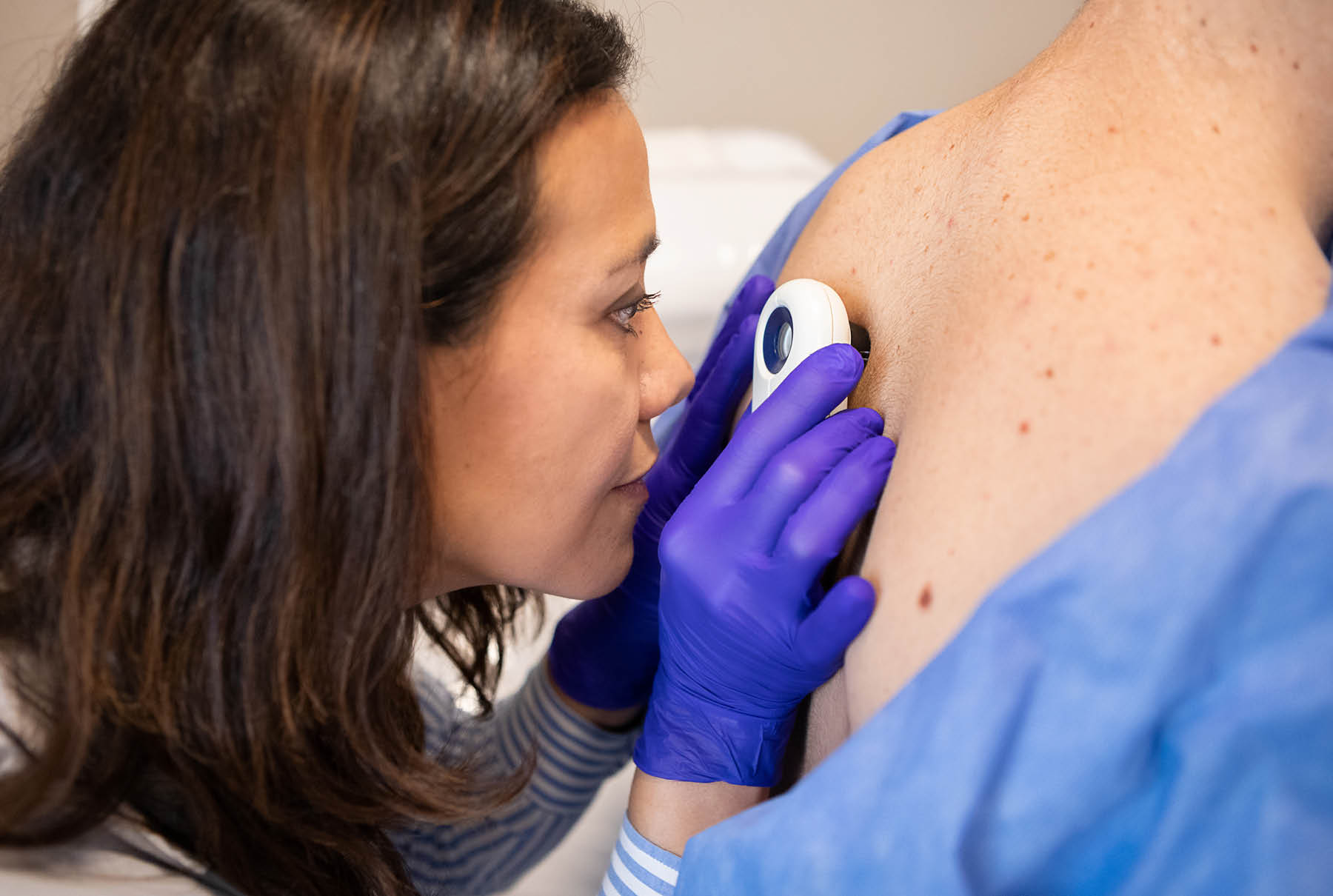
The company’s first internally developed test was designed to look at the biology of a patient’s cutaneous melanoma tumor to provide personalized insights into how it may behave; for example, how likely was it to spread or come back? Could the patient safely avoid surgery or would they benefit from closer monitoring?
It was transformative both clinically and commercially, and that success laid the groundwork for Castle Biosciences’ 2019 IPO, giving it access to capital without abandoning its patient-first values.
As the company has grown, so too has its responsibility – not just to patients but also to its team members. Today, Castle Biosciences employs close to 1,000 people and maintains a remarkably low turnover, which Maetzold attributes to a culture rooted in servant leadership.
“We follow a servant-leader mentality, starting with me all the way through the organization,” he confirms. “We are focused on people first and doing what’s right for our team members, for patients and for clinicians.”
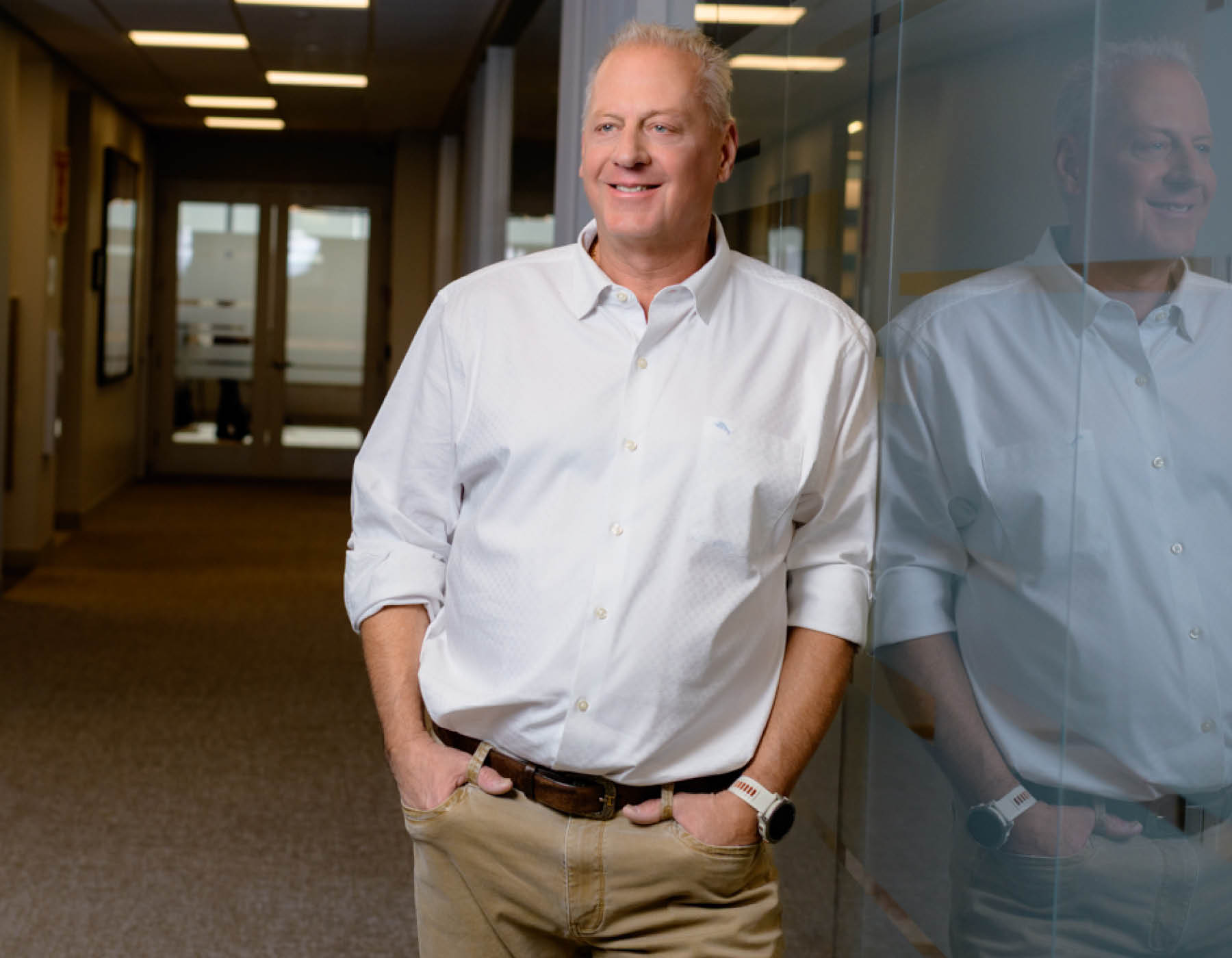

Everyone from lab technicians to IT teams and commercial managers understands they are part of patient care, even if they never meet a patient face-to-face.
“It feels awfully good to get out of bed and realize that if we do our jobs well today, then we’ll be helping patients live longer or avoid an unnecessary procedure,” he says.
Transparency, internal mobility and trust have helped to sustain the culture as the company has scaled.
“If you do good work, care to work hard and you’re a good team player, then we’ll do everything we can to keep you here,” he adds.
Despite its success, Castle Biosciences operates within a diagnostics industry facing its fair share of challenges.
“The biggest challenge is reimbursement consistency and timing,” Maetzold admits.
In the United States, approval and payment pathways for new diagnostic tests have become longer and more unpredictable, particularly across Medicare and commercial insurers.
“What used to take around a year to 15 months now takes up to four or five years,” he explains. “That’s a killer for small companies.”

Regardless, Maetzold is adamant that if a patient needs a test, Castle Biosciences will make sure they get one.
“As a patient-driven organization, we have made it a principle that we will never deny a patient access to our test because of their insurance choice,” he insists.
“Of course, we shouldn’t have to cover that. Insurance should cover that, but we will never deny a patient care.”
While legislative progress, including biomarker bills passed in multiple states, offers hope, the lag between innovation and access remains one of the industry’s most stubborn obstacles.
“It’s moving in the right direction, but patient access shouldn’t be the casualty of bureaucracy,” Maetzold points out.
Long before AI became a buzzword, Castle Biosciences was using it to interpret complex biological data.
“We called it machine learning 13 years ago,” Maetzold muses. “It’s the same concept.”
From melanoma tests measuring dozens of genes to atopic dermatitis profiles analyzing hundreds, Castle Biosciences relies on algorithms to identify clinically meaningful patterns to produce stable, validated results.

That same approach underpins TissueCypher®, its gastroenterology test designed to assess progression risk in patients with Barrett’s esophagus, which helps clinicians identify which patients may benefit from early intervention before esophageal cancer develops.
“These aren’t generative models,” he stresses. “We lock down the algorithm and confirm its accuracy.”
AI also plays a growing role behind the scenes, improving workflows, reducing the administrative burden for clinicians and streamlining reimbursement processes.
Looking ahead, the company’s future further expands beyond oncology. In dermatology, Castle Biosciences is expanding into atopic dermatitis, a chronic skin condition affecting millions. Its newly launched test helps determine which immune pathways are driving a patient’s disease, guiding therapy selection and reducing trial-and-error prescribing.
Maetzold says future innovation aims to make testing even less invasive, including capsule-based diagnostics and electrical impedance technologies that could detect disease flare-ups days before symptoms appear.
“If we can help patients get ahead of a flare rather than react to it, that’s a fantastic outcome for them,” he notes.
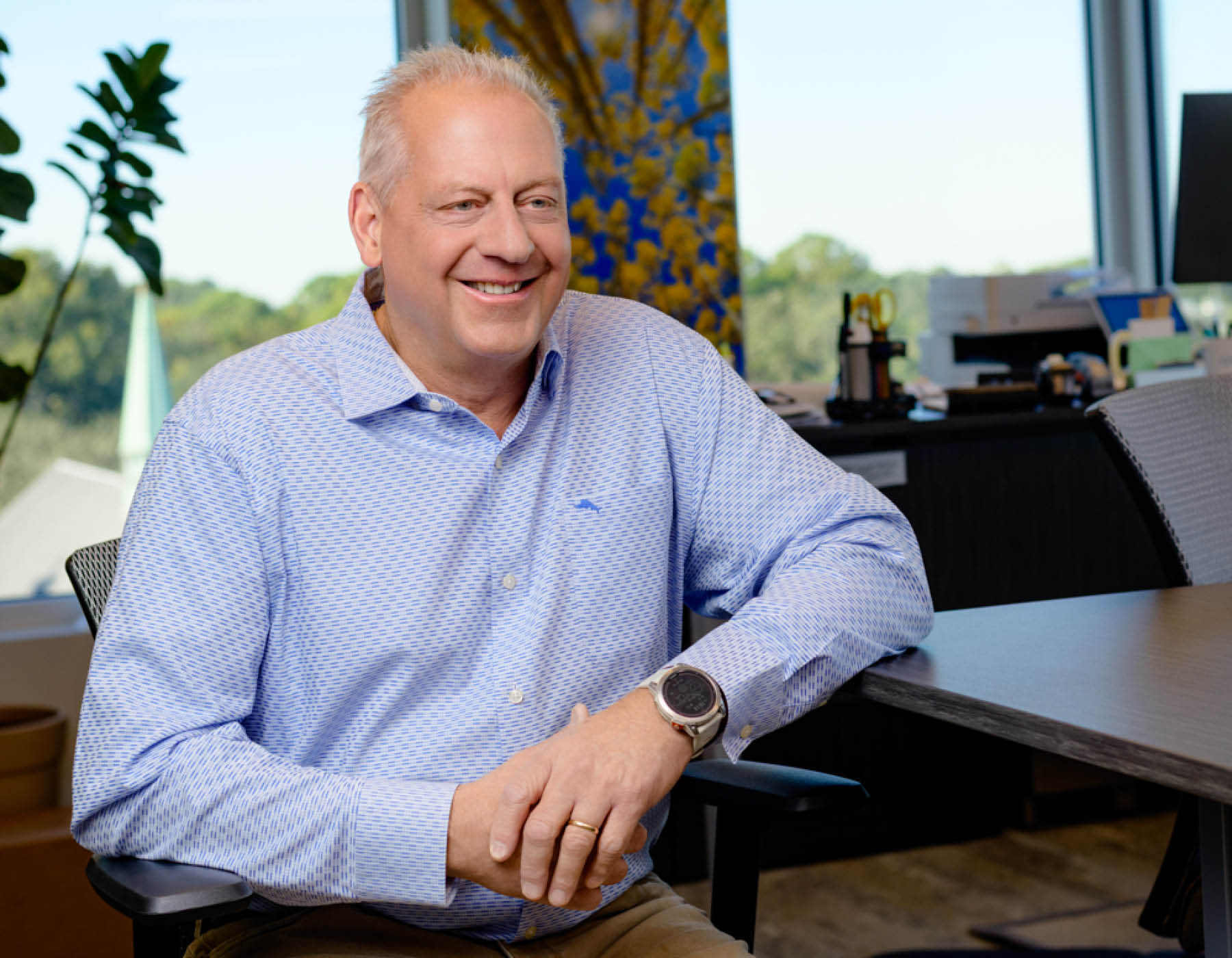

When Maetzold reflects back on the journey leading to where he is today, he says it’s definitely not what he set out to do.
“Was I ever motivated to be a CEO of a public company? No,” he admits.
What drove him was the innovation and the opportunity to make a difference.
“What I’m doing now is so enjoyable,” he enthuses.
“Moving the ball forward, making a meaningful impact on patient care and building a great business for people who want to be part of it – when all of that comes together, I don’t know what retirement looks like, but I can’t imagine a better picture than this.”
 RELATED ARTICLES


 Home
Home
 Podcasts
 Covers
 Be Featured
 Community