Language
You can read the magazine in one of the following languages

4-min read

 Bookmark now

 Copy Link
JSW Infrastructure knows that community is fundamental to the success of many businesses, particularly in an industry like theirs.
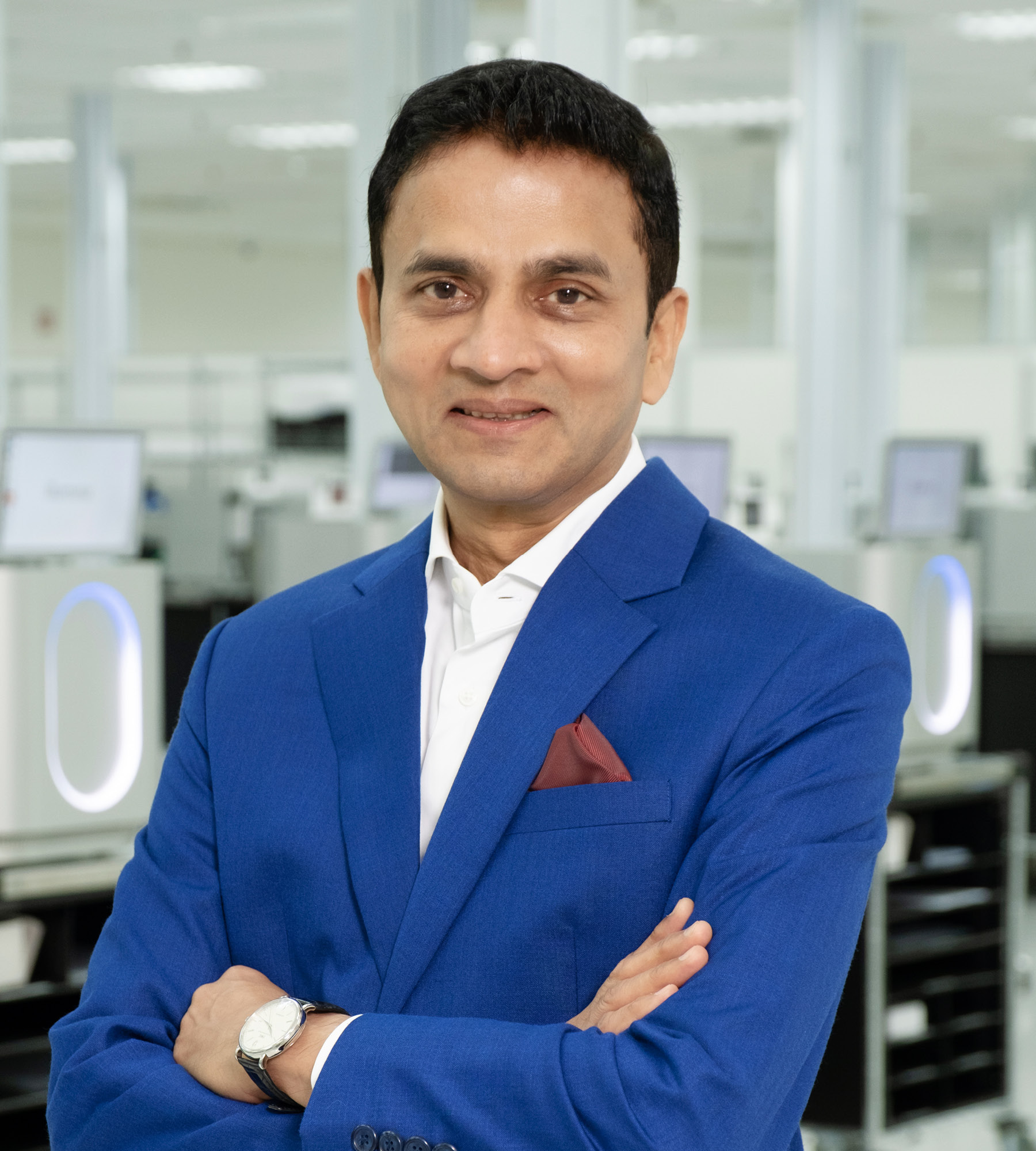
“If you operate any plant or port in India, it goes without saying that you can’t survive without having the goodwill of the community,” says Joint Managing Director and CEO Rinkesh Roy.
“Our approach has been that you can’t live in isolation; you have to take the community along with you in your growth process.”
“Our approach has been that you can’t live in isolation; you have to take the community along with you in your growth process.”
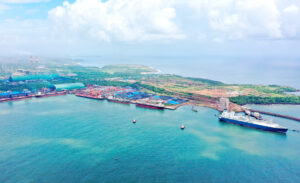
In alignment with this, the company provides employment opportunities for locals, as well as additional outreach programs through its CSR Foundation. For example, at Jaigarh Port, which is operated by JSW Infrastructure, the foundation offers local employment through a call center.
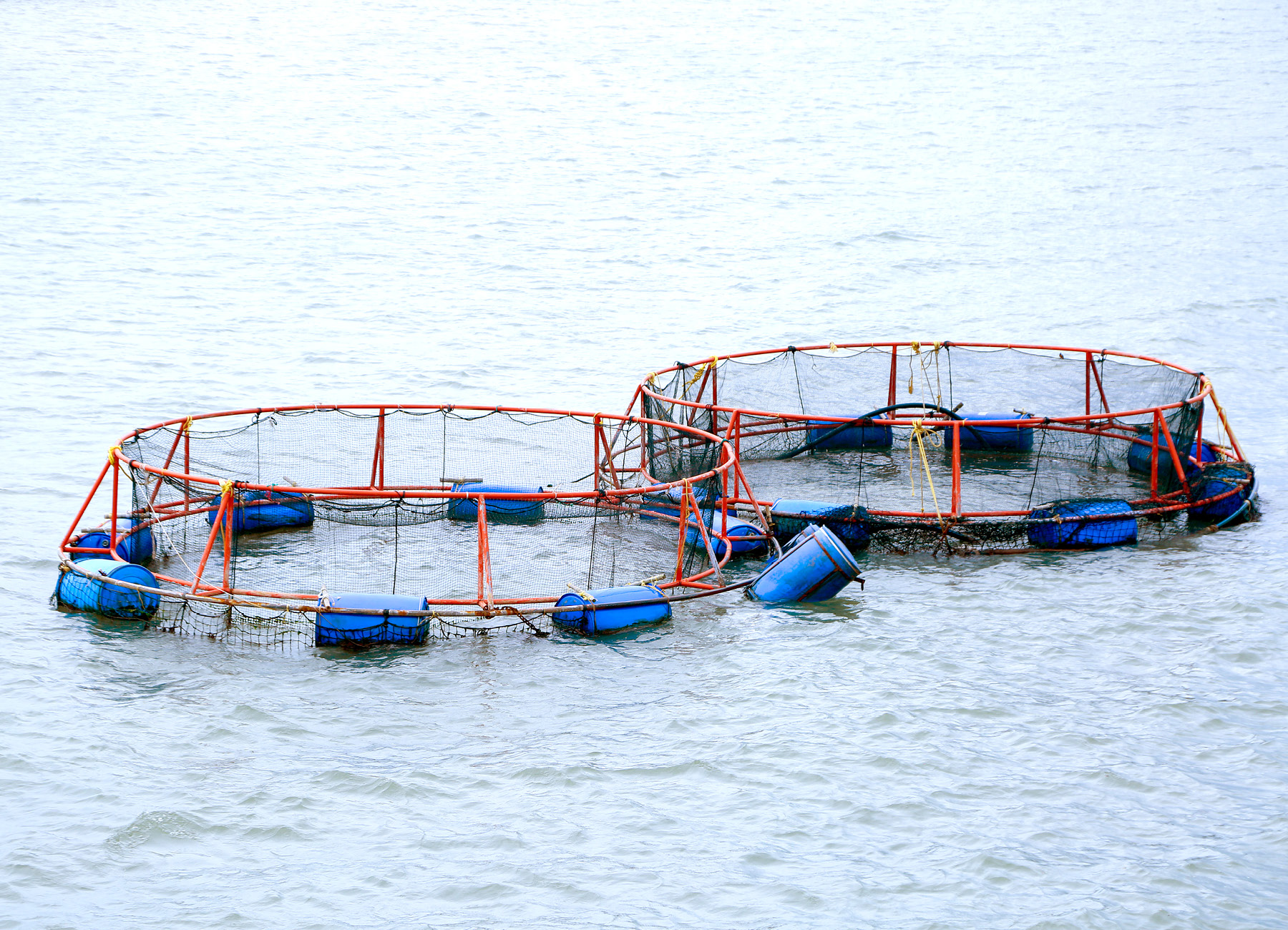
“The foundation has also developed fish spawning and even gardens for developing mango types. So there’s a variety of work that the foundation does, along with meeting the employment needs of the area,” Roy says.
After three decades of working across India’s port, rail and logistics systems, Roy joined JSW Infrastructure in November 2024 to help the company reach its “full potential”.
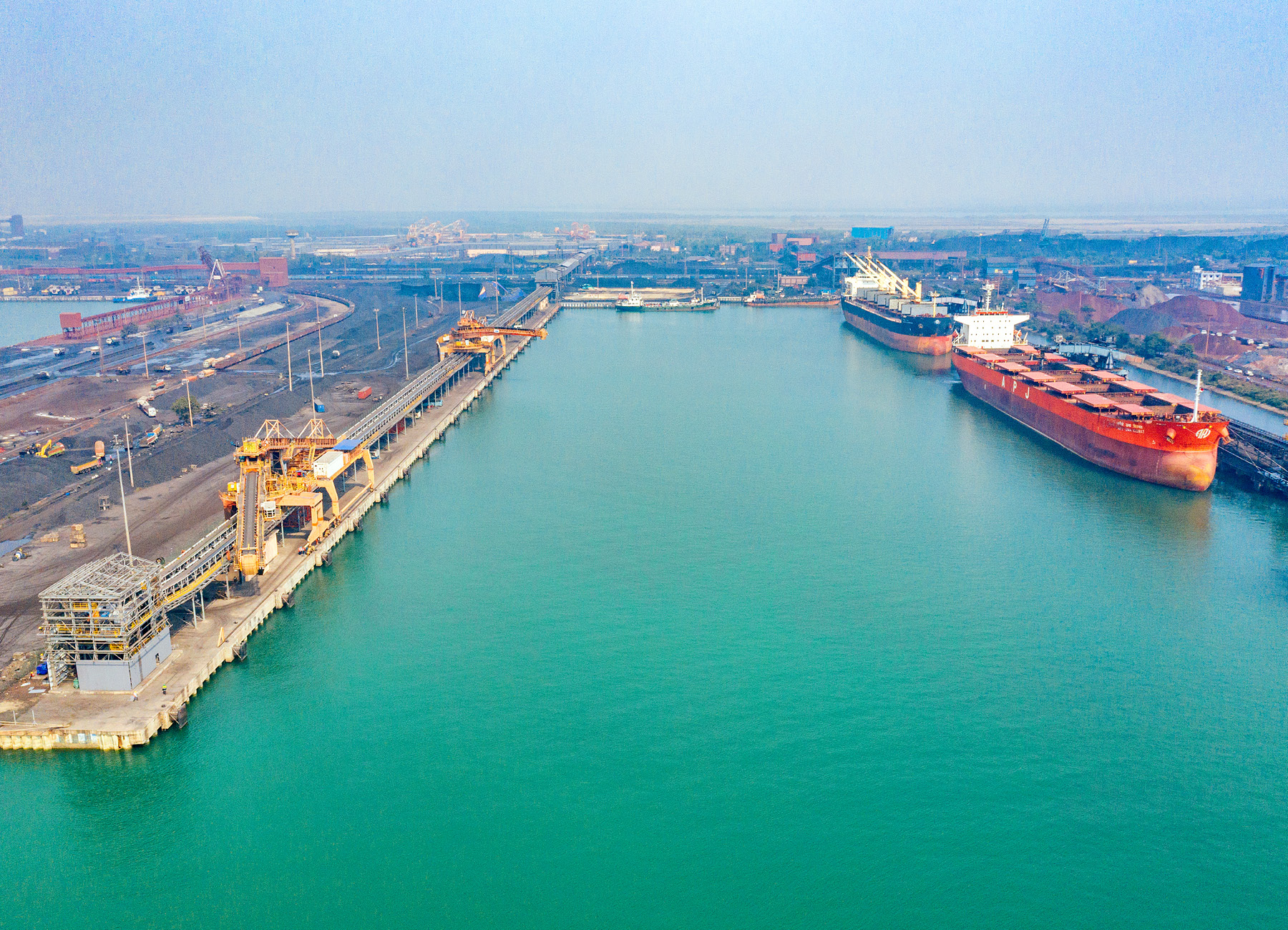
Currently, it is the second-largest private port operator in India and the only company in the country actively constructing three greenfield ports, helping to create future-ready, technologically advanced infrastructure rather than solely relying on upgrading existing assets.
Already, JSW Infrastructure has seen enormous growth potential in both the port and logistics sectors, with a clear road map to expand its port capacity from 177 million metric tons per annum to 400 million metric tons by 2030 through a mix of brownfield expansions and greenfield projects.
Driven by India’s goal of becoming a US$10 trillion economy, JSW Infrastructure is uniquely positioned to lead and capitalize on the country’s infrastructure boom through an aggressive, dual-pronged expansion in both ports and logistics.
Work is already underway on one site, public hearings have been completed for two more, and procurement and design are on schedule.
“I think gradually what is happening is that the government is looking at the development of more strategically located mega ports,” Roy explains.
“The private sector cannot develop these ports on its own because these require a long gestation period, huge capexes and rightfully, the government is developing them. India not only has a huge coastline but also a huge hinterland. The distances you need to travel are long and that is where the development of private ports is essential. And that need will always be there.”
Building symbiotic, long-term relationships with partners – such as manufacturer Dalian Huarui Heavy Industry International – has been crucial for JSW Infrastructure, and Roy has been busy focusing on developing a domestic vendor base to mitigate global supply chain uncertainties.
As well as utilizing international suppliers, the company is continuing to look at new vendors based out of India to take that global uncertainty out of the supply mix, he explains.
Sustainability is another area on Roy’s radar, and he treats it as an operating advantage rather than a compliance requirement to be ticked off. JSW Infrastructure is aiming to be carbon neutral by 2050 and is already well on the way to achieving this impressive goal.
“In most of our terminals, all equipment has moved from diesel to electric, with the percentage of renewable penetration in some of our terminals as high as 90 percent,” he says.
“So the renewable energy usage is going up, as well as water recycling, which sits at between 92 and 95 percent across all our terminals and ports; preserving biodiversity is another big task.”
“The renewable energy usage is going up, as well as water recycling.”
The standout impact is in engineering. JSW Infrastructure’s enclosed, large-scale domes for coal and other dusty cargo – complete with stackers, reclaimers and conveyors operating entirely inside – are designed to eliminate fugitive emissions.
“It’s something very unique to this company,” Roy explains. “It makes economic sense that you don’t have cargo sliding or get contaminated so it is preserved for the customer and delivered very efficiently, even during monsoons.”
JSW Infrastructure’s board includes independent directors to ensure governance standards and ethics are high, as part of the overall group ethos.
“We have packed the board with people of very high stature,” Roy says. “So what you see is what you get. Most importantly, because of this, we also find that in the actual market vis-a-vis other players or merchants, you always get preference because of the high integrity of the people involved. That is a fundamental part of our governance strategy.”
Internally, Roy wants teams that are empowered and nimble but uncompromising on safety, with decision‑makers encouraged to move quickly and own their outcomes while anchored by clear standards.
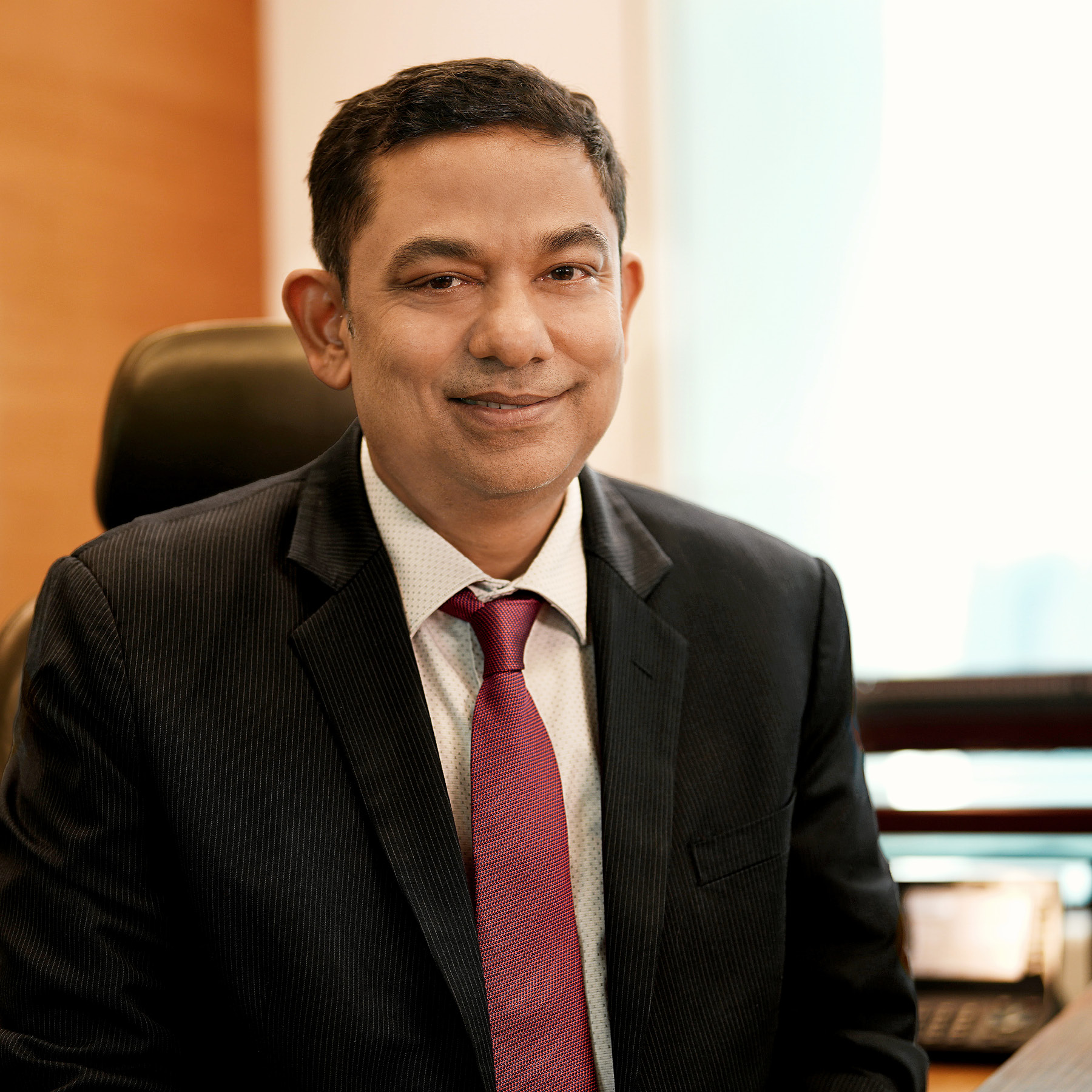
“We have packed the board with people of very high stature.”
Safety is a non-negotiable for JSW Infrastructure while simultaneously prioritizing technological advancements within the company structure, through fail‑safe designs, automation and AI‑driven predictive maintenance to reduce downtime.
The ambition is to detect constraints in the flow early and optimize the chain from quay to rail, adding digital layers over a solid operational base.
“We’re also looking at predictive forecasting for more closed-circuit systems,” Roy says. “Those where you can easily get into better efficiency, a better model of knowing where the constraints are coming in this flow and optimizing the entire chain. So these are certain areas we are actively pursuing with digitization.”
 RELATED ARTICLES


 Home
Home
 Podcasts
 Covers
 Be Featured
 Community