Language
You can read the magazine in one of the following languages

4-min read

 Bookmark now

 Copy Link
Switzerland’s green slopes undulate between the mountainous ridges of the Alps, rising and falling with an almost rhythmic regularity. It’s a jaw-dropping feat of nature, but one that is only accessible thanks to the creativity of humankind – more specifically, engineers trained at ETH Zurich (Swiss Federal Institute of Technology).
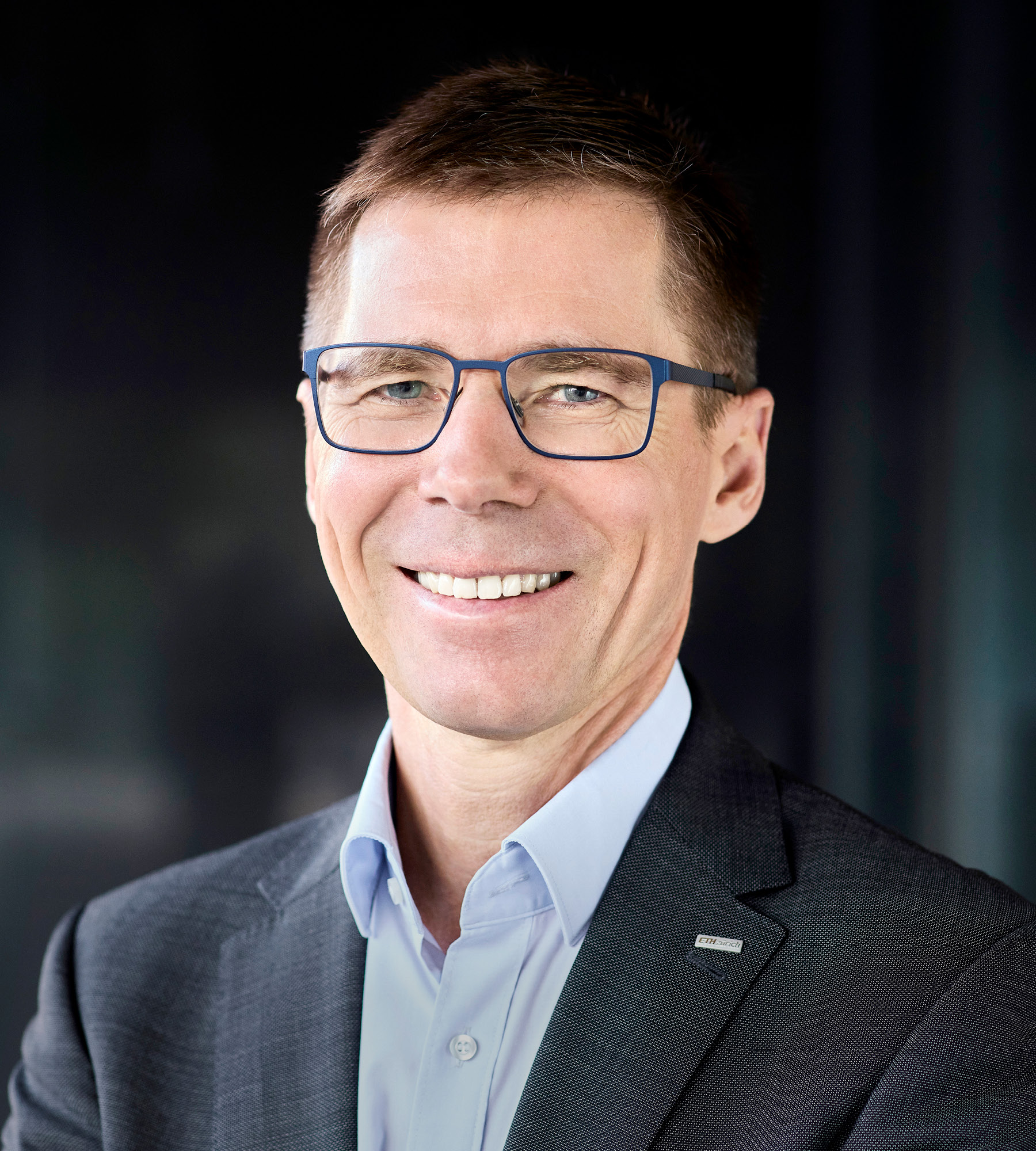
Although Albert Einstein once studied there, the 171-year-old institute is the least known of the top 10 universities in the world, according to President Joël Mesot.
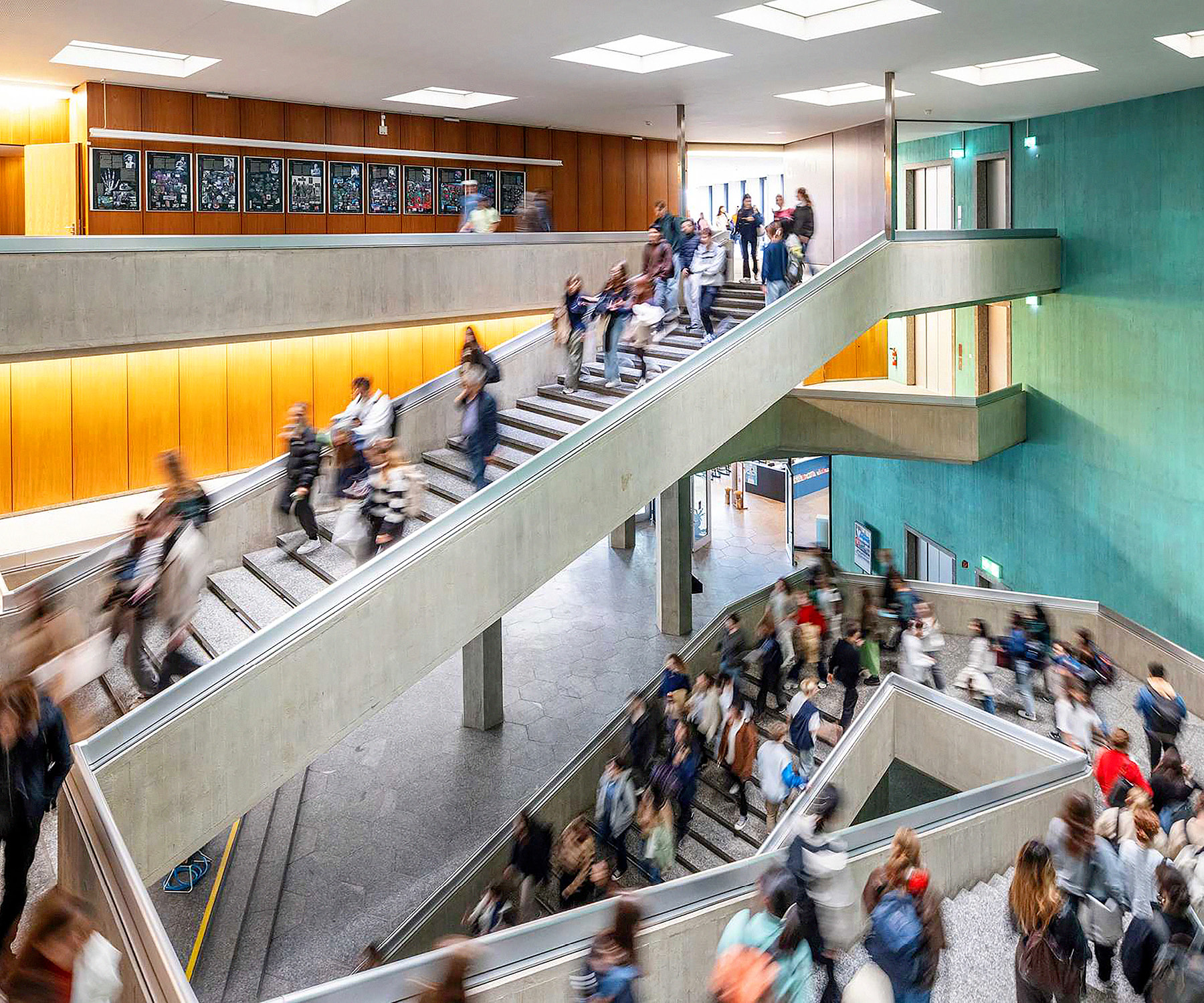
“A university has this role to play much more than almost any other institution: to bring people together.”
Despite its relative anonymity, its legacy is clear – not only in its roll call of Nobel Prize winners but also in the elaborate network of infrastructure its graduates have woven across the world.
“Switzerland needed engineers to build roads, to build tunnels through the mountains, bridges to electrify the country, trains and so on,” he tells The CEO Magazine.
“The mission of ETH Zurich was to support Swiss society, and this mission has remained all the way to today. Today, we do exactly the same but, of course, the scope of the activities is much broader.”
The achievements of those who studied at ETH Zurich have rippled across the world, thanks in large part to the challenges posed by Switzerland’s difficult terrain. When they first set about the task of building the required infrastructure, even transporting materials from one valley to the next represented an incredibly complex undertaking.
“They always found local solutions, so every bridge in different parts of Switzerland is different – that’s what pushed the creativity of our engineers very far. And they exported this to the world,” Mesot reveals.
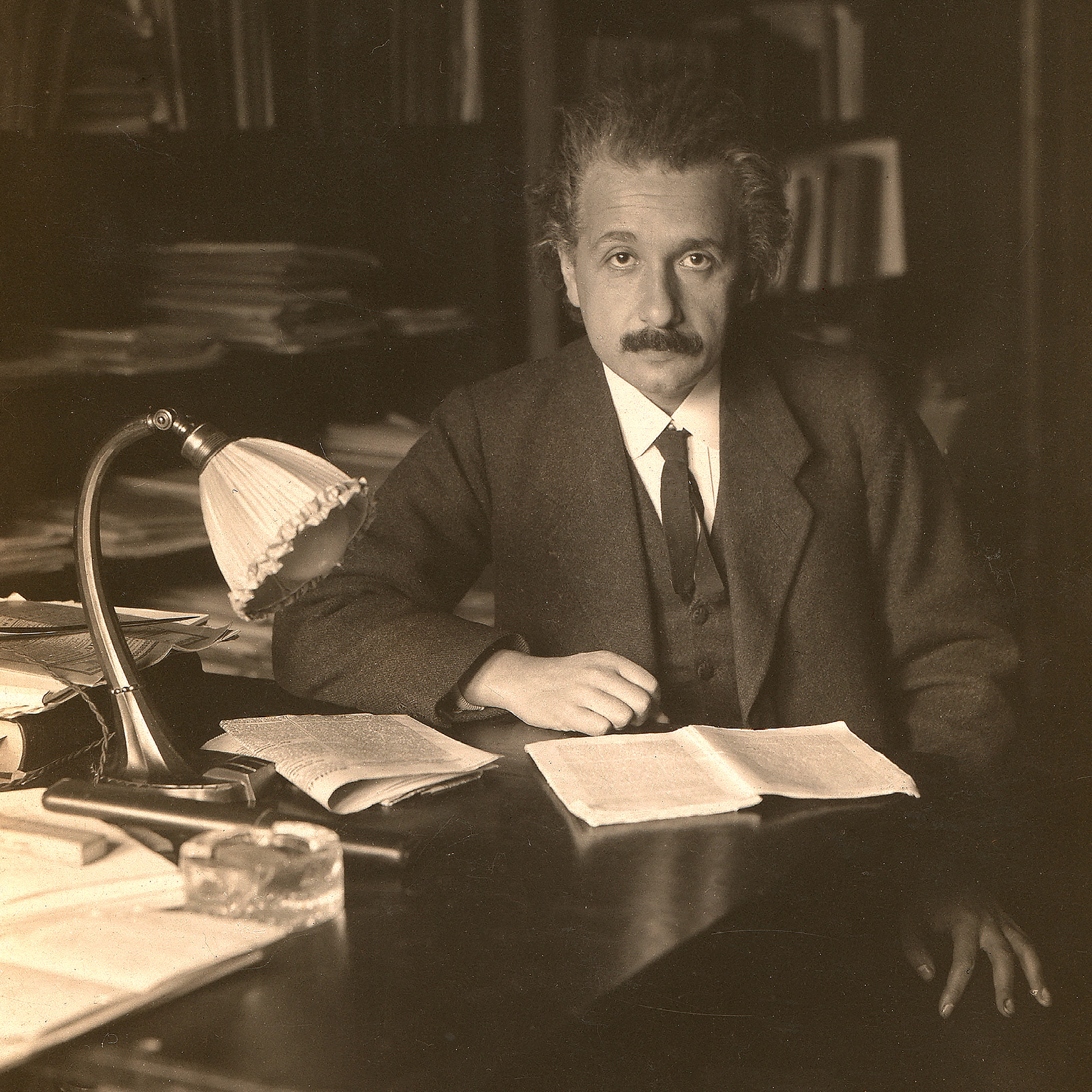
Former student Albert Einstein, ETH Zurich’s most prominent alumnus and one of 22 Nobel Prize Laureates associated with the university
“The mission of ETH Zurich was to support Swiss society, and this mission has remained all the way to today.”
Indeed, the list of achievements by ETH Zurich engineers is nothing short of iconic, from the George Washington Bridge to the Eiffel Tower. With so many bright minds drawn to its status as a national university and its multilingual capabilities established from the outset because of Switzerland’s four national languages, the institution quickly became an important connector of people, Mesot explains.
“It helped bridge the gap geographically between the different parts of the country because all the engineers had to study at ETH Zurich, and that was also an important mission – to ensure cohesion within the country remained strong,” he says.
“There is this constant exchange throughout the country of students of different cultural backgrounds.
“I think a university has this role to play much more than almost any other institution: to bring people together. I call it building bridges between people.”
This role has evolved beyond Switzerland, with the university now becoming an important international institution as well – ranked as one of the top 10 international universities in the world.
“We are extremely international,” Mesot points out. “We also recruit internationally – 70 percent of faculty recruitment is international. I think this openness is a major asset for ETH Zurich.”
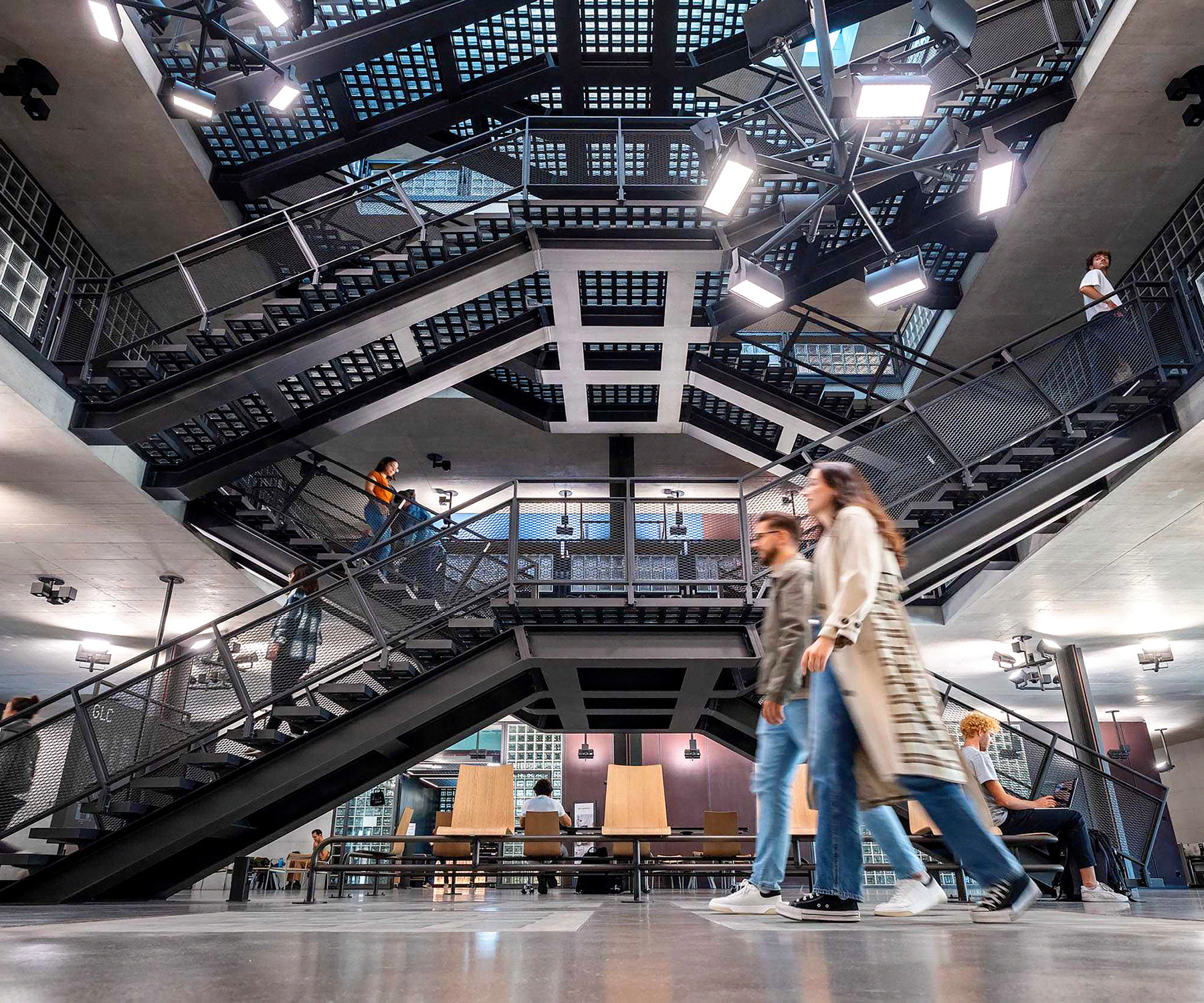
“A university has so many facets that transform lives.”
Beyond the geographical cohesion the university offers, there is also an impressive degree of ‘vertical integration’, with low fees meaning that students are accepted based on merit rather than financial status.
While funding issues are unavoidable, the university is committed to social mobility, Mesot insists.
“A university has so many facets that transform lives,” he notes. “Somebody who comes from a poor background could come to university to qualify, and that could change the direction of their life and future generations.”
Mesot himself first came to ETH Zurich as a student, the very first person in his family to attend university. And while his research path took him on a number of formative adventures, he ultimately came full circle, joining the university as a full professor 18 years ago and taking up the position of President in 2019.
Now the university’s scope has expanded beyond its initial remit of building bridges, collaborating with industry in the fields of AI, biology, medicine, the environment, energy and more.
“Education has been a core mission from the beginning, and it has remained that way to this day,” Mesot confirms. “And then 70 percent of our engineers, scientists and natural scientists go directly into industry and work for Swiss and international companies.”
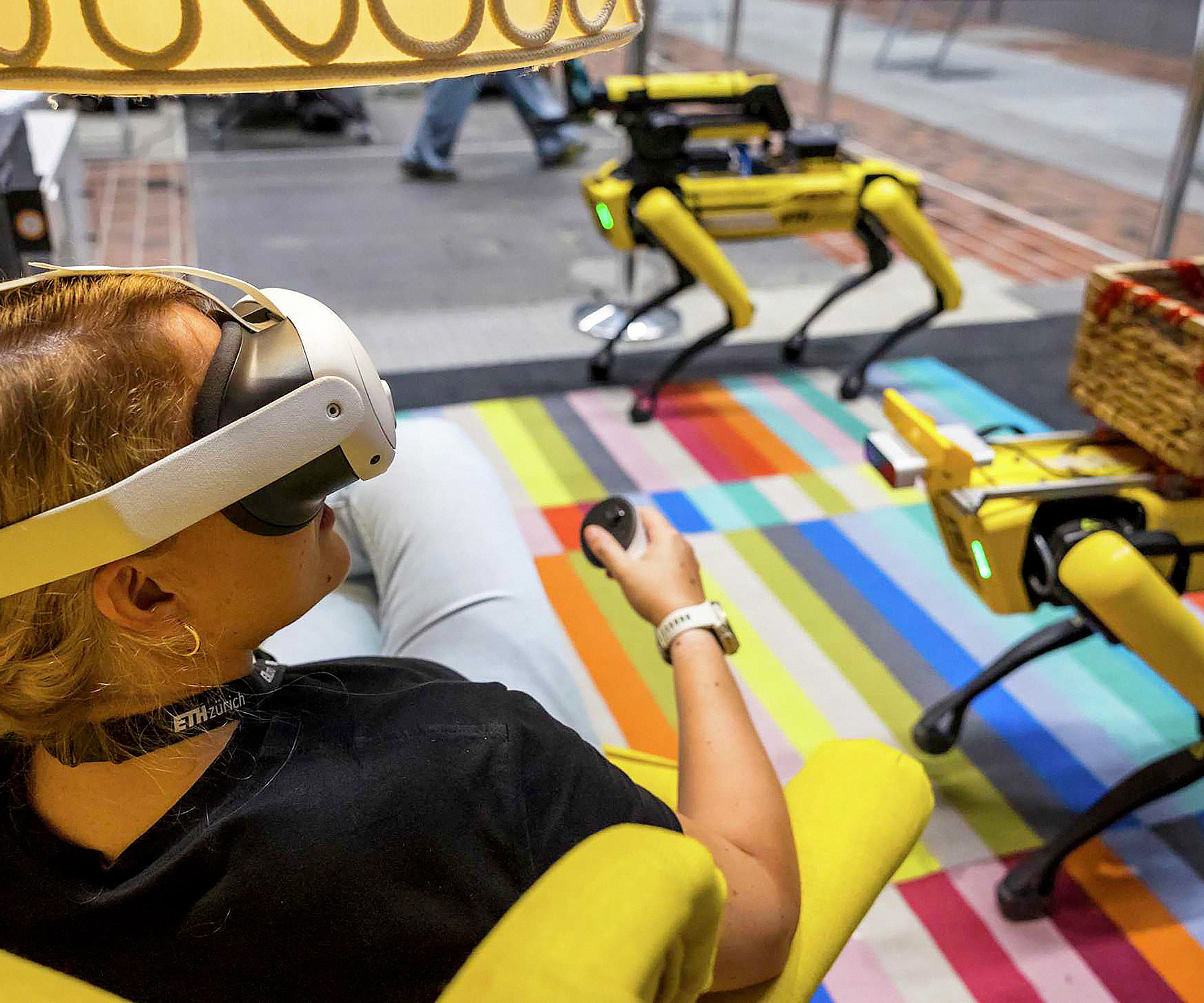
ETH Zurich is known for its technological leadership in AI and robotics – every year, around 30–40 spin-offs emerge from ETH research
“In the end, what matters is the impact we have on society.”
By prioritizing research, particularly in the areas of AI and cybersecurity, ETH Zurich has also generated a number of successful startups.
However, Mesot points out that the timeline for fundamental research to come to fruition must be taken into account.
“The impact might happen only 15 or 20 years later,” he says. “With Einstein, it took decades before his theory of relativity had a real impact on our technologies.”
According to Mesot, nurturing the research environment is crucial to continue generating this level of innovation and attracting the best talent from across the globe, which is essential to keep the university positioned at the forefront of developments that enhance life far beyond Switzerland’s lush valleys.
“In the end, what matters is the impact we have on society,” he says.
 RELATED ARTICLES


 Home
Home
 Podcasts
 Covers
 Be Featured
 Community