Language
You can read the magazine in one of the following languages
5-min read

 Bookmark now

 Copy Link
Jute is known as the ‘golden fiber.’ This moniker originates from its gilded appearance as well as its vast utility and versatility. Low water consumption compared to cotton, biodegradability and high carbon absorption also make it a sustainability marvel.
Based in West Bengal, Gloster has been one of India’s leading manufacturers and exporters of jute and allied products for more than 150 years, and is part of the Bangur Group.
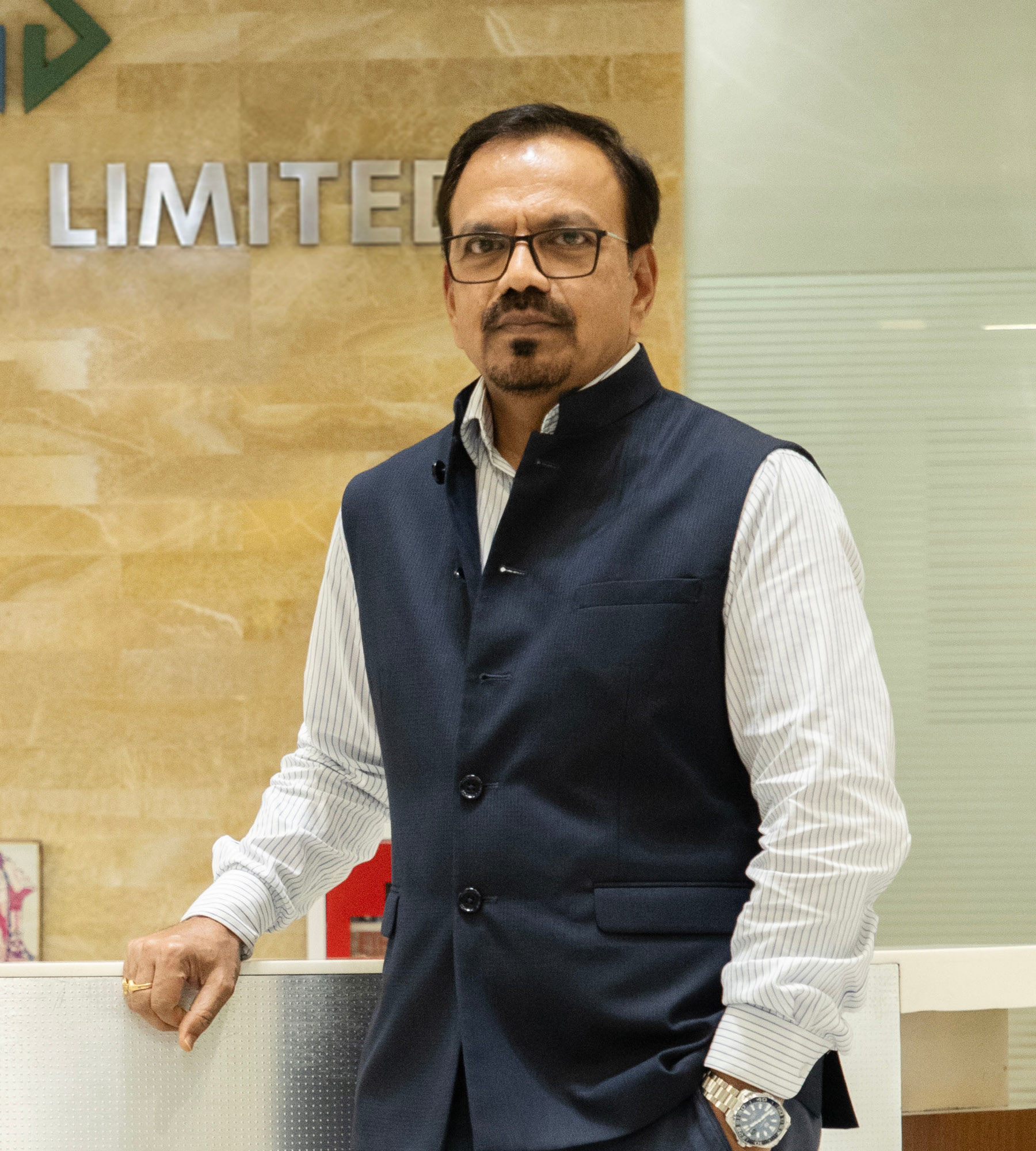
“Jute is a strong fiber and abundantly available,” CEO and Whole Time Director Rajappa Shivalingappa tells The CEO Magazine.
“State governments buy from jute manufacturers because there’s a policy from the central government mandating the use of jute products. Generally, we sell it as a sacking bag for the packing and storage of food grains and other end uses, for government projects and for the public distribution system.”
But this is far from the end of jute’s practicality; Gloster also creates products for agriculture, geo-textiles and insulation fabrics, as well as value-added products like dyed, laminated and chemically treated yarns, fabrics, carpets, mats, upholstery, furnishing fabrics, shopping bags and customized products.
“There are very few companies that have the manufacturing infrastructure that we have,” he says. “All in all, we export to over 40 countries and we have an almost 7,000-strong workforce, along with our subsidiary Gloster Nuvo.”
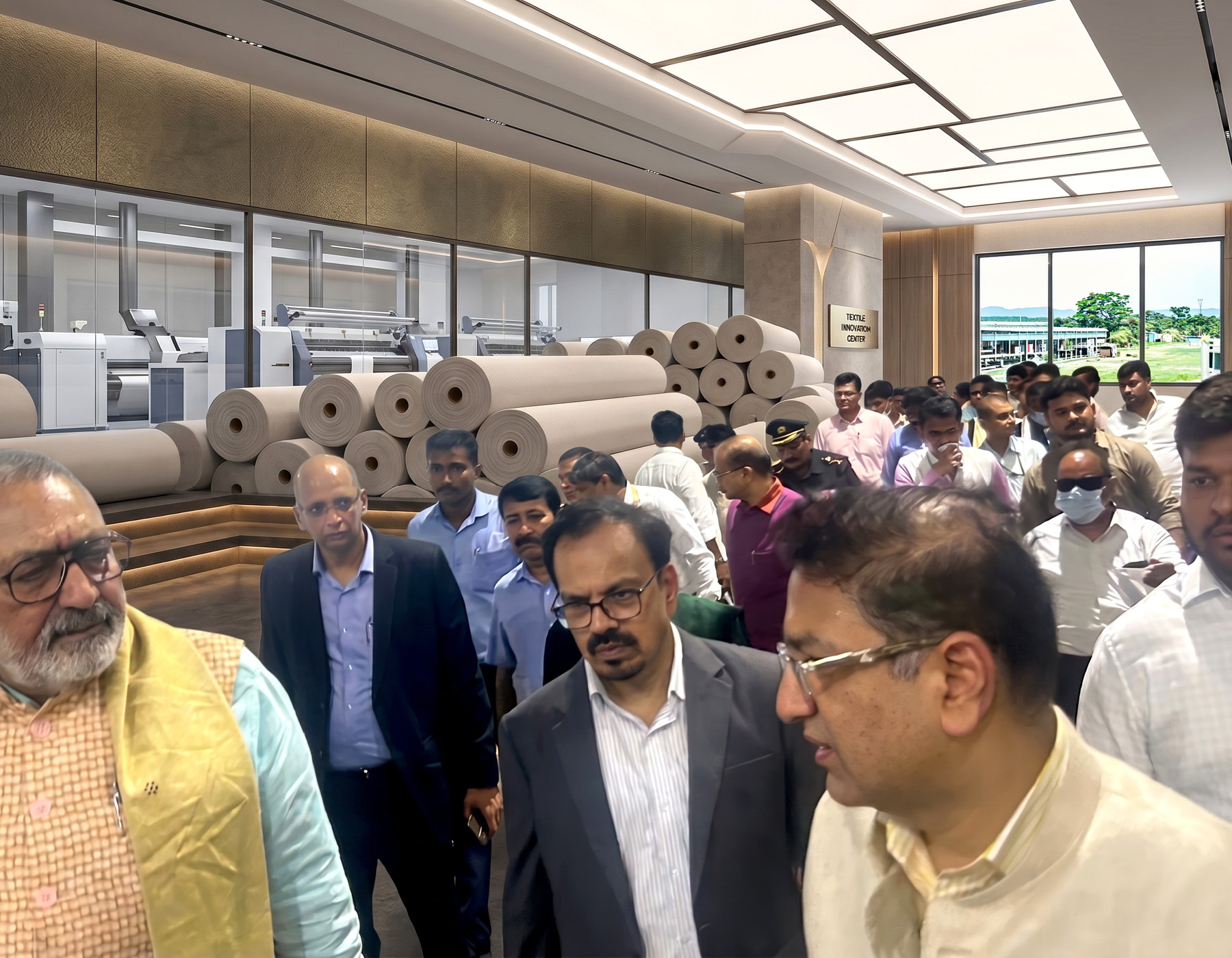
“We can produce any product which is required in the jute industry.”
Shivalingappa has accumulated 35 years of experience in the textiles industry, rising through managerial roles with responsibilities in supply chain, production, product management and project management. Over two decades, he built extensive leadership experience across the textile industry, known for combining operational experience with strategic insight, which culminated in his promotion to the helm of Gloster in May 2025.
“I joined this group as CEO of the new jute project they started, called Gloster Nuvo, which is a subsidiary of Gloster,” he recalls. “Then I became CEO and Whole Time Director of Gloster and continuing as Whole Time Director of Gloster Nuvo.
“This was a greenfield project, where we invested almost US$35 million in the first phase with a production capacity of 92 metric tons a day, which is further increased to 110 now. This will be enhanced to 130 in next 12–18 months.”
Shivalingappa reveals that construction of the second phase started with the outlay of US$35 million in Gloster Nuvo to produce finest-quality yarn for end uses like outerwear, home textiles such as furnishing and upholstery, and other value-added products.
“In Gloster, we are increasing capacities from 150 metric tons a day to 200. We are working on improving the capacity and quality of our nonwovens, modernizing the wet processing and doubling the capacity,” he says.
“With the enhanced capabilities and the brand image Gloster has, we have initiated the retail segment and a separate retail brand identity.”
Gloster prides itself on its technological leadership in the jute industry, Shivalingappa explains.
“We are always a few steps ahead of the industry in terms of technology absorption and coming out with varieties of products for multiple ends uses, including lifestyle and home textiles,” he says.
To find this operational edge, the company has looked at practices in similar industries.
“The textile industry is very much ahead of the jute industry in terms of technology,” he explains.
“Since the latest technology is not readily available for the jute industry for manufacturing fine yarns, we work with European machinery manufacturers who produce the machines for the linen and worsted industry, which are replicated for producing fine-quality jute and allied products. We have already invested US$2.37 million in the first phase of the Gloster Nuvo project.”

Gloster’s R&D team fosters innovation by creating new offerings through a comprehensive evaluation of customer needs, its current product portfolio, evolving consumer trends and regulatory updates.
“We are looking at establishing a center of excellence with pilot machines. We have a well-educated and experienced R&D team, having experience in the industry from 25 to over 40 years. The center of excellence will be ready within the next 12 months,” Shivalingappa explains.
“Sustainability is a key driving factor for Gloster and we embed sustainability in all our processes and products. We use eco-friendly OEKO-TEX-certified additives and processing chemicals in all our operations. We have replaced coal and heavy fuel oil and heavy diesel with jute caddies and gas, respectively, as boiler feed.
“We also installed solar power plants in our Ananya Unit and Gloster Nuvo to reduce the consumption of grid electricity. And we have reduced air emission of boiler dust through the installation of an electrostatic precipitator and various other endeavors have been taken care of to reduce the emissions.
“All these efforts have reduced Gloster’s emission intensity per ton of production from 0.64 megatons of total carbon dioxide in 2016 to 0.43 megatons in 2025.”
Regarding sustainable development, Gloster has found a way to incorporate sustainability with wider CSR goals in its village adoption schemes and organic jute farming schemes.
The company has consistently invested in CSR, reflecting its long-term commitment for community development. This includes supporting Fort Gloster Primary School and Gloster Higher Secondary School, arranging medical camps and health awareness drives through local healthcare providers and distributing essential healthcare items, as well as the installation and maintenance of sanitation facilities in the local area.
“We have an agreement with 380 farmers across two villages to supply jute fibers,” Shivalingappa reveals.
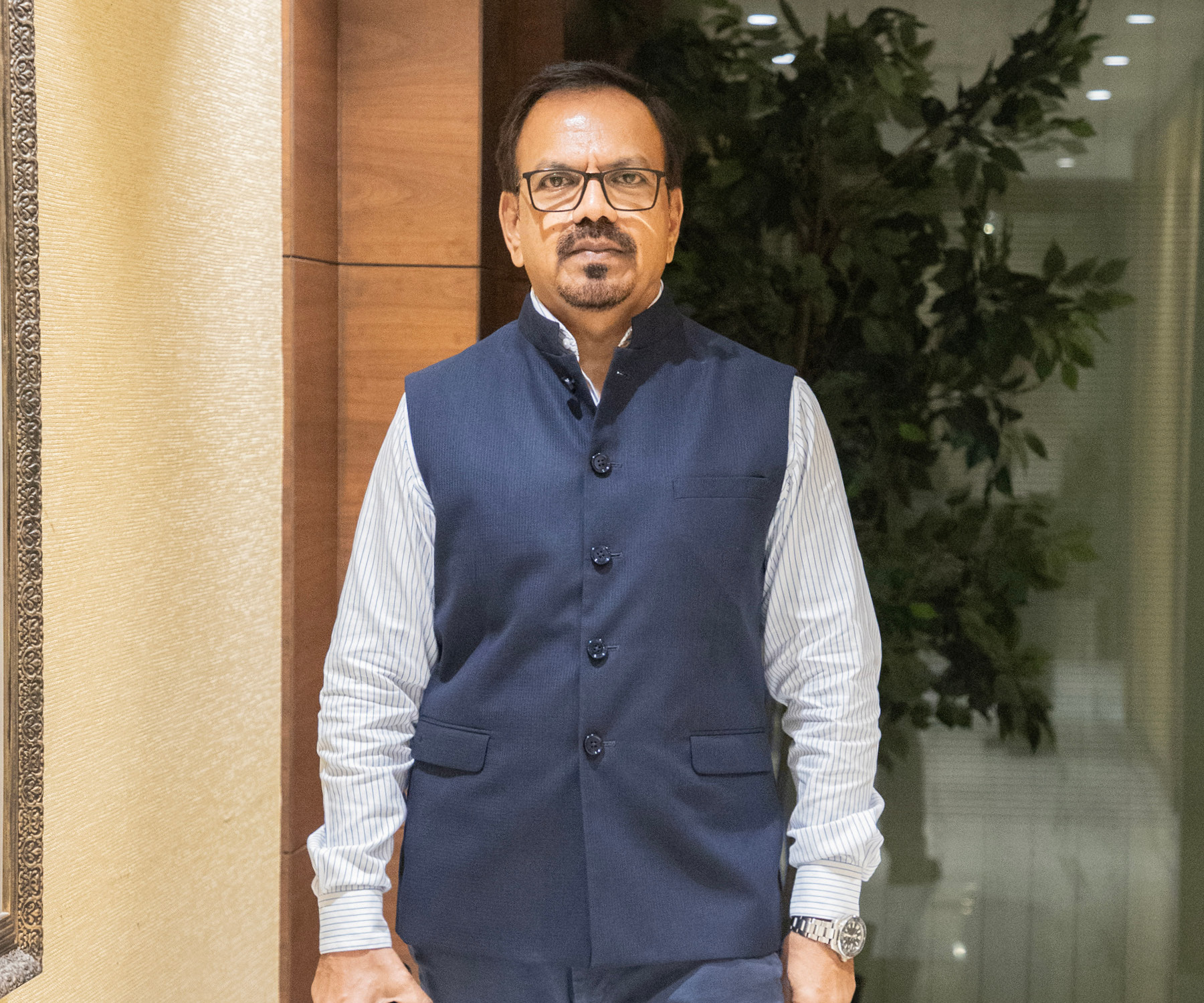
“We ensure that our existing suppliers are all well taken care of.”
“We provide them with free-of-cost fertilizers, seeds, modern farming equipment and retting tanks as per their requirements. We buy back the fiber at the market price and, in doing so, we provide economic support for the farmers.
“Apart from the adoption of villages, Golster encourages organic jute farming through the supply of jute seeds to 370 organic jute-producing farmers and we buy back their organic produce.
“Our CSR expenditure has shown a steady upward trend rising from 303 percent since the 2018–19 financial year.”
Like any business operating effectively on a global scale, Gloster has established trusted and mutually beneficial partnerships.
“We work closely with reputed institutions like ICAR–National Institute of Natural Fibre Engineering and Technology, Central Research Institute for Jute and Allied Fibres, National Jute Board, Indian Jute Industries’ Research Association and National Institute of Fashion Technology for processes and products improvements,” Shivalingappa points out.
“We pay the right price to suppliers so that they prefer to supply us, rather than going somewhere else.”
The company’s cordial relationships with partners such as DN Associates are vital to securing long-term success.
“Our collaborative approach with all our business associates embeds a sense of stability and reliability to our partners,” Shivalingappa concludes.
 RELATED ARTICLES


 Home
Home
 Podcasts
 Covers
 Be Featured
 Community