Language
You can read the magazine in one of the following languages
5-min read

 Bookmark now

 Copy Link
It may be in the business of transportation, but Hitachi Rail STS India’s reach extends far beyond its enormous train system.
“Our mission goes beyond moving trains safely and efficiently – we believe in moving society forward,” explains Director and Head of Hitachi Rail STS India, Manoj Krishnappa.
“While our cutting-edge rail technology ensures safety and reliability across India’s transport systems, our commitment to corporate social responsibility (CSR) reflects our deeper purpose: making a meaningful difference in people’s lives.”
This pledge, which directly impacts and improves the lives of the people Hitachi Rail STS India comes into contact with, is manifested in various ways.
“As part of our CSR vision, we have actively supported key sectors like healthcare and education, aiming to uplift communities and enable inclusive growth,” Krishnappa says.
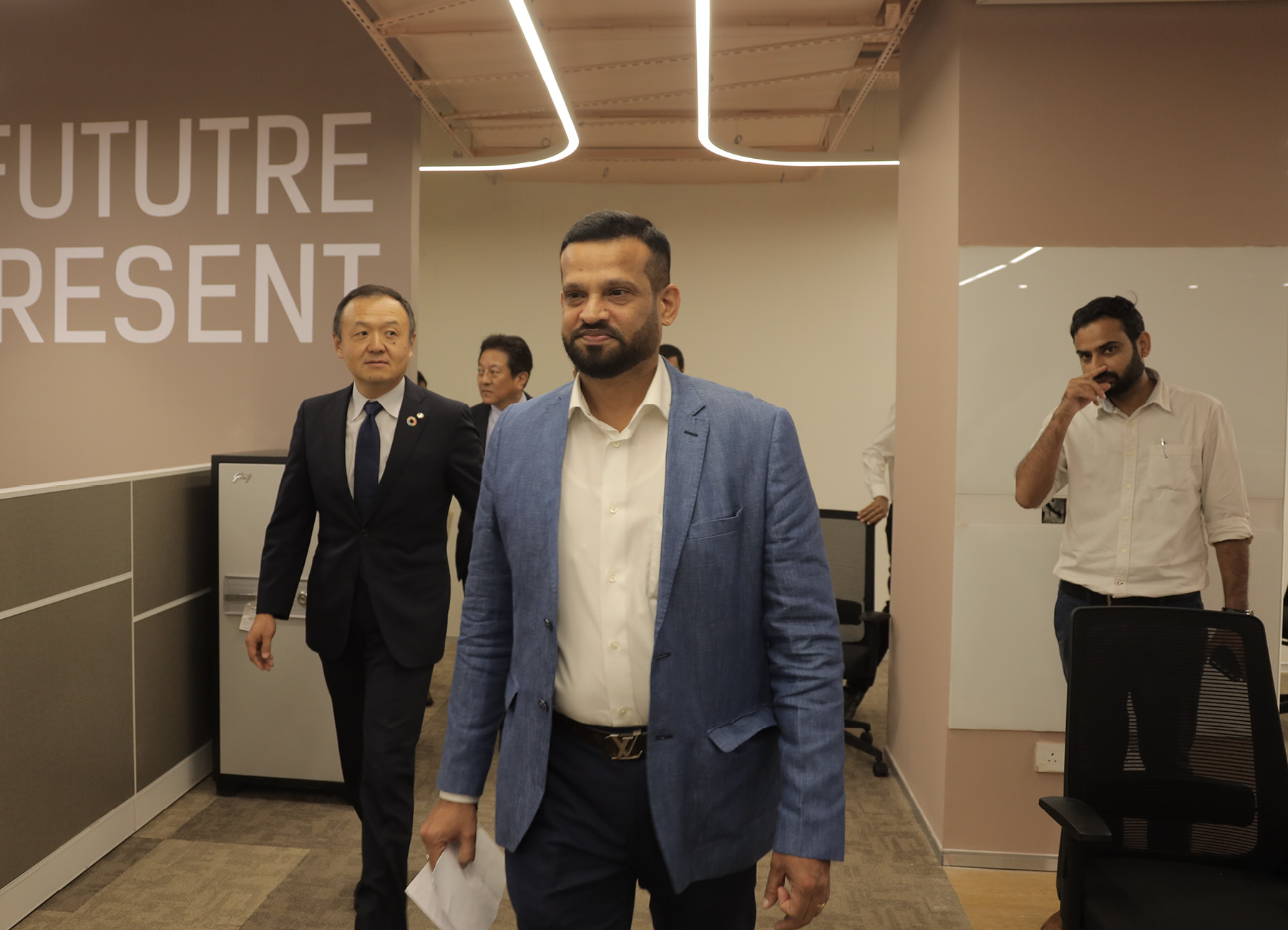
“Our mission goes beyond moving trains safely and efficiently – we believe in moving society forward.”
“During the past few years, Hitachi Rail STS India has proudly donated ambulances to Dr MC Modi Charitable Eye Hospital and Sanjay Gandhi Institute of Trauma and Orthopaedics, strengthening emergency response capabilities for hundreds of patients in need.
“In addition, we contributed high-end medical equipment to Victoria Hospital, Bengaluru, enhancing critical care facilities at one of the city’s most vital public health institutions.”
Initiatives have also included the transformation of infrastructure at two public educational institutions in Bengaluru – a tangible and life-changing reflection of the company’s ongoing commitment to social impact.
“At the Government Lower Primary School in Koramangala, we undertook comprehensive interior renovation to create a brighter, more engaging learning space for children,” Krishnappa says.
“Similarly, at the Government First Grade College in Cox Town, we supported facility upgrades aimed at improving academic delivery and supporting higher education access for underprivileged students.”
The India operation is part of the wider Hitachi Rail Group, whose history reaches back to 1853 when it was founded as Italian engineering firm Gio. Ansaldo & C. in Italy. The rail company was later bought by Japanese conglomerate Hitachi in 2019.
Krishnappa, who has been with the organization since 2010, says its evolution over the past 15 years has been significant, with major metro projects, partnerships and even the execution of Asia’s largest electronic interlocking network.
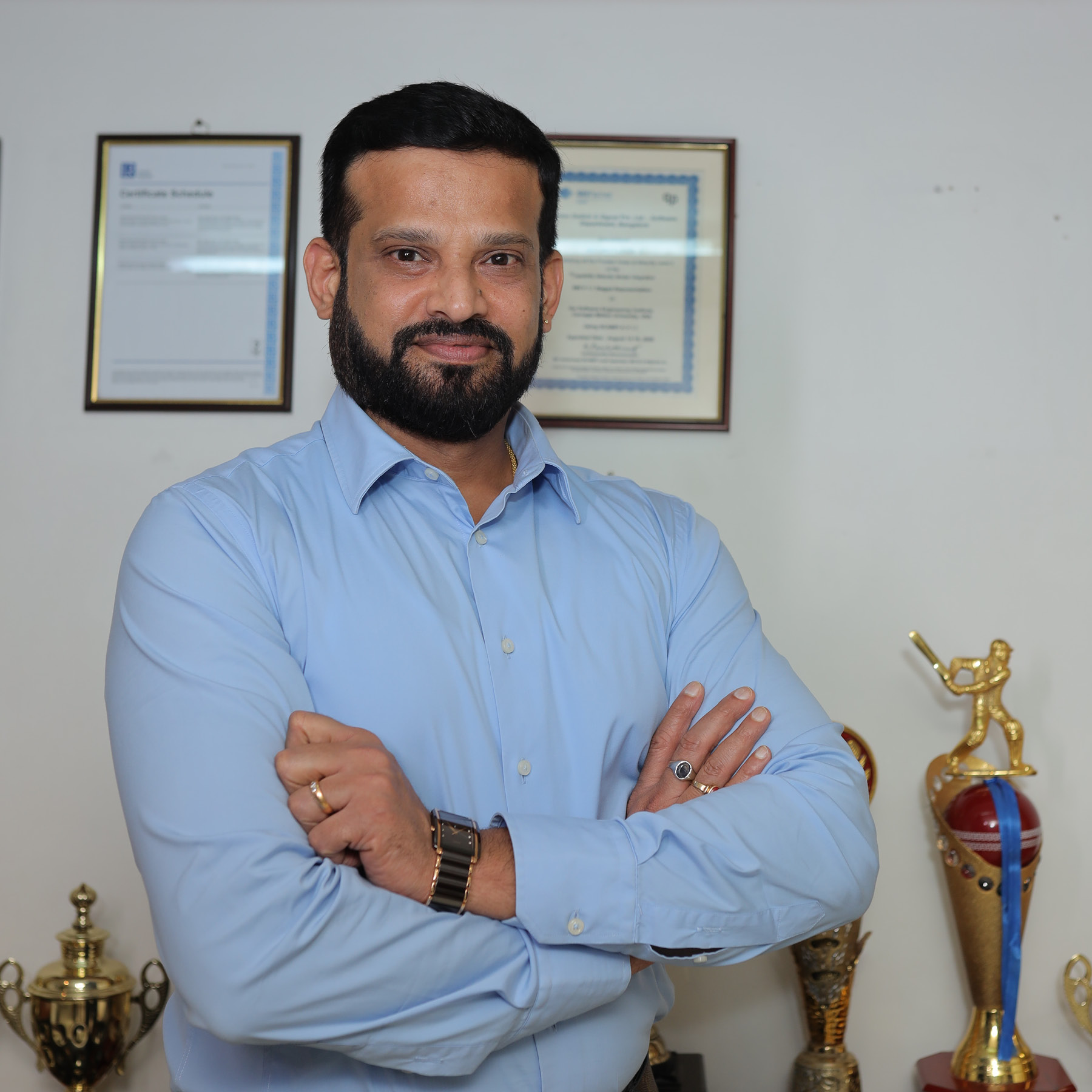
“The top priorities are reducing emissions at both manufacturing and operations levels.”
Now, with its sights set on achieving carbon net zero by 2030 (and across its entire value chain by 2050), Hitachi Rail STS India is continuing to take steps to make its operations as green as possible, according to Krishnappa.
“The top priorities are reducing emissions at both manufacturing and operations levels – by electrifying plants, using renewables and focusing on energy efficiency – and across the value chain,” he explains.
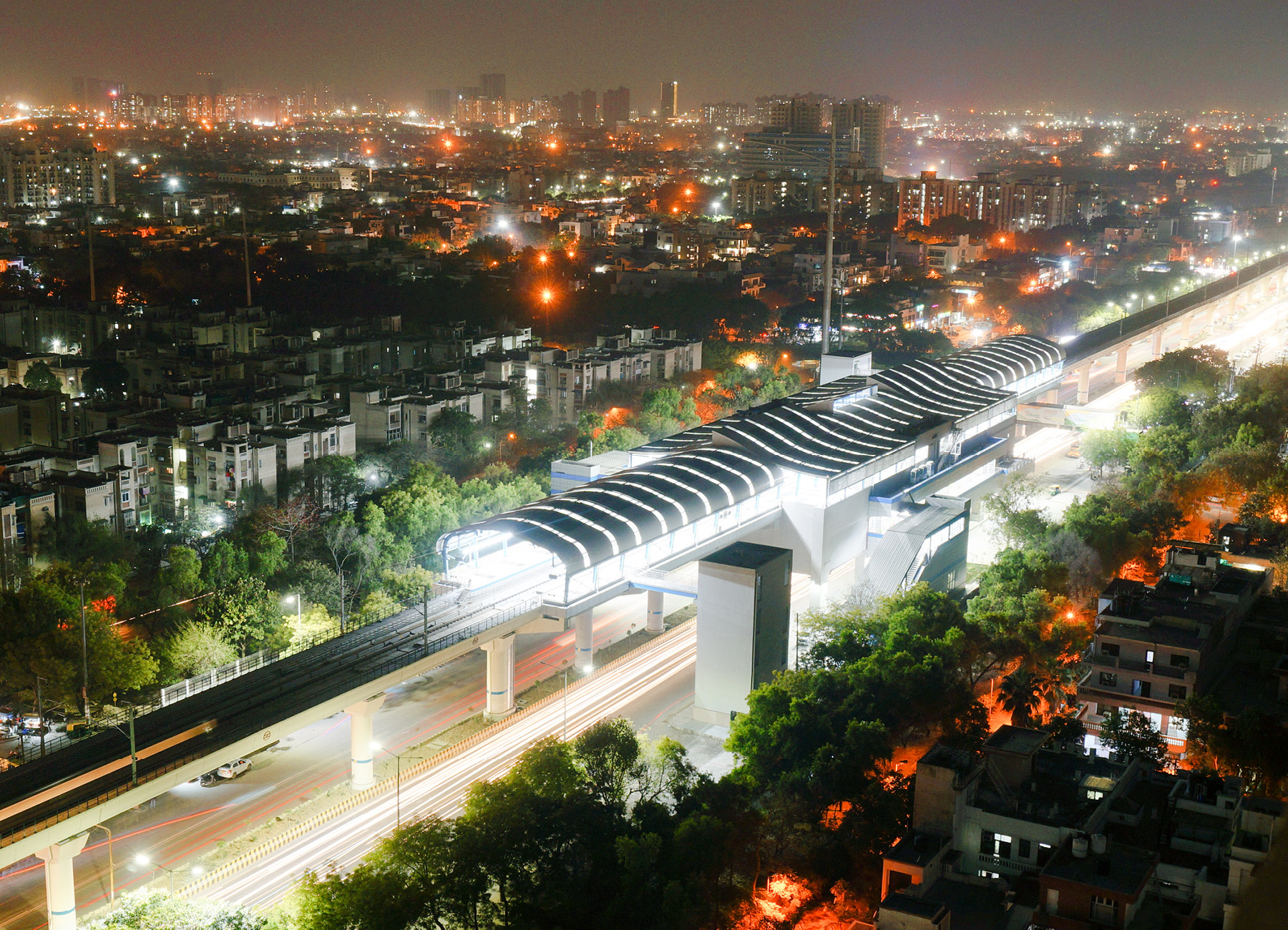
“We’re utilizing regenerative braking, lightweight materials and battery hybrid train options to reduce traction energy consumption on non-electrified links, as well as smart operations and traffic optimization to reduce energy per passenger-kilometer.”
Given that traveling by train is a considerably more sustainable option than most other major forms of transportation, especially cars, Krishnappa enthuses that supporting the industry ultimately benefits not only the entire country, but also the whole globe.
With company-wide digitalization and the incorporation of automation, AI and smart mobility as a main priority, Hitachi Rail STS India will also continue shrinking life cycle emissions through predictive maintenance to extend asset life by reducing emergency replacements and unnecessary part shipments, among other benefits.
“Early career programs, apprenticeships and internships are essential to build the pipeline of signaling, software and system-integration skills so that the local workforce is equipped for these changes,” Krishnappa says.
“We have actively supported key sectors like healthcare and education, aiming to uplift communities and enable inclusive growth.”
“Collaborations with local engineering colleges, as well as vendor upskilling and supplier developments, result in growing capabilities in embedded systems, data science and systems-of-systems engineering.
“We are also using digital learning, simulated control room training and vendor-supported certification for safety-critical roles.”
A shining example of everything that Hitachi Rail STS India stands for, its Noida Metro incorporates energy-efficient technology built into all of its 21 stations across the nearly 30 kilometers of tracks.
As it continues to work with the Indian government on preparing Indian cities for the broader rollout of driverless metro systems, Krishnappa says the company is employing a layered approach.
“We are focused on end-to-end systems integration – signaling, telecoms, automatic train control, depot systems, platform screen doors and passenger info – which have been validated in Indian projects such as Noida and Kolkata East-West and Navi Mumbai Metro Line 1. These projects create operational blueprints for future driverless corridors,” he says.
“We are also looking at staged commissioning and safety governance, with the gradual removal of manual controls, phased automatic train operation trials and a close partnership with the Commissioner of Metro Rail Safety and local agencies.”

“Streamlined processes, advanced technology and optimized resource allocation enable efficient operations.”
Dealing with projects of such an immense scale, there are understandably still several challenges to address, such as regulatory and safety acceptance for unattended train operations across states.
“There’s also the issue of legacy network heterogeneity (mixed fleets, platform gaps and civil constraints), which makes ‘lift-and-shift’ of driverless tech non-trivial,” Krishnappa says.
“Plus urban interface issues, including grade crossings, station retrofits and complex depot operations that require civil and systems changes.”
With a network spanning cities, systems and suppliers, it’s essential that every part of the ecosystem works effectively. Through partnerships with suppliers, as well as plans to expand its local manufacturing and assembly of signaling and equipment in India, Hitachi Rail STS India is keeping business firmly rooted within its communities.
“Streamlined processes, advanced technology and optimized resource allocation enable efficient operations,” Krishnappa explains. By building resilient supply chains, the risks are mitigated, we can ensure timely delivery and we always maintain our high quality.
“Fostering collaboration with suppliers, partners and stakeholders enhances our overall performance, and by embracing innovation and digitalization, we’re constantly increasing operational efficiency at the same time as reducing costs and enhancing customer satisfaction.”
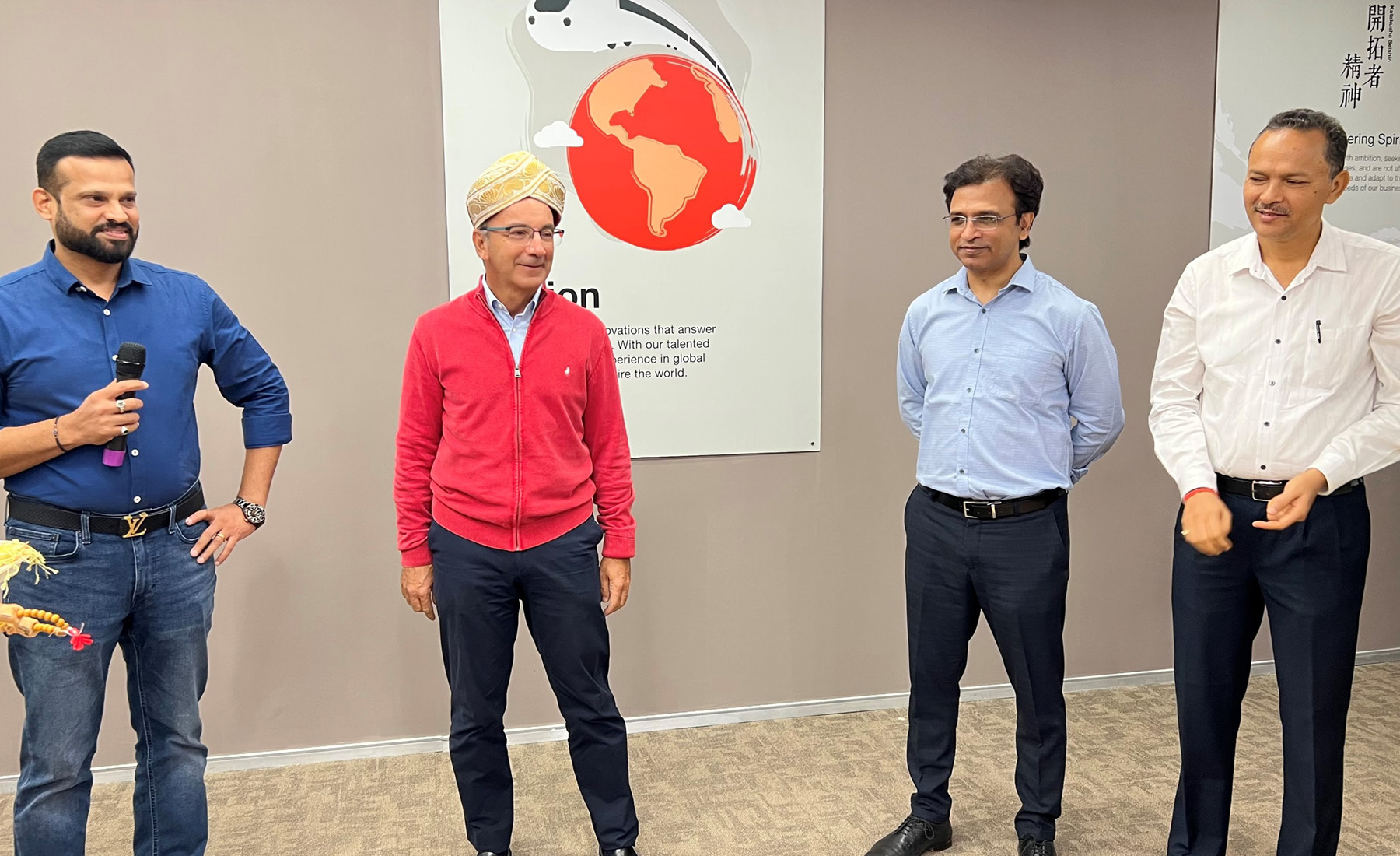
“Fostering collaboration with suppliers, partners and stakeholders enhances our overall performance.”
With its sights set on the exponential improvement of the numerous regions that the company interacts with – both through its ongoing goal to deliver a sustainable, safe, affordable and accessible transport system, and its social outreach programs – it’s clear the impact will be ever-expanding.
“Hitachi Rail STS India remains dedicated to being a responsible corporate citizen – moving more than just trains, but also progress and hope across the communities we serve,” Krishnappa concludes.
“Together, we move society forward – one initiative at a time.”
 RELATED ARTICLES


 Home
Home
 Podcasts
 Covers
 Be Featured
 Community