Language
You can read the magazine in one of the following languages

6-min read

 Bookmark now

 Copy Link
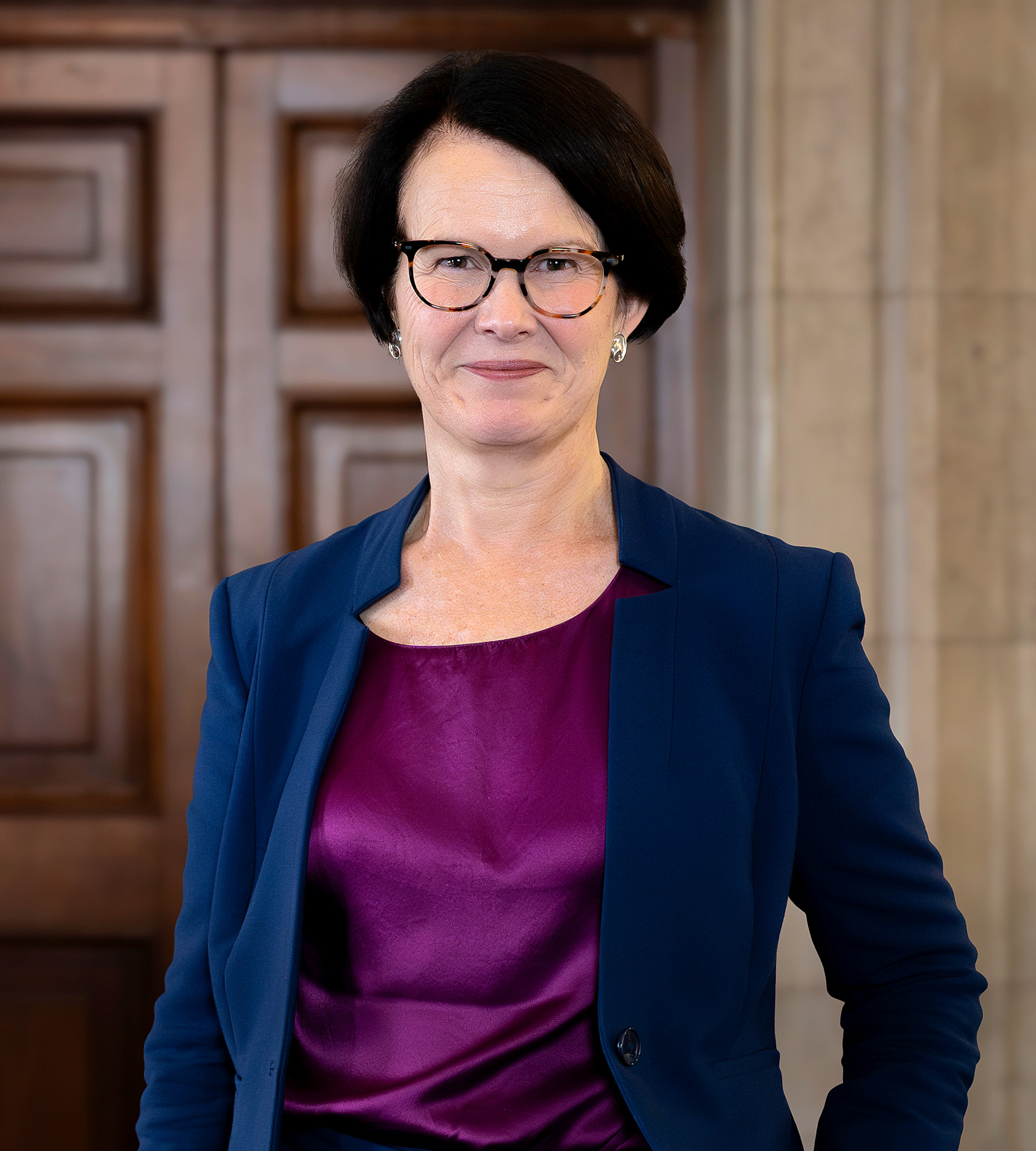
Having spent more than two decades in the higher education sector, Professor Jane Norman is a staunch advocate for the power of research. Yet she admits it wasn’t a career she initially intended on pursuing.
“I was going to be a clinical doctor,” she tells The CEO Magazine.
“Then I did some research fairly early on because somebody said it would be a good thing to do and I was just kind of captivated by the ability to make things better and answer questions that were important to people, to my patients.
“So I spent 15 years doing both research – that kind of academic activity, some teaching – but also clinical practice.”
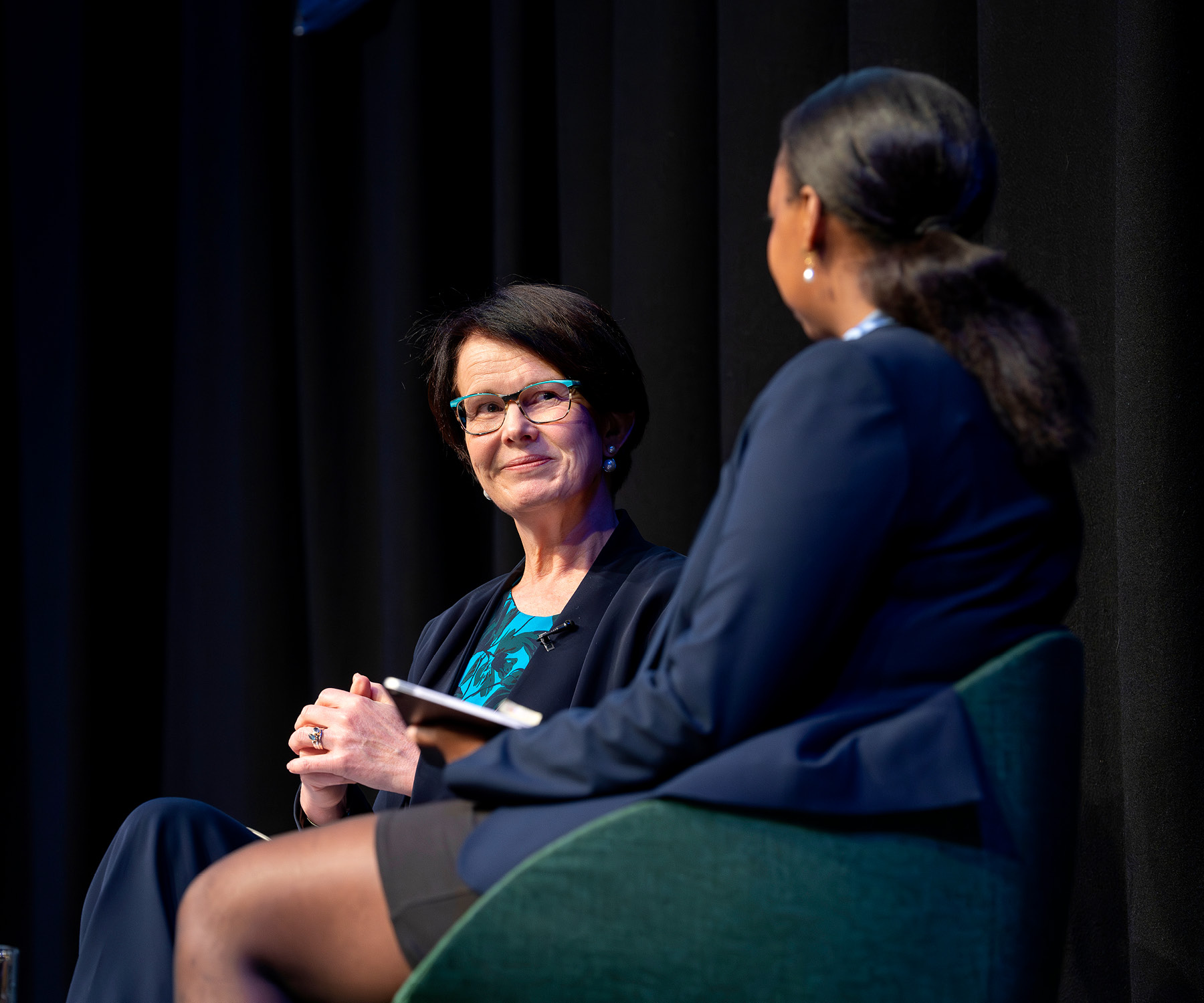
“The thing that was really exciting me was not necessarily doing my own research, it was helping my team do their stuff.”
Splitting her attention between these worlds gave Norman an invaluable perspective that she has utilized ever since, in all aspects of her life.
“I found the thing that was really exciting me was not necessarily doing my own research, it was helping my team do their stuff,” she explains.
“I really enjoy helping people do the best they can, and I find it really interesting thinking about how organizations work and how they enable the brilliant people in them to do the brilliant stuff. So I became more and more interested in leadership activity.”
Her journey from clinician to researcher to university leader has been defined by a consistent ambition: to improve lives through knowledge, discovery and opportunity.
Today, as President and Vice Chancellor of the University of Nottingham, Norman leads a globally recognized institution, placed 97th in the QS World University Rankings 2026 and 17th in the United Kingdom.

More than 97 percent of its research is internationally recognized and it ranks seventh in the United Kingdom for research power. It’s clear that these metrics reflect not only academic excellence but a broader institutional ethos: research with purpose.
At Nottingham, research is not confined to theory but designed to translate into real-world impact. From pioneering MRI technology – developed by Peter Mansfield, who was awarded the Nobel Prize in 2003 – to cutting-edge work in modern slavery, cancer diagnostics and neurodegenerative diseases, the university has built a reputation for innovation that delivers tangible outcomes.
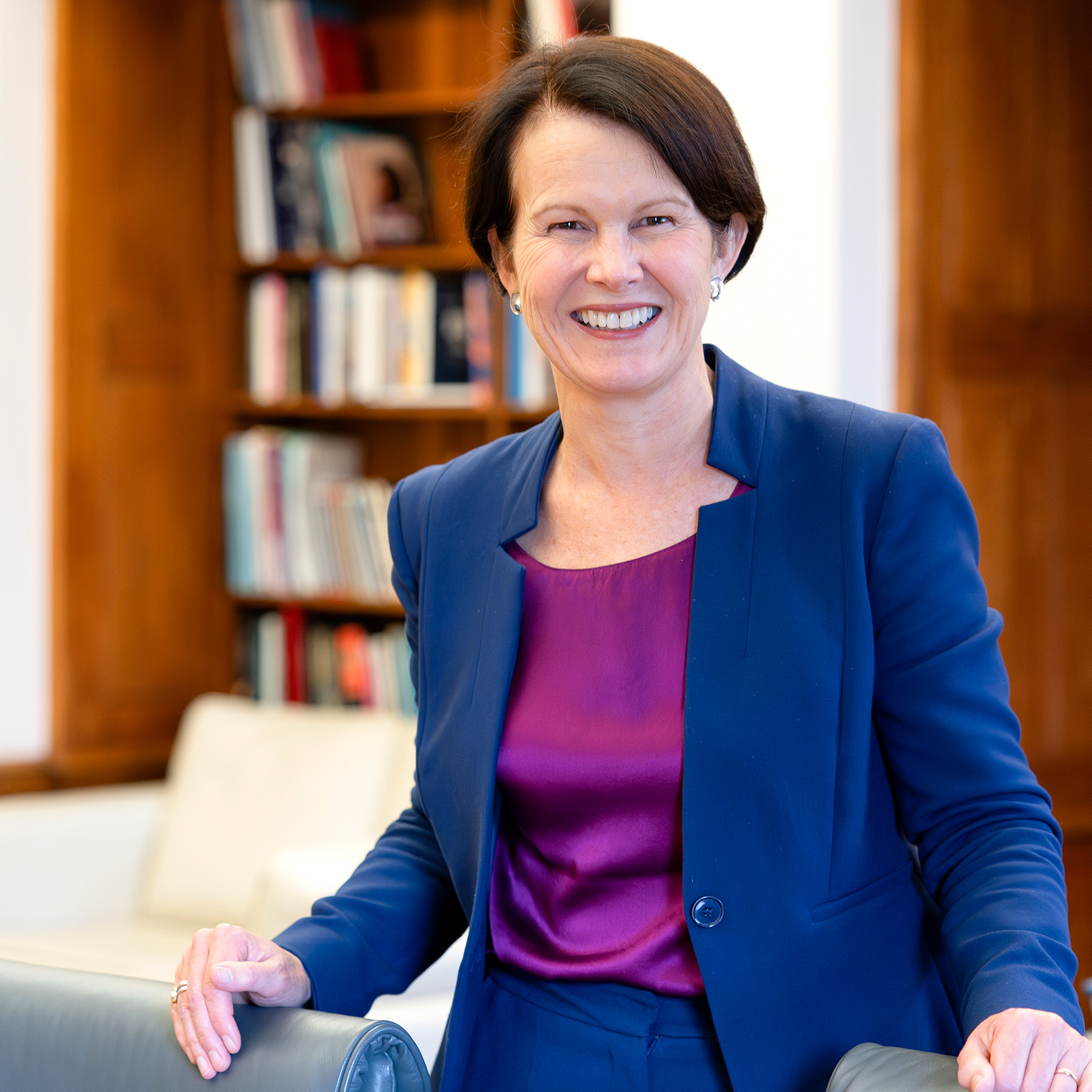
“One of the brilliant things we have is as a community is that we are very collaborative and interdisciplinary.”
“Faculty come here because they know we are a research intensive university,” Norman explains. “We support their research. Of course, we rely on the researchers themselves to develop the brilliant ideas, but we provide an ecosystem within which they can let those ideas thrive.
“One of the brilliant things about Nottingham is that we are a very collaborative and interdisciplinary community.”
A new ultra-high field MRI facility currently under construction will house the United Kingdom’s most powerful scanner and the second most powerful in the world. Its potential is transformative, offering new insights into conditions such as Alzheimer’s disease, Parkinson’s disease and brain tumors, while advancing understanding of human metabolism and organ function.
Equally impactful is the university’s Rights Lab, which has earned a Queen Elizabeth Prize for its work tackling modern slavery. By combining geospatial mapping with policy and business tools, the initiative has helped organizations identify and eliminate forced labor in supply chains, demonstrating precisely how academic research can directly influence global issues.
Crucial to Nottingham’s identity is its pioneering tri-campus model, spanning the United Kingdom, Malaysia and China. Established with the launch of its Malaysia campus in 2000 and Ningbo, China in 2005, the model positioned the university as a trailblazer in transnational education long before it became a strategic priority for governments.
“The vision was universities as global places and that education is a global good,” Norman enthuses. “And why wouldn’t we want to export our education around the world? We give students a much broader experience than they would have otherwise and it gives us that a global approach that other universities may not have.”
Today, with almost 50,000 students and a global alumni network of more than 350,000, Nottingham operates as an utterly international institution. Its campuses serve as a bridge between Asia and Europe, fostering collaboration across borders as well as disciplines.
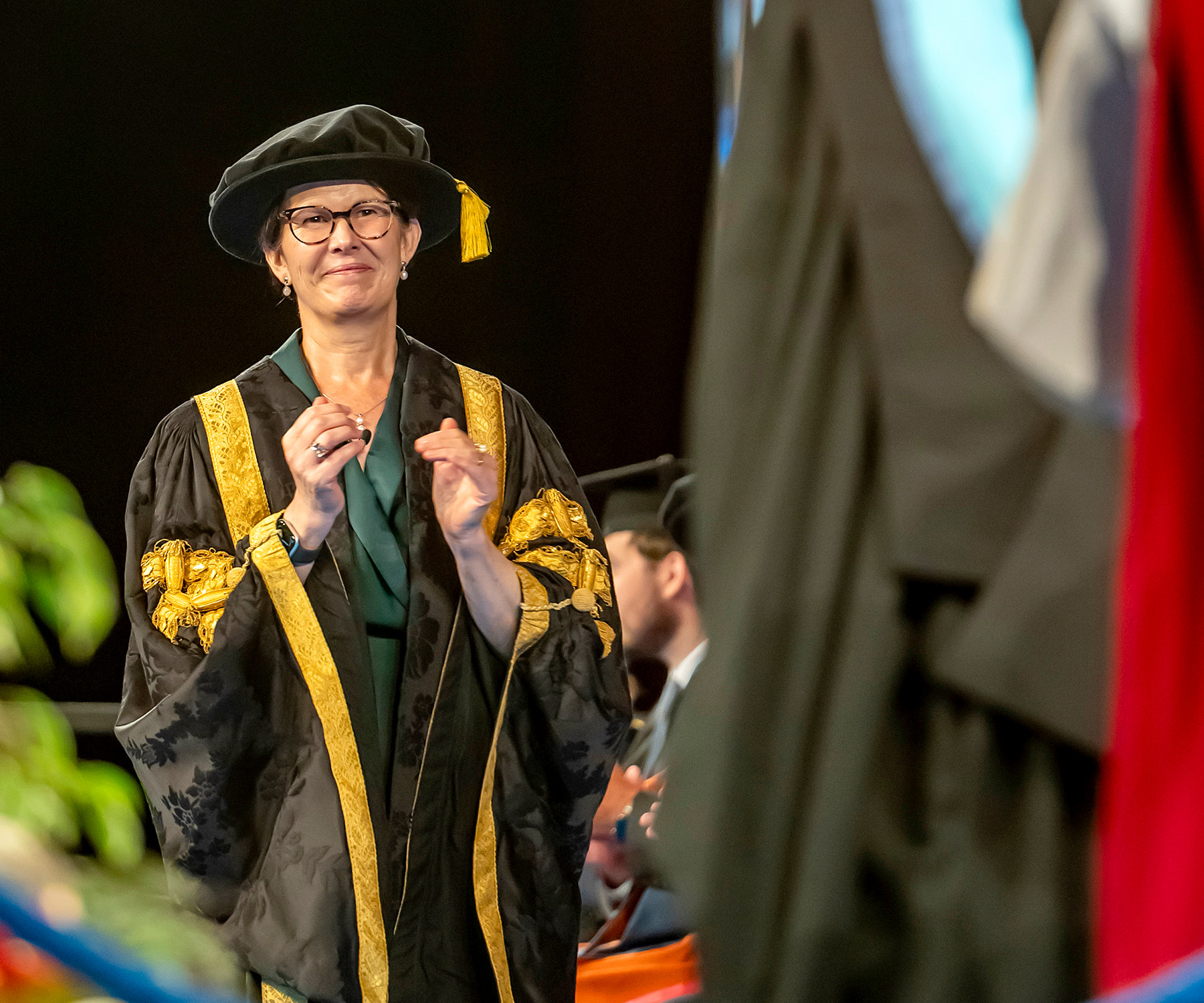
“We help students acquire the skills they need to be future leaders, great employees, wonderful citizens and make the most of their life.”
“We help students acquire the skills they need to be future leaders, great employees, wonderful citizens and make the most of their life,” Norman says.
“And that’s part of our academic offer. It’s part of the extracurricular activity and it’s part of the kind of challenge that we pose to them. The fact that you can study in the United Kingdom, in China, in Malaysia with that triple accreditation from that same business school is unique and gives us a really interesting offer to people who are interested in that global approach to work and study.
“Workplace experience is really important. We’ve got a great career service and we like to keep in contact with our alumni for the rest of their lives and support them through their career journey.”
Beyond education, Nottingham is a powerful engine of both innovation and commercial capabilities, launching more than 40 spin-out companies spanning healthcare to deep tech and raising over US$135 million in venture capital in the past five years.
In addition to ensuring the most up-to-date technological tools are utilized, as well as through collaborations with an essential network of trusted suppliers, such as construction company GF Tomlinson, the university is able to ensure an environment that allows academics to do their very best work.
“That means things need to work,” Norman says. “Students need to be able to go to access the tools and materials they need to support their learning journey, and academics need to be able to walk into a room or lab and know that the facilities and equipment are well maintained to enable their teaching or ensure their research can be delivered seamlessly.
“This doesn’t just happen. Across the institution, we rely on the expertise and knowledge of experienced specialist colleagues, including our senior-leading network of technicians, whose essential work ensures safety, compliance and effective practical teaching.”

The university produces more graduates entering highly skilled employment than any other United Kingdom institution and is consistently ranked among the top five most targeted universities by leading employers.
As well as strong connections with a wide network of organizations across the United Kingdom and internationally – from JP Morgan, ASOS, Unilever and PepsiCo to The Walt Disney Company, GSK and Deloitte – students are also able to benefit from long-established partnerships with major engineering firms including Rolls-Royce and Siemens, alongside a diverse ecosystem of small to medium-sized enterprises.
These connections provide them with valuable opportunities, from year-long engineering placements in areas such as aerospace, materials science and advanced manufacturing, to industrial internships focused on automation, digital manufacturing and product development.
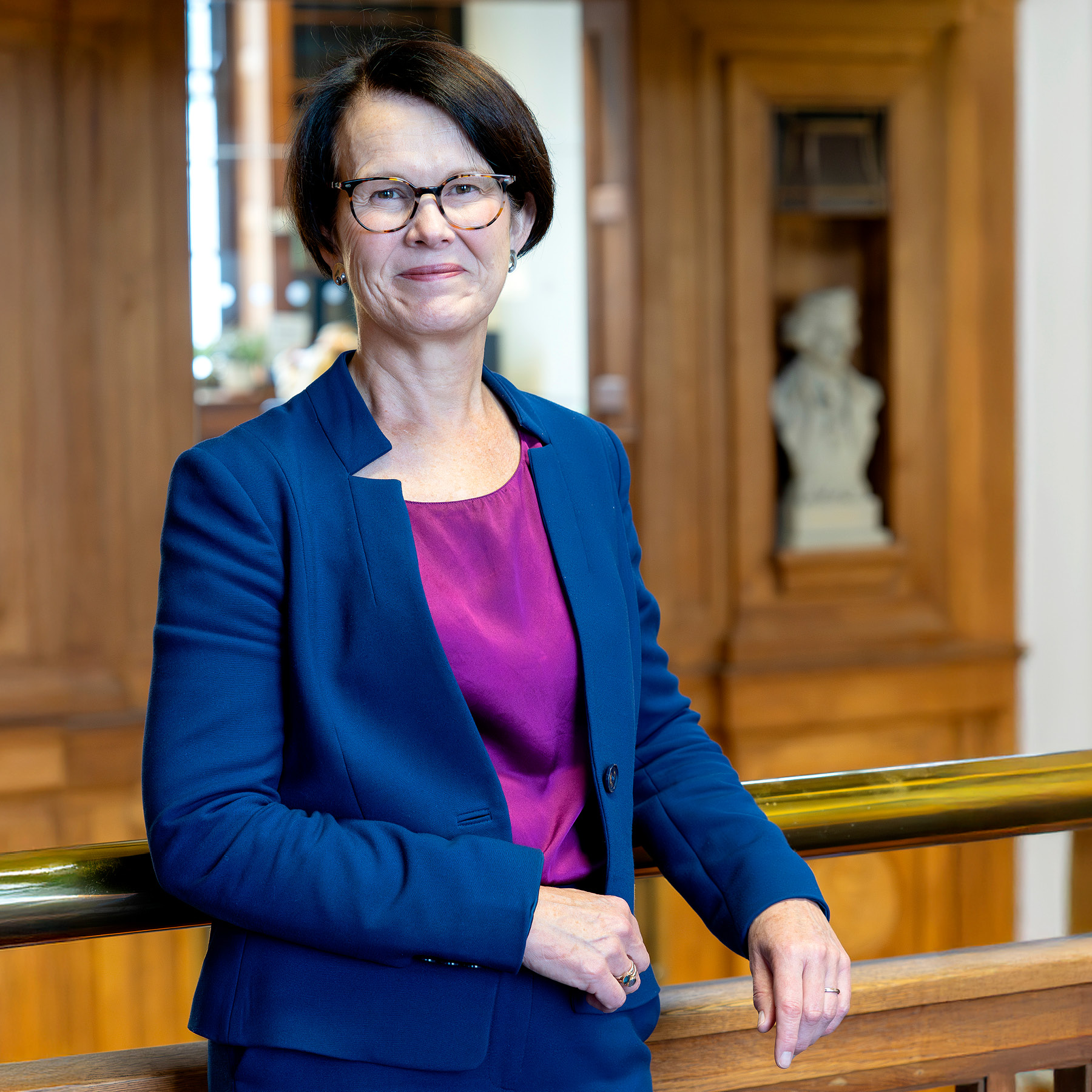
“Through the breadth of both our academic experience and our extracurricular experience, we really develop individuals into leaders.”
From here, the future for University of Nottingham – not to mention its students and faculty – is immensely bright.
“What is our secret?” Norman ponders. “Through the breadth of both our academic experience and our extracurricular experience, we really develop individuals into leaders, thinkers and people who can work in teams.
“They can not just absorb information and retain it and regurgitate it, but they can critically analyze it. They can work across different boundaries. So I think what we do is not only give people information, but we teach them how to think.
“We teach them how to engage with the world. We teach them how to have difficult conversations. We teach them how to manage uncertainty. We teach them how to get new knowledge because things keep changing.”
 RELATED ARTICLES


 Home
Home
 Podcasts
 Covers
 Be Featured
 Community