Language
You can read the magazine in one of the following languages
5-min read

 Bookmark now

 Copy Link
A more sustainable future begins with the earth beneath our feet. Whether that means enriching it or simply refraining from siphoning its resources depends on whoever’s making the improvements.
In the oil and gas-rich nation of Brunei, a national development plan has been implemented. The goals of Wawasan Brunei 2035 are numerous: to create a sustainable economy that is no longer dependent on oil, to enhance the quality of education and infrastructure, to boost tourism and to expand industries such as information and communication technology and green technology, all within the next decade.
It will take a nation to achieve this, which is why people and businesses from all walks of life are getting involved. One key player is Brunei Fertilizer Industries (BFI), a government-owned fertilizer manufacturing plant that’s relatively young but is set to play an important role in the nation’s greener future.
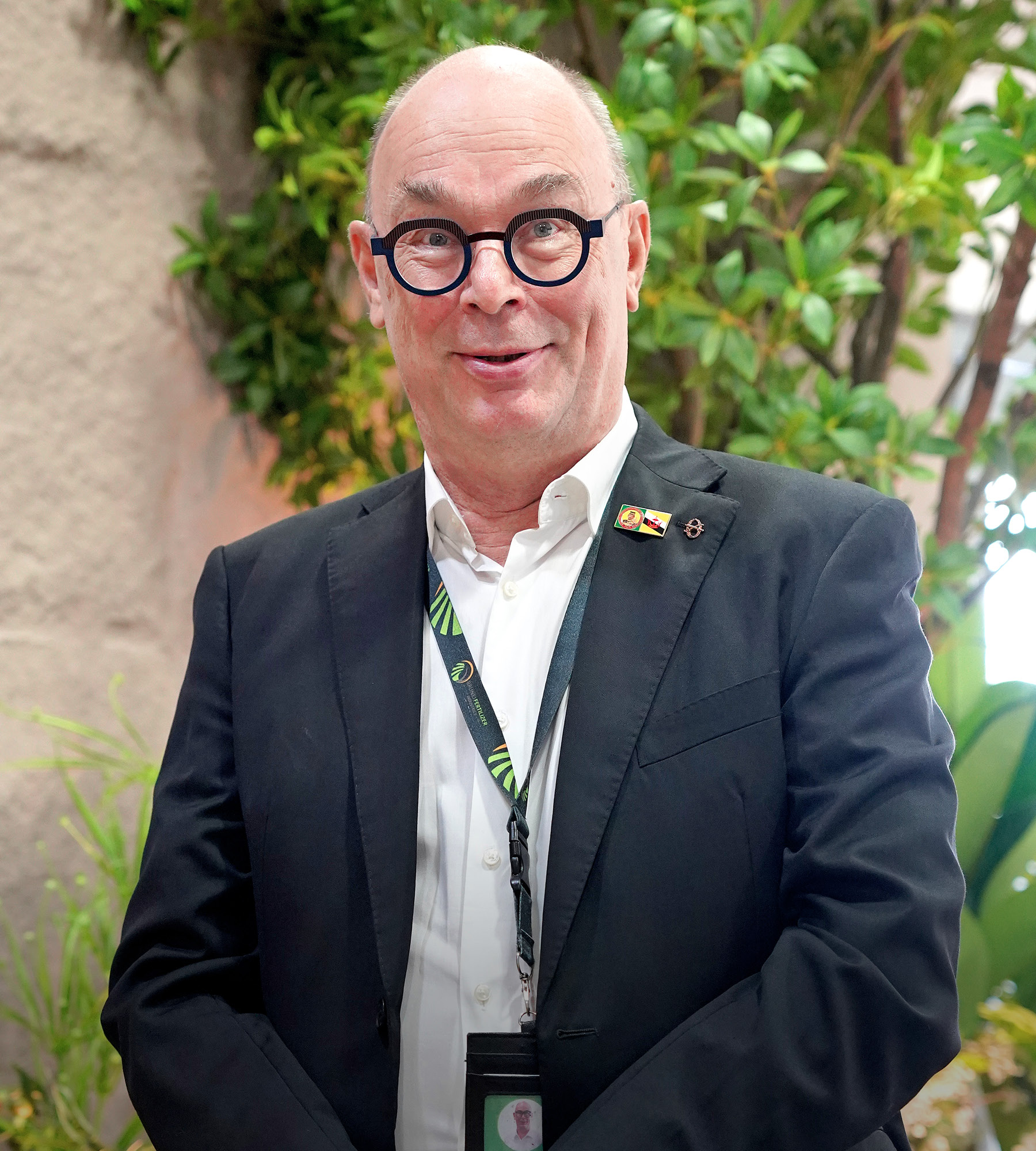
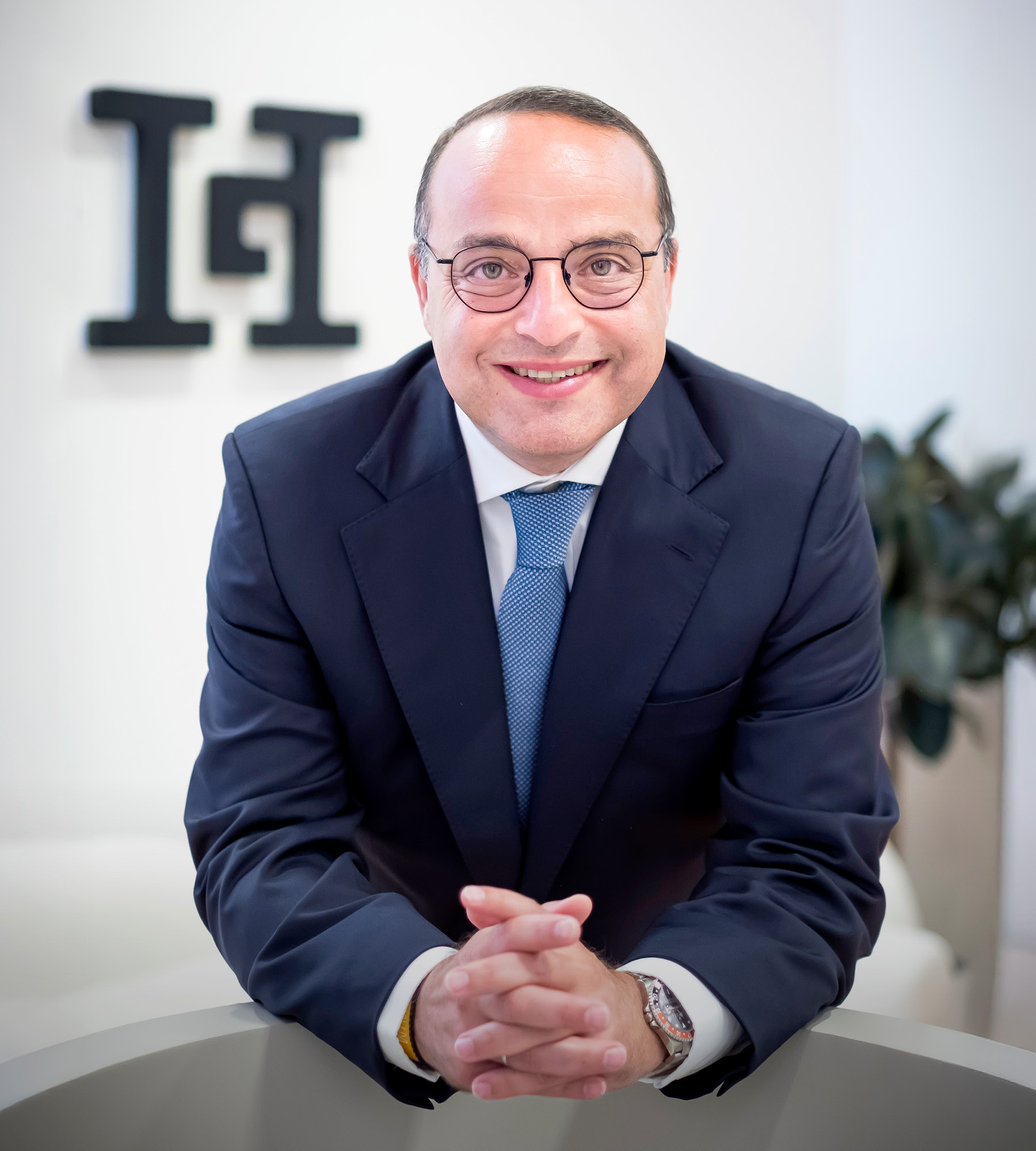
“We are the first of our kind in Brunei,” says Harri Kiiski, CEO of BFI. “So it’s difficult to predict the challenges ahead, but I think what’s required is to be agile, ready for change, resilient and to make sure you manage the business well.”
Kiiski, a veteran of the agricultural fertilizer industry, has already achieved remarkable results since he took the top job at BFI in late 2022.
“We’ve been in commercial operations since January 2023, and we have our operational excellence program, Way of Working, now in place,” he says.
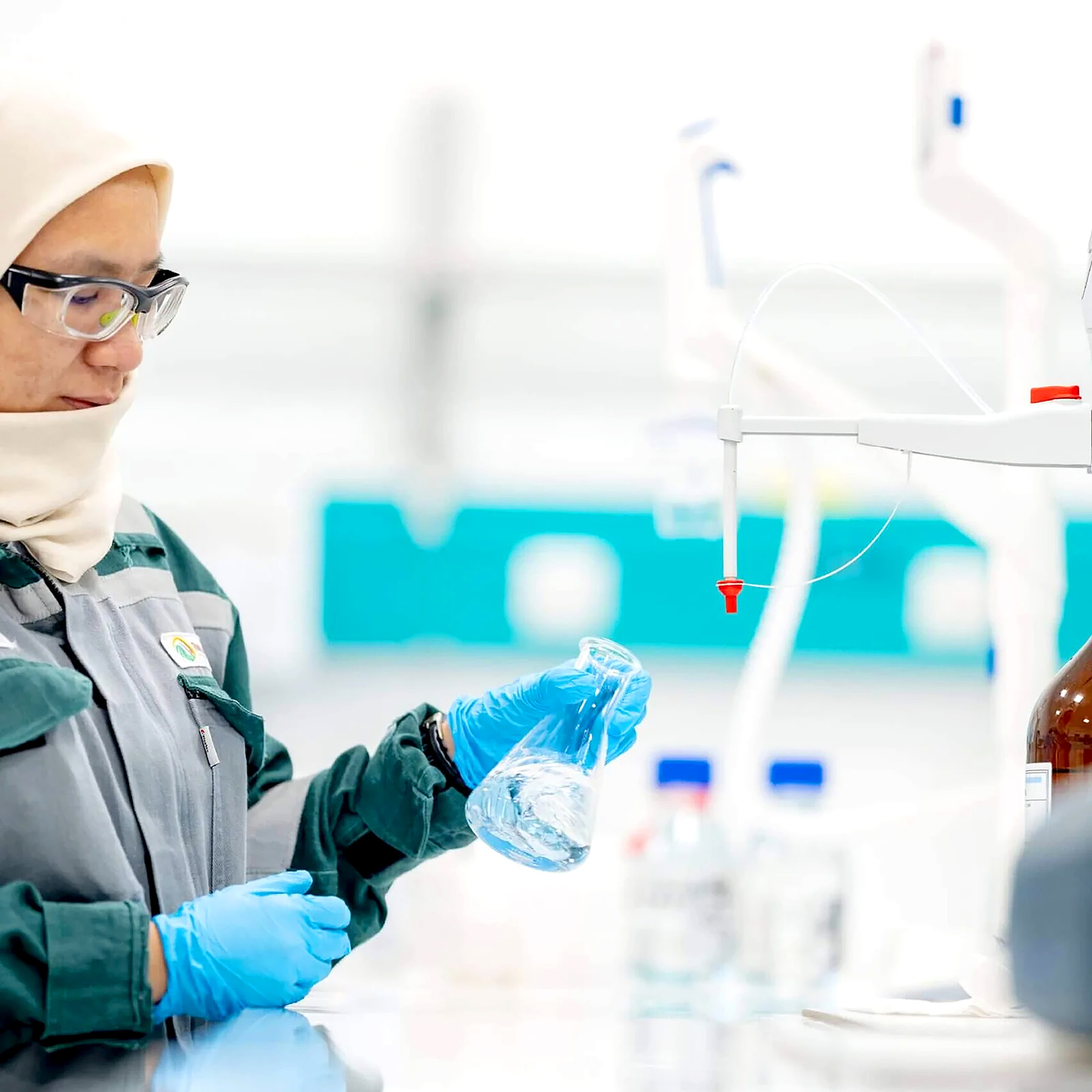
“The only thing that differentiates us from our competitors is our service.”
To date, BFI’s state-of-the-art ammonia and urea plant, which is located on a 55-hectare site in the Sungai Liang Industrial Park in the Belait District of Brunei, has already exported over US$500 million in fertilizer products and achieved 4.2 million safe working hours.
“That’s a world-class performance by our benchmark crew,” Kiiski says. “The fertilizer industry at large manages, on average, four accidents per million working hours; we have none. That’s a remarkable achievement from the team.”
With safety as a bedrock, BFI is now working to streamline its operations before going green and blue. Building the new ammonia plant was itself an act of sustainability undertaken by the government.
“The ammonia process is 110 years old, one of the oldest inventions still in commercial operations,” Kiiski says. “But the modern technology of the BFI plant means a lower specific energy consumption of a tonne of ammonia than the average 60-year-old plant. It’s much more efficient, maybe 40 percent. That’s the first step.”
Additionally, the new plant allowed for the coating of BFI’s products with inhibitors, which can reduce nitrous oxide emissions by up to 40 percent.
“It also means we can add micronutrients,” Kiiski says. “South-East Asia, for instance, is zinc-deficient, so we can introduce that through fertilizer.”
The second stage of BFI’s full-court press on sustainability is its location, which is very attractive to Asia–Pacific customers.
“If we throw a circle around Brunei, our accessible markets are Oceania, Australia, New Zealand and the South-East Asian countries,” he says.
“So if we distribute our products to Thailand, the customer saves around 30 percent in fuel costs compared to purchasing from the Middle East or North Africa. We have a logistic advantage by nature, creating a positive sustainability impact.”
This, along with the relative youth of the company, has given BFI an edge in the industry.
“When you’re young, you’re agile and ready for change. We aren’t stagnant the way older companies can be, and that means we’re ready for accelerated expansion or growth when the time comes.”
Kiiski adds that BFI’s impressive track record in the realm of safety means the business has become renowned for quality.
“I often say that we’re producing commodity fertilizers, and the only thing that differentiates us from our competitors is our service,” he says.
This reputation has made it easy for BFI to form strong and mutually beneficial partnerships both at home and abroad.
“Licensors are key to keeping long-lasting net support for production. Often, 20 percent of your suppliers equal 80 percent of your importance. For a young company, it’s an important focus,” Kiiski says.
As Sungai Liang Industrial Park grows, he says he’s looking forward to establishing synergy with any new neighbors to the BFI plant.
“One example is aniline, acetic acid and nitric acid production,” he says. “We’ve entrusted our maintenance operations to Rotary Engineering with the idea that we’ll have a plug-and-play concept ready for any newcomers or investors.”
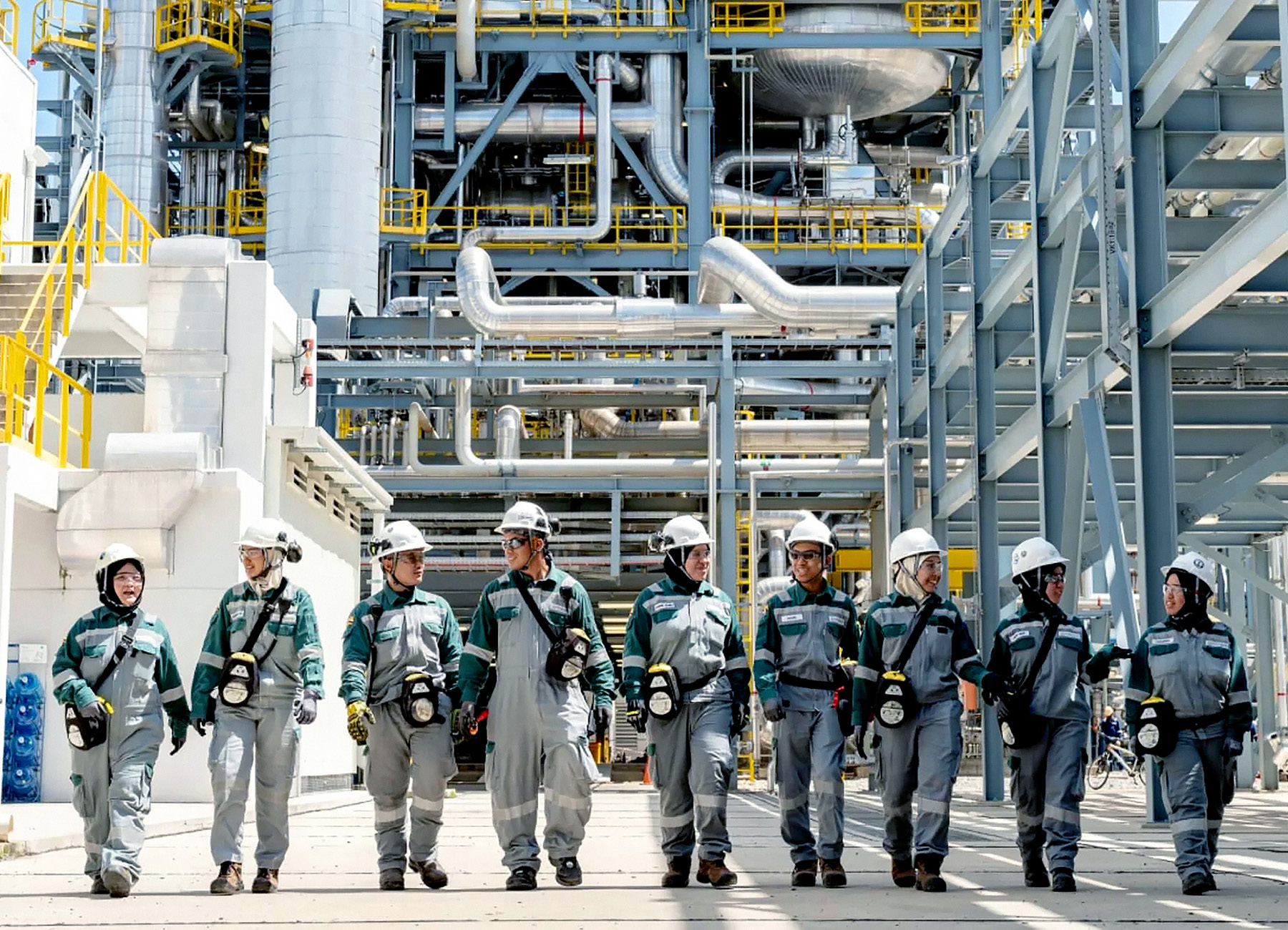
“If you’re trusted, people will follow.”
At the same time, BFI has been quick to establish industry associations with other players in the South-East Asian region.
“If we’re all going to work toward a greener society, you need to create partnerships and cooperation with competitors and suppliers alike,” he says. “The challenges of this industry will impact all players in the market, and we’re stronger together.”
Long associated with oil and the wealth that it brings, Brunei has a big job ahead of it to change the world’s perceptions. It is tackling this challenge head-on with the Wawasan Brunei 2035 initiative, but local pioneers such as BFI are providing invaluable assistance.
In a very short time, its operational excellence and quality products have made a splash, and Kiiski says it’s only the beginning.
“Operational excellence is often achieved by mature companies in need of a change,” he says. “They may be winding down, but they have that operational excellence. But when you strive for operational excellence at the beginning of your journey, you’re giving yourself a huge advantage.”
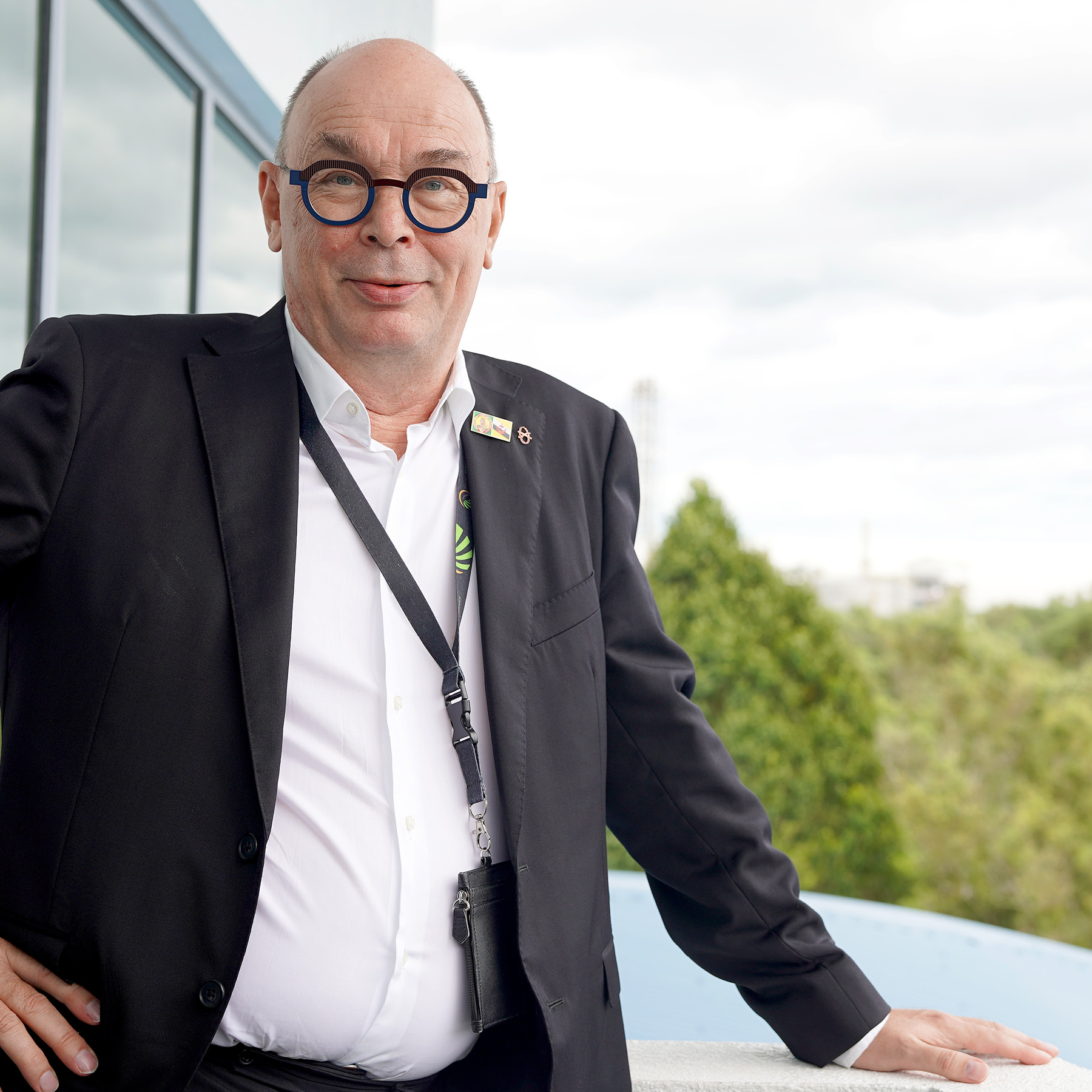
“We aren’t stagnant the way older companies can be.”
In BFI’s case, this is achieved through Kiiski’s ‘walk the talk’ style of leadership.
“You need to show your team you’re aligned, you know the direction and you keep calm. Then others will follow you,” he says.
“And always remember to talk to your people, listen to them and support them during the tough times. At all levels of the business, if you’re trusted, people will follow.”
 RELATED ARTICLES


 Home
Home
 Podcasts
 Covers
 Be Featured
 Community