Language
You can read the magazine in one of the following languages
5-min read

 Bookmark now

 Copy Link
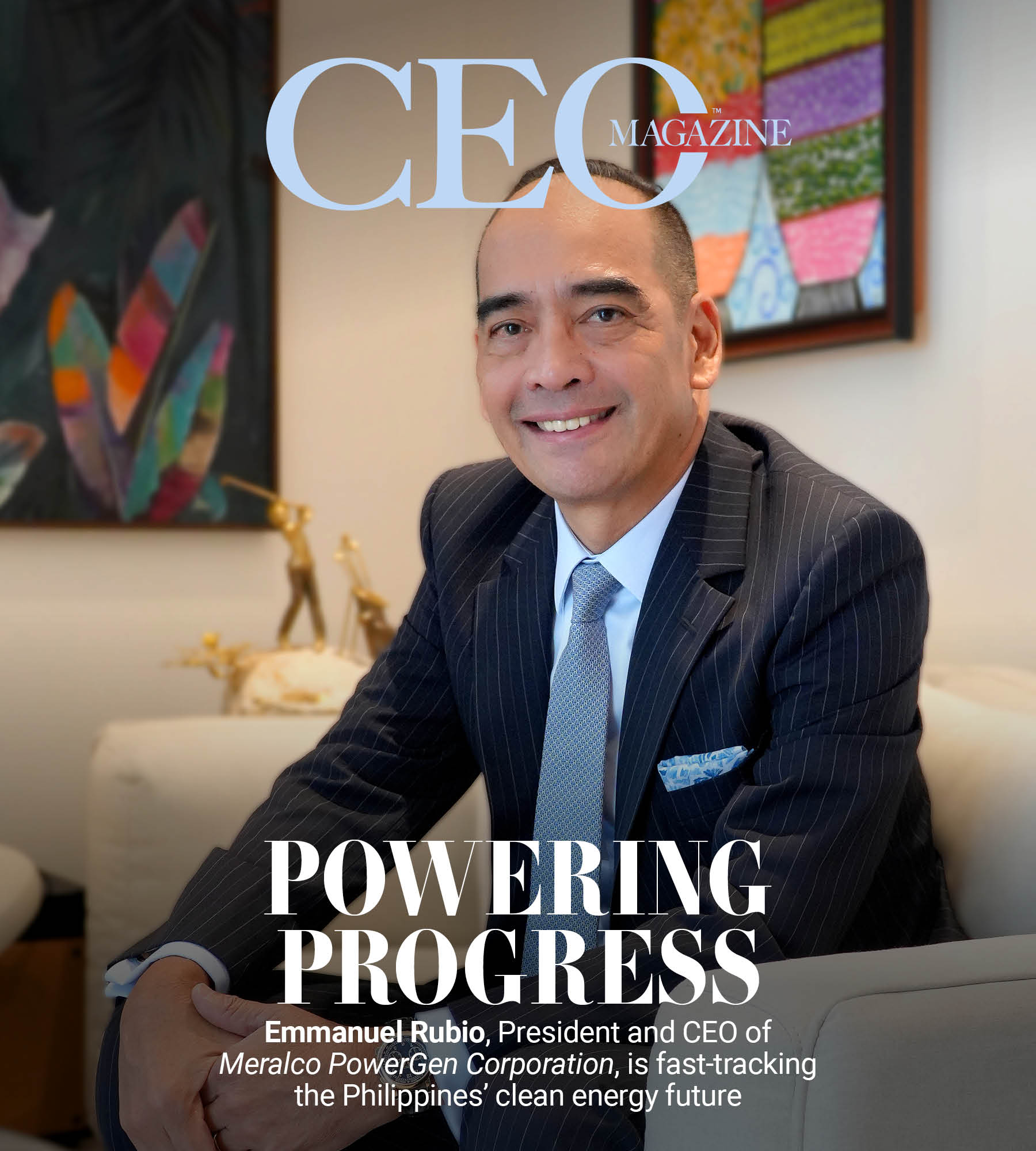
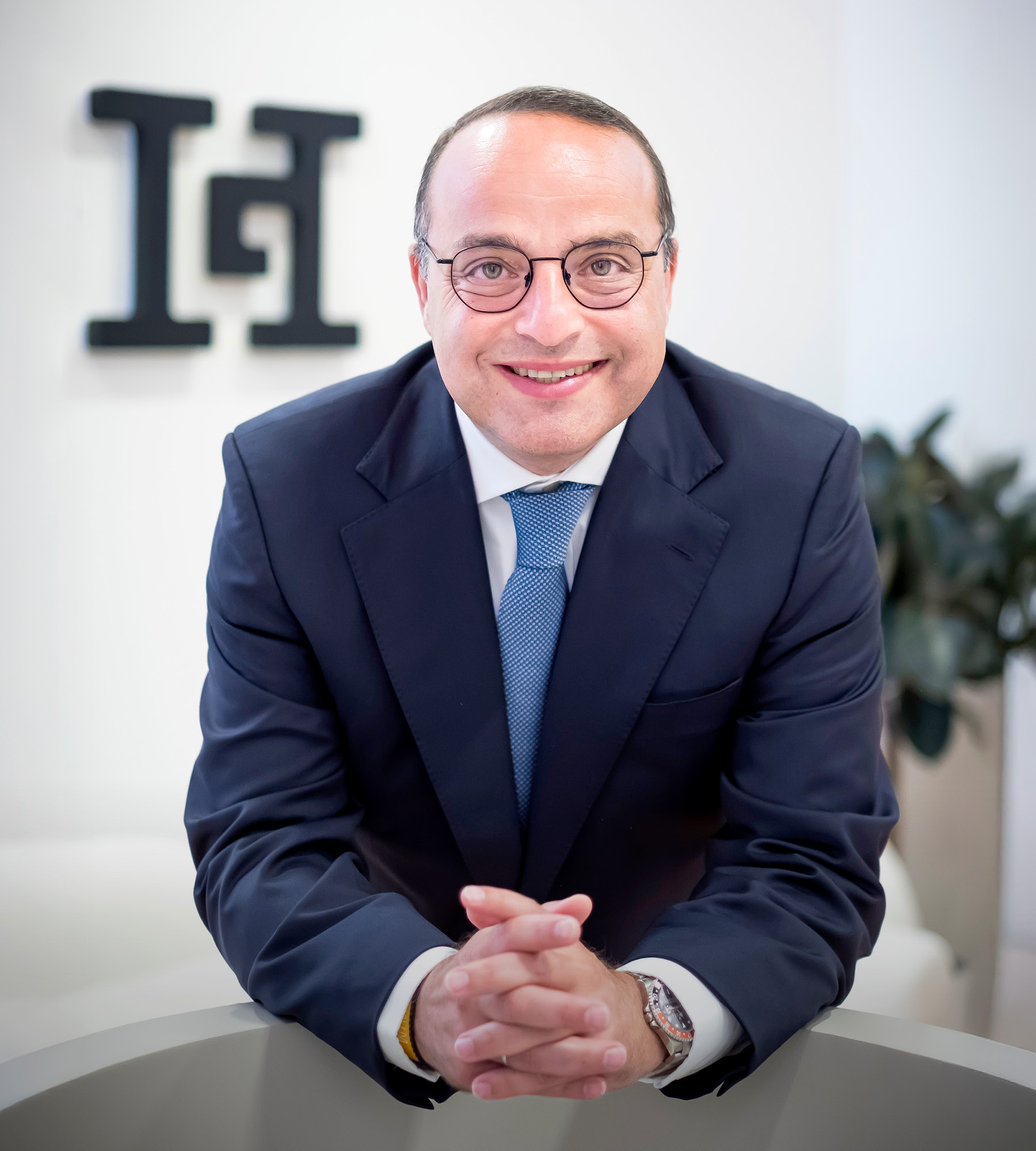
When Emmanuel ‘Manny’ Rubio stepped into the role of President and CEO of Meralco PowerGen Corporation (MGEN) in July 2024, he brought with him nearly two decades of leadership in the energy sector and a determination to redefine the company’s role in the Philippines’ evolving power landscape.
While it has historically been associated with its parent, Meralco, Rubio is steering MGEN forward as an independent player with its own ambitions.
“MGEN’s role is to develop and grow the generation capacity,” he tells The CEO Magazine.
“We’ve been intentional about prioritizing opportunities to supply Meralco, and when possible, using Meralco as a platform for growth. However, as we pursue our broader growth ambitions, we also need to explore new avenues. We can’t expect to reach the scale we’re aiming for by relying solely on Meralco.”

That mindset is already shaping MGEN’s trajectory. Its projects span Luzon, Visayas and Mindanao, anchored by a diverse portfolio across coal, liquid natural gas (LNG), diesel and renewables. With 5,068 megawatts net saleable capacity as of the end of August 2025 and plans to expand further, MGEN is positioning itself as a central driver of the Philippines’ energy future.
At the heart of Rubio’s agenda is an accelerated renewable rollout.
“Initially, when I joined, we said we’d deliver 1,500 megawatts of new renewable capacity by 2030,” Rubio says.
“Well, we’re already almost there. Now, we’ll be delivering that by early 2027 or late 2026 – three years ahead of schedule.”
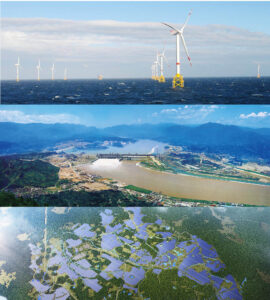
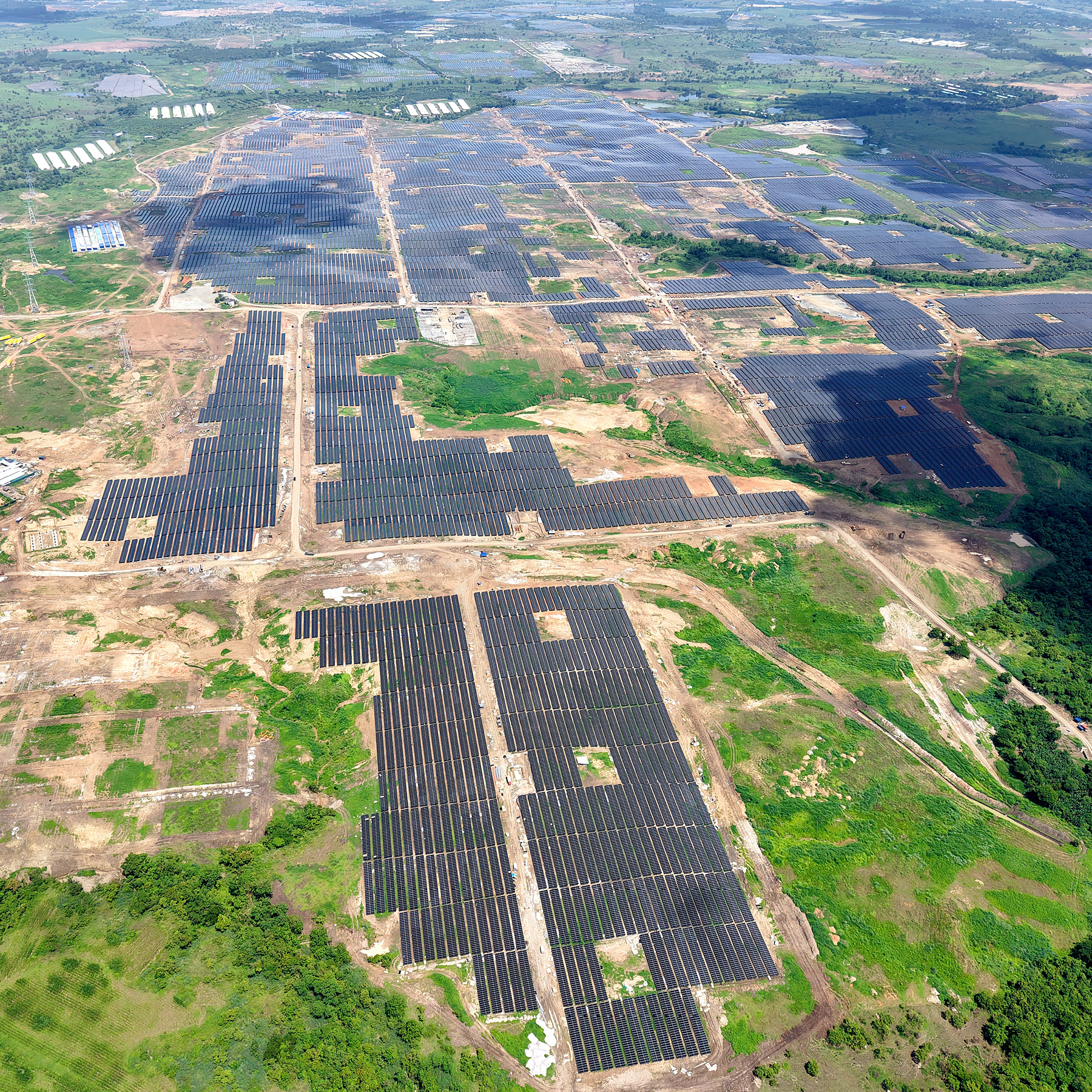
Flagship initiatives like MTerra Solar – set to become the country’s largest contiguous photovoltaic and integrated energy storage facility – demonstrate MGEN’s ambitions.
“More than just delivering this new capacity, MTerra Solar is showing the market that a combination of variable, renewable energy integrated with an energy storage – and in this case, a lithium-ion battery – can now be as competitive as traditional sources of mid-merit supply,” Rubio confirms.
Beyond MTerra Solar, MGEN is already eyeing additional phases and future solar projects. Land banking, he says, is underway to support the Philippine government’s target of a 50 percent renewable energy mix by 2040, with MGEN determined to play a significant role in helping the government achieve that aspiration.
While renewables dominate the agenda, Rubio is careful not to downplay the complexities of energy security in a developing nation.
“We want to ensure the country has a stable and secure energy supply,” he says.
“And that’s why it can’t be purely renewable. We want to make sure we have plans that will also deliver base-load capacities.”
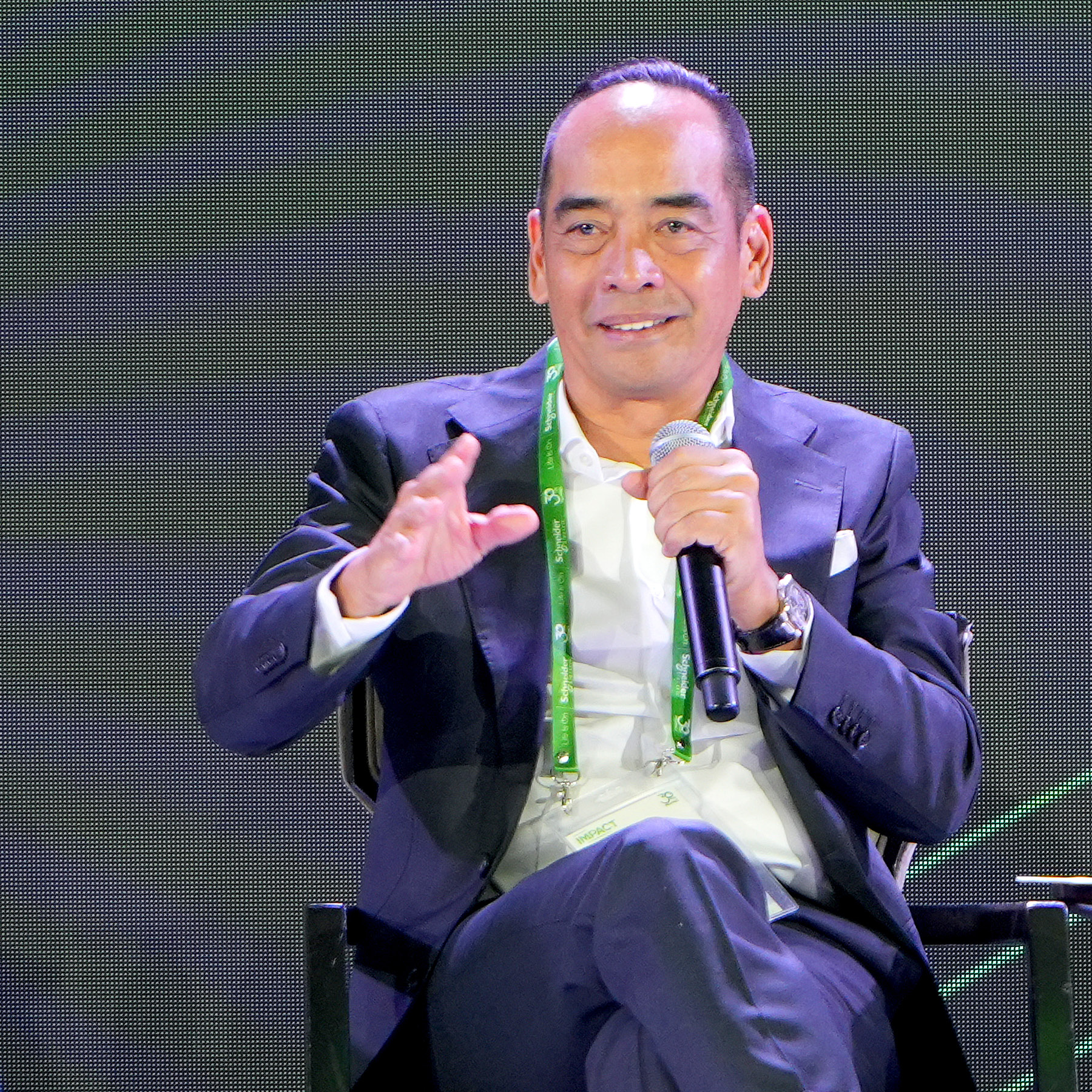

Coal will remain relevant until at least 2050, he says, but MGEN is transitioning toward natural gas as a critical bridge of fuel. Through its majority stake in LNG assets and partnerships on two major gas plants in Batangas, the company is reinforcing the country’s supply stability.
“We’re already looking at developing another 425 megawatts of new capacity,” Rubio confirms, adding that the balancing act also extends to broader national priorities.
“It’s not just about clean energy – you have to factor in social issues as well and the impact to the communities.”
As the energy industry undergoes rapid transformation, Rubio sees digitalization and decentralization as core themes shaping the future.
“Energy, as it evolves, can be summed up by what I call the ‘three Ds’ – soon to be four,” he says.
“First is digitalization. Second, we need to decarbonize the grid. Third is decentralization. And as distributed energy continues to grow, it leads to the fourth D: the democratization of energy.”

From predictive analytics to smart meters and AI, digital tools are increasingly central to MGEN’s operations.
“All of this can only happen when you go into a digital transformation, because you can’t manage this without the help of smart meters and without the help of systems that will allow us to trade excess capacities into the grid,” Rubio explains.
The rise of distributed energy, such as rooftop solar in commercial and industrial centers, he says, adds another dimension. However, while this challenges traditional grid volumes, MGEN sees it as an opportunity to continue to build utility-based photovoltaic systems.
MGEN’s credibility has been reinforced by strategic alliances with some of the world’s most established energy and infrastructure players.
“Our performance, the relationships and partnerships we’ve built and, of course, our reputation have attracted attention and continue to attract potential investors as well,” he notes.
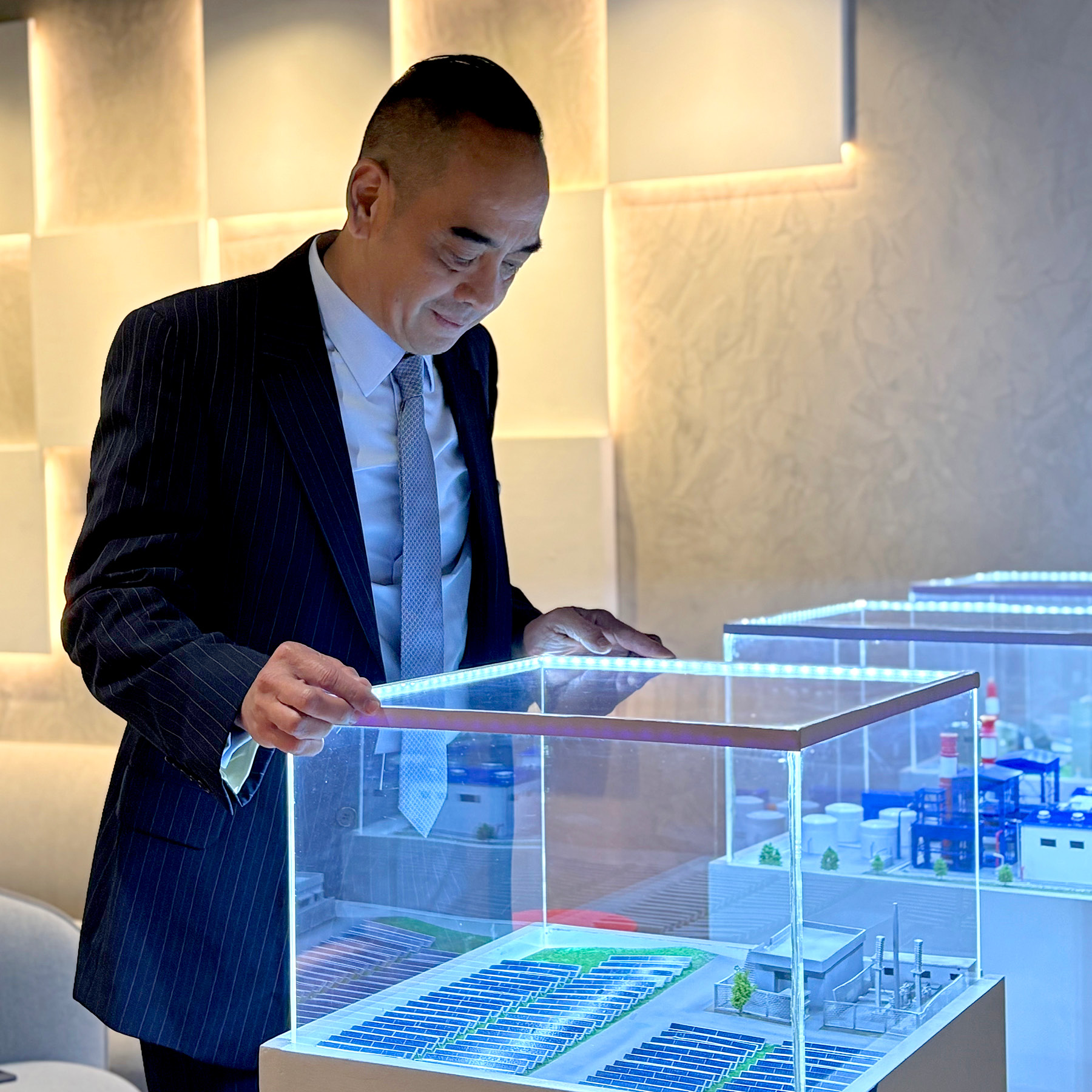

Recent collaborations include Actis, which invested in MTerra Solar, and ACWA Power from the Middle East. Engineering and technology partnerships with Siemens, Mitsubishi, Huawei, Energy China and PowerChina further underscore MGEN’s international standing.
“The premium that Actis has put on the project is a vote of confidence not just on MTerra Solar and not even just on MGEN – but on the country as well,” Rubio adds.
For Rubio, leadership isn’t only about megawatts and mega-projects; it’s about culture and mindset.
“When most of my management committee members joined last year, it marked the formation of an almost entirely new team,” he says. “That’s important if we’re truly going to drive growth across the organization.”
He believes strategy should come first, shaping the culture and setting the tone for how the company thinks, acts and grows.
“My management team and team leaders feeling empowered – and of course, accountable – gives them ownership of what we want to achieve in the organization,” he explains.
Looking ahead, Rubio, a hands-on and people-oriented leader, knows the challenges are significant. But he remains confident in MGEN’s direction and its ability to stand out.
“What sets us apart is our deep understanding of how to truly maximize the value of our assets,” he reflects. “We know the market – we have people who understand it well, people who can execute projects effectively and a strong network to support it all.”
 RELATED ARTICLES


 Home
Home
 Podcasts
 Covers
 Be Featured
 Community