Language
You can read the magazine in one of the following languages


5-min read

 Bookmark now

 Copy Link
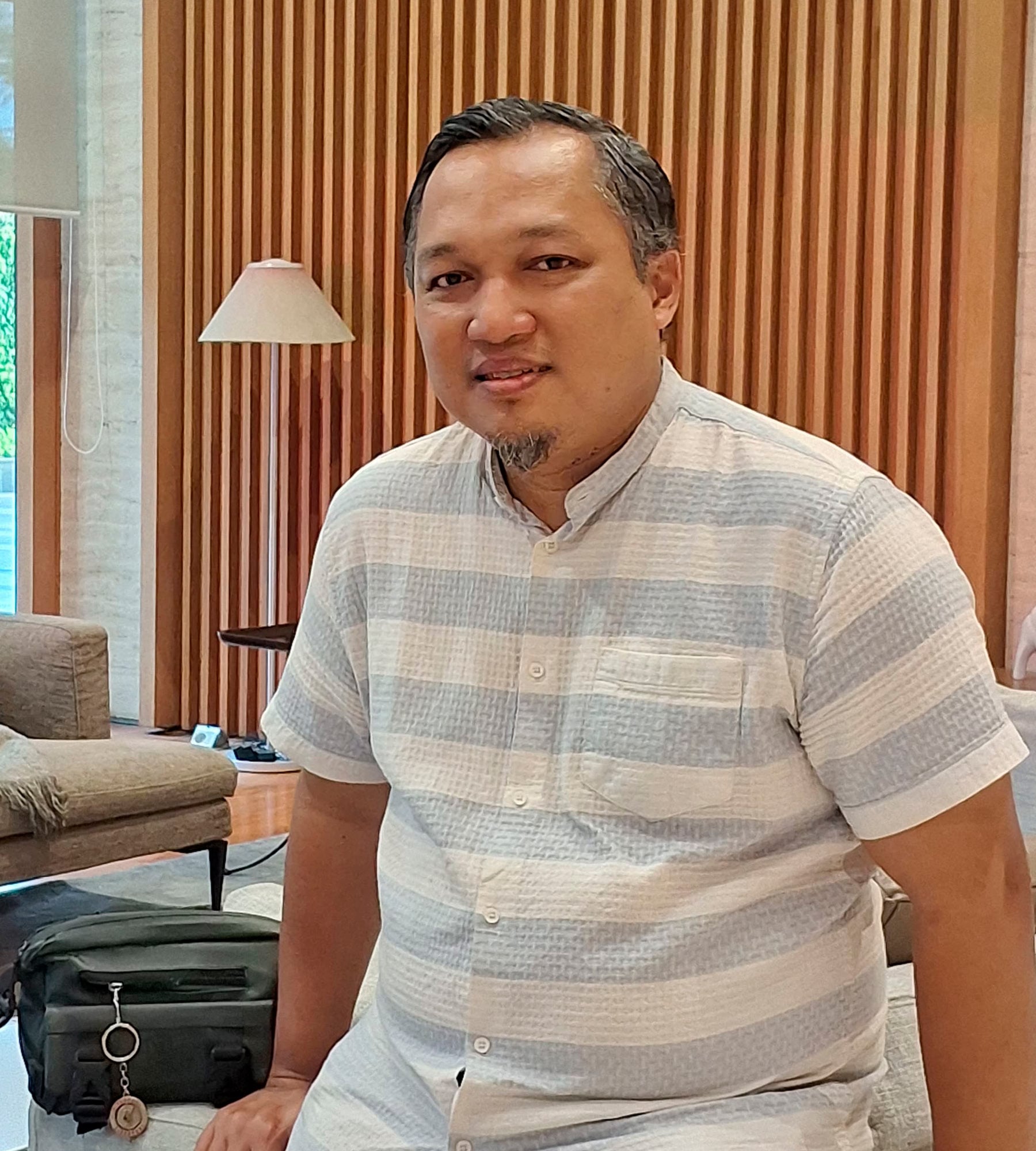
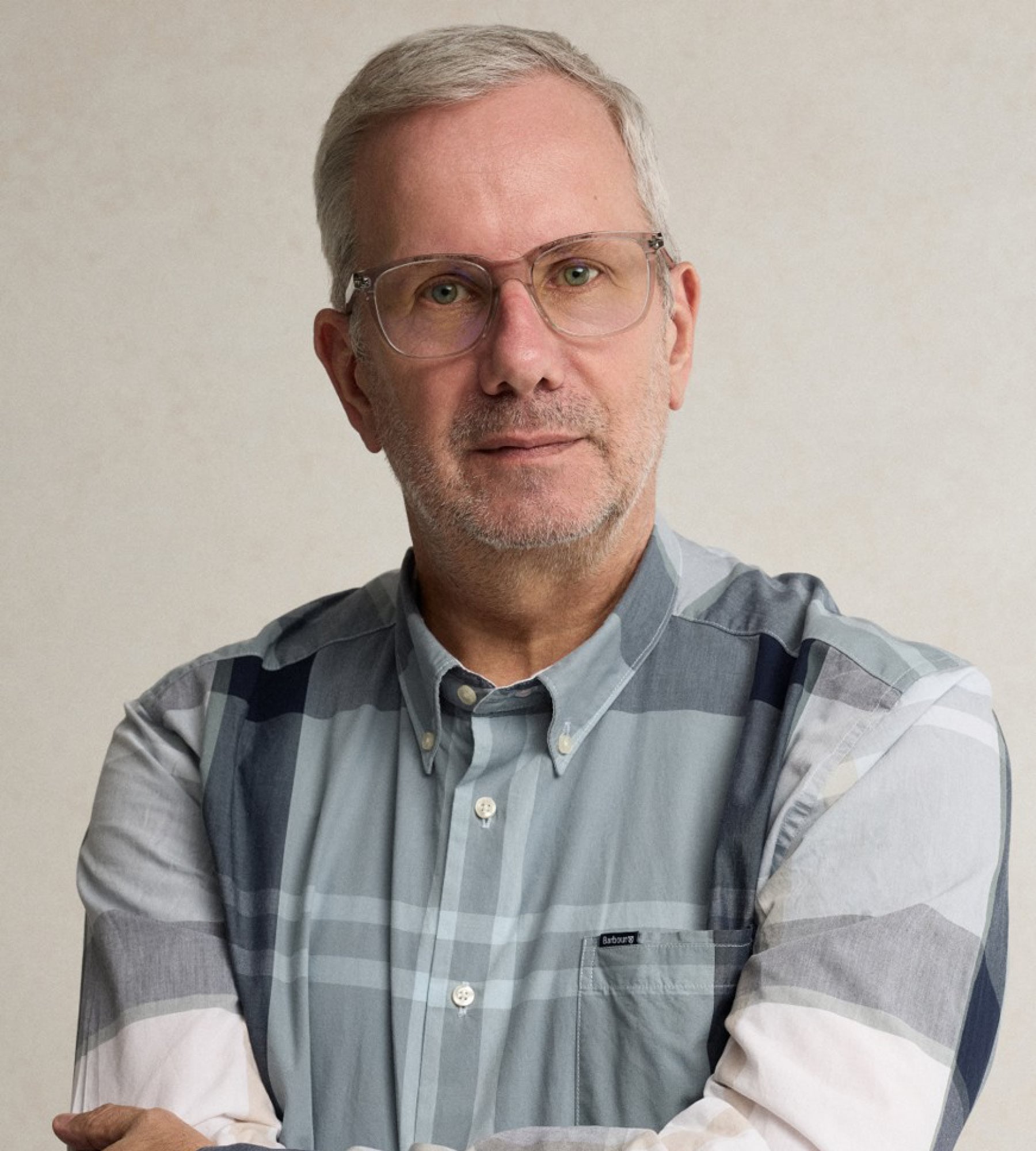
Hocklim Engineering has come a long way from the drainage contractor Chua Yuan Shen joined years ago.
Today, the Singaporean company works across civil and geotechnical engineering, slope stabilization and other specialized areas. But for Shen, now CEO, the more interesting question is where that expertise can take it next.
One possibility lies at Singapore’s edge. As the low-lying island nation prepares for the long-term challenge of protecting its coastline, Hocklim Engineering is building its understanding of coastal resilience as a Chapter Sponsor of the Singapore Water Association (SWA) Coastal Protection Chapter, where Shen is also serving as a committee member until 2028.

“We’re not adding more business lines for the sake of it.”
It is not, he stresses, about chasing the next market. The company’s approach is to develop the knowledge, invest in people and determine where its expertise can solve a genuine problem.
“We’re not adding more business lines for the sake of it,” he tells The CEO Magazine. “For us, it is about continuing to build capabilities that are useful to the industry and finding ways to turn those capabilities into real solutions.”
Before joining the family business, Shen worked for a major marine civil engineering and reclamation contractor, gaining an appreciation of the discipline required to execute complex projects.
When he eventually arrived at Hocklim Engineering, it wasn’t a fast track to the top. Shen joined as a project manager, learning the business by getting involved in its day-to-day operations. His father was receptive to the idea of him one day taking over the company, but it was never a given.
“There was still a lot of uncertainty then about whether I could actually do it,” he says. “I had to learn the ropes and understand the operations first.”

Advertisement
At the time, the company was only a fraction of the size it is today.
“When I joined, we were a much smaller contractor, and most of our work was in PUB drainage,” Shen says.
Its expansion was gradual, with new expertise added as Hocklim Engineering developed the people and knowledge to support it.
During the COVID-19 pandemic, its work was classified as frontline, meaning essential operations continued while the company was also undertaking research involving the enhancement of the GeoBarrier System.
“We were juggling the demands of frontline operations while continuing the research at the same time,” Shen recalls. “The team really came together and we managed to achieve both.”
The research, undertaken with the Housing & Development Board and Nanyang Technological University, brought expertise Hocklim Engineering could apply in the field. Shen also pursued a master’s degree in geotechnical engineering under Professor Harianto Rahardjo.
“It gave us the foundation to start developing capabilities in an area that was quite different from where we started,” he says.
The same thinking influences how Hocklim Engineering grows, with profits reinvested in people, research and development, and the capabilities needed to undertake increasingly substantial projects.
“Each cycle has helped prepare the company for the next,” Shen says. “Growth is not just about winning more work. You have to develop your people at the same time.”

“Growth is not just about winning more work. You have to develop your people at the same time.”
Existing employees have moved into larger leadership roles as the business has expanded, while new professionals deepen its expertise.
“If you grow too quickly, or you move into new areas without bringing your core team along, eventually you don’t have the depth you need to get to the next stage,” Shen says.
The company’s development has received wider recognition, highlighted by accolades such as the Singapore International Chamber of Commerce Awards and Singapore’s Enterprise 50 Award.
Shen sees the recognition as confirmation that it is moving in the right direction. But what’s more important, he says, is understanding what it is capable of doing next.
Coastal protection is one possibility. Singapore’s long-term efforts to defend its coastline connect naturally with Hocklim Engineering’s experience in drainage, geotechnical engineering and slope stabilization. But Shen isn’t declaring it the company’s next big business just yet.
Hocklim Engineering is building its knowledge through the SWA Coastal Protection Chapter and its Coastal Protection Masterclass.
“This period is as much about learning as it is about identifying commercial opportunities,” Shen explains.
The company is researching digital approaches that could support faster and better-informed engineering decisions.
“We hope that some of the solutions we are working on can eventually be implemented as part of Singapore’s coastal protection journey,” he says.

“Technology is useful only if it helps solve an actual engineering problem.”
The next step is not just where the company can apply its expertise, but how technology can help extend it.
As engineering problems become more complex, Shen wants to reduce the time between collecting information and acting on it. Sophisticated assessments can take time, creating a gap between changing conditions and the information available to engineers.
“The challenge is how we make good engineering information available faster,” he says.
Hocklim Engineering is investing in greater computing capability and already uses instrumentation and monitoring technologies, while researching digital approaches that could accelerate engineering assessments.
But Shen has little interest in technology for technology’s sake.
“Technology is useful only if it helps solve an actual engineering problem,” he insists.
Shen talks about Hocklim Engineering’s future less in terms of size and more in terms of what the company can do. He wants it to combine practical construction experience with deeper technical expertise, research and technology, while ensuring its people develop alongside the business.
“Hocklim Engineering was established in 1988, so it’s been more than 30 years,” Shen says. “But we’re continuing to do things differently.
“You have to keep adapting, but you have to bring your people with you. That’s how you keep moving forward.”
The company’s path so far reflects that ambition. From its drainage beginnings, research has brought new technical expertise, while reinvestment has allowed the company to undertake increasingly substantial work.
And for Shen, the measure of progress is not how many new lines of business it adds, but rather the capabilities it builds and the problems it can solve.
 RELATED ARTICLES
 SPOTLIGHTS ON LEADERS


 Home

 Podcasts

 Covers
 Be Featured

 Community