Language
You can read the magazine in one of the following languages


4-min read

 Bookmark now

 Copy Link

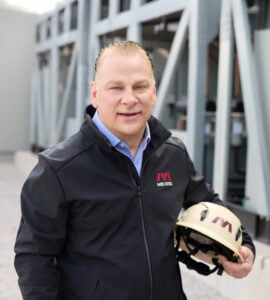
When Alan Stone joined environmental engineering firm Hazen and Sawyer after graduate school, he had no idea he would be spending the next 37 years at the business. Stone recalls his professor recommending the firm, which specializes in water, due to its reputation for technical excellence.
“He said, ‘If you go to work there, you’re going to be able to work anywhere. You’ll be getting trained at one of the better consultants.’ It’s been a wonderful career,” he says.
Experiencing the business at practically every level over decades has given Stone the type of insight many leaders would highly value. Since being appointed President in 2024, he has continued the long-standing culture of always doing the right thing by clients, taking care of staff and hiring the smartest people.
“The philosophy is: if you do those three things, everything else will take care of itself. You’ll have good years, you’ll have bad years, but it’s a very sustainable model,” he adds.
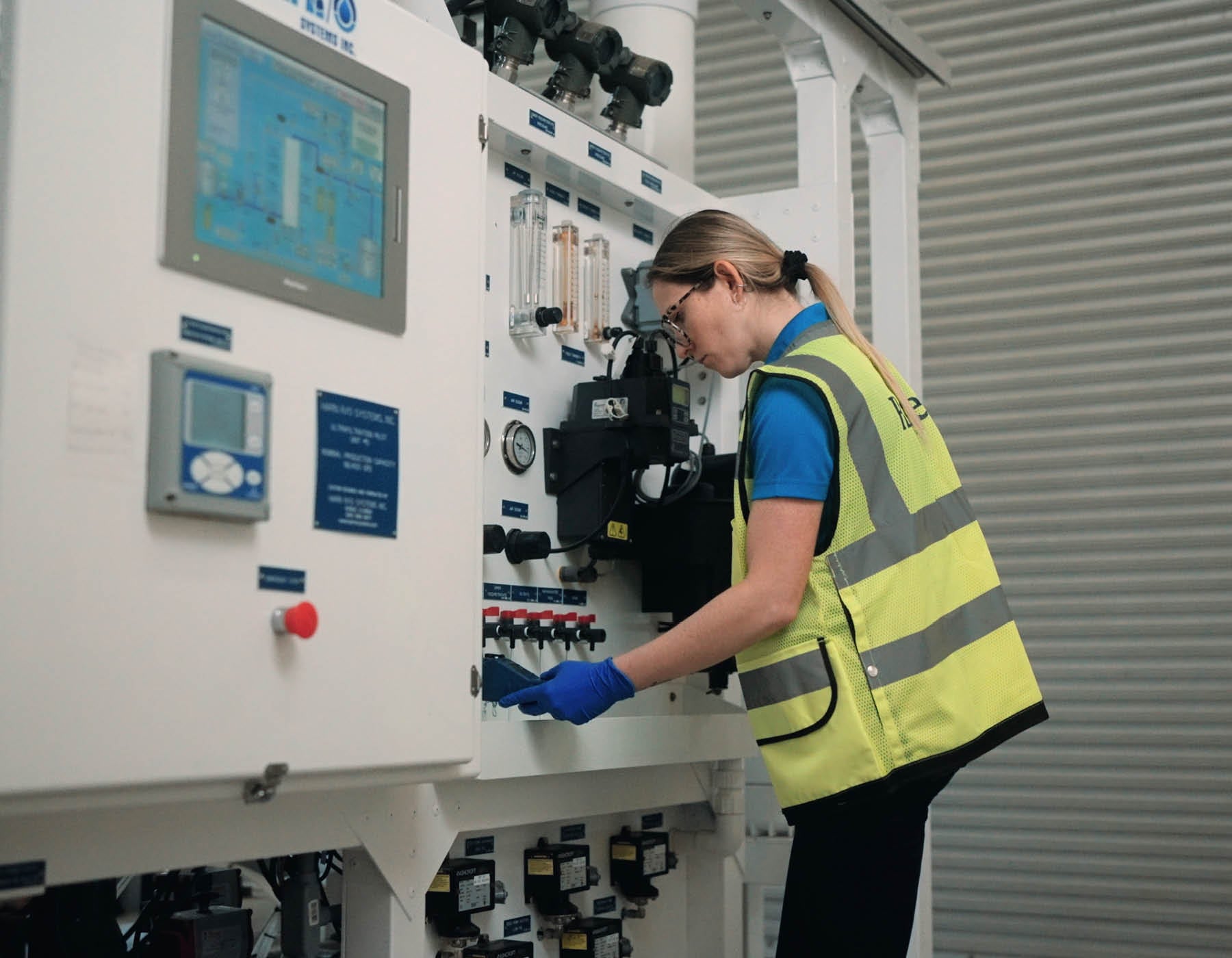
“We have researchers collaborating with universities and clients to develop new treatments for the future.”
While this ethos has remained, Hazen is constantly pushing the edges of technology to create practical innovations.
“We have researchers collaborating with universities and clients to develop new treatments for the future around advanced water treatment and either indirect or direct potable reuse,” he says.
Challenges that would have been impossible to predict at the beginning of Stone’s career are now transforming the industry, from microplastics and per- and polyfluoroalkyl substances (PFAS) to water reuse. Stone says the latter is spreading even in wet regions.
“Places you wouldn’t think of, like Franklin, Tennessee and Columbus, Ohio, they’re doing reuse. They need water,” he reveals.
The advanced water treatment needed for reuse is at the top of the list, he adds.

“We’re going to use the tools of the day to try to keep us on the cutting edge.”
While talented engineers remain central to the work of Hazen, the rise of AI could help them focus more of their time on higher-value work.
“We’re not trying to replace people,” he says. “Our people are our best resource. But they can use AI to augment their own thinking.”
Stone expects AI to become part of the suite of tools used by engineers today, much like how 3D renderings became commonplace around 15 years ago.
“We’re going to use the tools of the day to try to keep us on the cutting edge,” he says.
Stone, who manages relationships with clients and suppliers that have stayed strong for over 60 years, says long-term value should drive every decision.
“If we win a project to solve a problem for one of our clients, our way of doing it is not trying to make that project the biggest project it can be today and get the largest fee for Hazen,” he says.
Instead, the business works to understand exactly what its clients would benefit from now, and help build out a plan to reach future aims.
This approach can be seen across Hazen’s work, from regions where the firm is growing (such as Canada and the United Kingdom) to its longest relationships with clients like the New York City Department of Environmental Protection, Hampton Roads Sanitation District (HRSD) and the Miami-Dade Water and Sewer Department.
The Sustainable Water Initiative for Tomorrow (SWIFT) program that Hazen helped HRSD design is, in Stone’s view, an example of how close collaboration can result in outsized benefits. SWIFT treats wastewater until it meets strict drinking water quality standards, then pumps it into the Potomac Aquifer.
The process replenishes key water sources for eastern Virginia, combats land subsidence and protects the Chesapeake Bay from the nutrients in treated wastewater.
“The new source of water is actually becoming an economic driver for the region,” Stone says. “The aquifers are bouncing back faster than they were expecting. It’s pretty exciting to have a partnership like that.”
Stone believes that Hazen, which celebrated its 75th anniversary this year, is well positioned to keep building and growing.
“If we stay true to our core principles, I think we can look back 75 years from now and we’ll still be the best water firm in the world,” he notes. “That’s what I hope.”
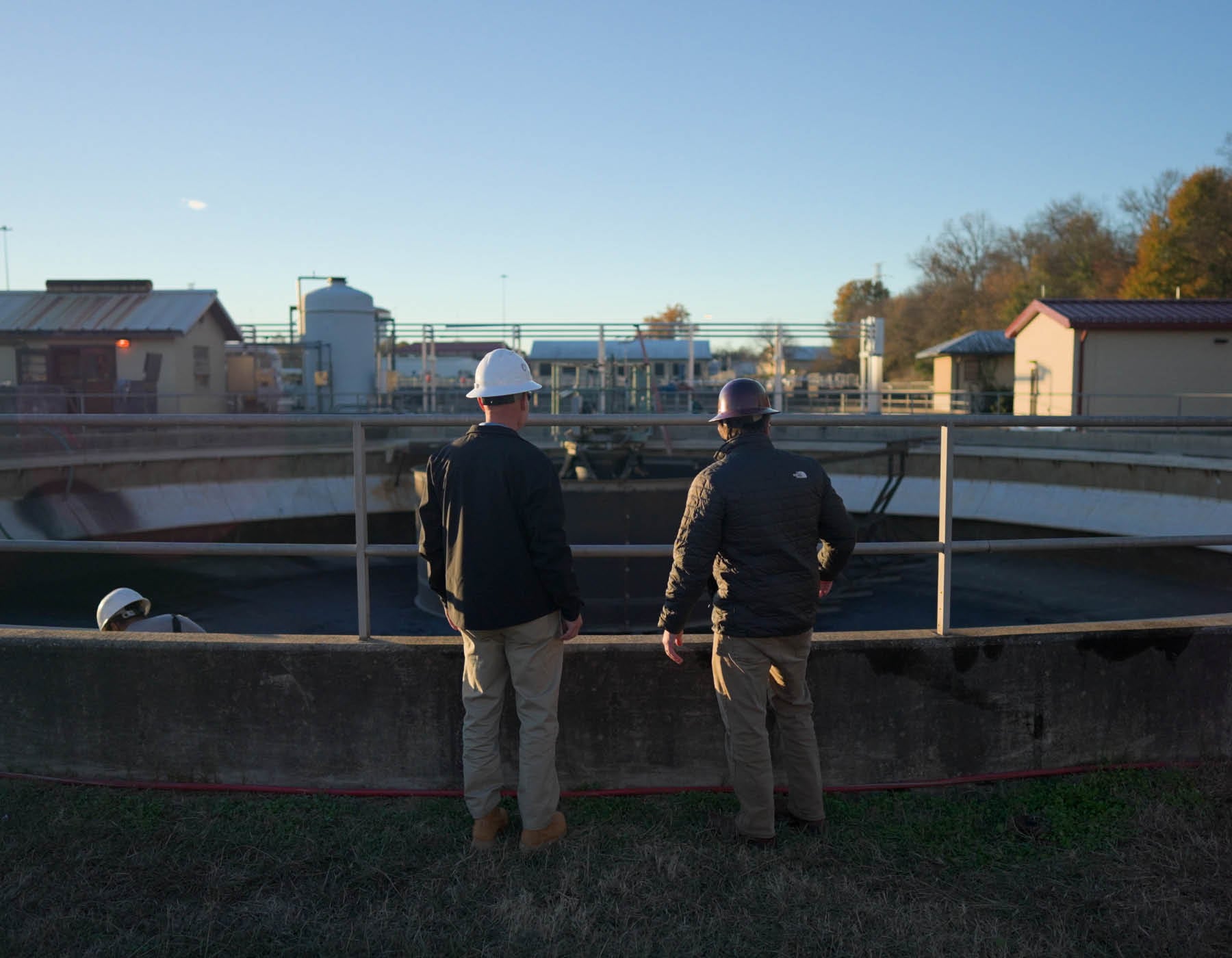
When faced with particularly complex challenges, as is often the case for Hazen, the business has a clear framework developed over its 75 years in the industry.
“We may identify a project years in advance and start funding research and hiring the technologists that know how to fix that problem,” Stone says.
“We’re always looking out into the future to see what’s coming next and how we position ourselves to be our clients’ trusted advisor.”


 Home

 Podcasts

 Covers
 Be Featured

 Community