Language
You can read the magazine in one of the following languages
5-min read

 Bookmark now

 Copy Link
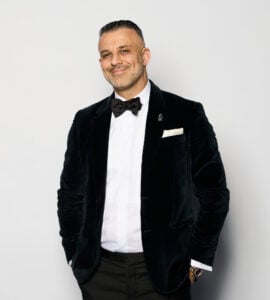
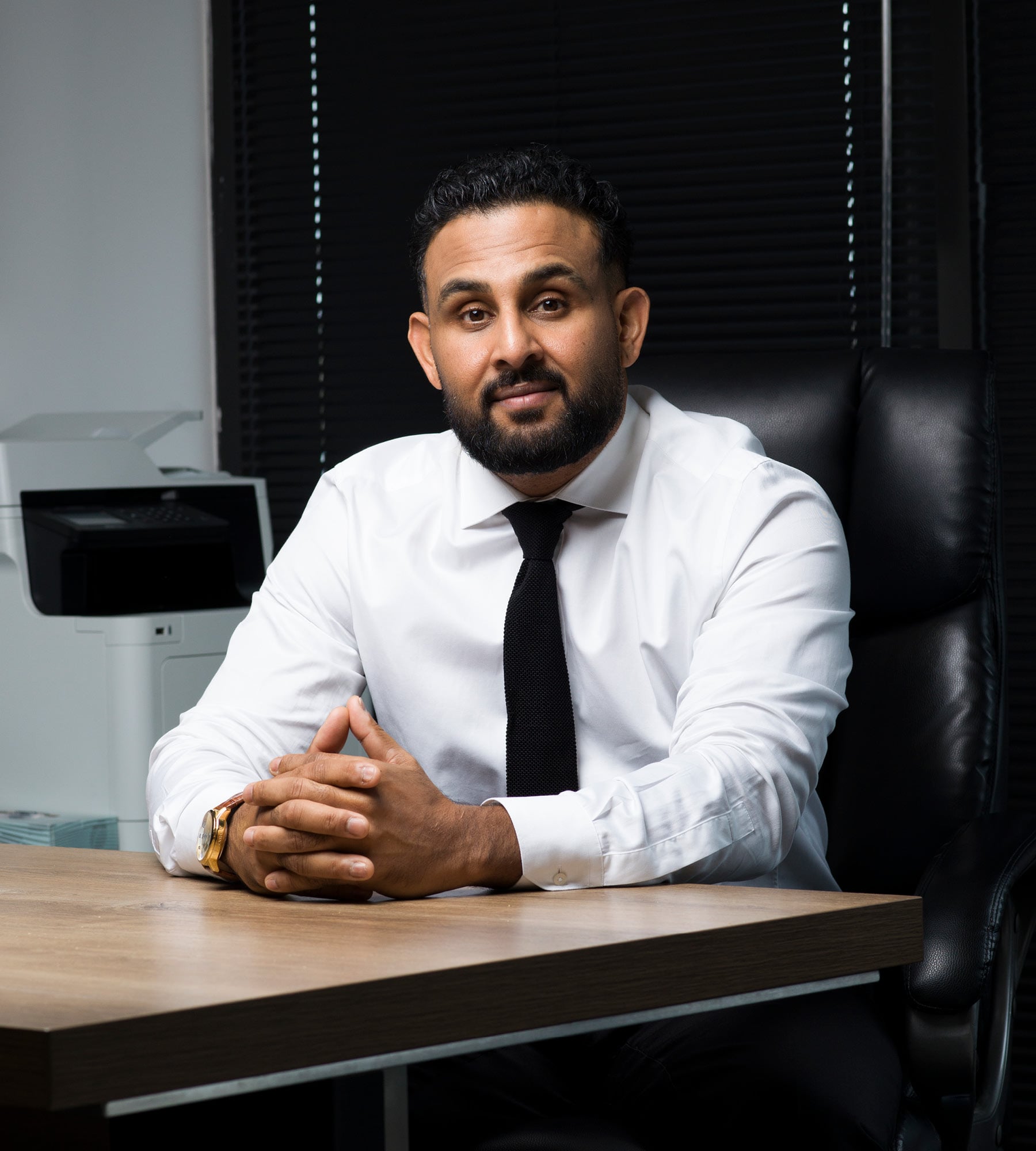
As the solar market continues to grow, the race to reach volume has produced record capacity for some in the solar industry. For others, it has meant record losses. Dr Insan Boy, Seraphim’s Vice President of Global Sales, says his company’s stamina is a three-part story.
“The right products, people and markets at the right time. Those are Seraphim’s pillars,” he tells The CEO Magazine. “They’re the strong foundations that support the company as we move forward.”
Insan, drawing on his extensive international experience and PhD in solid-state chemistry, has spent the past eight years leading Seraphim’s global sales team from Singapore, building an international organization from the ground up. The country acts as a neutral hub for a business that sells into Asia, Australia, Europe, Africa and South America.
“The right markets have allowed us to secure large utility-scale projects. Delivered gigawatts are how a manufacturer earns Tier-1 qualification and bankability,” he explains.
“A bank won’t finance a data sheet, but it will finance confidence in the supplier.”
“The right products, people and markets at the right time. Those are Seraphim’s pillars.”
And Seraphim is a supplier with the right products on hand. Insan says having the right product has meant identifying crucial industry inflection points.
“So these have included the moves from aluminum back surface field to passivated emitter and rear cell panels, then to tunnel oxide passivated contact (TOPCon) and back-contact (BC) cells, and then the jump to larger cell formats,” he says. “At each moment, we had to make the correct bet.”
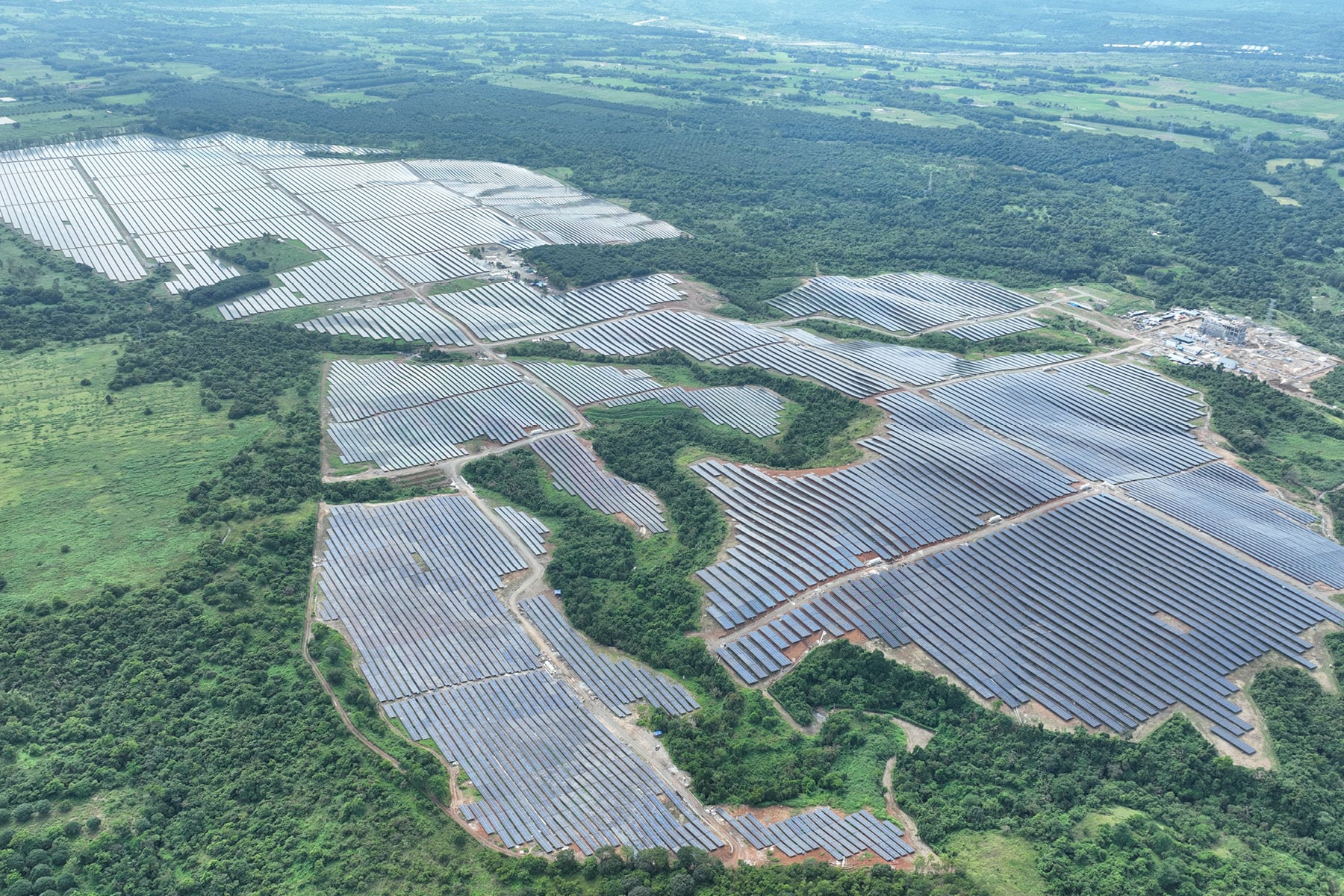
At its peak, Seraphim shipped five-to-six gigawatts annually, to projects as varied as Germany’s Tramm-Göthen solar farm (172 megawatts) and ACEN’s Palauig 2 power plant in the Philippines (300 megawatts), the latter delivered with Malaysia’s ERS Energy.
This result is all the more impressive, given the company has a photovoltaic (PV) module capacity of 13 gigawatts, a number put in the shade by Seraphim’s largest competitors. But Insan says Seraphim never wanted to outpace Tier-1 solar’s giants, and it couldn’t.
“Look at what winning the volume race took. Take the top five PV module suppliers’ balance sheets from the last three years: you’ll find massive losses to the tune of billions, publicly reported,” he says.
“That’s the prize for winning a price war. You dominate a market that pays you nothing.”
The Seraphim approach is differentiation, starting with local content. It built a PV module factory in South Africa’s KuGompo City to meet local demand and can revive it when the market calls for it. In 2015 it entered United States manufacturing in Jackson, Mississippi, a move Insan calls a lesson in how best to enter that market.
Advertisement
The same logic governs the Indonesia–Singapore green corridor, the cross-border trade that is set to bring low-carbon power to Singapore. Seraphim committed to local-content PV module supply in September 2023 and followed up with Indonesian developers the following year.
“These projects move at the pace of policy, including Indonesia’s future 100 gigawatt-peak program,” Insan says. “But our commitment was made early, and it stands.
“The parameters are simple: Does local content or landed cost give us an edge? Does the segment need what the volume players don’t offer? Is our partner ecosystem strong?
“Where those align, we commit. Where they don’t, we scale back.”
Seraphim’s product range is shaped by that same discipline. The company eschews manufacturing its own solar cells, preferring to buy them from leading specialists and pour its capital into PV module manufacturing.
“The benefit is that we never fall into the capex prison,” Insan says.
“Companies that bet billions on one cell technology must defend that bet when the market shifts. When it collapses, they get burnt. We don’t. When the market moved, we simply secured the best cells of the day.”
The current top choice is TOPCon, which holds roughly 70 percent of the market and is Seraphim’s primary platform. Meanwhile, BC cells are sourced from the leader in that technology where a premium application justifies their use. Heterojunction, Insan adds, remains a niche.
“The innovator gets punished. Mainstream products dictate volume through pricing,” he notes.
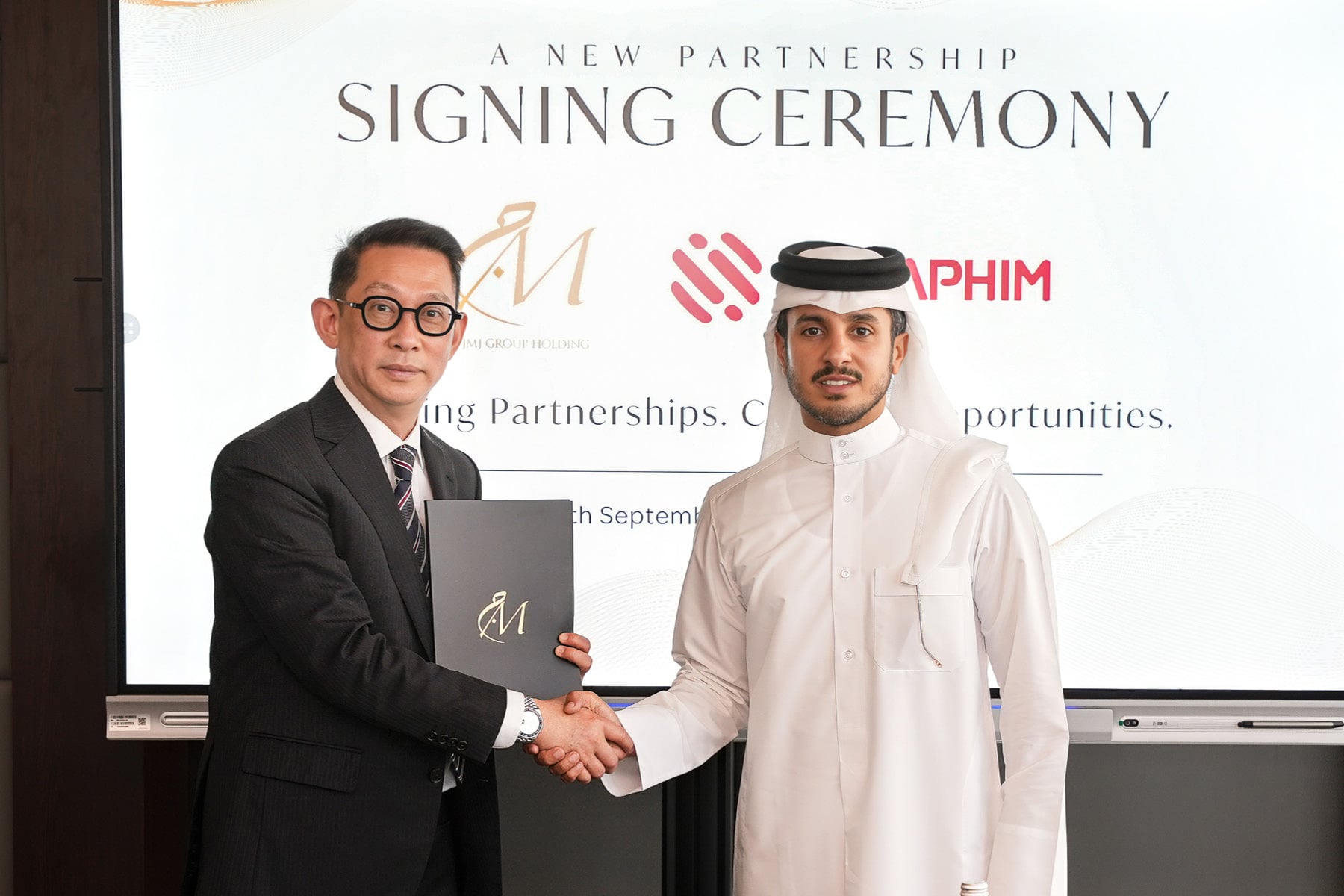
Insan Boy with Sheikh Jabor bin Mansour bin Jabor Al Thani, Chairman of JMJ Group Holding, at the signing of a partnership memorandum of understanding in Doha, 28 September 2026
“Seraphim remains relevant, reliable and responsible.”
A decade ago the PV module was half a solar farm’s capital cost; whoever won the module price war won on cost of energy. Today PV module prices have collapsed and new projects require storage.
“On a typical PV-plus-battery energy storage system (BESS) project now, the PV module is maybe 12–15 percent of total capex,” Insan explains. “Levelized cost of electricity is no longer driven by the module but by the full integration: storage, power conversion, the engineering of the whole system.”
That is why Seraphim now delivers total rather than components: PV and storage designed, supplied and guaranteed as one system, with partners chosen for what each does best: CRRC, whose storage and power conversion systems already runs in tens of gigawatt-hours of grid-scale projects, and CESC as a BESS supplier, as well as local engineering, procurement and construction partners for system integration.
“A real storage solution is more than a battery container,” Insan says. “We design the solution, select the partners and stand behind the whole system as one counterparty.
“The client and the client’s bank don’t want five companies, they want one name that answers for everything. Each partner does their part; Seraphim carries the project.”
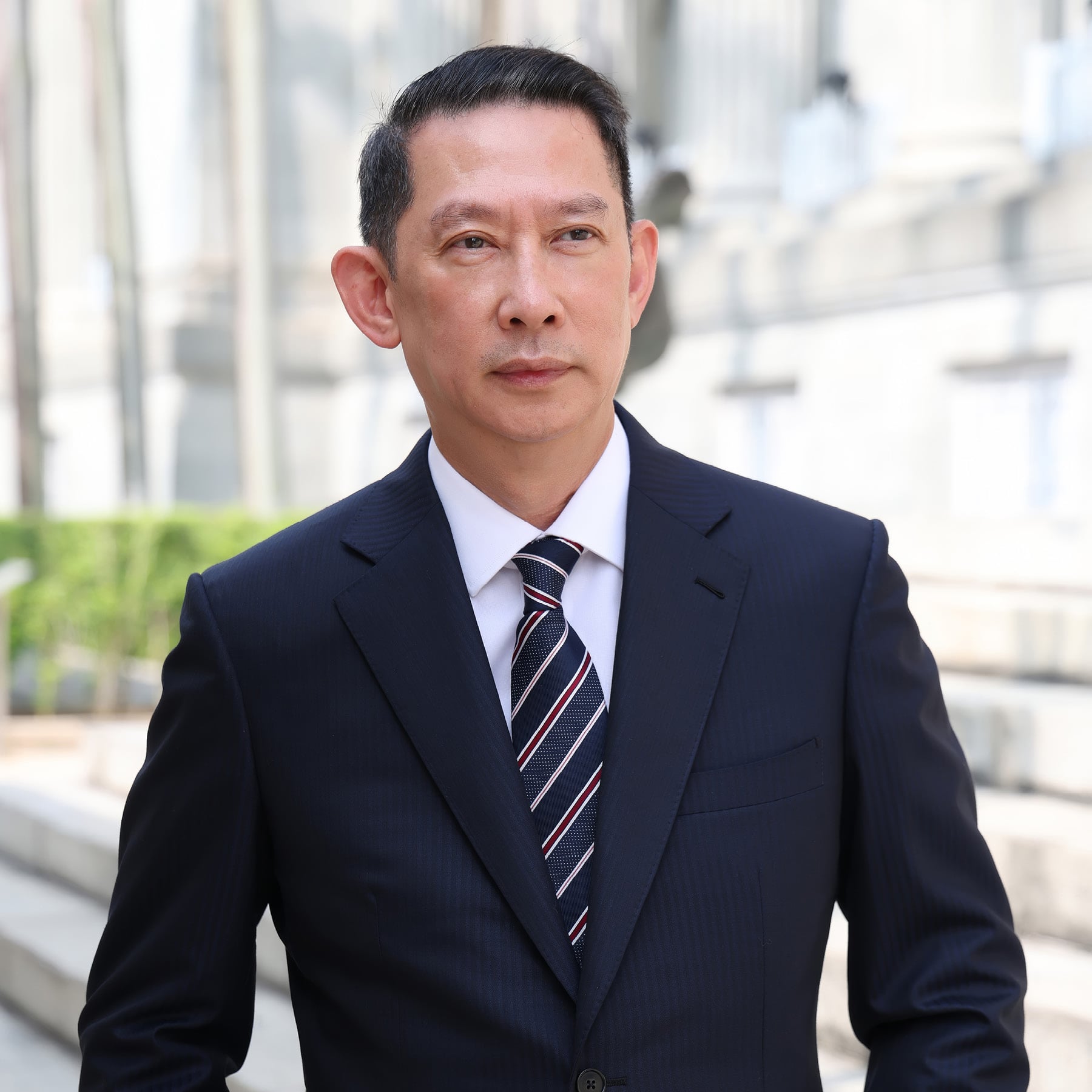
“We’re looking beyond energy storage, beyond electricity, and I’m looking forward to what we can contribute downstream.”
However, the industry downturn hasn’t been painless, according to Insan.
“Nobody has been spared, including us. We scaled down capacity, cut costs, made hard decisions,” he explains. “But this brand has existed for 16 years and everyone in the industry knows what that takes: delivered projects and keeping your word through the bad years.”
While Seraphim is restructuring, Insan insists it doesn’t erase that history. Instead, he believes it will set up the company for what’s on the horizon.
“We’re looking beyond energy storage, beyond electricity, and I’m looking forward to what we can contribute downstream,” he says. “Data centers are the nearer opportunity; green hydrogen and green ammonia the longer arc. Direction, not announcement, but the discipline is the same.
“Seraphim remains relevant, reliable and responsible. The right products, the right markets and the right people. We were here, we are here and we will be here.”
 RELATED ARTICLES
 SPOTLIGHTS ON LEADERS


 Home

 Podcasts

 Covers
 Be Featured

 Community