Language
You can read the magazine in one of the following languages

4-min read

 Bookmark now

 Copy Link
It’s no secret that businesses appreciate growth – it’s a sign that the business model is succeeding and that their offering is appealing to the market. But growth also comes with unforeseen challenges, updates and new processes that need to be implemented in order to cope with expansion – something reusable fresh food packaging solutions provider IFCO has become well-versed in.
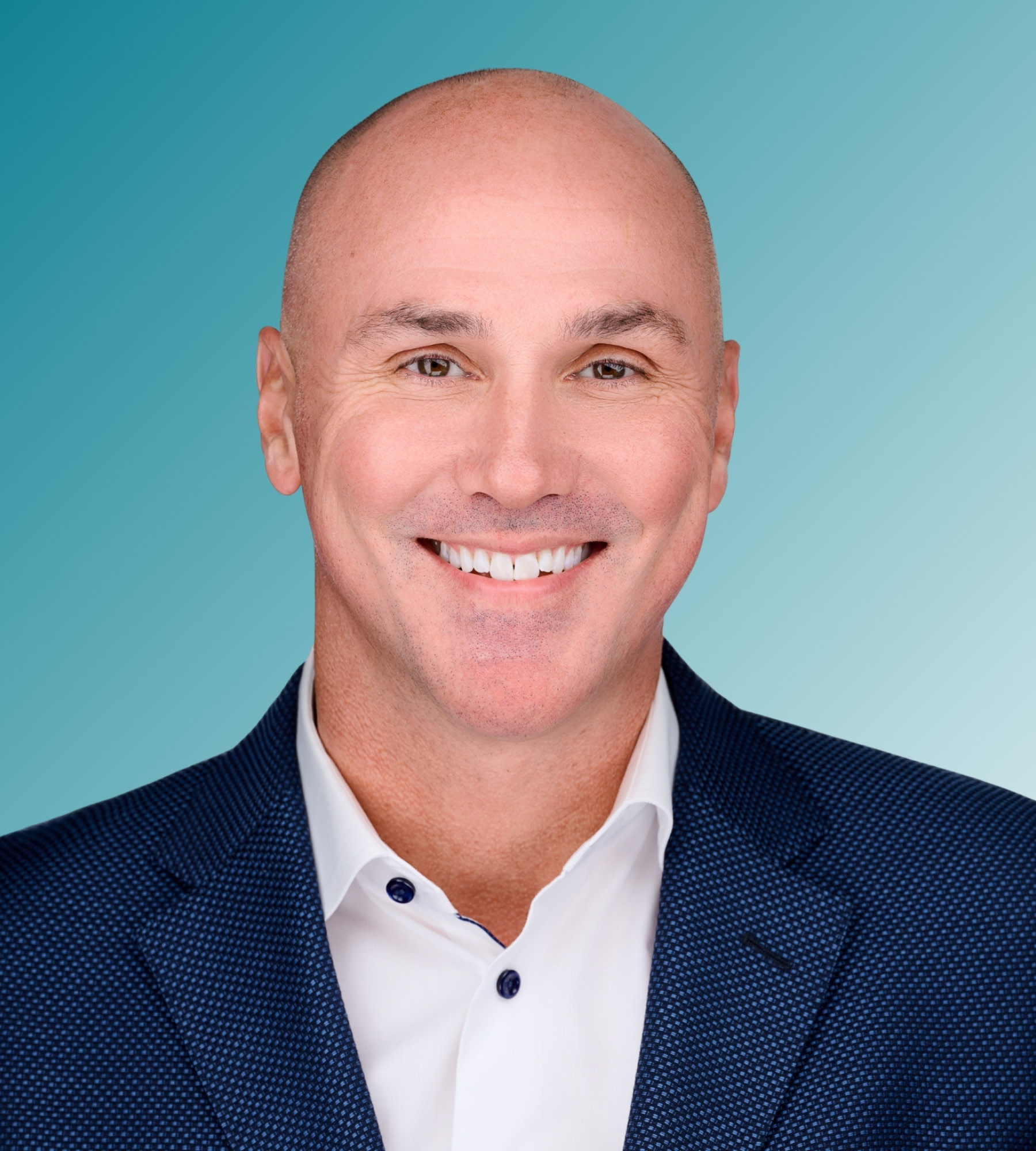
The company has doubled its business over the past five years and increased the headcount in its German headquarters, and Managing Director Christoph Trixl vitally contributed to this transformation.
“As a business, we have now reached a size where you need to have the right caliber of people on board and the right systems,” he tells The CEO Magazine. “Our growth has been strong and sustainable, which meant we had to further develop the organization.”
From marketing and HR to leadership development programs, shop rotations in Europe and expatriate programs, IFCO has been on a journey of substantial reorganization ever since.
“Besides having won two large retailers in the United States, we have also brought a large European discount retailer on board. We supply reusable containers for fresh produce with a couple of million trips per year for this retailer alone,” he continues.
“With these large volumes, you need to be more efficient and follow a structured approach. We also need systems that are reliable and ensure sustainable growth for us, our customers and IFCO.”
To bring long-standing IFCO strengths together with fresh perspectives, the company’s executive leadership team defined three core values that reflect how they work every day: can-do ownership, being ambitious for customers and acting as one IFCO team.
This mentality and these values also extend into how IFCO operates with its stakeholders.
While the transition period is nearly complete now, there are plenty more opportunities for IFCO to continue evolving.
“The next three-to-five years will be defined by the rollout of our digital technology, which is already being introduced in the United States and will scale further across our network. Pilots in Europe are also underway,” Trixl says.
“This will be a complete game-changer in the reusable packaging industry. We are enabling our crates to communicate with each other and the cloud without any fixed external infrastructure required from retailers or growers, and this is something no other pooler is doing at the moment.”
“Our technology is low-cost and easy to deploy, making it a compelling option for large-scale asset tracking.”
Developed entirely in-house by a dedicated team of software engineers operating out of IFCO’s digital hub in Barcelona, this revolutionary product is efficient and cost-competitive, allowing IFCO to offer advanced real-time tracking services to retailers at a fraction of the cost of third-party alternatives.
“No other pooler currently offers this level of end-to-end visibility, with a dashboard that allows buyers and supply chain partners to track shipments in real time. That means seeing trucks moving across Europe and being able to understand things like, ‘Where’s the truck from Spain with tomatoes at the moment? What’s the temperature on board?’” Trixl explains.
“There is wide range of digital benefits, including direct communication with the cloud, seamless integration with warehouse systems and fully automated data flows that support faster and more informed decision-making.”
Due to demand for this new digital technology from companies with its own proprietary assets (like airports, retailers and other industries), IFCO is exploring ways to make the technology available beyond its own operations.
“Our technology is low-cost and easy to deploy, making it a compelling option for large-scale asset tracking,” Trixl enthuses.
In line with the three pillars relating to ESG – business, planet and society – IFCO has made strong commitments as part of its 2030 ESG strategy. These include delivering one megatonne of carbon savings to its customers, achieving science-based near-term targets and maintaining zero waste to landfill.
IFCO also supports its customers in tracking food waste through new digital technologies. On the social side, IFCO employees will also continue to volunteer and support communities through partnership with food bank organizations.
“Internally, our focus is on building a more diverse and inclusive organization,” Trixl continues. “We have strong gender balance in leadership roles, supported by targeted diversity initiatives.
“We have been recognized by Investors in People, a best-place-to-work program, and recently received recognition for digital sustainability with the Smart Solution Award 2025.”
Constantly striving to improve and develop as a company, IFCO is aiming to streamline its customer service and order processes as part of its next chapter.
“Standardizing the European supply chain is key. Our customer service setup was organized differently across countries because it was historically managed locally rather than centrally. This has created inefficiencies and inconsistencies,” Trixl admits.
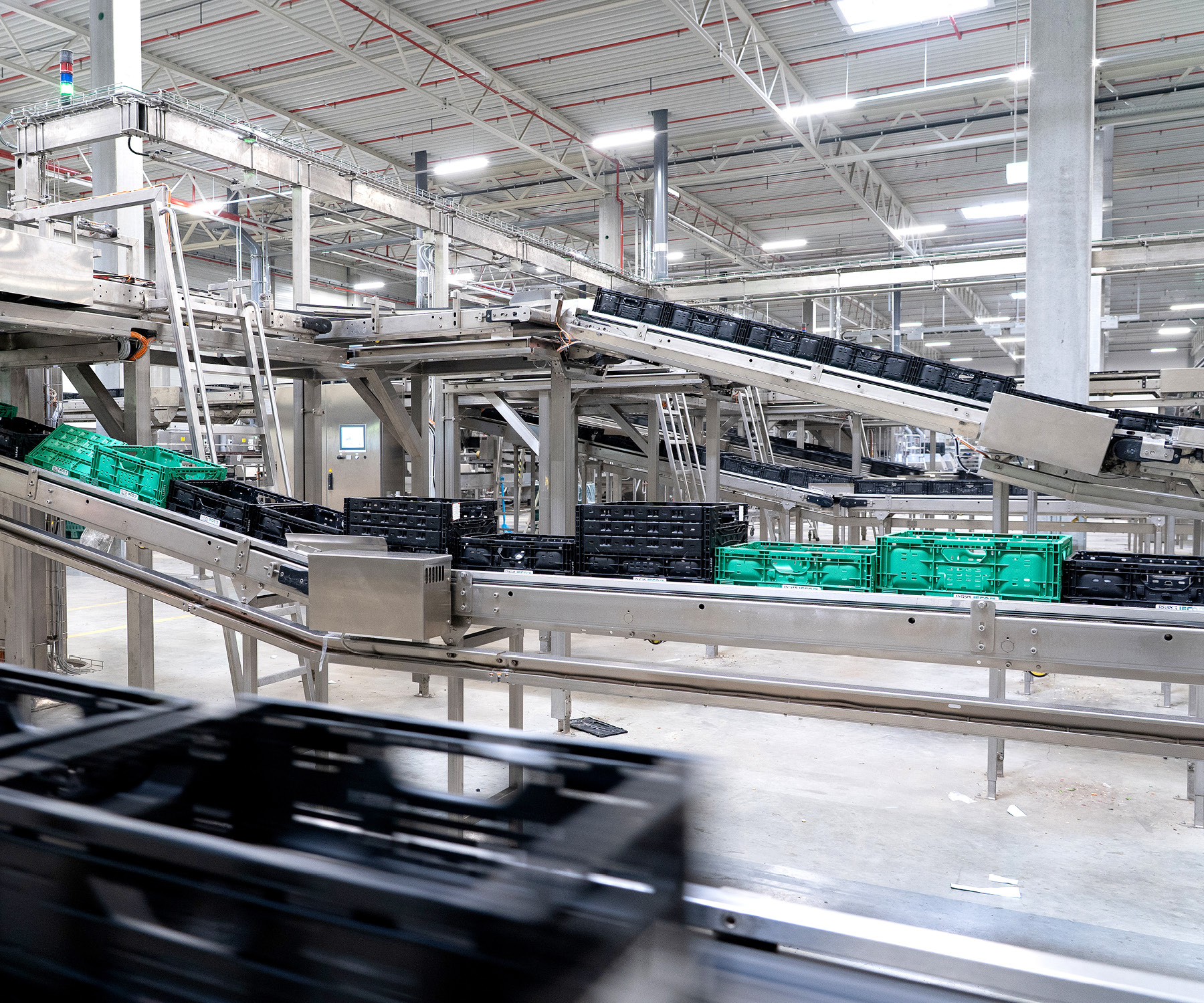
By establishing a centrally coordinated fulfillment center with a dedicated team, IFCO is now addressing these structural challenges and improving service through scalability.
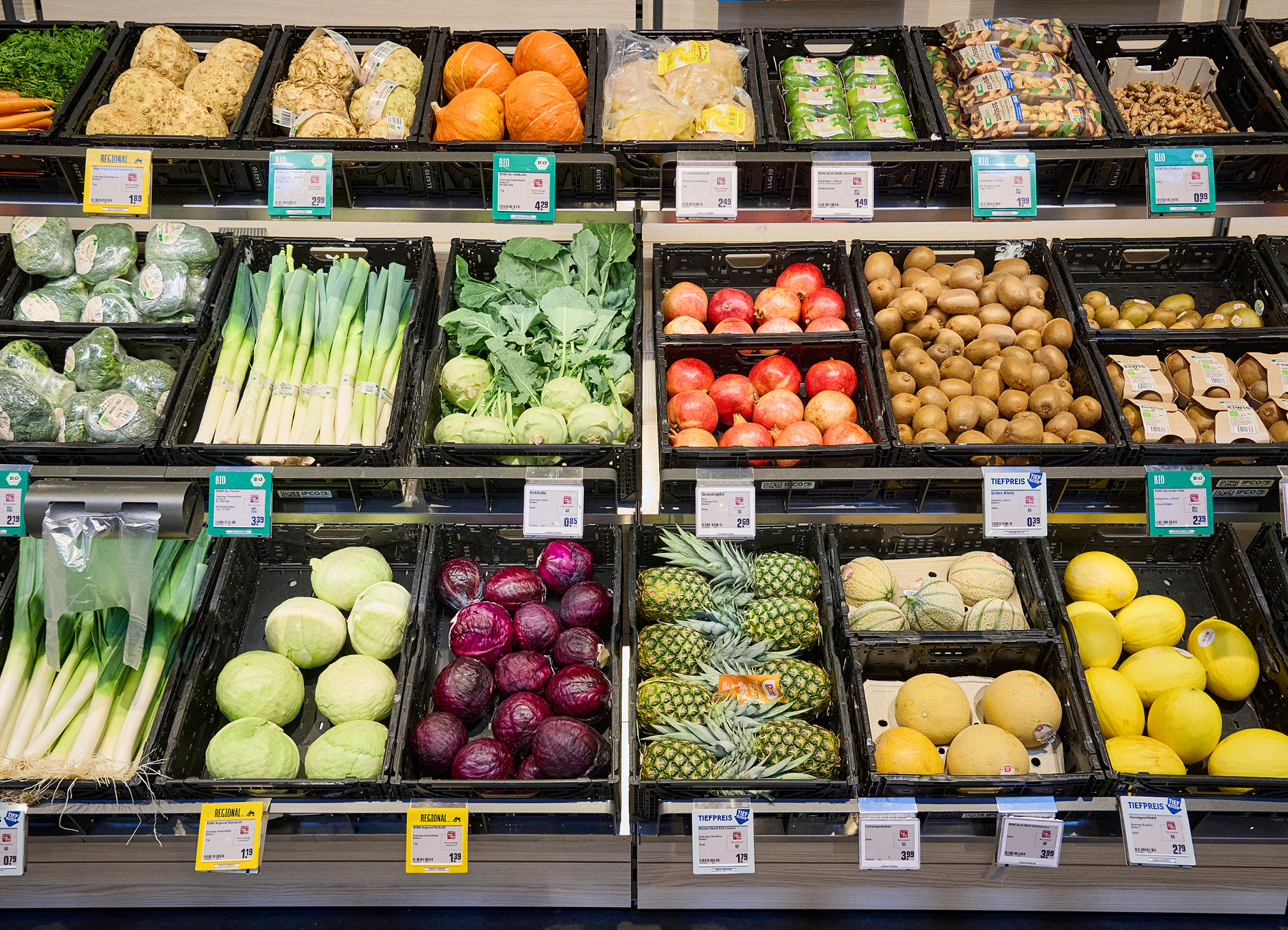
“Standardizing the European supply chain is key.”
In addition, implementing a long-term automation road map for its wash centers by 2030 will not only work as a cost-saving measure but also as a critical response to increasing labor constraints in manual operations.
“Like in many other industries, labor availability is a growing challenge which intensify in the future,” Trixl says.
“We’ve focused on the United States, where we have already made significant progress and are seeing a positive impact on unit costs. We are continuing to expand automation across Europe, prioritizing markets with higher labor costs and tighter labor availability and progressing in line with local operational requirements.”
 RELATED ARTICLES


 Home
Home
 Podcasts
 Covers
 Be Featured
 Community