Language
You can read the magazine in one of the following languages

5-min read

 Bookmark now

 Copy Link
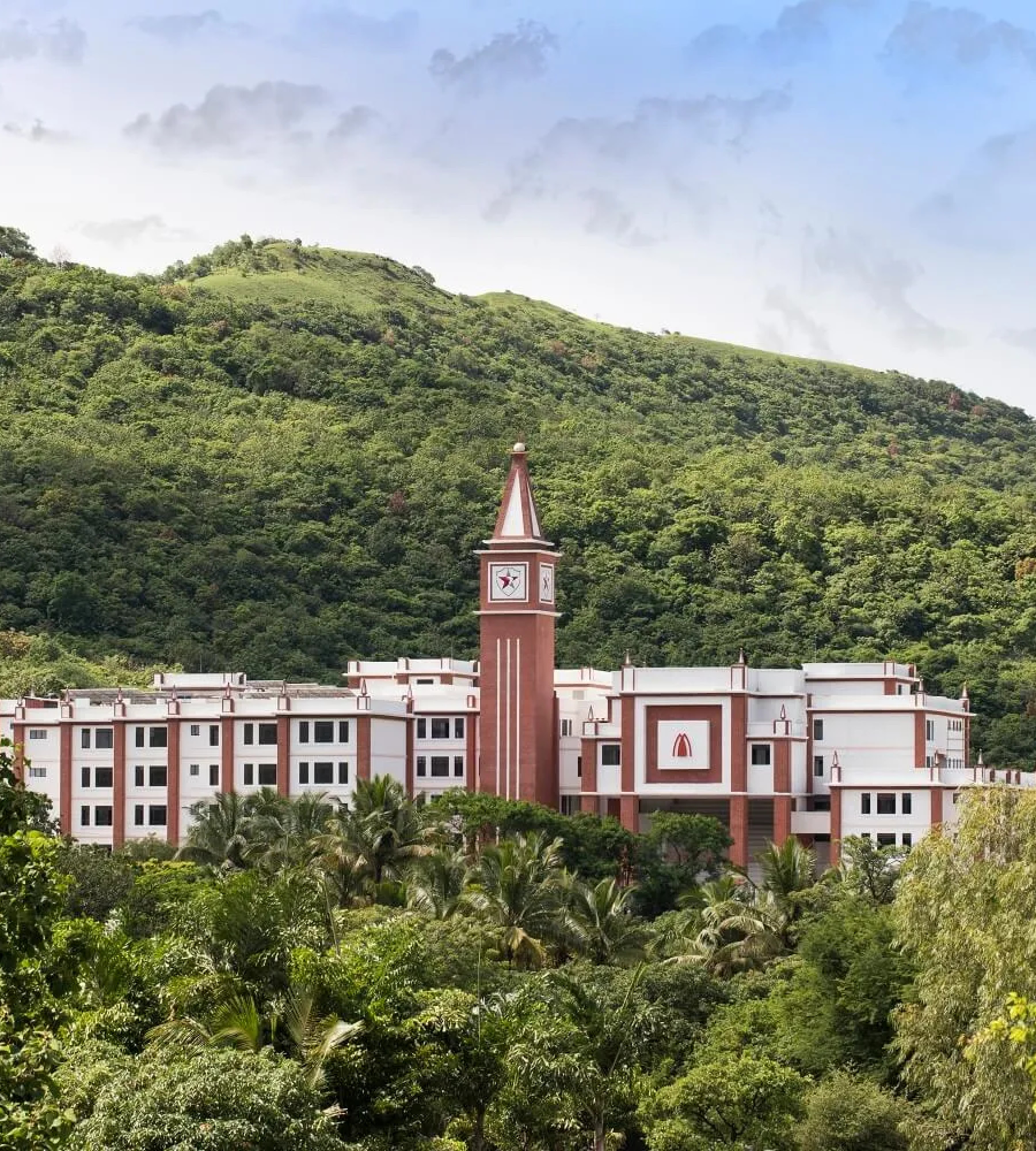
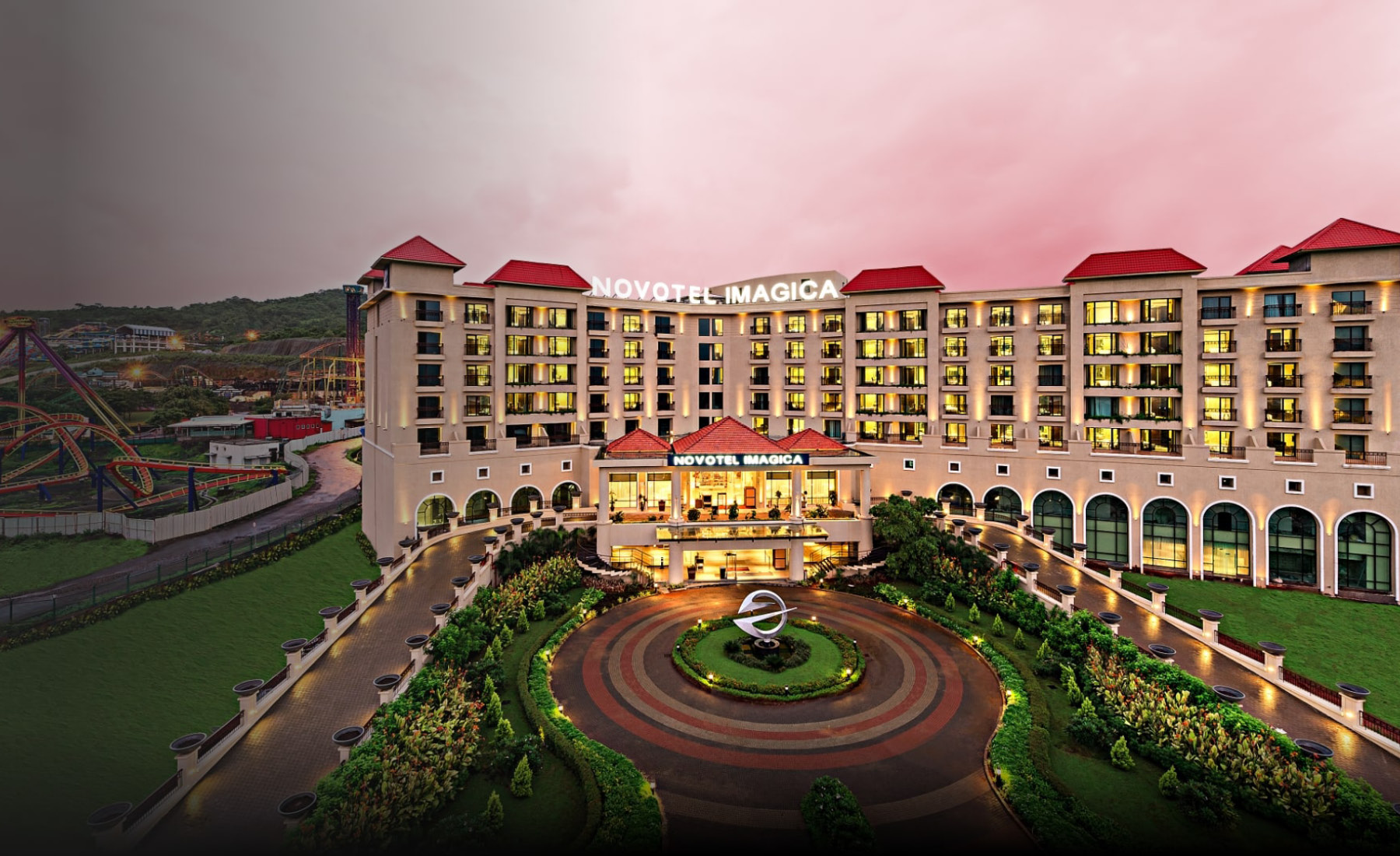
If you live in India, it’s highly likely you’ve been a customer of the Malpani Group in some way – whether it’s visiting one of its water parks, staying in one of its hotels, working in one of its offices or co-working spaces, renting one of its apartments, drinking its tea, using its skincare or even sending your children to one of its schools.
After completing his MBA in 2003, Ashish Malpani was the last of his brothers to have joined the family business started by his grandfather, but he’s making his mark by leading the real estate arm – even if he got there in a roundabout way.
“I started in the fast-moving consumer goods arm, marketing biscuits under our brand name. I realized the quality we were getting from the manufacturer was not very good, so I thought to set up our own factory in Pune,” Malpani tells The CEO Magazine.
“That’s how I started looking for land. I got a call from my brother saying, ‘Let’s explore real estate. And because you already shifted to Pune, under your leadership we’ll start a real estate division.’ And that’s how I got into real estate.”
Malpani Group’s real estate footprint is now so prolific that the 100-year-old conglomerate has been named one of India’s top 12 business houses.
Malpani remains focused on the real estate and development side of things, so once a property is complete, it moves to the relevant portfolio within the business. This allows him to continue negotiating deals on available land parcels for upcoming projects, like the data center industry that Malpani Group is keen to enter.
“We are mainly into commercial development,” he explains. “We have delivered and developed all together around 650,000 square meters of leasable commercial spaces.”
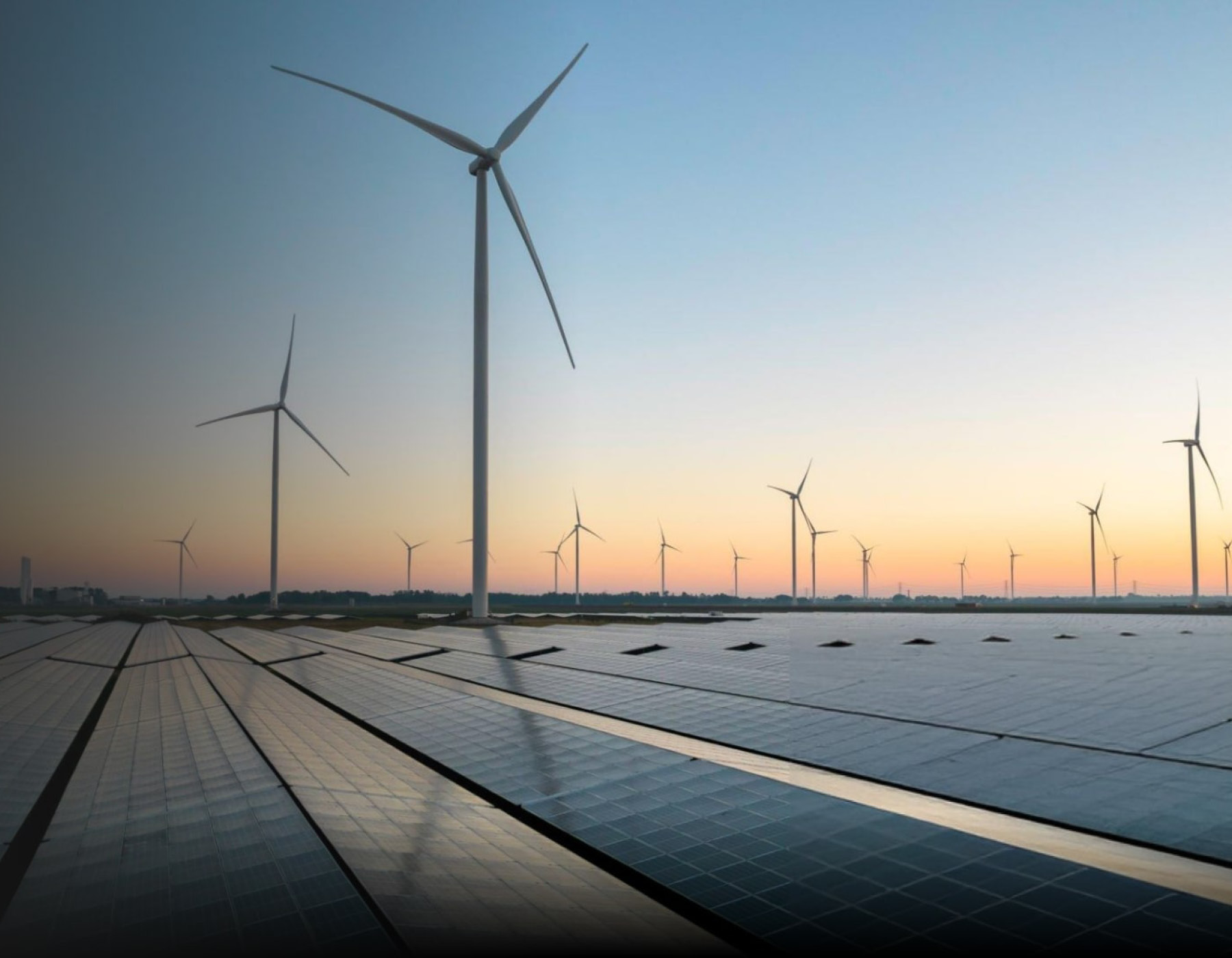
Future expansion to the tune of 10 or even 20 times is not unrealistic, and Malpani is conscious of the company’s environmental impact, having invested significantly in counteracting that through wind and solar farms.
Malpani Group has built these across eight Indian states – including on top of many of its own commercial and residential buildings – generating nearly 700 megawatts of electricity a year. To put that into context, the average middle-income Indian household uses about 3,870 kilowatts of power a year.
“From the beginning of my business life in real estate, I always believed that something had to be done for the environment,” Malpani says. “Eventually all our lessees, and the people operating from our buildings, will be using green power.”
“We built water tanks and we keep up required water supply – we take care of everything.”
Tree planting is also high on the Malpani Group’s environmental agenda. For the past four years, Malpani’s older brother, Manish, has planted 100,000 trees in the family’s hometown of Sangamner in the state of Maharashtra. The family is responsible for maintaining them, too.
“We built water tanks and we keep up required water supply – we take care of everything,” he points out.
On the company’s industrial park, the family has already planted 25,000 trees and is planning to plant 25,000 more. Malpani also wants to plant a million trees in Pune with the view to create an urban forest and he is already in talks to secure the land.
Malpani Group has adopted the Miyawaki forest concept, which uses trees native to the area, planted in specific layers to ensure they grow quickly, making it ideal for foresting urban areas on land that was previously degraded due to construction. The company uses this method in most of the green spaces in its properties.
Between that and the company’s clean energy efforts, Malpani says all his projects are rated at the highest level of environmental responsibility and efficiency, according to the Indian Green Building Council.
“All my projects are Platinum-rated projects from the beginning,” he says.
Also contributing to that rating is how Malpani Group chooses the materials for its buildings, like opting for exposed concrete rather than granite slabs as they have a lower carbon footprint. The company is also designing buildings for optimal sunlight to reduce the need for artificial lighting, without increasing the need for air conditioning, sourcing the right windows to do this.
“The glass thickness and the glass color are important, and the way we design our buildings by always keeping the sun in mind,” he adds.
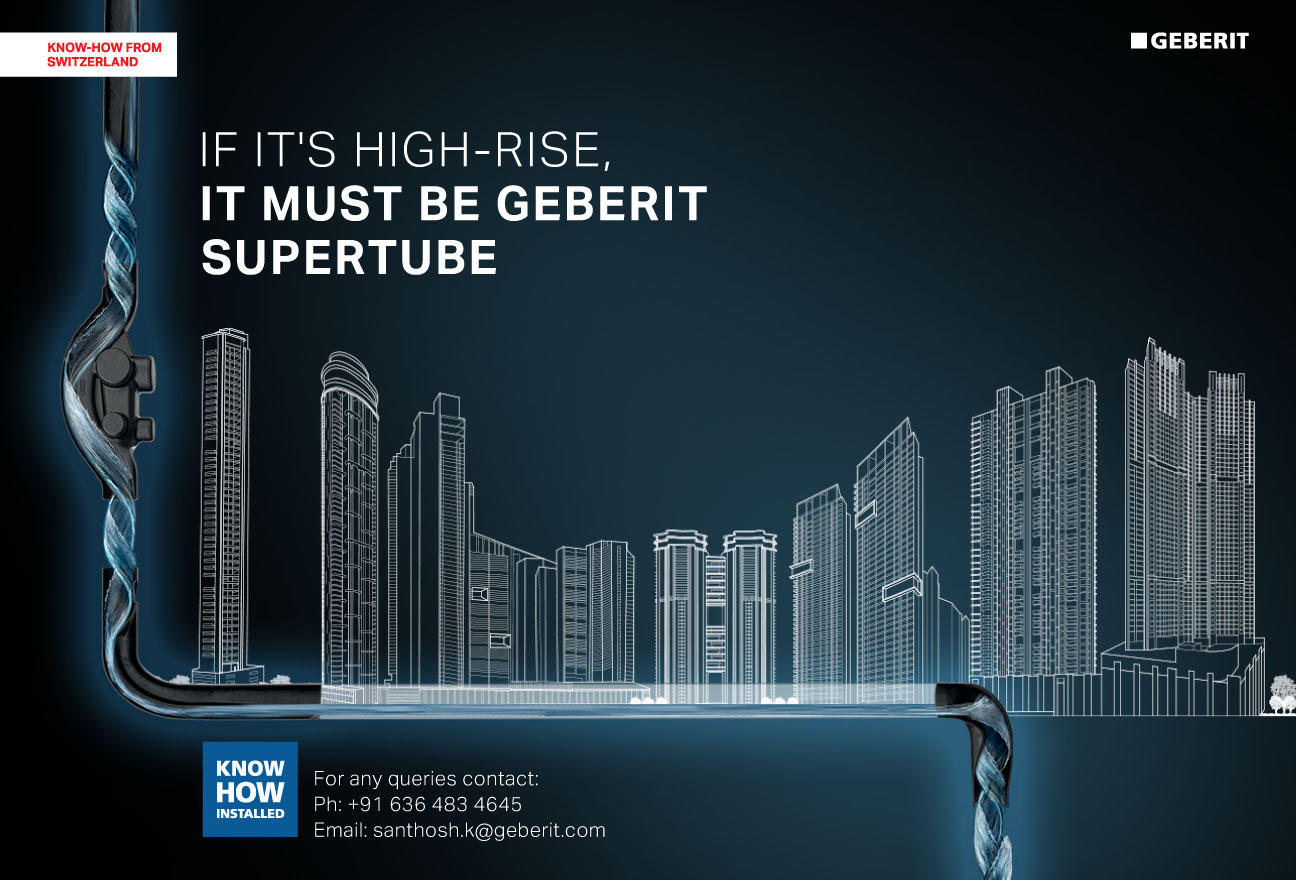
Malpani has also been concentrating on sourcing locally where possible, which is made easier by the fact that more high-quality international products are being manufactured in India; for example, Swiss plumbing brand Geberit, Japanese tile brand Toto and German window, door and facade maker Schüco. The company also partners with local architectural and interior design firm, Meraki Design Hauz.
“We have wonderful international products available, manufactured in India, so ‘Make in India’ is happening,” he says.
Malpani is also open to international brands for innovation. For instance, Mitsubishi elevators come with a locking function that means if an intruder is identified using a building elevator, security can lock them in.
“Whatever I can change inside a building compound, it is my responsibility to make sure that I do it to add value to the city.”
Despite approval delays and dealing with rising construction labor costs, coupled with labor shortages, Malpani is committed to his belief that property developers have a responsibility to make their cities look and feel better.
“I cannot change the roads and the public infrastructure – that is the government’s responsibility. Whatever I can change inside a building compound, it is my responsibility to make sure that I do it to add value to the city, so that my city becomes a better one,” he says.
“Imagine if all developers made good-looking buildings that were green and environmentally friendly. The city all together would become more livable, very safe and with a friendlier atmosphere.”
 RELATED ARTICLES


 Home
Home
 Podcasts
 Covers
 Be Featured
 Community