Language
You can read the magazine in one of the following languages

6-min read

 Bookmark now

 Copy Link
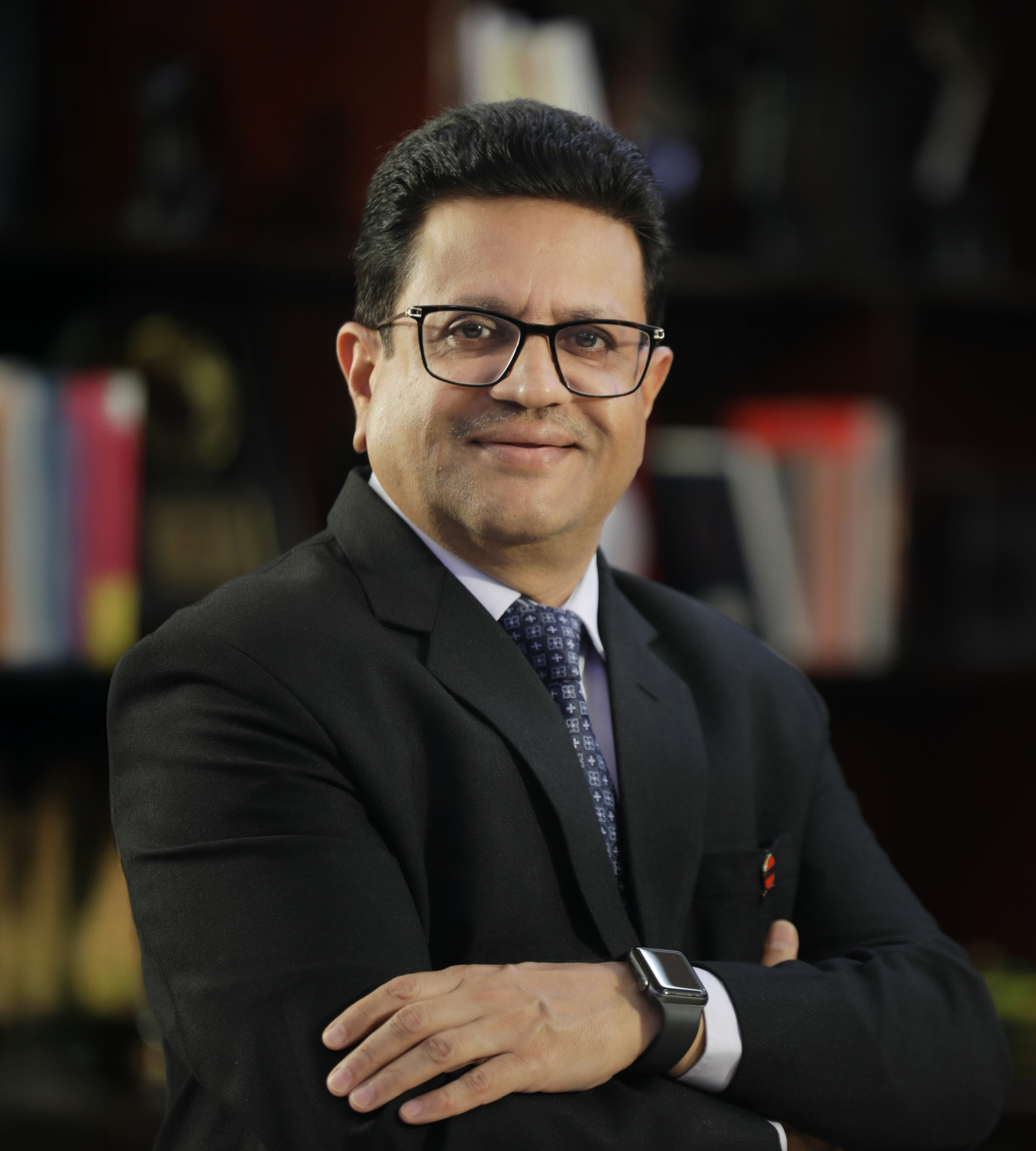
When Arvind Kumar moved from IndianOil in 2021 after a career spanning more than three decades, his next move didn’t take him far. With the selection by the Government of India – Public Enterprises Selection Board, he joined one of its group companies, Chennai Petroleum Corporation Limited (CPCL), where he took the reins as Managing Director and CEO.
But culturally, it was markedly different from the parent company and Kumar knew he had a sizable job on his hands.
An “employee mindset” at the company, as he put it back in 2021, hampered free thinking and innovation. The business needed a fresh approach and a performance turnaround, and Kumar achieved just that, injecting an entrepreneurial spirit into the business and overseeing resurgent profitability.
“The turnaround of CPCL was achieved in three years and it gave me a lot of satisfaction,” he recalls. “It also gave confidence to the employees and CPCL is now a Schedule A company.
“I was recently honored with the SCOPE Eminence Award for Individual Leadership Excellence by the honorable President of India, Droupadi Murmu, in recognition of the transformational leadership during my tenure as Managing Director of CPCL. I dedicate this recognition to the CPCL team – they stood by me with steadfast commitment, and together we moved forward.”
Kumar is now back where it all began in 1989, when he joined the beating heart of IndianOil in New Delhi. He assumed the role of Director (Refineries) in mid-2024, taking responsibility for its nine refinery sites – six in the east, two in the north and one in the west in Gujarat. Its largest refinery is in Paradip on the east coast, strategically located to cater for the export of petroleum products to South-East Asia as and when needed.
In July last year, his portfolio was further expanded when he was entrusted with the additional charge of Director (Pipelines), making him responsible not only for refining but also for the corporation’s 20,000-kilometer cross-country pipeline network – the critical backbone for transporting crude oil, petroleum products and gas across India.
According to the Ministry of Petroleum and Natural Gas, India has a total of 23 refineries, consisting of 19 in the public sector, three privately run and one joint venture.
“IndianOil is the largest refiner in India, accounting for more than 31 percent of the total refining capacity of crude oil, so the role has a lot of responsibilities and complexity,” Kumar says.
Those responsibilities and complexities can be instantly understood and appreciated in statistics alone, which illustrate the sheer scale of the business and the firm’s immense importance to India.
Indeed, IndianOil has been designated a ‘Maharatna’ company, one of only 14 in the country, which are those deemed of national importance and recognized for their exceptional performance and sizable contribution to the economy.
“IndianOil is the largest refiner in India, accounting for more than 31 percent of the total refining capacity of crude oil.”
Kumar reels off figures with an ease that belies the complex logistical work that makes such an operation tick.
IndianOil maintains 20,000 kilometers of pipelines that crisscross the country, serves around 35 million customers each day; has 63,000 customer touchpoints; operates 40,000 fuel stations; refuels 2,800 flights; and delivers 2.7 million liquefied petroleum gas cylinders on a daily basis through its 13,000 distributors, from Leh to Kanyakumari and Kandla to Kohima.
“It’s a vast network,” Kumar tells The CEO Magazine.
Adding to the complexity is the fact that IndianOil refineries have unique configurations with different operational requirements. Under these scenarios, operational excellence is imperative, Kumar explains, particularly in a geopolitical climate where the volatile price of crude oil is adversely impacting gross refining margins.
Crude transportation is also being affected due to ongoing threats to shipping routes in the Red Sea, he adds, putting further pressure on the need to operate in a cost-effective, efficient manner.
“We always keep in mind the need to operate the refineries in the most optimum manner, and that’s where operational excellence comes into play, where safety, reliability and sustainability are paramount and we have environmental compliance,” he explains.
“And now, by integrating process AI with digital twins, our refineries continuously learn, predict and optimize operations in real time for superior efficiency, safety and sustainability.”
“Dynamics are changing, technology is changing and AI is changing business profitability.”
Continuing that theme, he observes how IndianOil and the wider energy sector is undergoing a major transformation where green fuels and renewables are taking center stage.
According to Kumar, IndianOil has multiple projects underway to ensure it is keeping up with the rapid pace of change, driven in part by Terra Clean, a company offshoot designed to accelerate renewable energy initiatives. The company has a target to achieve net zero operational carbon emissions by 2046.
The company has emerged as a frontrunner in sustainable aviation fuel (SAF). Its Panipat refinery is the first in India to earn ISCC-CORSIA certification for producing SAF from used cooking oil, with a target of 30 kilotons per annum of SAF production. A SAF offtake memorandum of understanding with Air India marks a step toward decarbonizing aviation in line with the country’s climate goals.
“Dynamics are changing, technology is changing and AI is changing business profitability. Biofuels, green hydrogen, compressed biogas and renewables, all are emerging fields,” he says.
“During this transition, we need to focus on operational excellence. We need to break silos. We need to build bridges and find more synergies because times are changing.
“We also need to develop the competency in our most valuable asset – our people.”
As if that wasn’t enough to occupy Kumar’s time, IndianOil has a number of megaprojects underway at its refineries in Paradip, Panipat, Barauni and Gujarat that will see its total group refining capacity rise from 80.75 million metric tons per annum to 98.4 million metric tons.
Its lubricant division, spearheaded by its flagship Servo brand, is also being expanded, with Catalytic Iso-Dewaxing Units being installed with expansion projects at the Panipat and Gujarat refineries to increase Grade II and Grade III lube oil base stock production, while a downstream integration strategy includes a yarn manufacturing project it launched in late 2024 under a joint venture with chemical company MCPI and the upcoming Paradip Naphtha Cracker Project at Paradip.
Recently, IndianOil commissioned its state-of-the-art acrylics/oxo alcohol project, at Vadodara – the first of its kind for the company and the second such plant in India. This downstream petrochemical integration enables the production of normal butanol, acrylic acid and butyl acrylate for utilization in paints, plastics, adhesives and coatings.
By reducing import dependence and creating a reliable domestic supply chain, this project strengthens IndianOil’s position in the petrochemicals value chain while contributing to the vision of Atmanirbhar Bharat (Self-Reliant India).
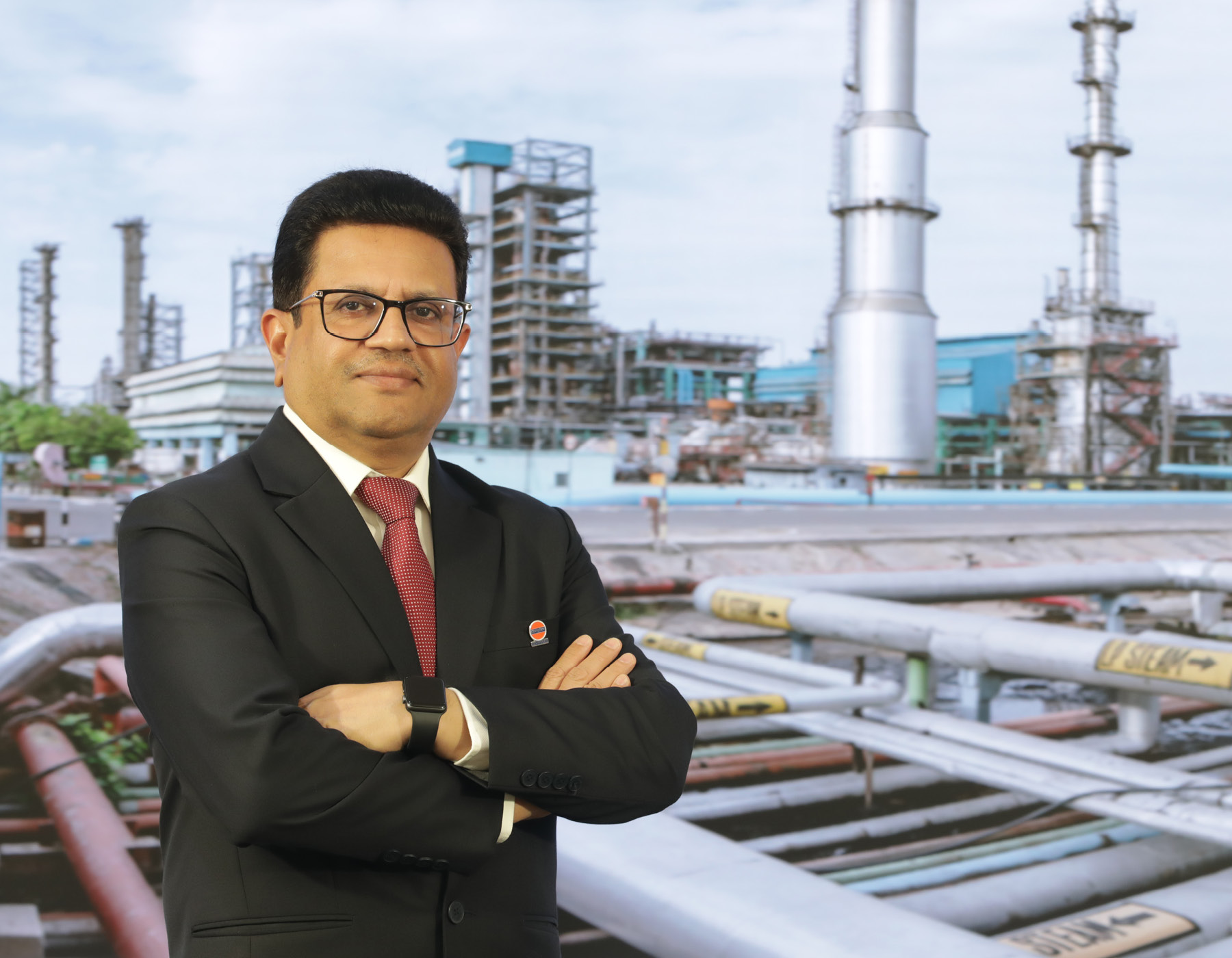
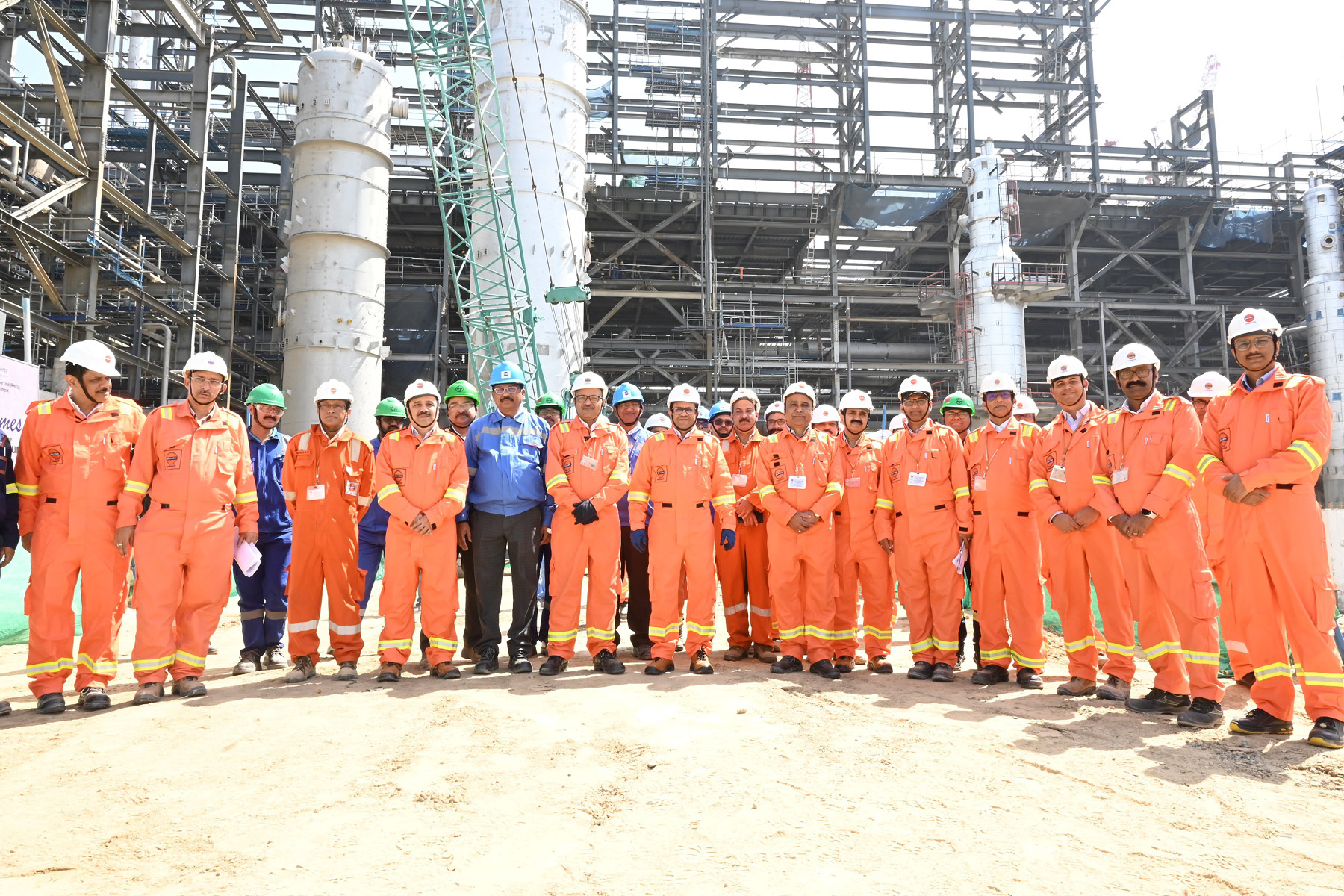
It is also installing a new Resid Hydrocracker Unit at the Panipat refinery for residue upgradation – the first such unit for IndianOil and the second in India. Larsen & Toubro, a specialist in engineering, procurement and construction projects, is executing this unit.

Arvind Kumar receiving the Scope Eminence Award from President Droupadi Murmu
“The mandate is simple: execute with precision, innovate with intent and deliver sustained value.”
Yet such ambitions are born from within. At the heart of IndianOil’s operation, and what drives the business forward, are its five core values: Nation-First, a new pillar designed to demonstrate its commitment to “propel the nation”, as the company puts it; care; passion; innovation and trust.
These are the mission statements on which the foundations of the company have been built and which will continue to underscore its growth.
“The mandate is simple: execute with precision, innovate with intent and deliver sustained value. That is how IndianOil will define its next era of growth,” Kumar concludes.
 RELATED ARTICLES


 Home
Home
 Podcasts
 Covers
 Be Featured
 Community