Language
You can read the magazine in one of the following languages

5-min read

 Bookmark now

 Copy Link
The work done by the world’s optometrists and ophthalmologists is surely among the most rewarding. Providing the gift of sight is a gift in itself, which is why the industry attracts so many formidable medical minds.
In the Philippines, the great attractor is Asian Eye Institute. Established in 2001 by a collective of doctors from a Harvard fellowship, Asian Eye Institute was an attempt to import United States optometric expertise and make quality eye care affordable for Filipinos. A quarter of a century later, that attempt has proven successful.
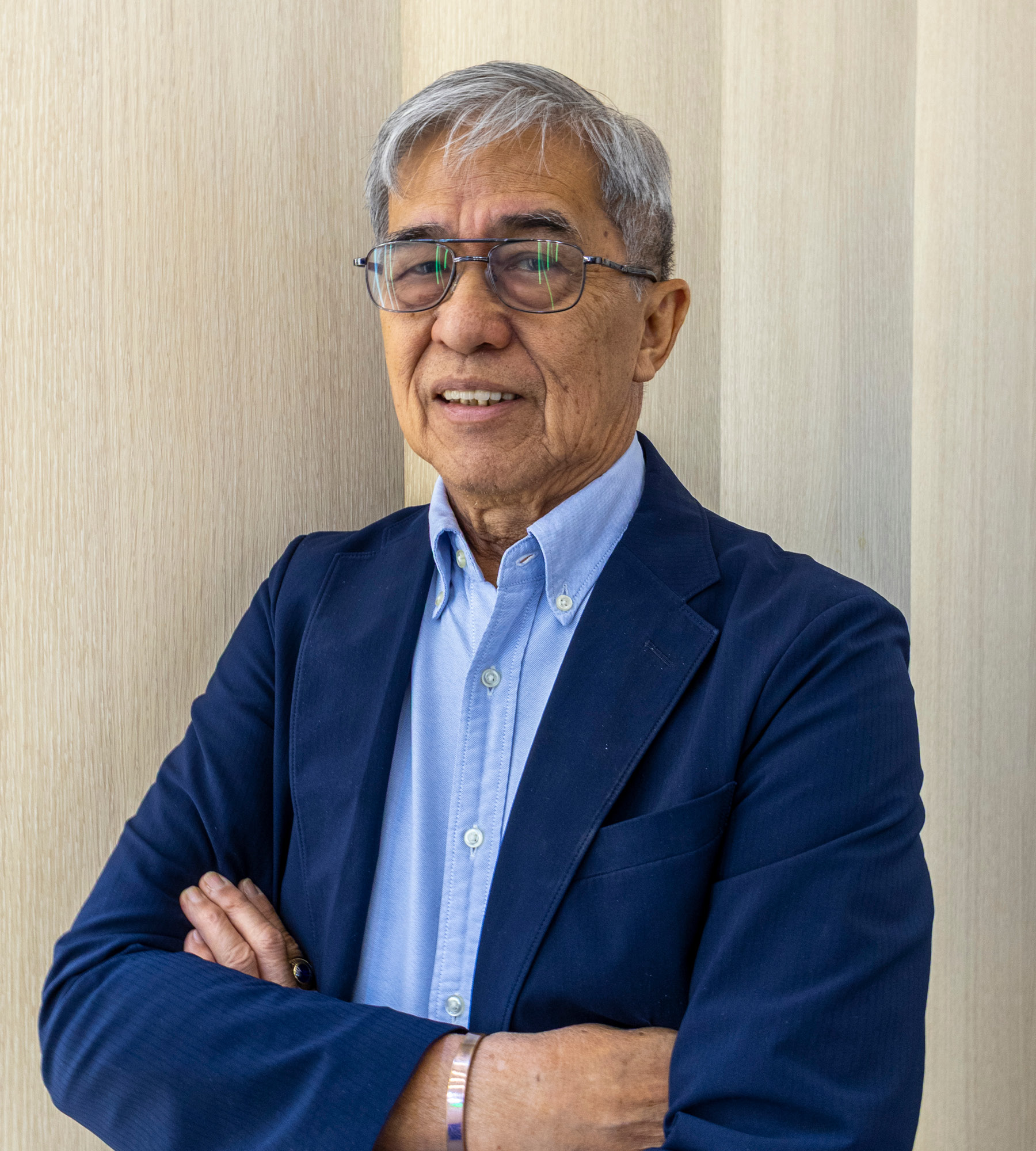
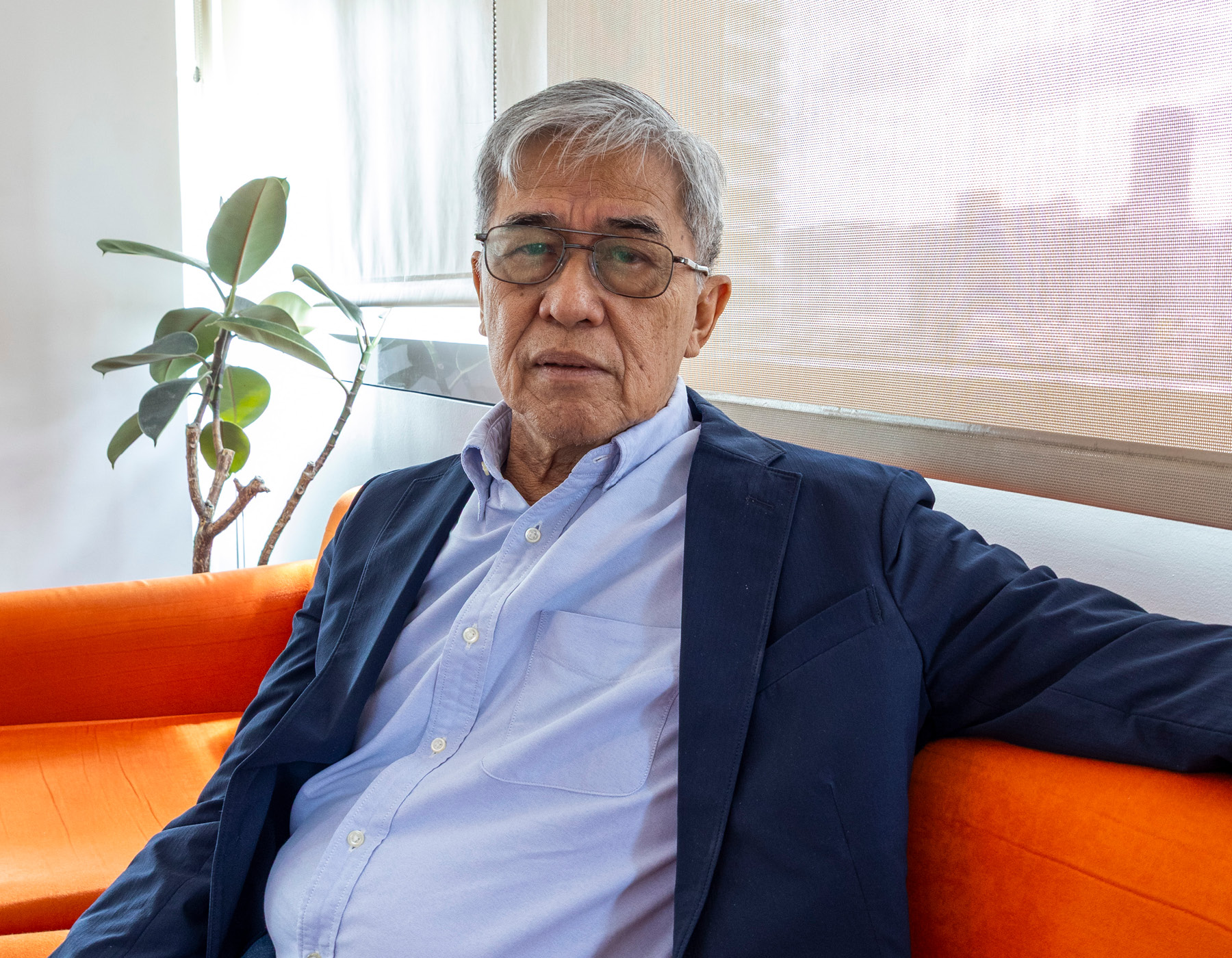
“Our founder was Oscar Lopez, who had to travel to Boston several times a year to receive glaucoma treatment,” Juan Nañagas, Asian Eye Institute’s Medical Director, tells The CEO Magazine.
“Medical tourism is picking up again.”
“It dawned on him that while he could afford it, many ordinary Filipinos could not.”
Today, Asian Eye Institute is made up of top eyecare professionals battling conditions such as glaucoma, cataracts and macular degeneration at clinics across Metro Manila.
“It’s all to ensure continuity of service that Asian Eye Institute wants to provide,” Nañagas says. “And the honors our doctors gather we consider milestones. Dr Robert Ang, for instance, is considered one of the top 100 most influential ophthalmologists in the world, and his researchers have won awards around the world.
“Recently, he was part of the team that performed the world’s first robotic cataract surgeries at Asian Eye Institute’s Rockwell clinic, using technology developed by an Israeli group.”
A former Asian Eye Institute research director and healthcare industry veteran, Nañagas says Asian Eye Institute’s priority is maintaining its position at the top of the industry.
“That’s our five-year plan,” he says. “There’s AI coming into the industry in terms of diagnostic use and we’ve already adopted technology that’s able to diagnose conditions with some degree of certainty from pictures of the retina and the optic nerve.”
There’s also the possibility of expansion on the horizon, coming on the back of the Philippines’ adoption of universal healthcare.
“Asian Eye Institute is a subspecialty facility with delineated comprehensive ophthalmology and specialty procedures and there are very few facilities in the Philippines with such a setup. We want to be able to provide that expert care beyond Manila,” Nañagas adds.
Making that decision is Asian Eye Institute’s Medical Executive Council, which also chooses the institute’s doctors or whether to adopt certain technology.

“That’s the professional side, but then there’s the management side, which makes sure operations are efficient across our network,” Nañagas explains. “We’ve always wanted to go paperless, but that’s not easy when you generate as many images as ophthalmologists do.
“And now with universal healthcare here, our electronic record system must legally be able to provide a seamless flow of information from the most sophisticated medical centers to the lowest level of healthcare and eventually the villages. Those are some innovations we’re looking at.”
As a private company, Asian Eye Institute has much more competition now than it did in 2001, which Nañagas says is keeping the Medical Executive Council on its toes as well.
“A lot of foreign firms are interested in the Philippines,” he reveals. “Medical tourism is picking up again, so we’re always thinking about the bottom line.”
And that involves choosing the right partners and stakeholders to help achieve its goals of providing top-flight ophthalmologic care.
“When you work with suppliers, it’s a two-way street,” he says. “Pay on time, and you’ll be supplied on time. We don’t want to run into problems of supplies not being available and we’re hoping that our enhanced use of IT can prevent such things from happening.”
Additionally, many of the innovative technologies Asian Eye Institute employs across its clinics are possible thanks to the company’s industry partners.
“When it comes to our research, much of that comes from our partners,” Nañagas acknowledges. “We’re contracted to conduct research using some of their newest products, and that gives us the advantage of being among the first in the industry to trial those methods.”
Partners such as Alcon Laboratories, a leading eyecare product provider, have provided that edge to Asian Eye Institute.
“In ophthalmology, especially in the Philippines, the supplier group is quite small, so most of our partners are from larger corporations across the global ophthalmology industry,” he says. “But as part of The Lopez Group, which has a very strong focus on sustainability and regenerative businesses, we have to consider whether potential partners are of the same mind.”

“Providing world-class quality of service to our patients is our paramount goal.”
For Nañagas, Asian Eye Institute’s ethical considerations are always at the front of his mind as Medical Director.
“Part of my job is to ensure we comply with national laws and international standards in that respect,” he says. “And I make sure to advise our younger doctors to always ensure they’re compliant, because any transgression can come back to haunt you.”
In fact, quality doctors are a major point of difference for Asian Eye Institute; the team is also under an exclusive contract.
“They practice only with us, and they’re only allowed on the faculty of certain educational facilities,” he says. “And we provide total backroom support to our doctors so they can provide the best of care without any worry.”
From a single outlet in Makati to today’s network of Manila facilities and satellite clinics in Alabang, Pasay, Quezon City, Batangas and Mandaluyong, Asian Eye Institute has made significant strides in bringing clearer vision to those in need.
“Providing world-class quality of service to our patients is our paramount goal,” Nañagas concludes.
 RELATED ARTICLES


 Home
Home
 Podcasts
 Covers
 Be Featured
 Community