Language
You can read the magazine in one of the following languages

5-min read

 Bookmark now

 Copy Link
The manufacture of plastic may not be as old a practice as some, but it can benefit just as much from modern technology as woodwork or metal forging. For plastic companies, operational excellence is the grand pursuit, and recent advancements in technology – particularly digitalization – have made that path shorter than ever.
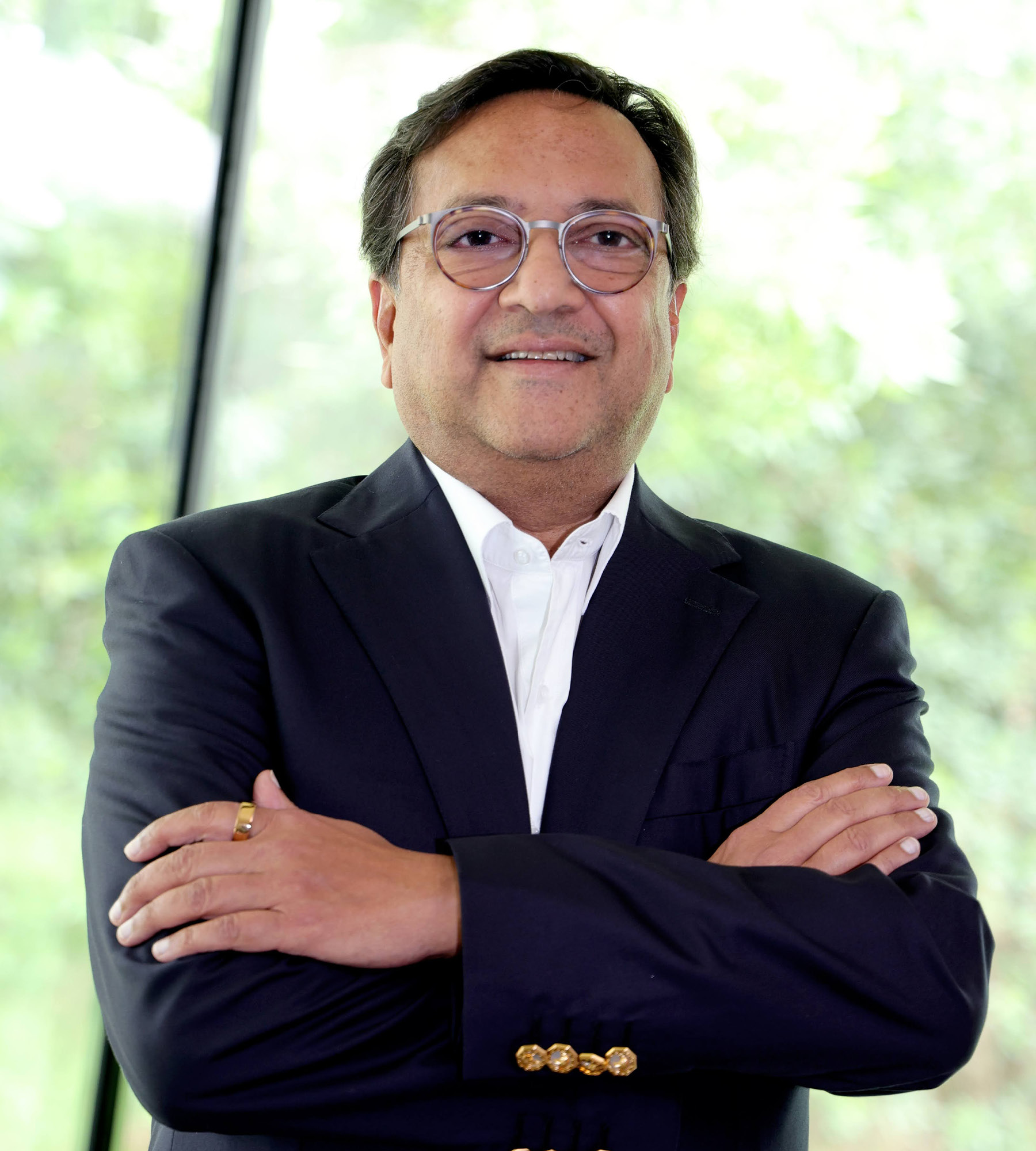
Leading Indian polyester and polymer manufacturer Ester Industries is already a technologically advanced player in the country’s plastic market, but Chairman and CEO Arvind Singhania isn’t content to stop there.
“This is something we’re going to grow multifold over the next few years,” he tells The CEO Magazine. “Technology is a mainstay of Ester Industries, and we depend on it to enhance value for the company, its stakeholders and shareholders.”
“We want to focus very strongly on sustainability and the environment. As much as our product offerings can be on a sustainable platform, they will be.”
In India, plastics are an important part of the nation’s economy. With the industry currently worth around US$37 billion, the Government of India is providing local manufacturers with the support to boost the sector to US$126 billion within five years.
Ester Industries occupies a unique position in that economic pillar. Singhania says the firm’s focus on technology and R&D means its portfolio stands apart.
“Very few companies in India do a lot of R&D,” he says. “Mostly because people want to go out and buy technology rather than developing it themselves. But we’re very clear that we want to create our own intellectual property in the specialty polymer business, which is completely R&D driven.”
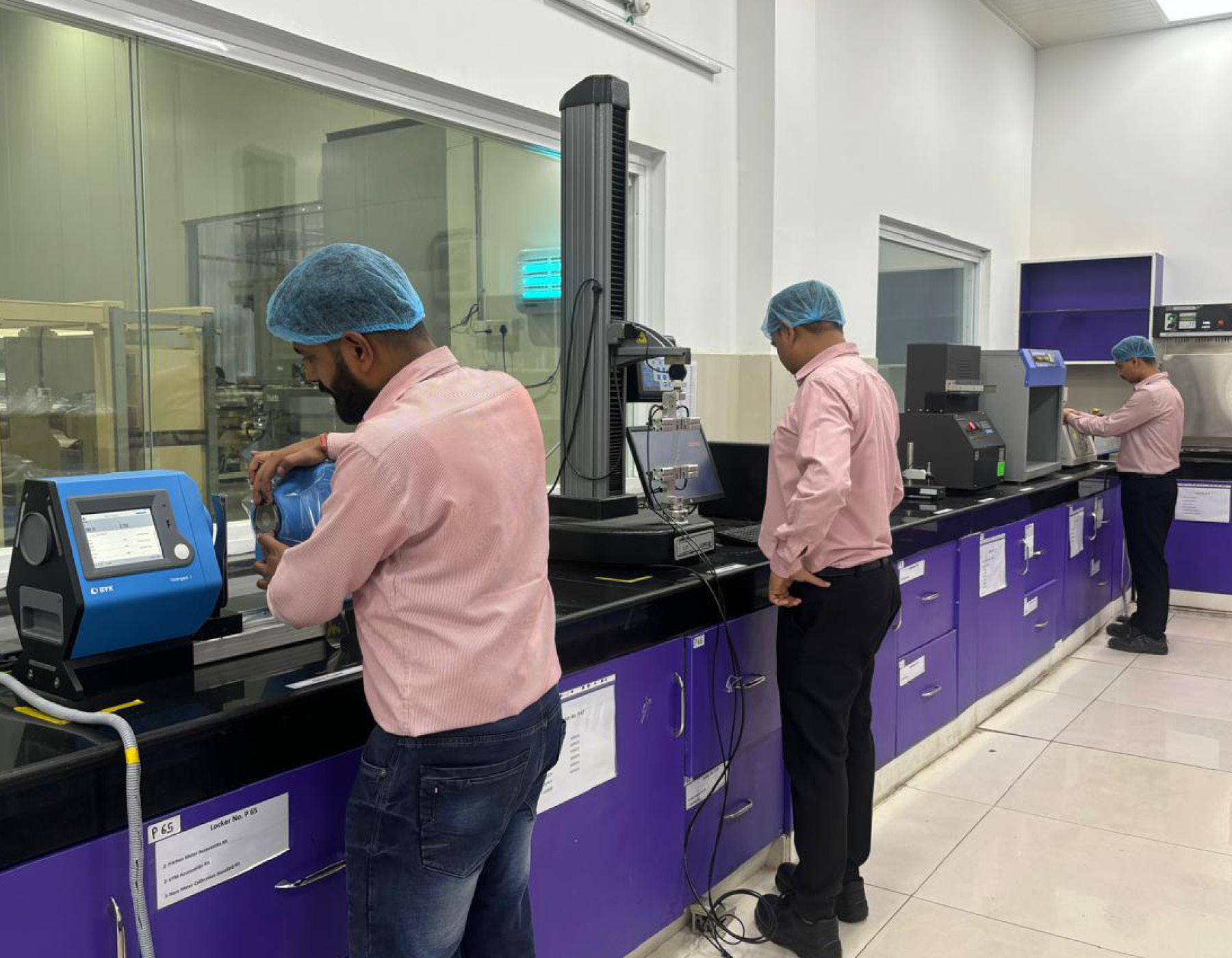
Singhania says Ester’s game plan to ride the coming wave involves creating tailor-made solutions for customers and driving operational excellence through digitalization.
“We don’t have the attitude of ‘Here’s what we have, please buy it’,” he says. “We go to our customers and say, ‘You tell us what you want and we’ll build it for you.’ To do that, you have to be agile. You have to delight your customers,” he says.
“Our digitalization project that’s currently ongoing will be fully implemented by 2026, and will help even further to strengthen the ties with our partners. It’s a transformation toward technology.”
But global sustainability concerns are challenging such plans within the plastic sector. In response, India’s top plastic manufacturers are stepping up and building sustainability measures into their own growth trajectories.
“It’s certainly a part of our core values,” Singhania says. “Anything we do, we want to focus very strongly on sustainability and the environment. As much as our product offerings can be on a sustainable platform, they will be.”
To underscore the point, Ester has teamed up with Loop Industries of Canada to build a US$193 million chemical recycling plant to process any kind of polyester waste across categories including non-recyclable textile and packaging laminates. This means for the first time there will be a commercially scalable textile-to-textile and laminate-to-laminate recycling possibility.
“India is a big market for polyester textiles, and so there’s a lot of textile waste here. When our plant starts up, we’ll be able to consume this waste and convert it into virgin-quality material for global brand owners looking for such sustainable materials,” he says.
“Consumers are becoming very aware of the negative effects of clothing manufacture, and they’re demanding that recycled material be used in the products they purchase.”

“People are our most important resource.”
It’s just one of many partnerships integral to Ester’s ongoing success; purified terephthalic acid provider MCPI Private Limited is another.
“We nurture our partnerships with companies all across the globe,” Singhania says. “Long partnerships go a long way in this business, and we believe having very strong ethical values maintains them.
“We ensure open, honest and accountable communication across all stakeholders. It has to be transparent.”
An exclusive supply deal with a raw material provider, for instance, must remain exclusive on both ends, Singhania explains.
“I’m very happy to say that even in times of shortage, this kind of trusted partnership pays off. There was no shortage for Ester. We’re trusted so much that it’s blindfolded, but that takes time to build. It doesn’t happen overnight,” he says.
It’s a pure example of what Singhania believes is the soul of Ester Industries.
“A company on its own has no soul; the people are the soul of the company,” he says.
“People are our most important resource; even greater than money or anything else. It’s people who will drive any function or activity, and we’re very proud to have such a competent assortment of people.”
Ester Industries also invests in that vital commodity through training programs and automation implementation that frees up staff to do their best creative and strategic work.
“We continuously train our people and provide them with growth opportunities,” Singhania says. “We want to move people away from manual processes to make them even more effective.”
With the five-year target in place to double or triple returns, Singhania and the Ester Industries crew have their work cut out, but the CEO is bullish.
“We have two businesses: polyester film, which is in the flexible packaging space, and specialty polymer, which has high-performance applications. Our intention is to expand the specialty film and specialty polymer business dramatically, which is how we’ll be able to grow our fortunes,” he says.
“We hope to go from our current level of 40 percent by revenue specialty products to 80 percent by revenue by 2028. By then, we’ll become a completely technology-oriented company.”
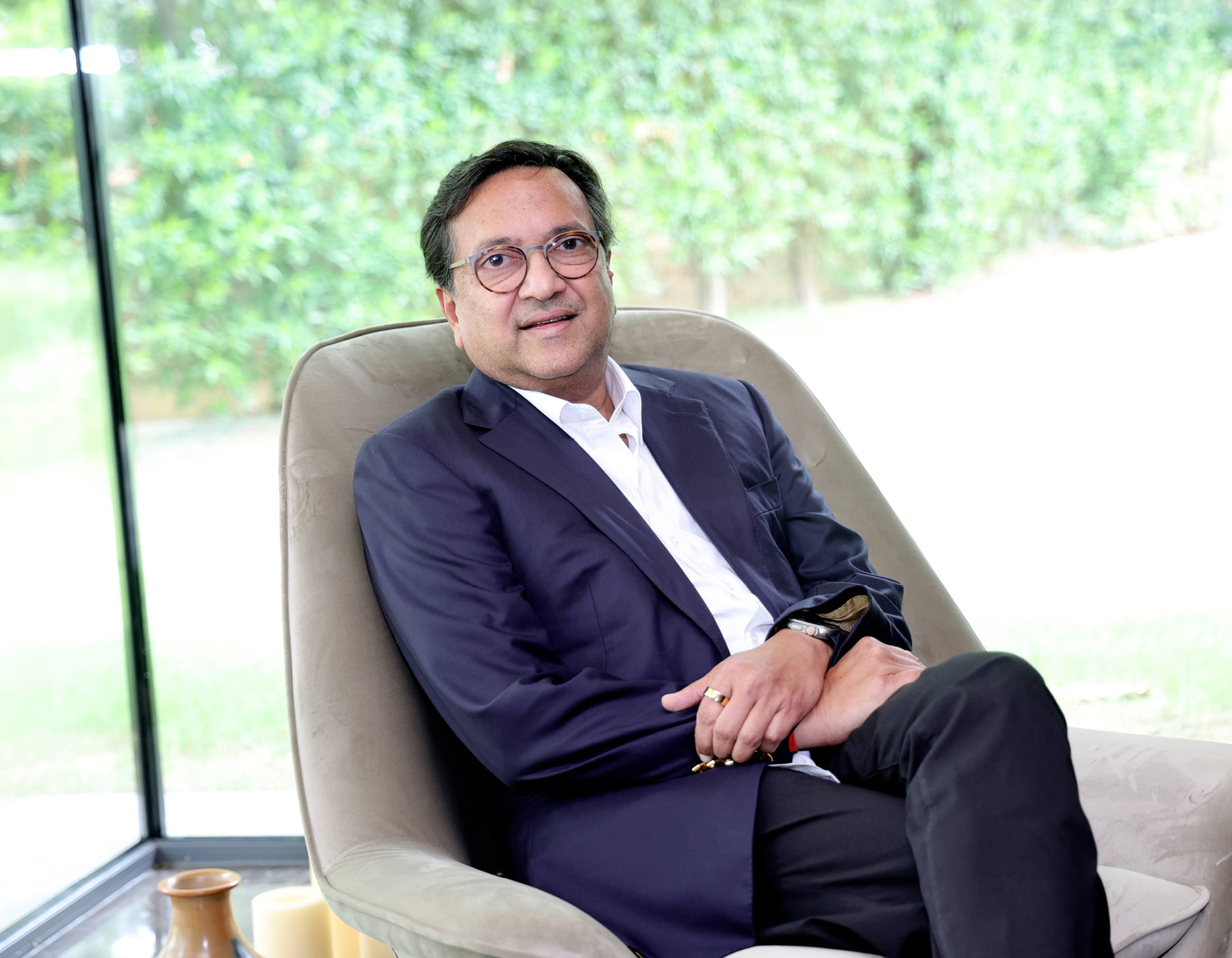
For Singhania, who founded Ester in 1985 with his father, such a result would be the realization of his life’s work.
“In 40 years, there’s been a lot of water under the bridge from where we started,” he says.
“We’ve completely professionalized the company, we’ve gone from a very small capacity of polyester film to more than 108,000 metric tons, and we’ve transitioned from being a commodity player to a technology player. And that’s the most important change of all.”
 RELATED ARTICLES


 Home
Home
 Podcasts
 Covers
 Be Featured
 Community