Language
You can read the magazine in one of the following languages

5-min read

 Bookmark now

 Copy Link
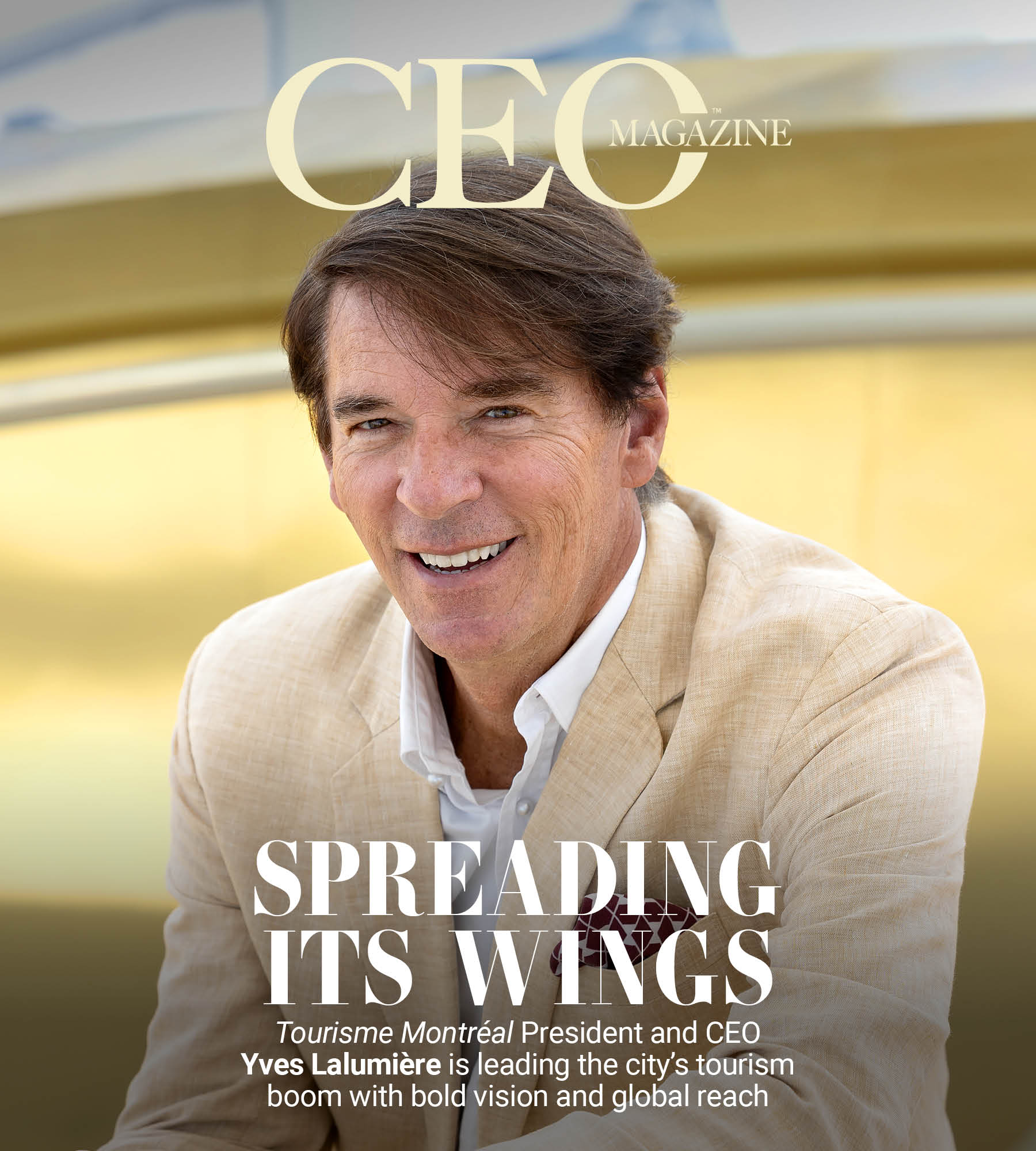
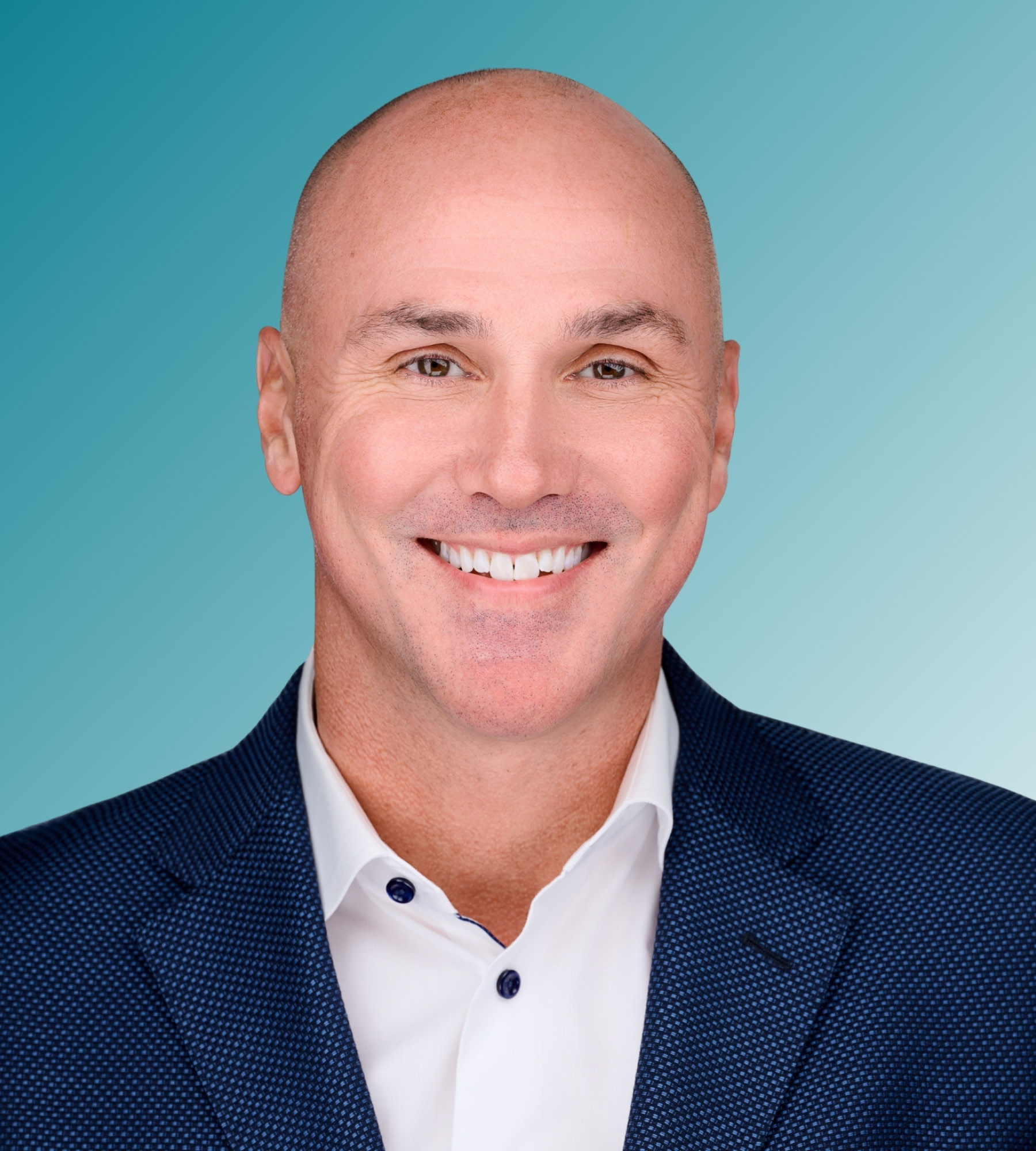
As President and CEO of Tourisme Montréal, Yves Lalumière is fortunate to have plenty of great material to work with.
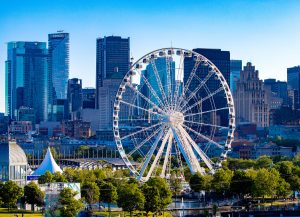
“We’re an island, and you don’t see a lot of cities on an island,” he tells The CEO Magazine. “We also have a mountain in the middle of the city. We’ve got a thousand parks and a thousand kilometers of bike lanes. There’s room to breathe.”
There’s also the population of nearly 1.8 million, three-quarters of whom are bilingual and a quarter trilingual; a busy calendar of 100-plus events and festivals, including one of the oldest Formula One races in the world; and a concentration of fine dining restaurants – all wrapped up in a setting that makes travelers feel safe and secure.
“In a nutshell, I would say that we’re very much a playground,” he says with a smile.
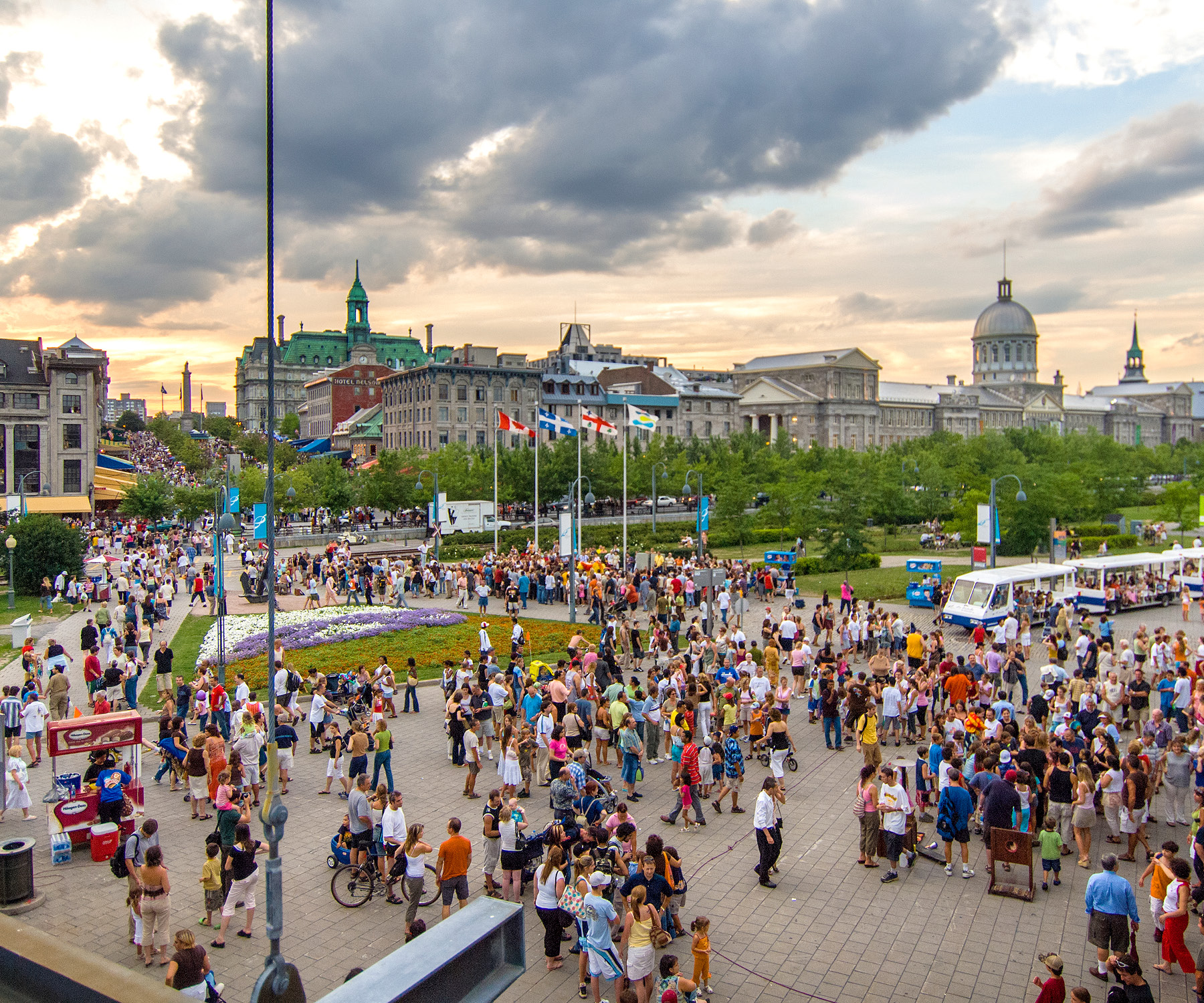

Under Lalumière’s leadership, increasing numbers of people are visiting this Canadian playground year on year. In 2024, the city welcomed 11 million tourists, including four million over the summer.
He expects similar figures this year. With two million visitors coming from the United States, its neighbor is its biggest market. Yet Lalumière knows Montréal is in a good place should those figures drop off owing to the current political climate.
“We’ve spread our wings in a way that allows us to be more bullish and protective of our destination growth,” he explains. “We still have 500,000 French tourists and international visitors from Japan, India, the Middle East and South America.”
Driving that growth are the new airlines and routes connecting Montréal, a city that he describes as at the crossroads of America and Europe, with the world.
“We have doubled the number of direct links on the airline side,” he says.
Working with Montréal Mayor Valérie Plante and Aéroport International Montréal-Trudeau, Lalumière has played a key role in increasing the number of direct connections from 80 to more than 160 in the past 12 years.
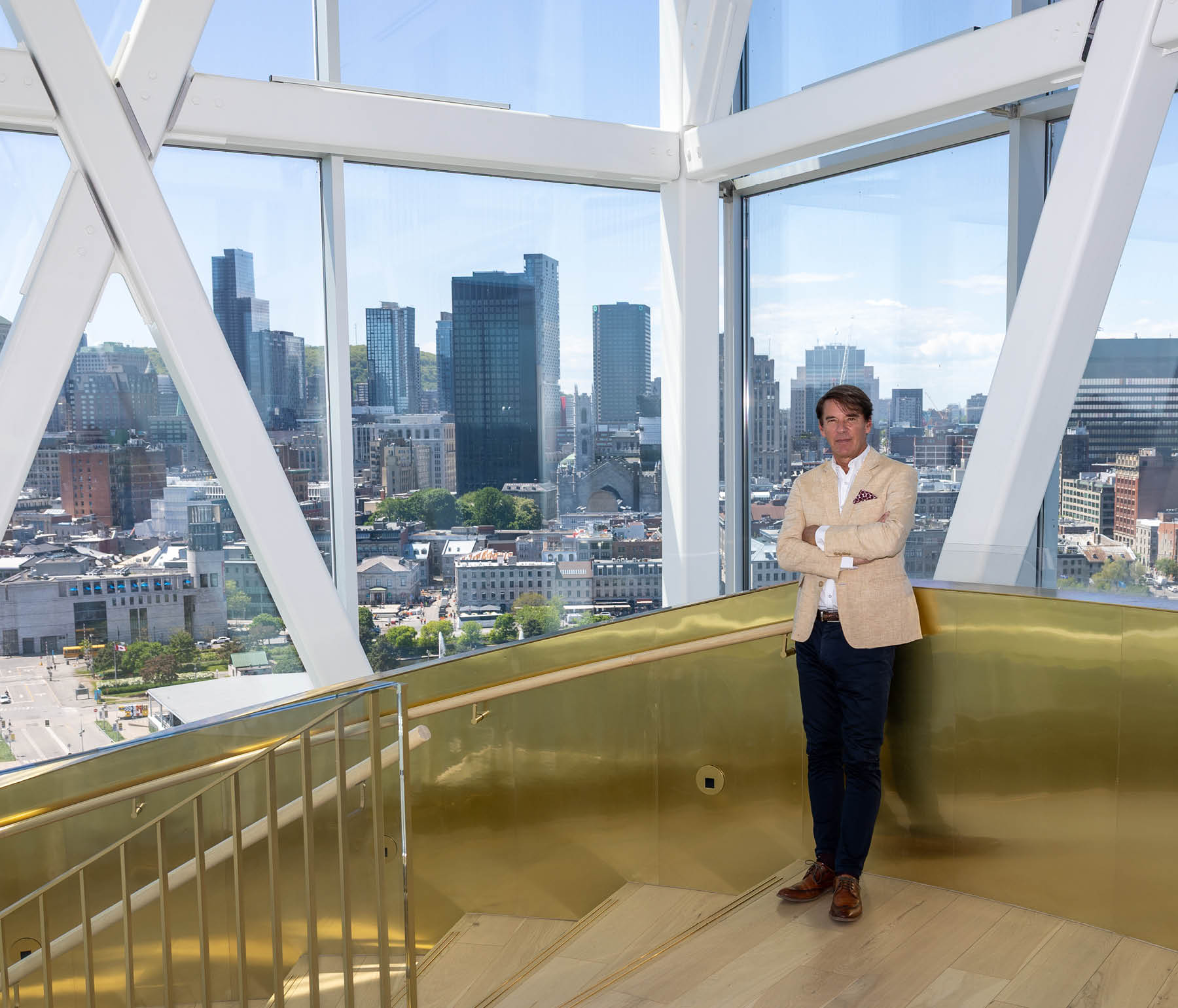

Travel is an industry that Lalumière knew he wanted to work in from a young age. Before joining Tourisme Montréal in 2013, he was President of travel agency Transat Distribution Canada and he also has 20 years of experience with American Express on his resume. His expertise extends across hotels, cruises, leisure, business and travel and entertainment.
“Traveling within Canada is an area in which I have developed a strong expertise and which I continue to pursue with passion,” he says.
When the phone call came from a headhunter to gauge his interest in joining Montréal’s tourism body, the chance to do something for the city that raised him was too good to pass up.
After decades of working on getting people out of the country thanks to his roles at Transat and American Express, the opportunity to have an inbound focus – to bring people to Montréal – was something to relish.
Uniquely positioned as a pocket of francophonie in North America, Tourisme Montréal draws influence from how tourist boards operate in Europe as well as from next door in the United States.
“We’re trying to take best practices from both,” Lalumière explains.
Describing the organization as one of the most progressive tourism offices in the world, Lalumière reveals that Tourisme Montréal has close to 1,100 members.
“We pride ourselves on having good financials and a very progressive marketing strategy,” he says.
Another source of pride is Montréal’s status as a harmonious destination.
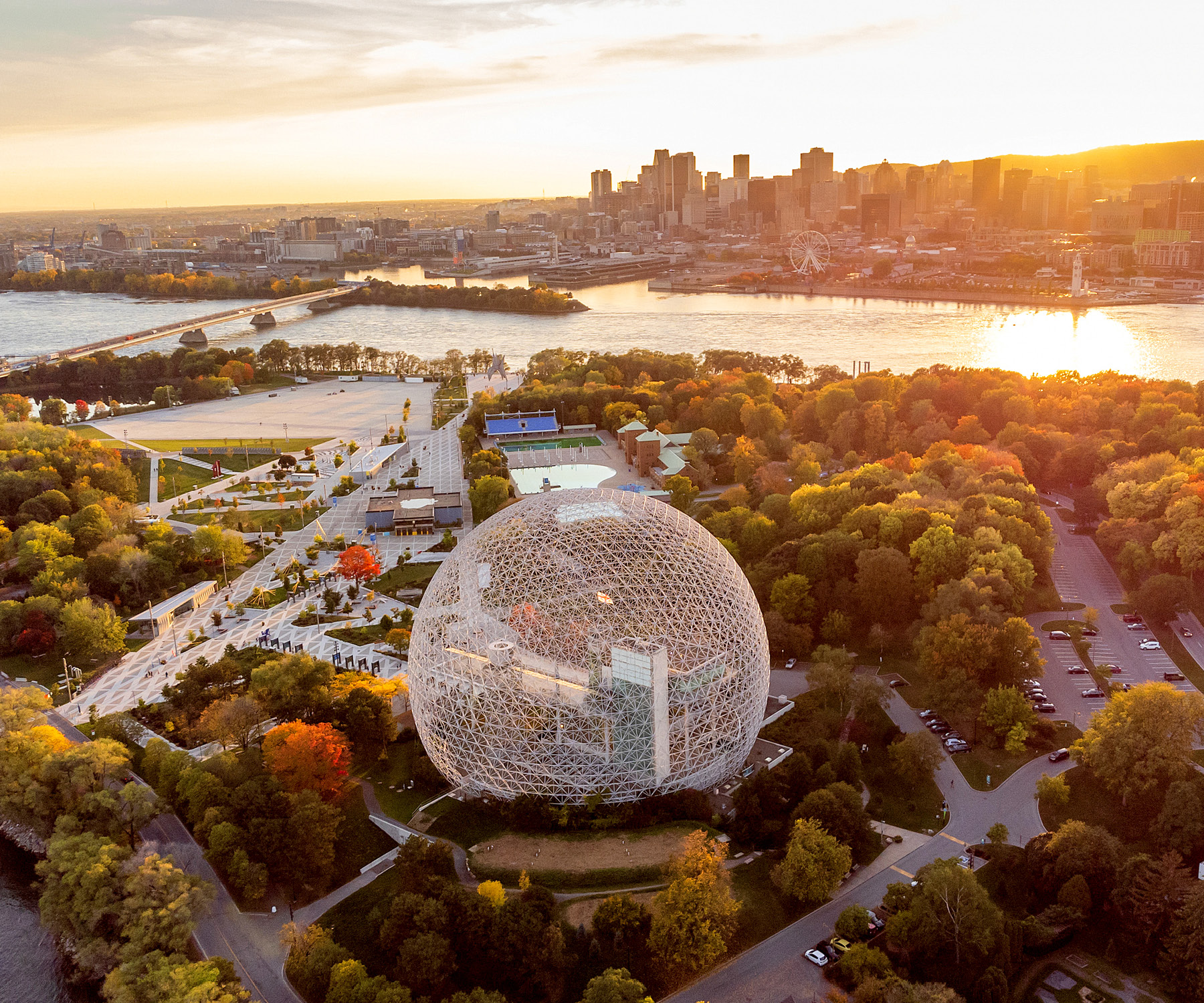

Currently, the city welcomes 2.7 tourists for every resident, which is much lower than the likes of Lisbon, which has a ratio of 14 to one. That means, unlike other cities around the world, the anti-tourism backlash is far from its shores: 93 percent of the population report that they feel tourists have a positive impact on the city; the same number of travelers, Lalumière adds, are delighted by their stay in the city.
“We have a strong desire to have a balance between our residents and our tourists,” he reveals. “It’s Montréalers that make Montréal the destination it is, so we want to take care of them.”
At the same time, Lalumière is ensuring that Montréal continues to be the place to be all year round.
A recent campaign, ‘It’s a Winter Like No Other’, was rolled out to encourage people to experience a Montréal winter, with events to draw inbound travelers such as Montréal en Lumière Festival, one of the largest winter festivals in the world, and the Nuit Blanche (or sleepless night) all-night arts festival.
As visitor numbers to the city continue to increase at a rate of five percent annually, Lalumière knows that success hinges on remaining one step ahead of that growth.
“We’ve got to make sure that we’re adding 2,000–3,000 hotel rooms, that Airbnb continues to thrive in terms of accommodation for visitor needs, and that the airport continues to add new destinations on the international front,” he points out.
A core segment of the tourism market is business travel and conference visitors, who account for 25 percent of all travel and 30 percent of the spend.
“Because we’re at the crossroads, we do have a lot of international associations that choose Montréal because the living is fantastic, the food is fantastic and there’s a European feel,” Lalumière confirms.
But right now, its convention center, Palais des congrès de Montréal, is showing its 50 years of age, despite doubling in size during an expansion 25 years ago.
“Our convention center is just a bit too small, and we need growth to accommodate the requests,” he says.
And so significant would this impact be on the city that he cites an additional 40 percent of square footage as the major milestone for Tourisme Montréal in the next five years.


Long-term, Lalumière’s vision for Montréal’s tourism industry is bright.
“Within the next 10–15 years, we should double the number of visitors to over 20 million,” he predicts.
Another goal is to reach 200 direct flight routes out of its airport to place it within reach of Toronto’s network.
As for Tourisme Montréal?
“We’ve reached a lot of milestones,” Lalumière reflects. “So for us, it’s about making sure that we continue to grow in a very harmonious way with our stakeholders.”
 RELATED ARTICLES


 Home
Home
 Podcasts
 Covers
 Be Featured
 Community