Language
You can read the magazine in one of the following languages

5-min read

 Bookmark now

 Copy Link
Sustainability is perhaps one of most common words in marketing campaigns across the world. It’s virtually impossible to find a company that says it isn’t fully committed to sustainability, but the unfortunate reality is that for some organizations, the term is simply an exercise in box-ticking.
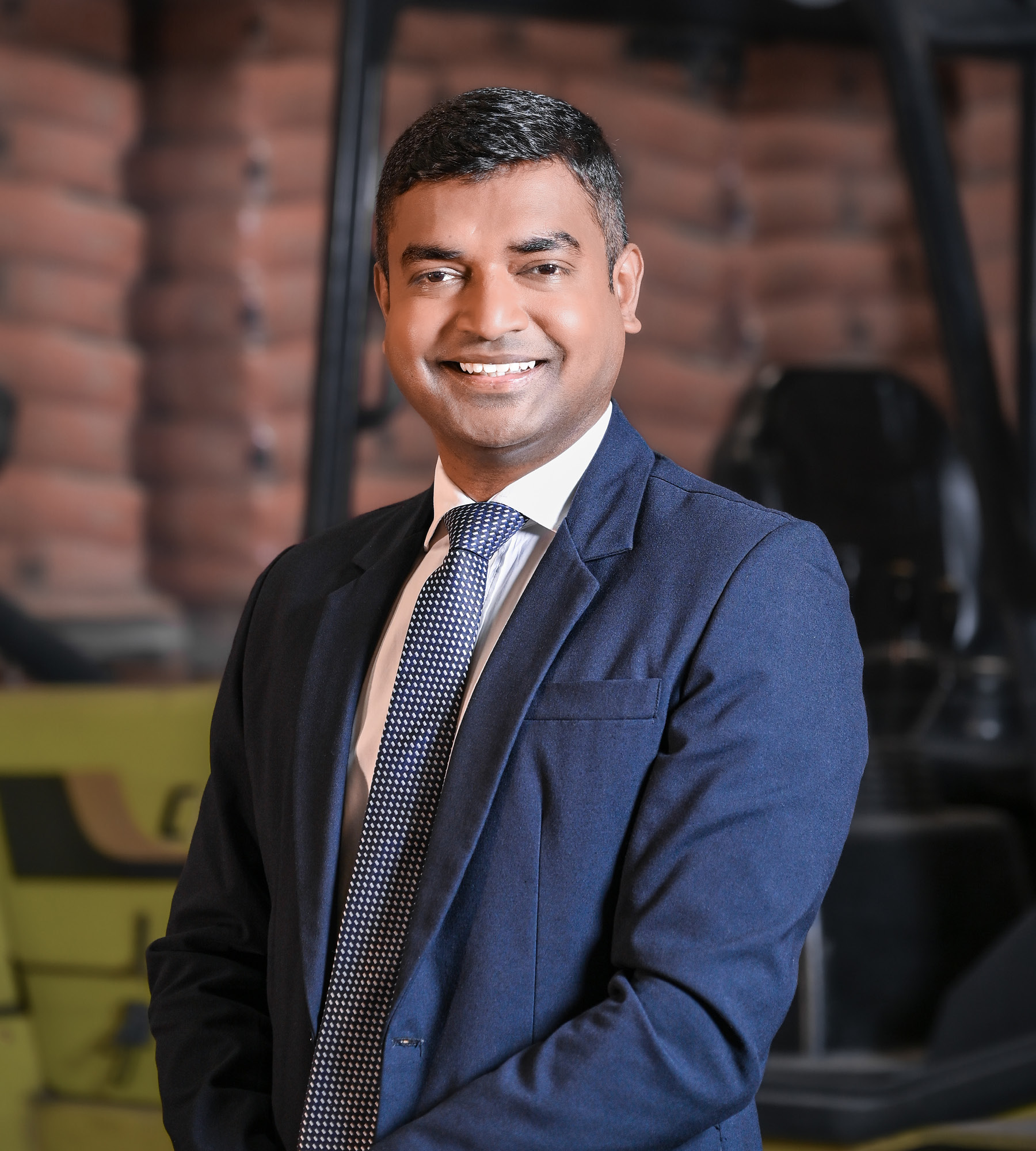
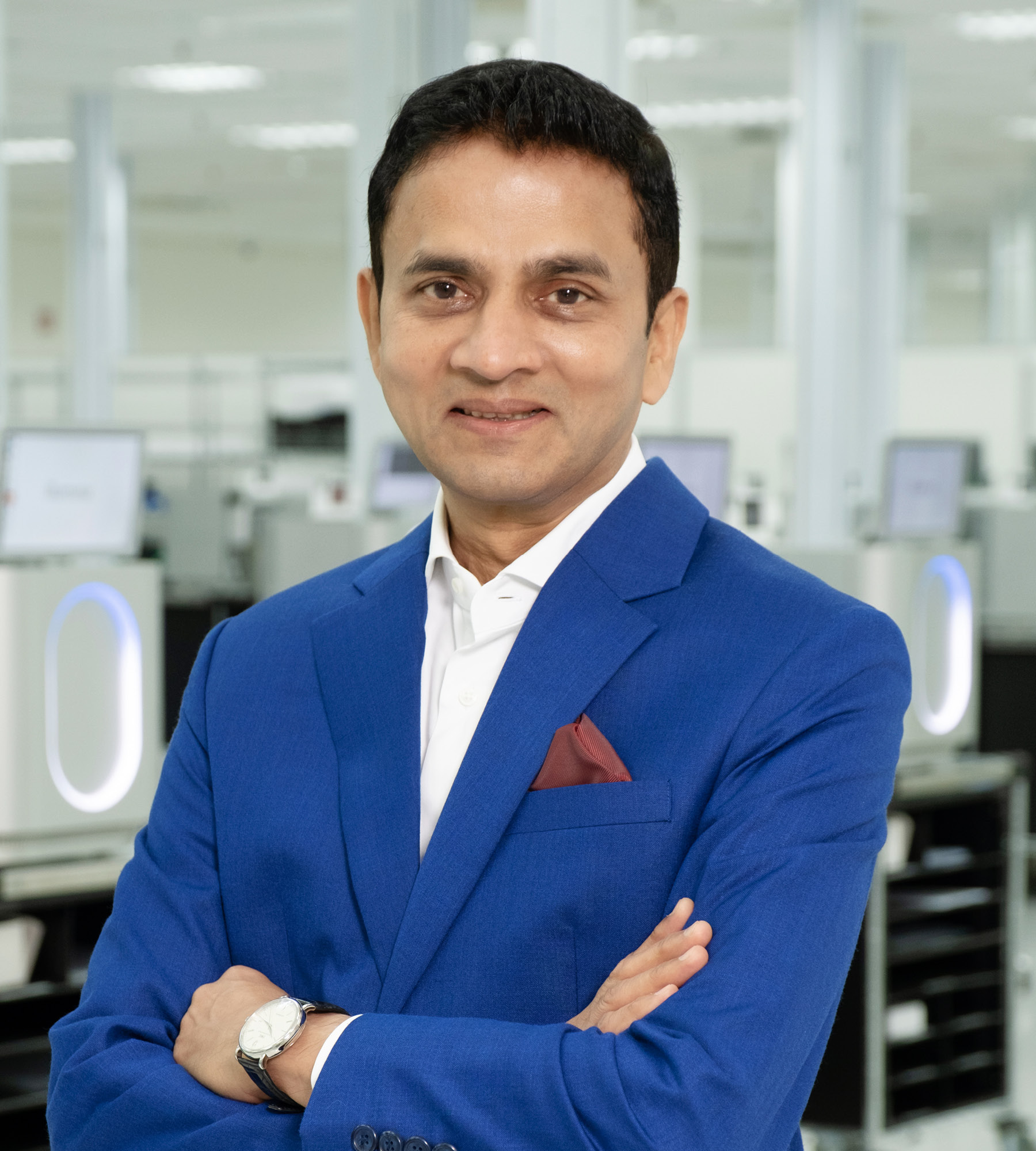
For Vishen Gopalla, CEO of Kolos Cement, real action needs to follow sustainable values.
“In this industry, the emphasis is usually on maximizing shareholder returns,” he explains. “My leadership theme is sustainability and strategic vision based on sustainable values.”
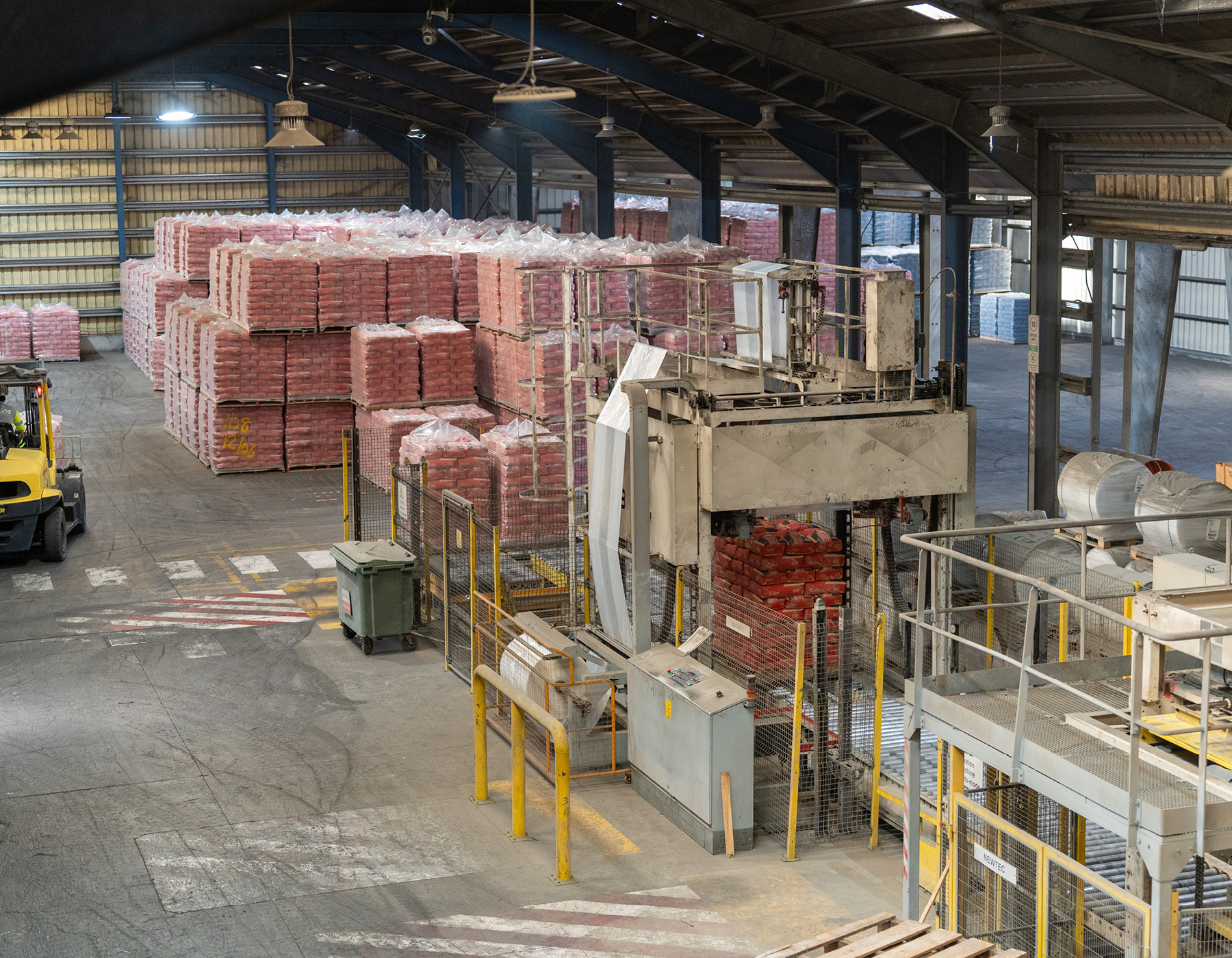
“My leadership theme is sustainability and strategic vision based on sustainable values.”
When Gopalla reached the C-suite at Kolos Cement, he was clear that achieving strong financial performance was essential. But he also saw an opportunity to take the lead in Mauritius in embedding sustainability across the company.
The success of Gopalla’s approach is evident in the launch of products such as CEM III slag cement, a lower-carbon product made using granulated blast-furnace slag. By incorporating this slag, which is a by-product of the steel industry, Kolos Cement aims to reduce carbon emissions significantly, with CEM III using around 30 percent less energy compared to conventional products.
“Low-carbon cement is no longer experimental globally,” he says. “In markets like Europe and Canada, it is becoming standard for major infrastructure projects.”

According to Gopalla, if a small country like Mauritius – with constraints around scale and exposure to global supply volatility – can make these advances, then there is no excuse for firms in larger nations.
“Small countries can lead. We can send a signal that sustainability and profitability are not opposites. We must avoid greenwashing; sustainability must be real. It must be measurable. And it must serve future generations, not just quarterly results,” he says.
With a population of just over 1.2 million, Mauritius is vulnerable to everything from spikes in freight pricing to geopolitical disruptions and exchange rate shifts. As practically all raw materials are imported, even relatively small levels of volatility can directly impact operational costs.
“We are subject to what happens in the world. We cannot control exchange rates. We cannot control freight pressures,” Gopalla says.
“But we can control how we respond. We must maintain financial stability without sacrificing operational efficiency, with proactive cost strategies being essential.”
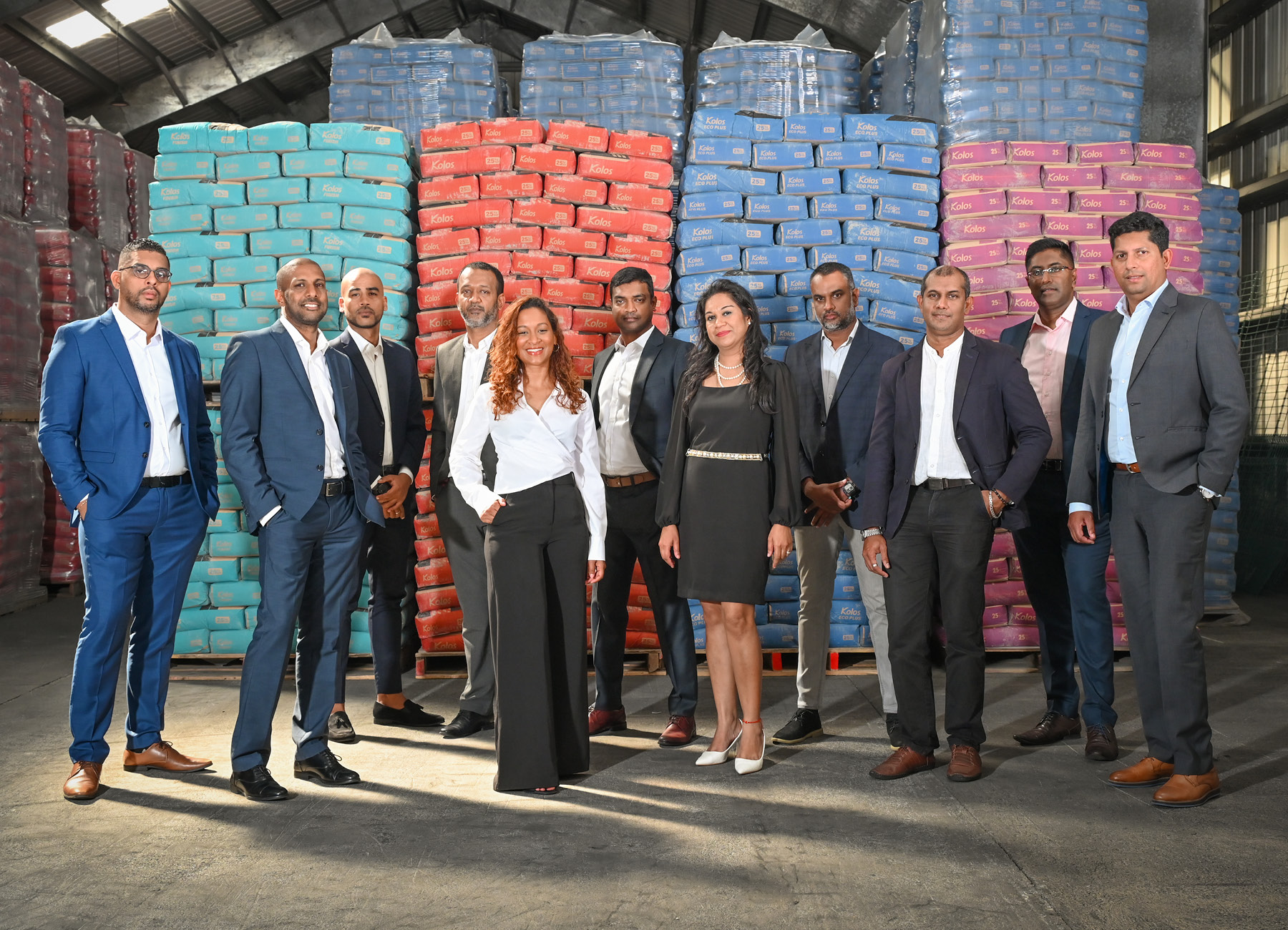
“My goal in the short to medium-term is to protect our leadership position.”
Gopalla sees financial stability going hand in hand with operational efficiency, with a bright long-term future needing both. It is for this reason that efforts are being made across the business to double down on efficiency.
Ensuring stability is the main focus in this often challenging environment. Gopalla and his team are actively seeking out local ingredients, including filler and fly ash, to substitute imported materials where possible. A partial substitution can help reduce exposure to foreign currency fluctuations and reduce Kolos Cement’s carbon footprint.

In a competitive two-player industry in Mauritius, Gopalla believes following this strategy will not only maintain stability but also keep the company in the top spot for years to come.
“There are so many things going on in the world geopolitically, and proactive action should be taken around rigorous cost mitigation strategies. My goal in the short to medium-term is to protect our leadership position,” he explains.
“It has taken years to build. We cannot become complacent.”
Dependable and resilient supplier connections are essential in all industries, but in the case of Kolos Cement, the import-dependent nature of operations makes supply chain relationships critically important.
“I dedicate time, actually, to maintain and protect these relationships. I see it as a big part of my duty as CEO. I would not call them stakeholders; we call them really members of the extended Kolos family,” Gopalla says.
Gopalla measures success by how strongly Kolos Cement is living up to its values. Focusing on excellence, safety, passion, integrity, innovation and sustainability is the core aim for him and his employees.
“If the company is successful, we should be living these values on a daily basis and really doing what we can to ensure that we do not deviate from this design. If we’re doing well, of course, we should be excellent,” he says.
When discussing suppliers, Gopalla explains there is a diverse international mix, including international cement traders, packaging manufacturers across the Gulf region and beyond, as well as providers of essential spare parts.
Enterprise resource planning (ERP) consultancy Aventra Solutions is one partner Kolos Cement has worked closely with to empower digital transformation through AI-powered and innovative ERP solutions.
While the suppliers are individual and require different management, trust underpins all these partnerships. Gopalla brings up the example of cement traders in Vietnam, which load the many metric tons of cement onto ships destined for Kolos Cement in Mauritius.
“We are not physically there when our ship is being loaded. Without inherent trust in their capabilities, in their competence, in their integrity of delivering the specifications of the cement we requested, it would be impossible to do this,” he says.
Following this process reduces friction in shipments and transactions with international partners. Of course, trust does not mean complacency, with the company having extensive contingency plans in place to protect against any regional instability that would impact deliveries.
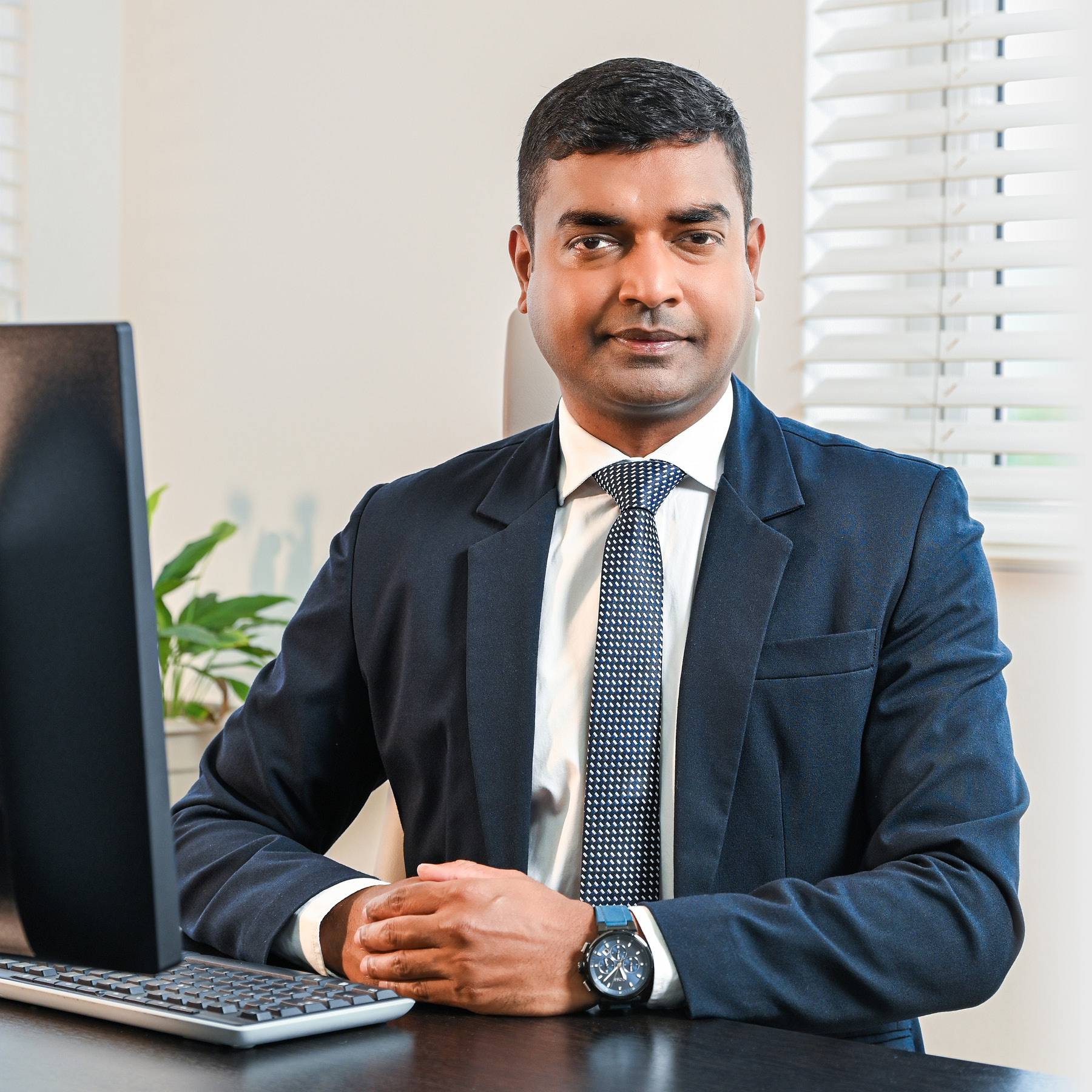
“Low-carbon cement is no longer experimental globally.”
Under Gopalla’s leadership, Kolos Cement is pioneering more sustainable, low-carbon alternatives, boosting supply chain resilience and supporting the positioning of Mauritius as a regional leader in sustainability.
There’s no question that Gopalla is proud to be in the position he has worked hard to reach.
“At 43, to be entrusted with leading a listed company in such a strategic sector, it is a privilege,” he concludes. “It is something I do not take lightly.”
 RELATED ARTICLES


 Home
Home
 Podcasts
 Covers
 Be Featured
 Community