Language
You can read the magazine in one of the following languages

16-min read

 Bookmark now

 Copy Link
In construction, reputation is rarely built on a single project. It is shaped over time by how consistently a company performs when conditions are less than ideal – when timelines tighten, variables multiply and the wrong decision carries lasting consequences.
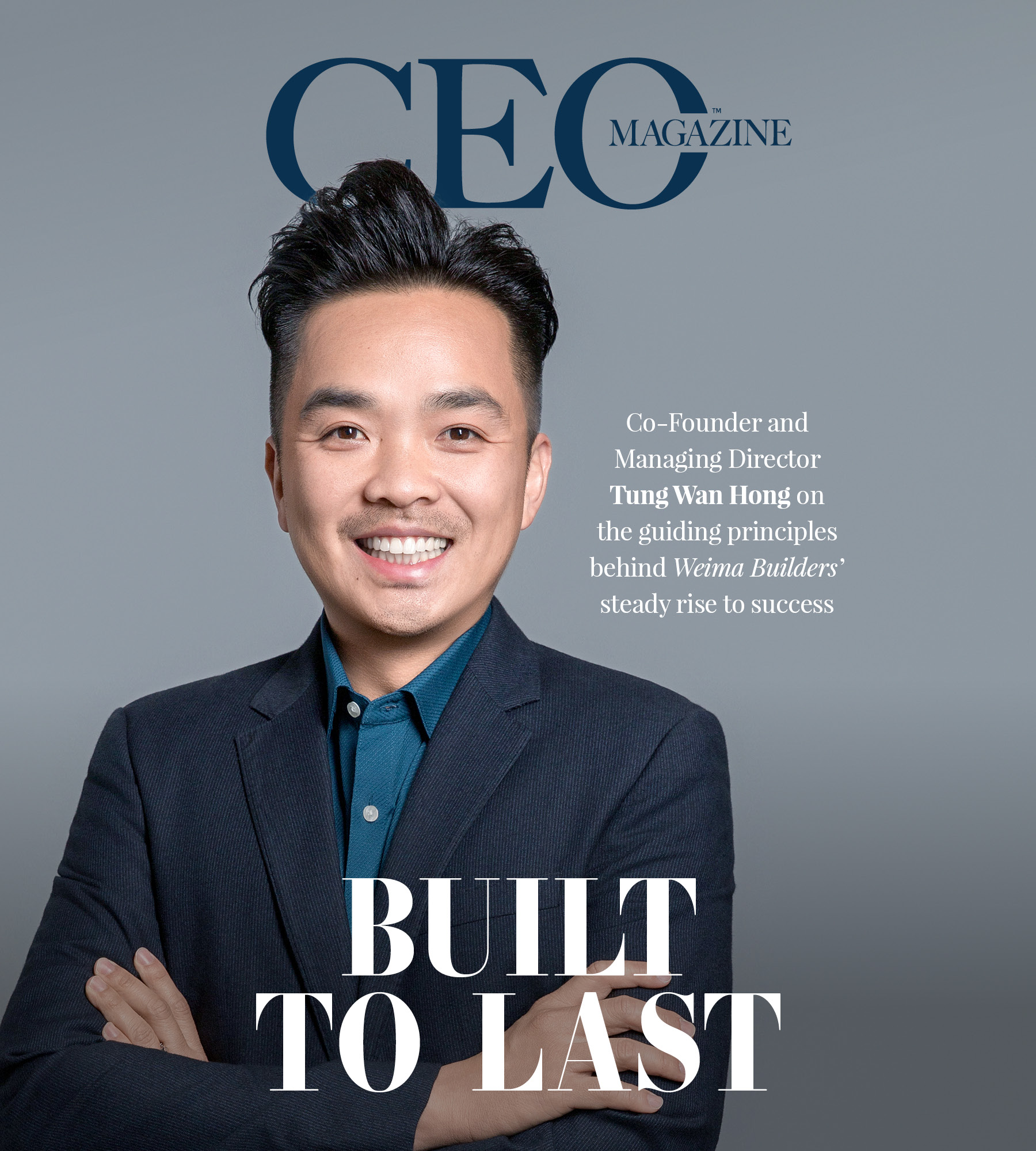
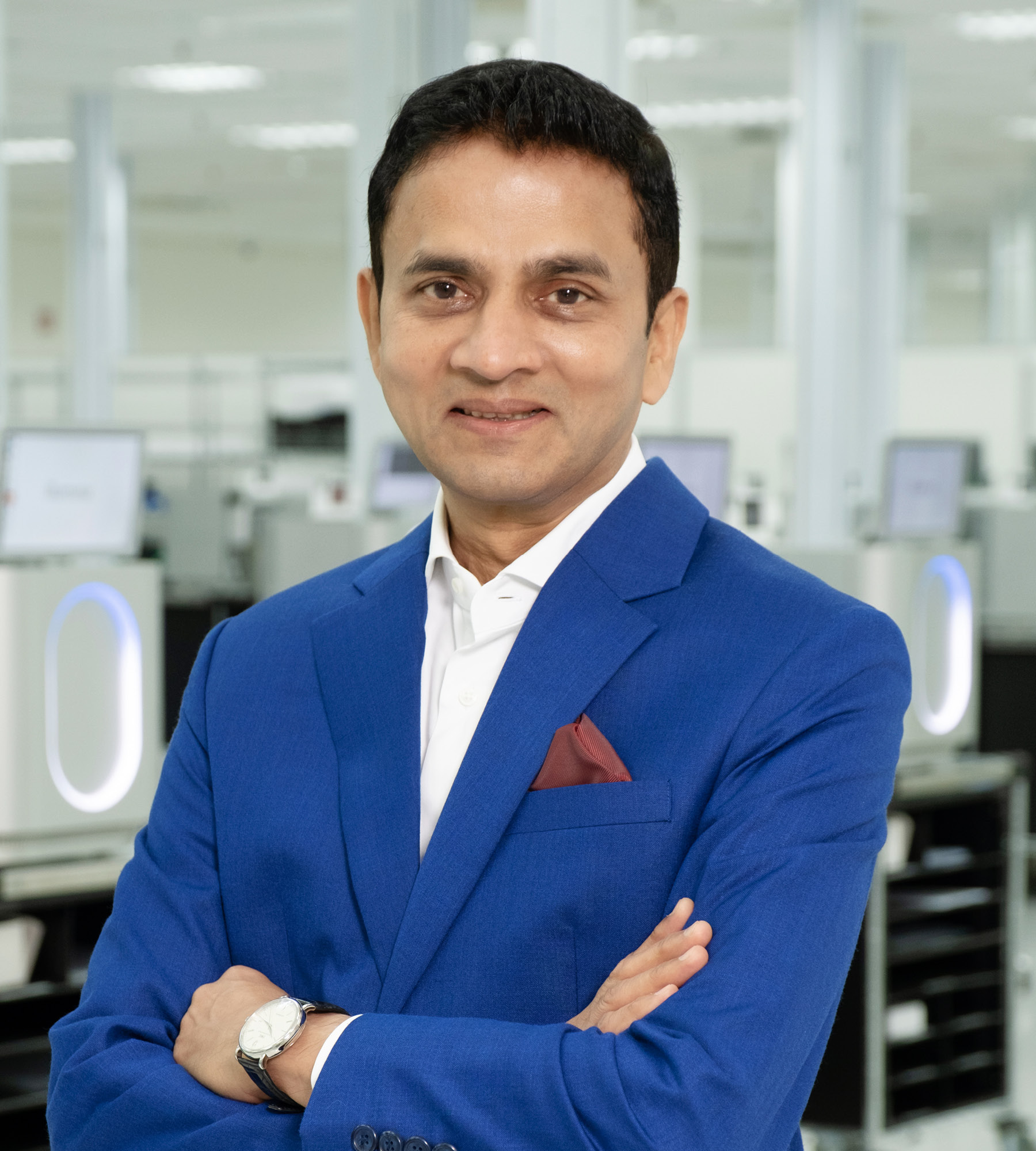
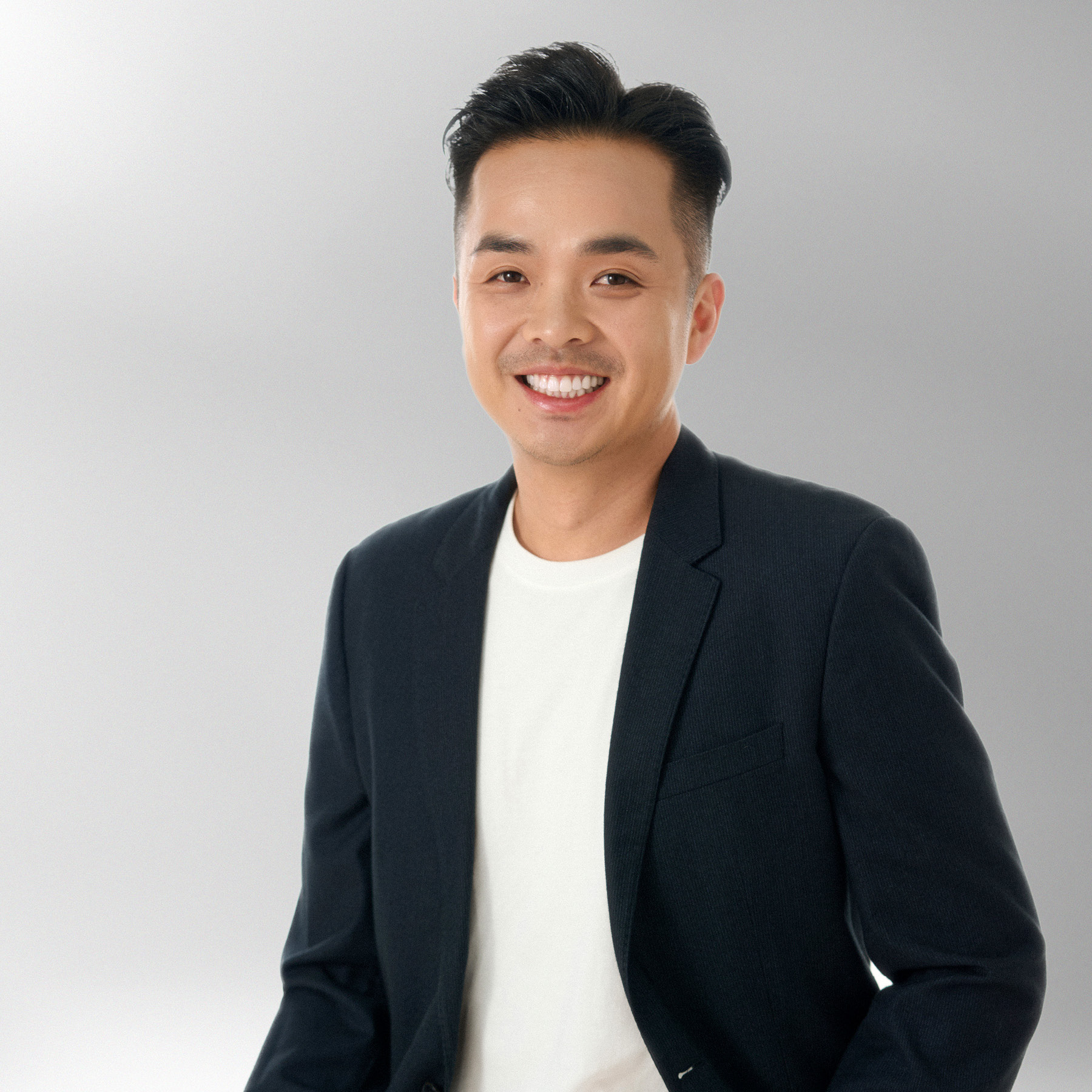
For Tung Wan Hong, Co-Founder and Managing Director, that understanding has guided every stage of Weima Builders’ development since its founding in 2017.
“Consistency is key,” he tells The CEO Magazine. “Every day is a fresh start, and I believe in making the most of it. With this in mind, I am full of vigor and positivity, no matter the circumstances.”
Tung’s mindset comes from many years spent navigating an industry where margins are thin and accountability is often tested under pressure. He understands that, unlike many sectors, construction does not reward inconsistency – it exposes it.
“What stood out to me was that while many companies were technically capable, there was often a disconnect between execution, accountability and the overall client experience,” he explains.

Projects, he noticed, would be delivered to specifications yet still fall short in many of the ways that mattered.
“Projects would meet contractual requirements but not always the higher expectations of quality, coordination and transparency that clients deserved,” he says.
That gap between meeting obligations and taking full ownership became the catalyst for Weima Builders.
“From the outset, our ambition was to build a company that combined strong technical capability with disciplined project management and a genuine commitment to service,” Tung says.
“We wanted to be known not just for delivering buildings but for how we delivered them – through clear communication, attention to detail and a culture of ownership at every level of the organization.”

At the same time, Tung understood the demanding nature of the construction industry and wanted to build something better.
“We felt there was room in the market for a builder that truly invests in its people. And we believed that if we create an environment where teams are supported, trained and respected, the quality of work will naturally follow,” he adds.
“That belief became a cornerstone of Weima Builders and continues to guide how we operate today.”
It was also an opportunity to challenge assumptions about how construction businesses are built and sustained, particularly in a market where safety, reliability and compliance are non-negotiable.
Unsurprisingly, Tung’s decision to establish the company emerged gradually, shaped by his experience and an increasing awareness of how leadership directly influences outcomes – not just on paper, but on site.
“It wasn’t something I planned from the beginning,” he admits. “But construction has always been a natural fit for me.
“Over time, as I gained more experience and took on greater responsibilities, I became more aware of how much impact leadership and organizational culture can have on outcomes – not just commercially but operationally and socially as well.”
His awareness sharpened as projects grew in scale and complexity. Leadership, Tung observed, was about more than making decisions; he had to also create clarity where ambiguity was common and accountability where it was often diffused across too many parties.
Co-founding Weima Builders represented a shift from contributing within established systems to being accountable for the entire process.
“It was a natural progression rather than a sudden decision,” he explains.
“It came from a desire to take responsibility for the entire process and to build something lasting – a company with strong foundations, clear values and the ability to grow sustainably.”

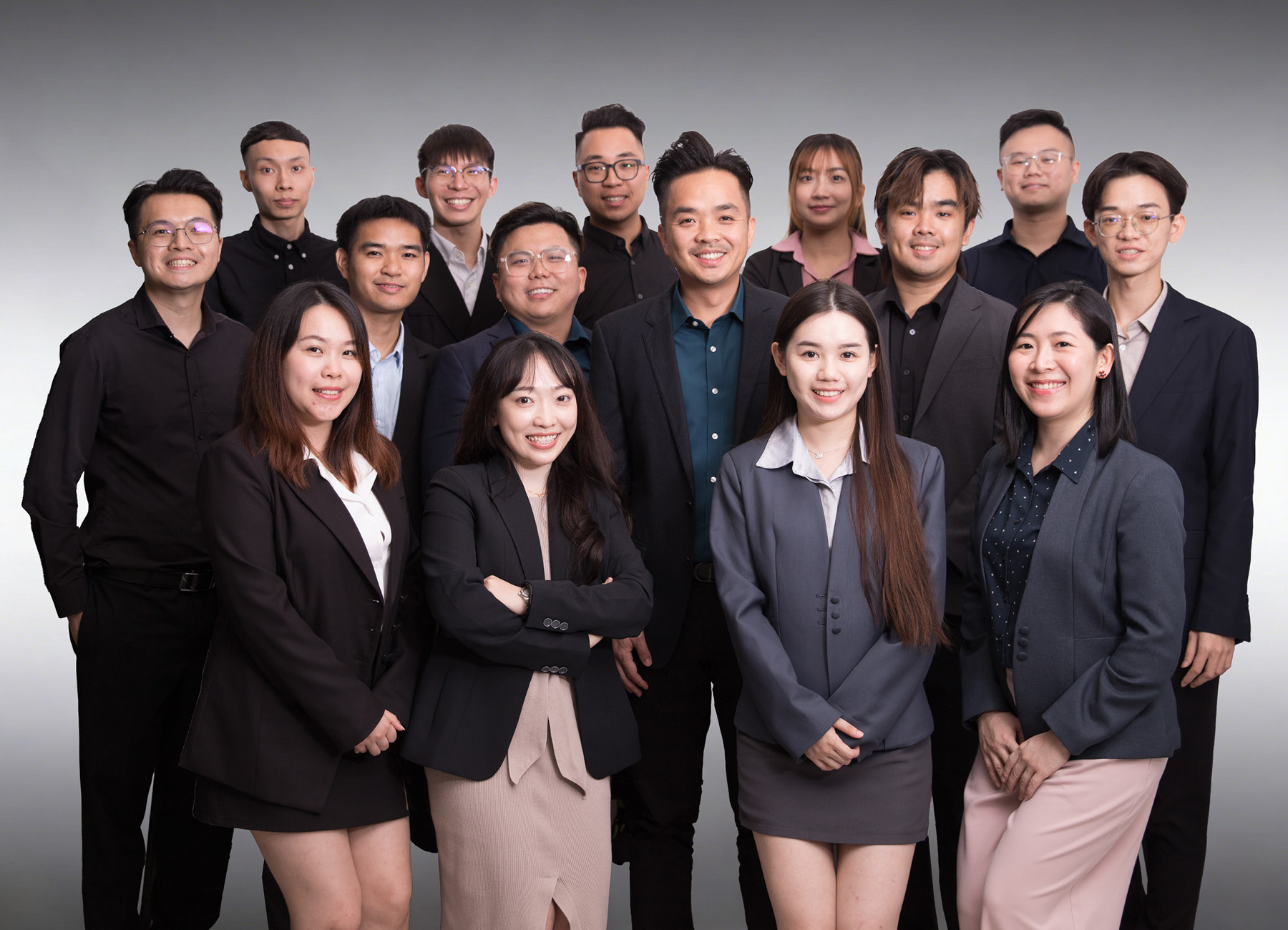
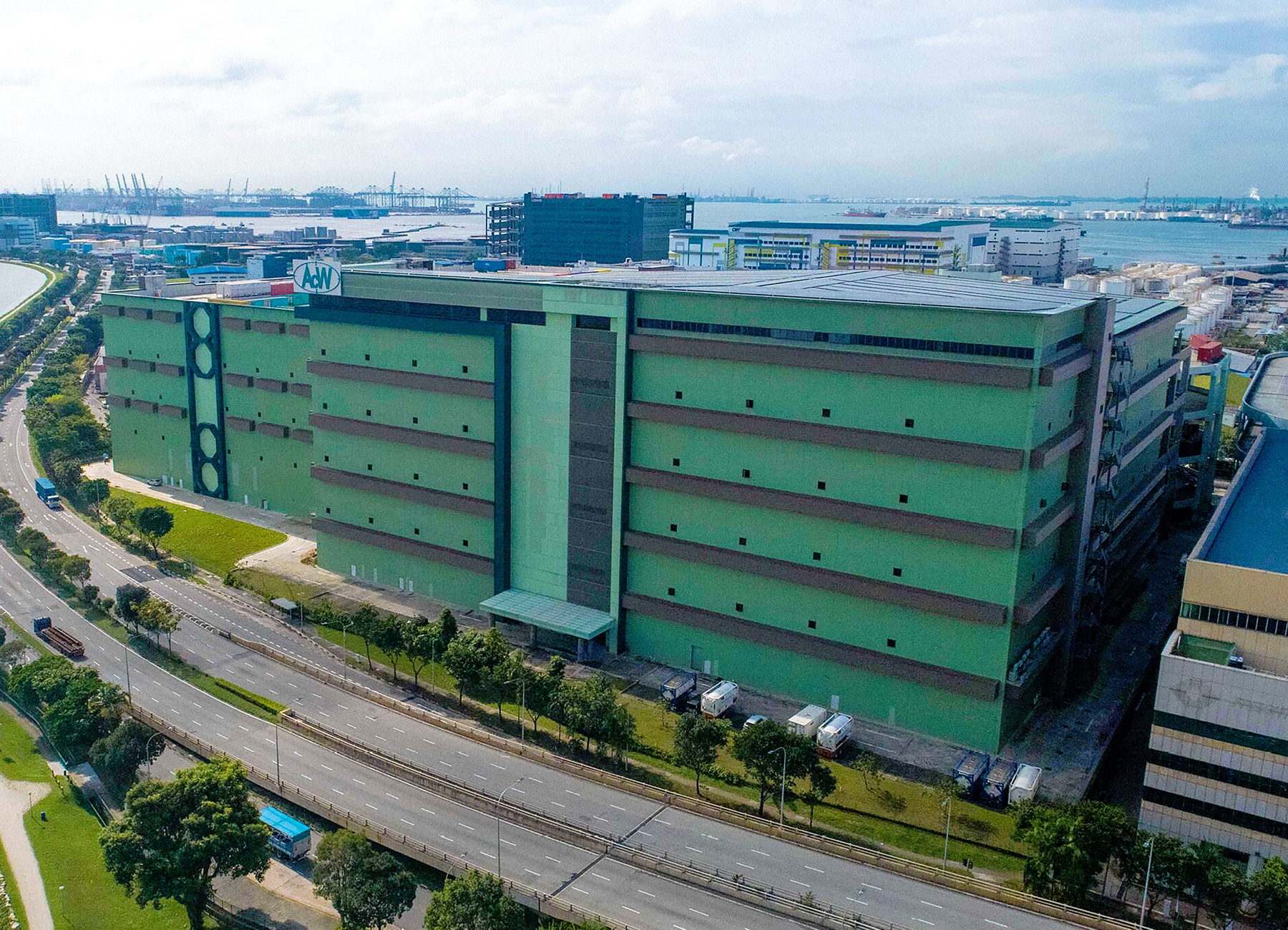
Founded in 2017 by a group of industry veterans, Weima Builders brings decades of collective experience to the construction sector. The company delivers high-quality building construction services, guided by a strong commitment to reliability, safety and execution excellence.
Weima Builders is registered with the Building and Construction Authority as a CW01 General Building contractor (A1 grading) and holds General Builder Class 1 status, reflecting its capability to undertake large-scale and complex projects.
The company offers a comprehensive suite of services, including design; project management and construction; civil engineering and foundations; electrical and mechanical works; infrastructure maintenance and operations; as well as interior refurbishments and fit-out solutions – all tailored to meet the specific needs of each client.
Above all, the company approaches each project with the awareness that what they build is something people live with, rely on and experience every day.
The responsibility, he acknowledges, came with uncertainty.
“While entrepreneurship comes with risk, it also comes with the opportunity to set standards and shape the future of the business in a way that aligns with your principles.”
In hindsight, the trajectory feels to Tung like he’s right where he’s meant to be.
“I may not have envisioned this exact role, but I always knew I wanted to contribute meaningfully to the industry and lead by example,” he adds.
Weima Builders operates within one of the most tightly regulated construction environments in the world. Singapore’s building sector is overseen by the Building and Construction Authority (BCA), which is the primary agency governing structural safety and performance in construction. Other key agencies involved include the Ministry of Manpower for workplace safety, the Singapore Civil Defence Force for fire safety, the Urban Redevelop Authority, JTC Corporation, the Land Transport Authority, the National Environment Agency, PUB (Singapore’s National Water Agency) and the National Parks Board for their respective domains.
According to BCA, total construction demand in Singapore is projected to range between roughly US$37 billion and US$42 billion in 2026, driven by public infrastructure, residential development and long-term national projects like expansion of the mass rapid transport (MRT) system and airport development.

While demand remains strong, the operating environment has become more exacting – shaped by labor constraints, rising costs and increasingly stringent compliance expectations. In this context, Tung insists that consistency is an operational necessity.
“Consistency comes from having clear principles and processes that guide decision-making, even when conditions change,” he says.
“In unpredictable situations, it is important to return to fundamentals – safety, quality, communication and accountability.”
At the same time, he points to adaptability as a critical component of focus.
“While the external environment may change, our commitment to delivering value and maintaining standards does not,” he stresses. “That balance allows us to respond effectively without losing direction.”
Over the next year-and-a-half, Tung explains that Weima Builders will be focusing on three key areas, with the first being operational excellence.
“As we continue to take on larger and more complex projects, strengthening our internal systems, controls and workflows is critical,” he says.
“This ensures consistency across projects while maintaining the quality and reliability our clients expect.”
The second priority is people development.
“We will continue to invest in training, leadership development and succession planning to ensure our teams are equipped for the next phase of growth. Building internal capability is essential to long-term sustainability,” he stresses.
Finally, Tung says he and the team are doubling down on digitalization and process improvement.
“We are focused on integrating technology more deeply into project management, cost control and collaboration,” he notes.
“This is not about adopting technology for its own sake, but about using it to improve efficiency, visibility and decision-making across the business.”
As labor constraints persist across Singapore’s construction sector, productivity has become a central policy and operational focus. Government-led initiatives are encouraging the adoption of digital tools and integrated project delivery platforms to reduce the reliance on manual processes.
“Technology is reshaping construction by improving efficiency, transparency and collaboration across the entire project life cycle,” he says.
“From digital project management tools to data-driven cost control and planning, the industry is moving toward greater integration and real-time decision-making.”
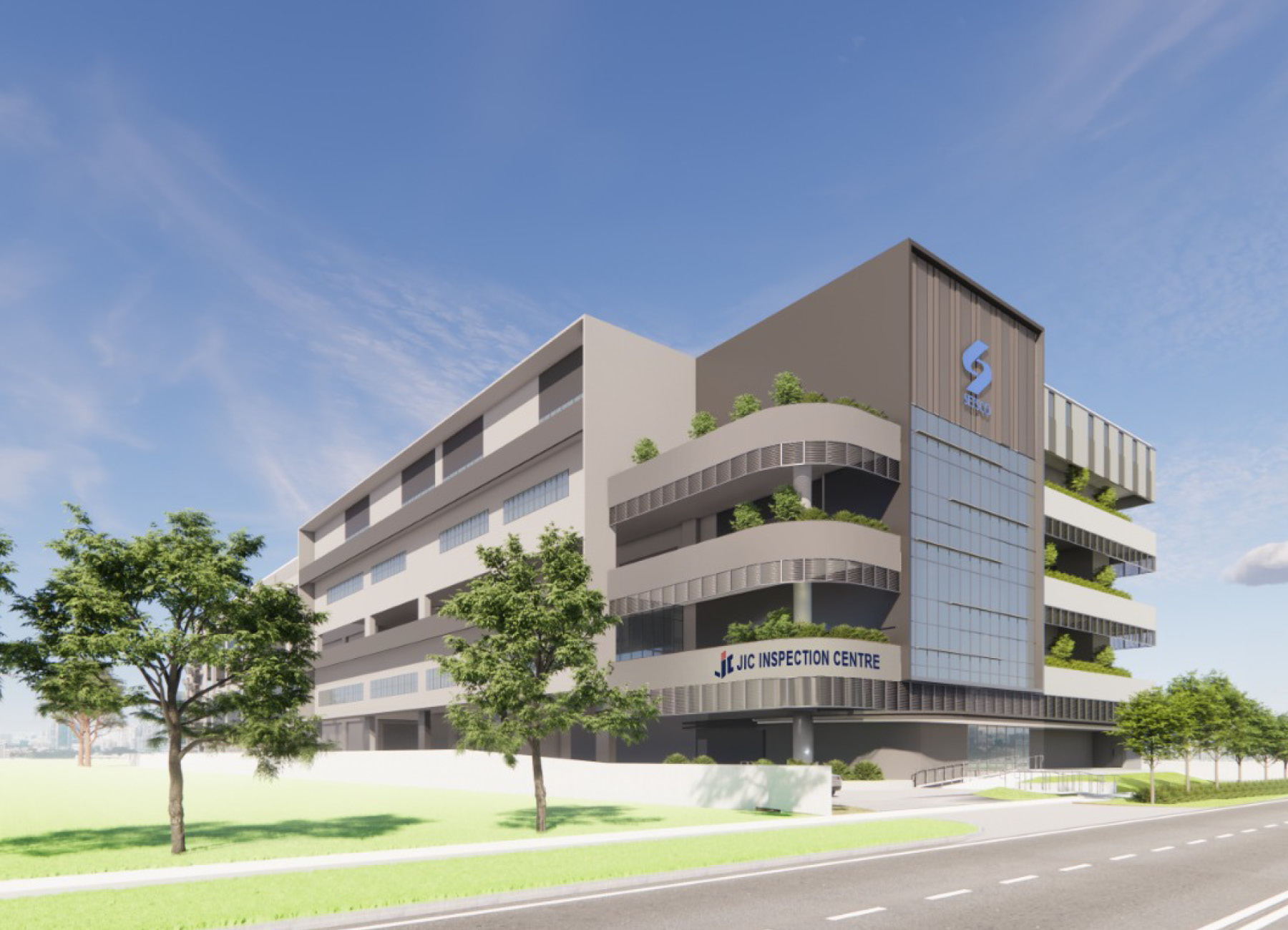

At Weima Builders, technology adoption is guided by a simple test: Does it actually improve outcomes on site?
“We are actively adopting technology that supports better outcomes – whether that’s improving coordination between stakeholders, enhancing reporting accuracy or streamlining internal workflows,” Tung explains.
His pragmatism reflects a broader industry reality in that digital tools must integrate seamlessly into workflows already under pressure. Adoption without alignment risks becoming an administrative burden – not a productivity gain.
“The focus is always on practical application,” he says. “Technology must add value on site and in delivery, not just in theory.”
When deployed effectively, Tung acknowledges that technology becomes a force multiplier – improving visibility, reducing error and enabling faster and more informed decisions across the complex project environments they work within.
For Tung, the lesson that underpins every phase of Weima Builders’ journey is clear: longevity in construction is earned, not accelerated.
“Long-term success in construction is built on integrity, people and discipline,” he says. “Projects are temporary, but reputation is lasting.”
As the company grows, Tung knows that vision alone isn’t enough – success at scale requires a solid framework to support it. After all, what often separates companies capable of winning large contracts from those capable of delivering them is not expertise but structure. At scale, intuition gives way to process, informal oversight must be replaced with accountability and systems must hold when individuals are stretched.
“One of the biggest challenges has been balancing growth with consistency,” Tung admits. “As a company scales, maintaining the same standards, culture and attention to detail becomes more complex.”
He explains that unchecked expansion can amplify weaknesses that were once manageable. In Singapore’s regulatory environment, those weaknesses are rarely invisible.
“Without the right structure and leadership alignment, growth can quickly create pressure points,” he says.
At Weima Builders, growth has been approached intentionally, with internal capability reinforced before external expansion is pursued.
“We have been very deliberate about how we grow – strengthening our layers, standardizing processes where appropriate and ensuring our values are clearly communicated and lived across the organization,” Tung reveals.
“Regular engagement with our teams and a strong feedback culture have also been important in identifying issues early and responding proactively.”
Despite the importance of systems and structure, Tung is clear that people remain the foundation of the business.
“People are fundamental to the success of any construction business,” he states. “Construction is a hands-on, problem-solving industry. And no system or technology can replace the judgment, experience and commitment of a capable team.”
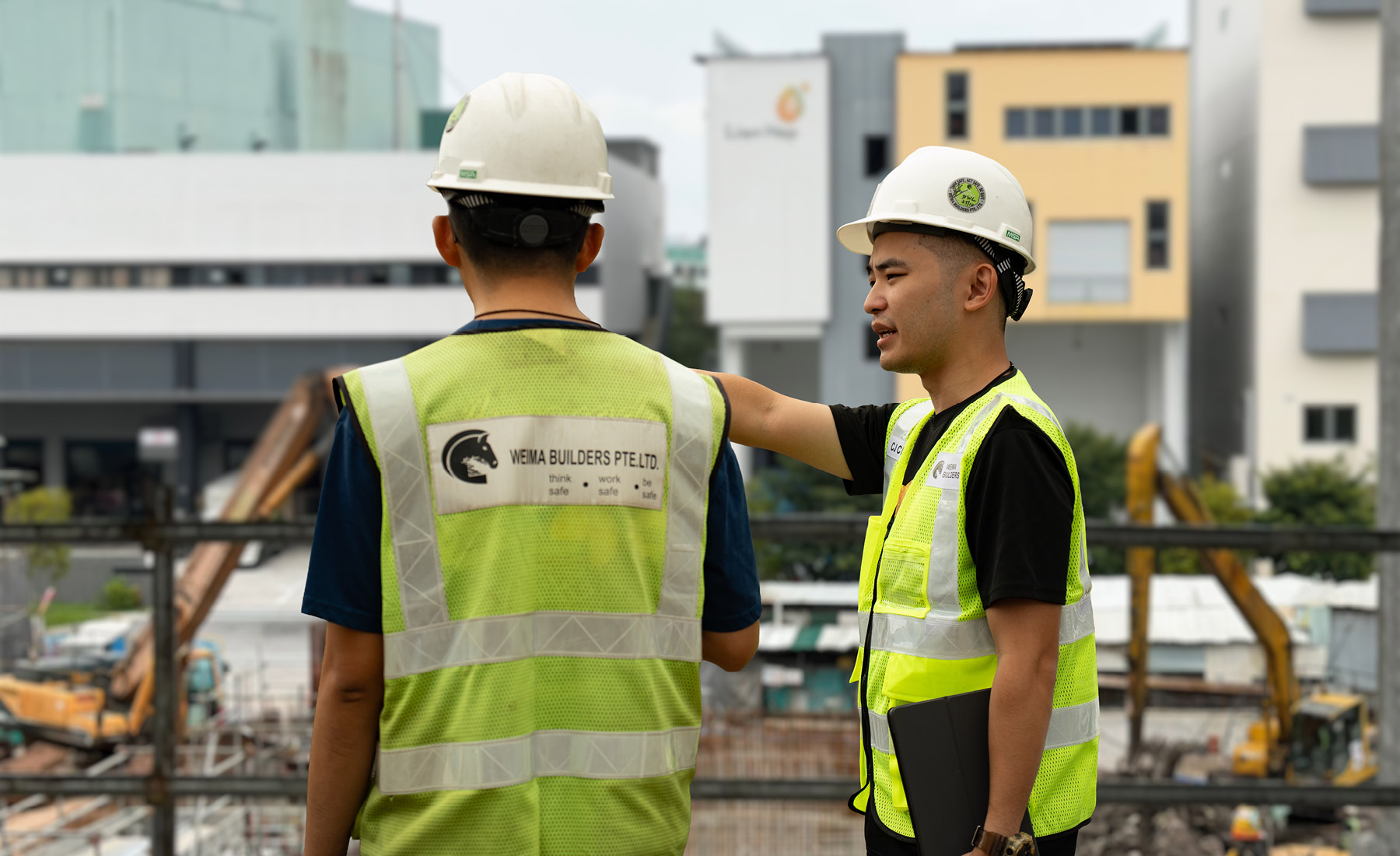
Singapore’s construction sector is widely regarded as one of the most tightly regulated and operationally demanding in the world. Builders operate within a framework shaped by strict safety requirements, detailed compliance standards and performance benchmarks overseen by the BCA and other agencies.
Contractors are graded according to their financial capacity, track record and technical capability, with higher classifications enabling participation in large-scale public and private sector projects. These grading systems are not static; they are continually reassessed based on performance, safety outcomes and compliance history. As a result, consistency is not merely a reputational asset – it directly affects a company’s ability to compete.
The sector itself is substantial in scale. Construction demand in Singapore is projected to remain strong through to 2030, driven by public infrastructure investment, residential development and long-term national projects. At the same time, the operating environment has become more exacting, shaped by labor constraints, rising material costs and increasing expectations around sustainability and productivity.
Unlike less regulated markets, Singapore’s construction ecosystem leaves little margin for informal practices or reactive management. Documentation, reporting and audit trails are built into daily operations. Safety incidents, quality failures or compliance breaches can have immediate and long-lasting consequences – not only financially, but also in terms of licensing and future eligibility for work.
In this context, construction companies are judged not only on what they deliver, but on how they deliver it. Meeting contractual requirements is considered baseline performance. Exceeding them requires disciplined systems, experienced leadership and the ability to manage complexity across multiple stakeholders.
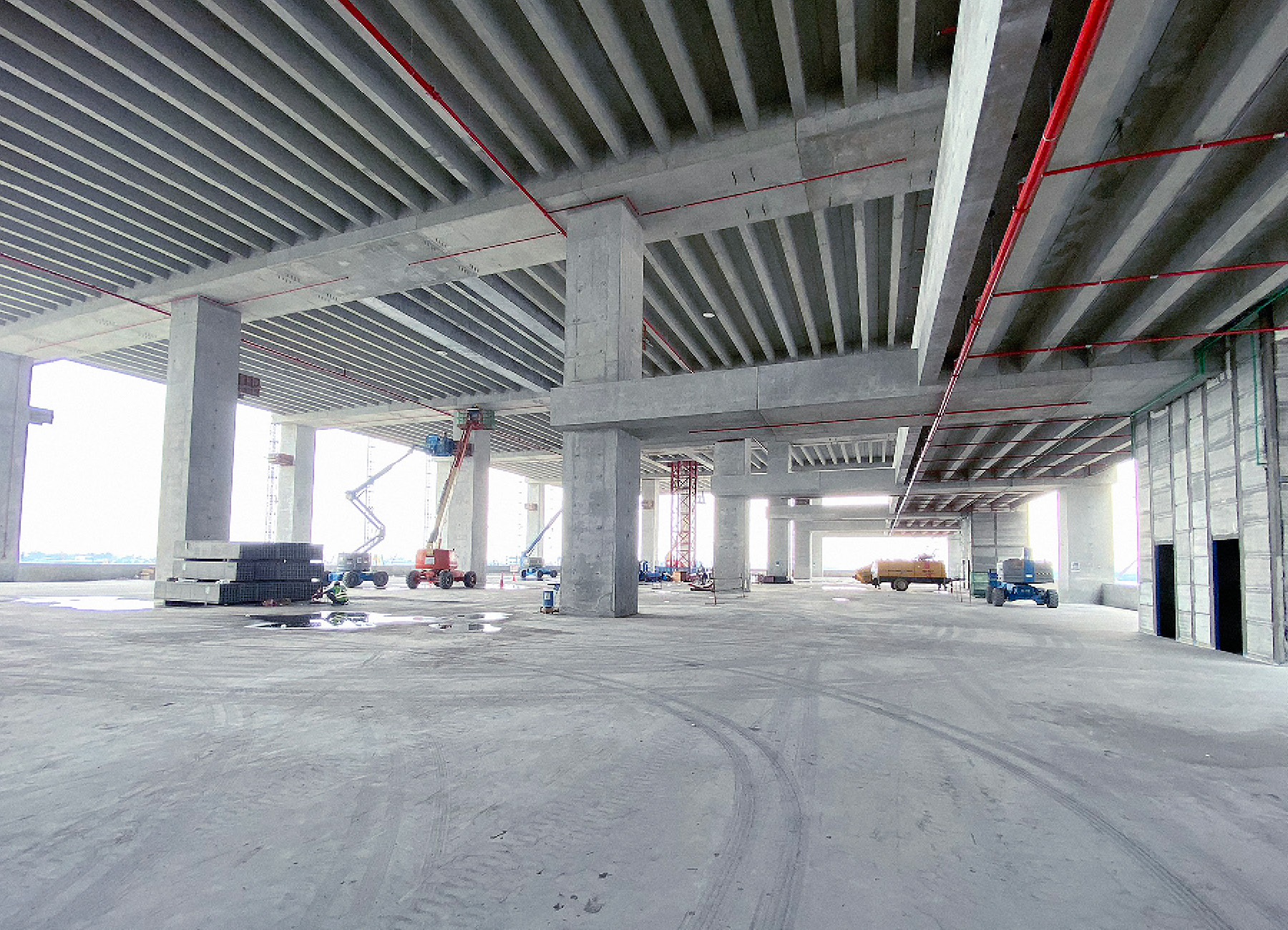
Another defining characteristic of the market is collaboration. Large projects typically involve numerous stakeholders, consultants, subcontractors and suppliers, all operating under tight timelines and regulatory oversight. Coordination failures quickly translate into delays, cost overruns or quality issues. As a result, builders that perform well over time, like Weima Builders, tend to be those that invest heavily in process alignment, communication structures and long-term partnerships.
Labor constraints have added another layer of pressure. Workforce availability remains tightly controlled and productivity has become a national priority. In response, the industry has accelerated its adoption of digital tools, prefabrication methods and integrated project delivery models designed to improve efficiency and reduce reliance on manual processes. However, these tools only deliver value when supported by strong operational discipline.
Against this backdrop, consistency becomes an operational advantage. Companies that approach growth cautiously – reinforcing internal capability before expanding externally – are better positioned to absorb shocks and adapt to changing conditions. In Singapore’s construction sector, rapid expansion without sufficient structure often exposes weaknesses that are quickly surfaced by regulatory scrutiny.
Reputation, therefore, is cumulative. It is built across years of delivery, safety performance and stakeholder relationships rather than single marquee projects. Builders that endure are typically those that prioritize systems, people and processes alongside technical expertise.
For clients, this environment offers reassurance. The regulatory framework creates a high baseline for performance while rewarding contractors that demonstrate reliability over time. For builders, it reinforces a simple truth: longevity is earned through discipline.
In a market where pressure is constant and oversight is uncompromising, the ability to deliver consistently – across projects, teams and economic cycles – remains one of the most valuable currencies a construction company can hold.
Maintaining culture as the company grows requires sustained effort.
“Keeping people motivated and aligned starts with clarity – clear expectations, clear communication and a clear understanding of how individual roles contribute to the bigger picture,” Tung says.
“We also place a strong emphasis on safety, wellbeing and professional development because people perform best when they feel supported and valued.”
However, Tung realizes that, as organizations grow, culture is often the first casualty. Informal norms fracture under pressure and communication becomes layered. With this, leaders can easily become distant from the day-to-day realities of the business.
“Maintaining connection as the company grows requires effort,” he says. “Regular engagement, recognition of performance and creating pathways for progression all play an important role in keeping teams aligned with our long-term vision.”
More than performative, the engagement is operational.
“Our success is not defined by any single project, but by the trust our clients place in us and the culture our people choose to be a part of,” he stresses.
“That combination is what allows the business to perform consistently even under pressure.”
Of everything Weima Builders has achieved, Tung says he is proudest of the team it has built.
“A company is nothing without its people,” he says with a smile. “Projects come and go; but a strong, committed team is something that endures.
“Seeing individuals grow with the company – taking on greater responsibility, developing leadership capability and contributing beyond their original roles – is incredibly rewarding.”
Leadership development remains a priority, particularly as the company prepares to take on larger projects, both in public and private sectors.
“Providing internal training and promotion for my team helps keep them motivated and relevant,” he explains. “By investing in our people, we are better able to bring Weima Builders to greater heights together.”
Even beyond the hard skills, Tung understands it’s the soft skills that take the customer experience from good to superior.
“Here at Weima Builders, we not only work hard, but more importantly, we work hard consistently,” he stresses. “Every project is managed with the highest standards – we sit down with our clients to understand their needs, provide them with creative solutions and, eventually, deliver a high-quality project.
“This process is something that our clients appreciate, and we end up forming long-lasting working relationships with them.”

That same philosophy extends to Weima Builders’ partners like Gliderol Doors, BRC Asia, Hong Rui Construction, Prefab Technology and more.
“Partnerships are critical,” Tung insists.
“Construction is inherently collaborative, and the quality of relationships with consultants, subcontractors and suppliers directly impacts project outcomes, not just with clients.”
In environments of high complexity, Tung explains that adversarial relationships only work to slow delivery and amplify risk. That’s why he believes alignment with partners is so critical.
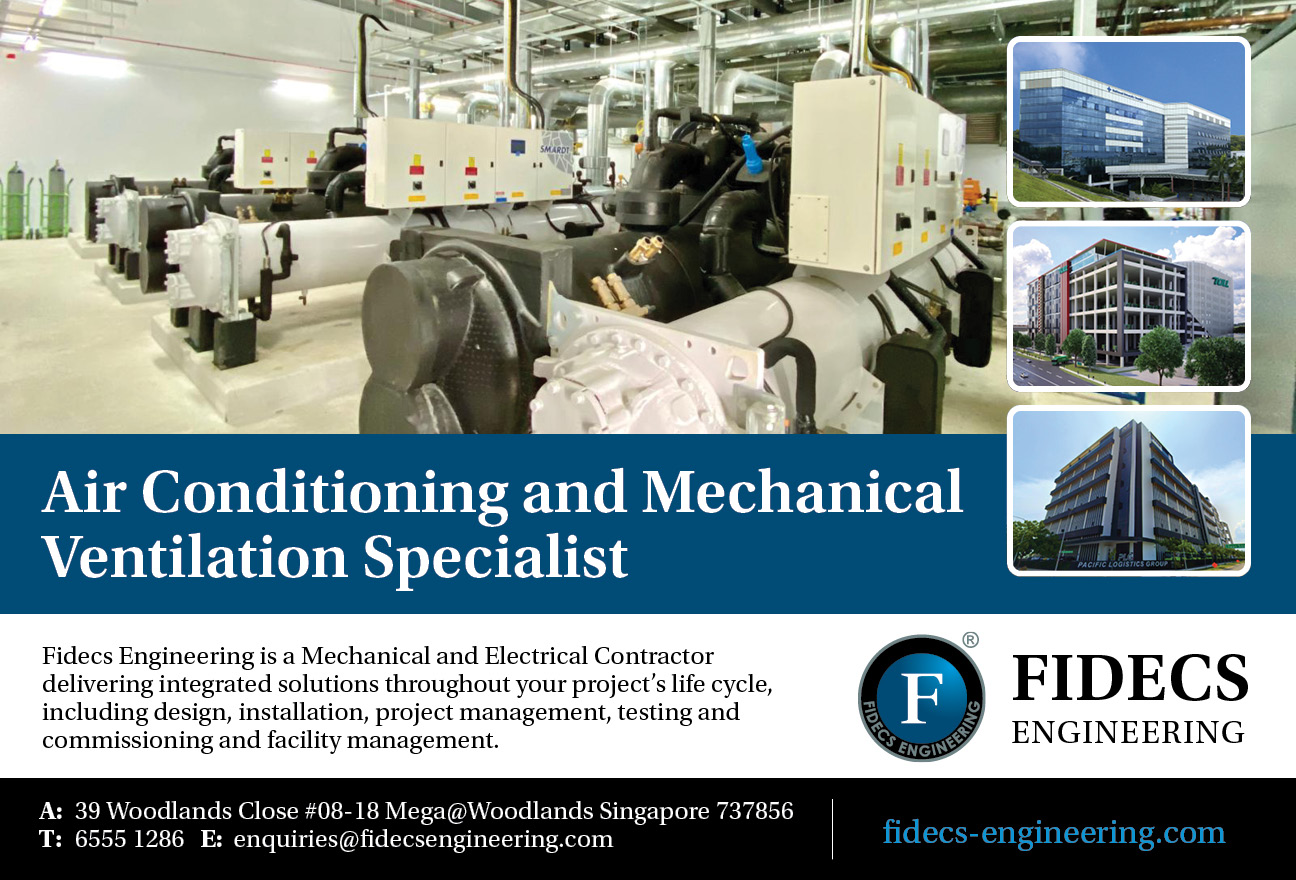
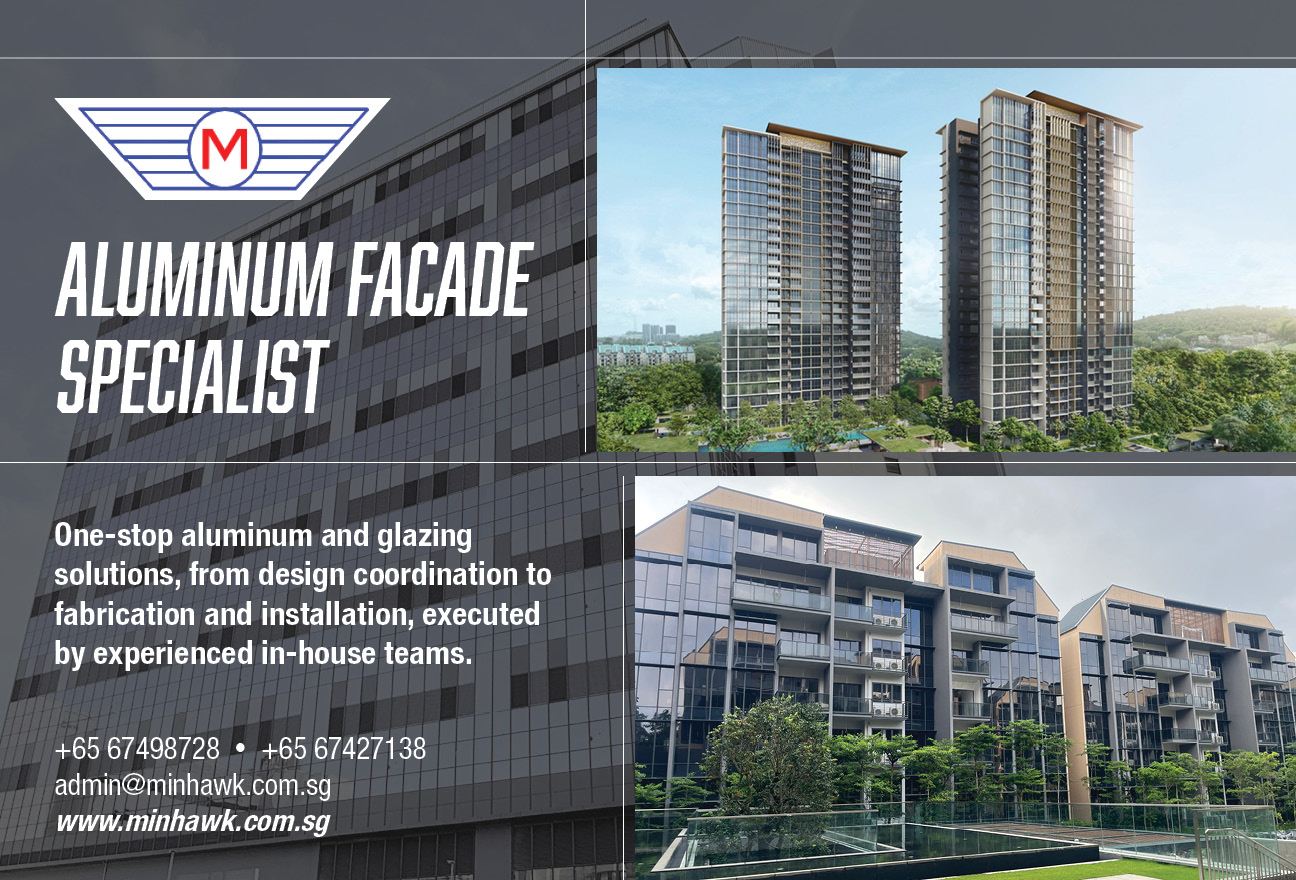
“We foster strong partnerships through consistency, fairness and open communication,” he says, noting more strong relationships with XJ Elevator, Tong Loong Engineering, Siong Kee Piling Construction, EHP, Min Hawk and Fidecs Engineering.
“We believe in treating our partners with respect, honoring commitments and working through challenges collaboratively rather than transactionally.”
This approach has become particularly important in the constrained labor market, where long-term relationships support workforce stability and continuity.
“Over time, this approach builds trust and reliability, which is essential for long-term success,” Tung acknowledges.
Reflecting on his journey, Tung says another one of the most important lessons he has learned is the value of patience.
“I wish I had fully appreciated how important patience and structure are in building a business,” he reflects.
“In the early stages, there’s often a temptation to move quickly and solve everything at once. But over time, you learn that sustainable growth requires discipline, strong foundations and the willingness to invest in systems and people before they are urgently needed.”

This lesson now informs how Weima Builders approaches opportunity. Growth is pursued when readiness is demonstrable.
“That perspective has come with experience, and it has shaped how we approach growth today,” he says.
Throughout the years, Tung has molded his leadership style, expressing that it must adapt as the organization grows. Because what works at one stage could become a constraint at the next.
“I would describe my leadership style as practical, hands-on and people-focused,” he says.
“Early in my career, leadership was more about direct involvement and problem-solving.”As Weima Builders has expanded, however, proximity has also had to give way to structure. And leadership has become less about personal oversight and more about creating the conditions for others to perform consistently.
“Over time, it has evolved to focus more on empowering others, setting the direction and creating the right environment for teams to perform,” Tung says.
“Experience has taught me that sustainable leadership is not about control, but about trust, accountability and clarity. As the organization has grown, that shift has become ever more important.”
That belief informs how the business approaches every decision, from how teams are developed to how partnerships are maintained and systems are strengthened. Rather than chasing growth for its own sake, Weima Builders has focused on doing the fundamentals well, consistently and at scale.
“By focusing on how we work – not just what we build – we aim to create value that extends beyond individual contracts,” Tung explains.

As the company looks ahead, that discipline remains unchanged.
“At Weima Builders, our goal is to continue growing responsibly while staying true to the principles that shaped the company from the beginning,” he says.
In an industry where pressure is constant and margins leave little room for error, Tung believes that clarity of purpose is the greatest advantage a builder can have.
Ultimately, it is this commitment to consistency, accountability and people that defines Weima Builders’ trajectory – not as a company chasing the next project, but as one deliberately constructing a reputation built to endure.
 RELATED ARTICLES


 Home
Home
 Podcasts
 Covers
 Be Featured
 Community