Language
You can read the magazine in one of the following languages

10-min read

 Bookmark now

 Copy Link
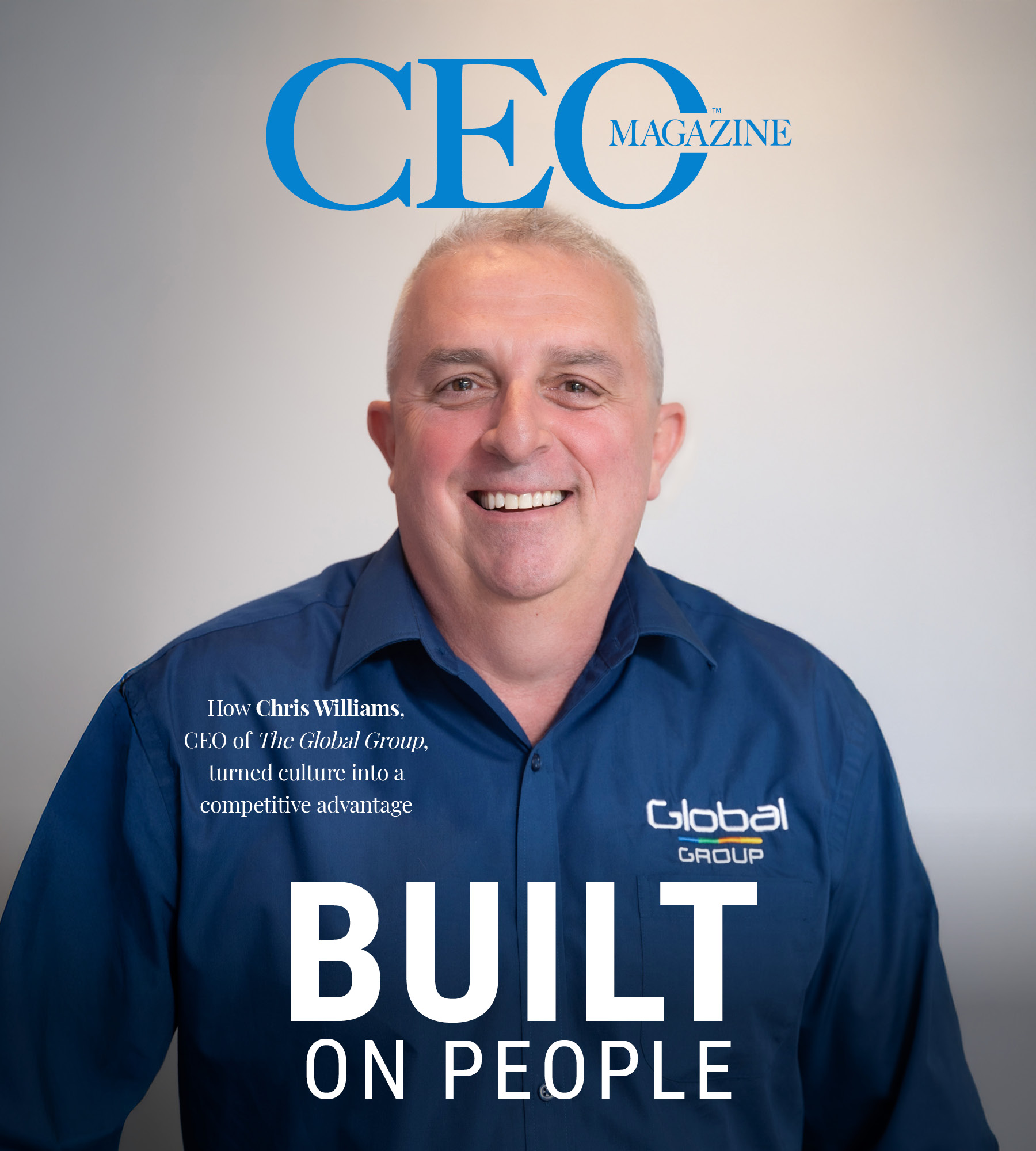
Construction might appear to be an industry driven by machinery, steel and complex earthmoving equipment. But for Chris Williams, the foundation of any successful engineering and construction company all comes down to one thing: people.
This belief runs through everything The Global Group CEO does, from leadership development programs and strategic acquisitions to the way frontline crews are supported across some of Australia’s most remote worksites.
“I have a saying I return to again and again,” Williams tells The CEO Magazine. “Success is human.”
It’s a simple statement, but it reflects a leadership approach shaped by decades across industries as varied as healthcare, retail, oil and gas and infrastructure.
Today, Williams leads a business that delivers large-scale engineering and construction projects across Australia’s energy and resource sectors. Yet, he is the first to say that technical expertise alone isn’t what determines long-term success.
Instead, he believes organizations thrive when leaders invest deeply in their people and create an environment where capable individuals are trusted to perform.
“If you invest in them from a capability perspective – not just through training – but also trust and transparency, they start doing their best work for you,” he explains.
And it’s an area he’s well-versed in. This philosophy has guided Williams through business transformations, acquisitions and industry cycles. As The Global Group enters a new chapter of growth, it remains the central principle behind the company’s strategy.
Like many executives in technical industries, Williams admits he didn’t begin his career focused on leadership philosophy. In fact, his early years were grounded firmly in operations. Building experience, managing projects and solving complex problems were his priorities.
Over time, however, his perspective shifted.
“When you get into more senior roles, and you’re responsible for more of the business, the clearer it becomes that effective leadership is ultimately about people,” Williams says.
In his view, the best way to operate is to build the right team and then trust them to deliver.
“If you look at my leadership team, they’ve worked with me before in other businesses,” he explains. “It’s all about building great teams and giving them clarity, purpose and trust to deliver.”
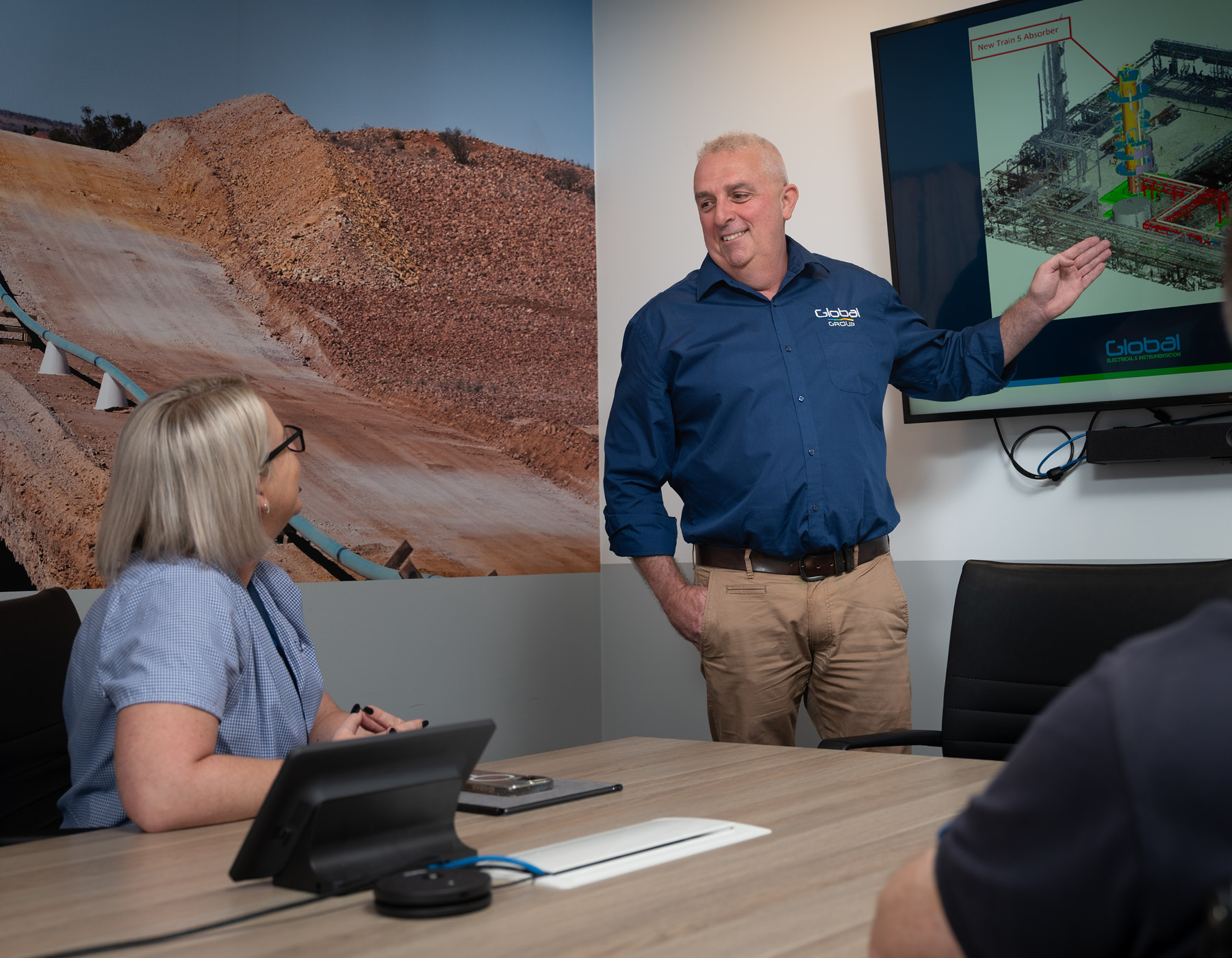

The emphasis on trust is deliberate. Williams has experienced firsthand the opposite style of leadership – environments where control overrides collaborations and egos dominate decision-making.
“I’ve worked for those leaders,” he says. “It’s tough. And it’s not for me.”
Instead, his approach leans into clarity, capability and importantly, culture.
“There are no egos,” Williams explains. “We don’t have anything like that in my team. There’s only a culture of capable people doing their best work.”
Alongside people, Williams insists strategy is key. His leadership framework includes a system he calls ‘strategy to action,’ designed to ensure that business planning translates into measurable outcomes.
“It’s not just stuff on a page,” he says. “It’s actually having a cadence about the things we’re working on this year in business that will improve the business.
“More than a five-year plan, this is what allows the organization to be high-performing.”
When Williams joined The Global Group, the business faced significant challenges. The loss of a major project had placed strain on the organization, which brought with it financial pressures.
“When I came into the role, the business wasn’t performing great,” Williams recalls. “There was a lot of blaming – departments were blaming each other. The culture wasn’t great and neither was the company’s reputation.”
It was clear that the scale of the turnaround required would be substantial. But rather than rush into quick fixes, Williams focused first on diagnosing the root causes. Much of the problem, he realized, lay within leadership capability and fragmented systems.
“There were 10 different systems,” Williams says. “The company wasn’t set up for sustainable growth – they were chasing revenue.”
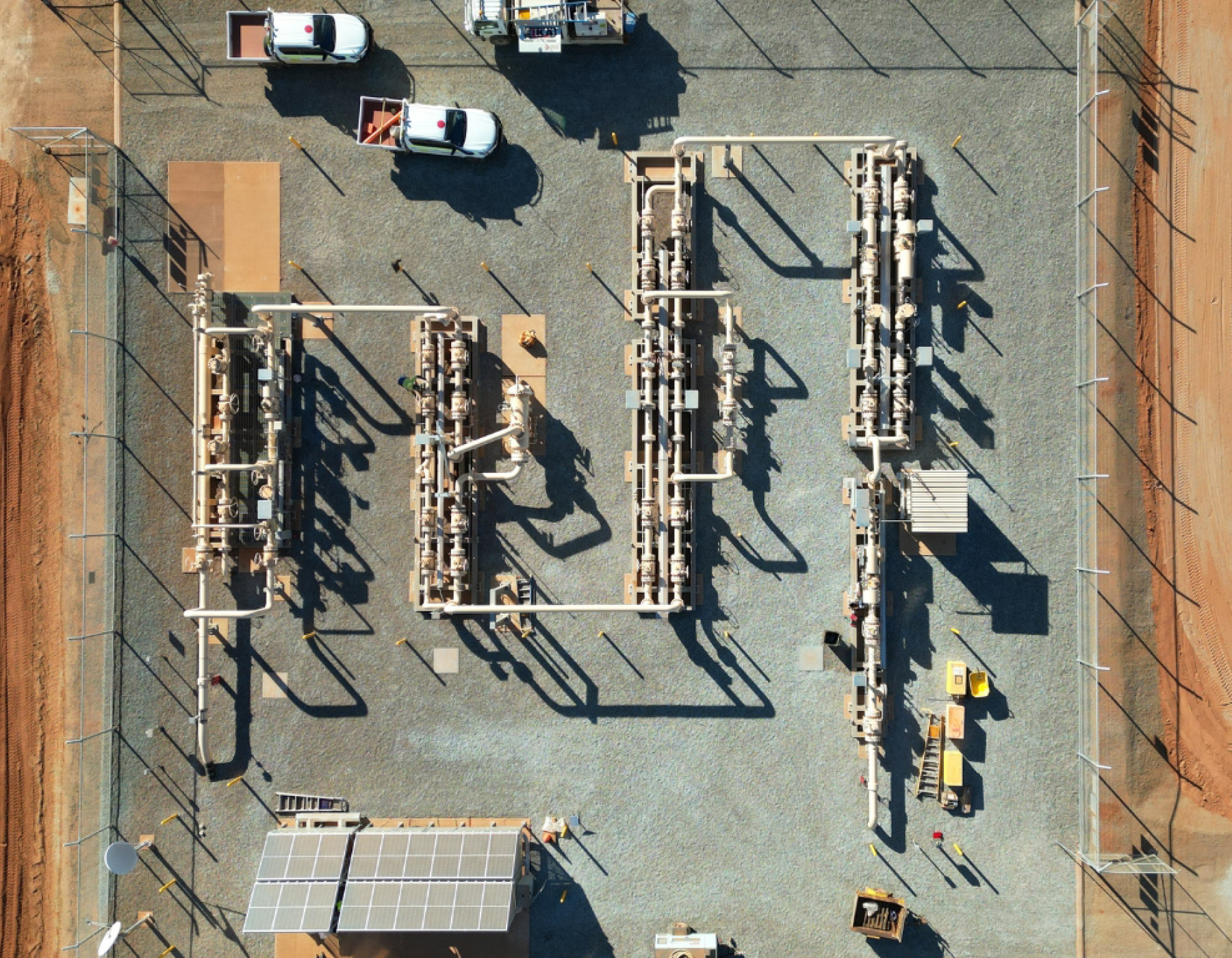

Transforming the organization would take addressing both structure and culture, which involved making difficult personnel decisions while simultaneously investing in new capabilities.
“It was a big challenge, tackling all of those changes, including tough people changes, all while maintaining our values,” he reveals.
In Williams’ first year, the company recorded a significant loss as the effects of earlier issues continued to play out. But within two years, the results began to shift dramatically.
“We had a 500 percent turnaround to profit,” he says, with a smile.
The third year, he explains, focused on investing in new systems to support future growth.
“We invested in systems so we could do the merger and acquisition,” Williams reveals.
When Williams stepped into the CEO role, mergers and acquisitions (M&A) were high on his agenda. But his first concern wasn’t growth – it was risk. Around 80 percent of the company’s revenue came from a single client in the oil and gas sector.
The relationship was strong, but the reliance was a vulnerability that needed to be addressed.
“That was the biggest risk that kept me awake at night,” he says.
He also knew that external factors like weather disruptions or operational changes by the client could dramatically impact revenue. The cyclical nature of infrastructure and energy projects added further volatility.
“If something happened to that client, we wouldn’t have a business,” Williams points out.
Drawing on his previous experience in M&A, he began identifying businesses that could complement The Global Group’s capabilities along the engineering and construction value chain.
“Diversification has been the biggest focus for me since I started at Global,” he says. “We sent out an invite to 80 businesses to come and talk to us. And I was surprised by how quickly the response was. We got 25 back within a week.”
After a rigorous evaluation process involving management meetings and cultural assessments, two companies were selected for acquisition. With those additions and the creation of a new electrical instrumentation subsidiary, the company has dramatically reduced its reliance on a single client.
“We actually reduced it down to 45 percent,” Williams says. “Now, we just have to integrate those properly to get the benefits and synergies in place.”
While Williams was well-versed in M&A, his next challenge wasn’t as familiar – navigating founder dynamics. Unlike publicly listed companies, where governance frameworks are clearly defined, The Global Group operates as a privately owned business led by its founder.
“This business is privately owned by a husband and wife, and they have four kids,” Williams says. “The Founder started the business with just five employees.”
Founder-led companies bring unique advantages like a strong entrepreneurial spirit and identity. But they also require careful relationship management between executive and owner.
“If you have that respect and mateship as well as continuous communication with the shareholder, then it’ll work,” he says. “But it is probably a bigger challenge than people might think.”
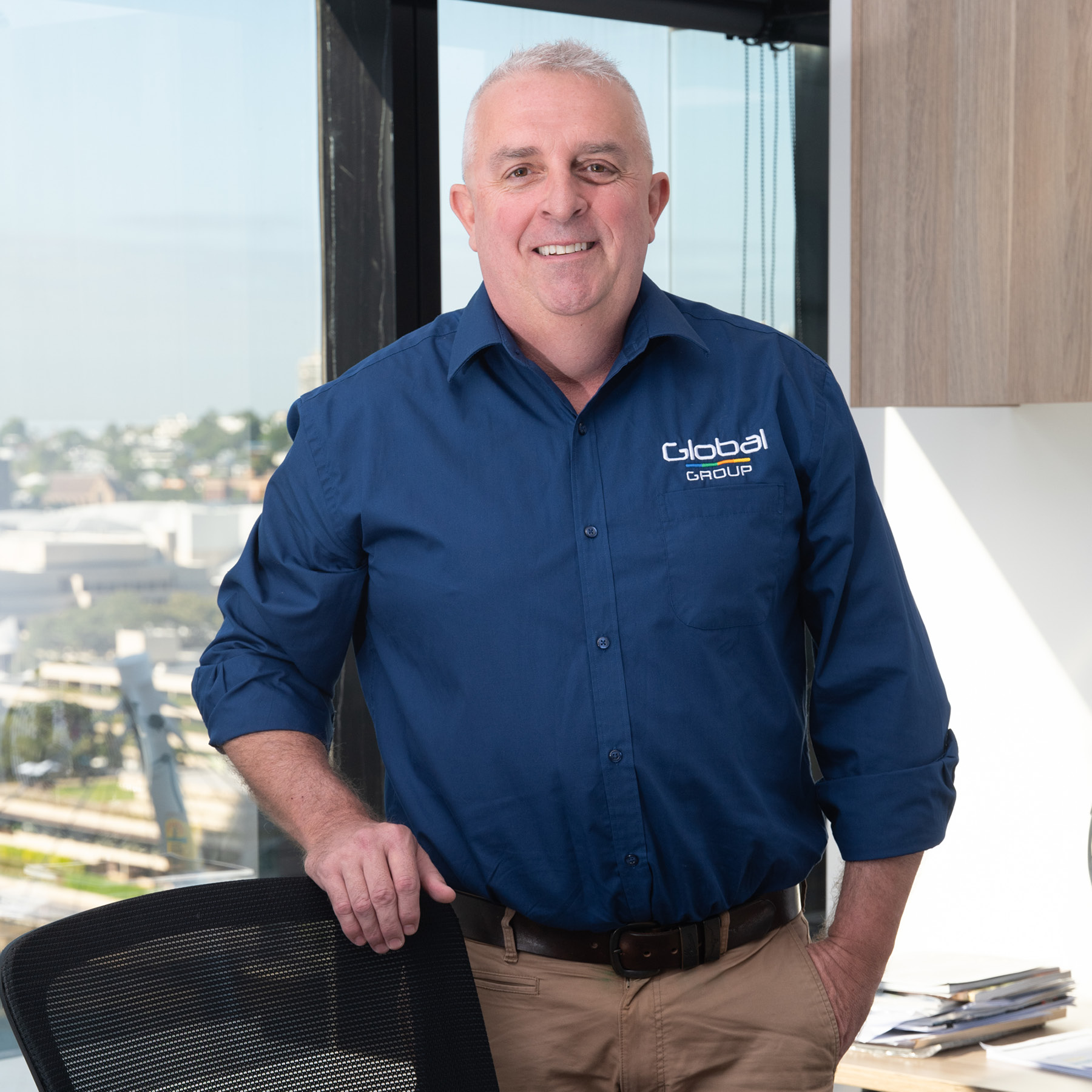

Williams believes the dynamic between a CEO and a founder can make or break a business.
“You can be the greatest CEO of a publicly listed company, but it doesn’t mean you can step into a founder-led business and actually have the same success,” he points out. “You have to have a relationship with the founder.”
That relationship requires trust, transparency and even the ability to disagree constructively.
“We have a safe word we agreed on when things start getting too tense,” he says, with a laugh.
Over time, that trust has strengthened as they navigated the company’s transformation together.
“He took a risk on me, and I took a risk on him,” Williams acknowledges. “Fortunately, it’s worked well.”
For Williams, however, strong relationships cannot stop at the executive level. The same philosophy shapes how the company approaches its workforce, particularly in industries where uncertainty is part of the job.
Engineering and construction projects are executed in environments where conditions can change rapidly. Weather events, logistical challenges and remote locations place enormous demands on crews.
In recent years, for example, floods have forced the company to temporarily stand down large portions of its workforce. Yet the response from employees reinforced Williams’ belief in the company’s culture.
“We had 200 conversations with people when those floods were on,” he says. “Then 198 of them were back on board with us a month later – they didn’t go out and look for other work.”
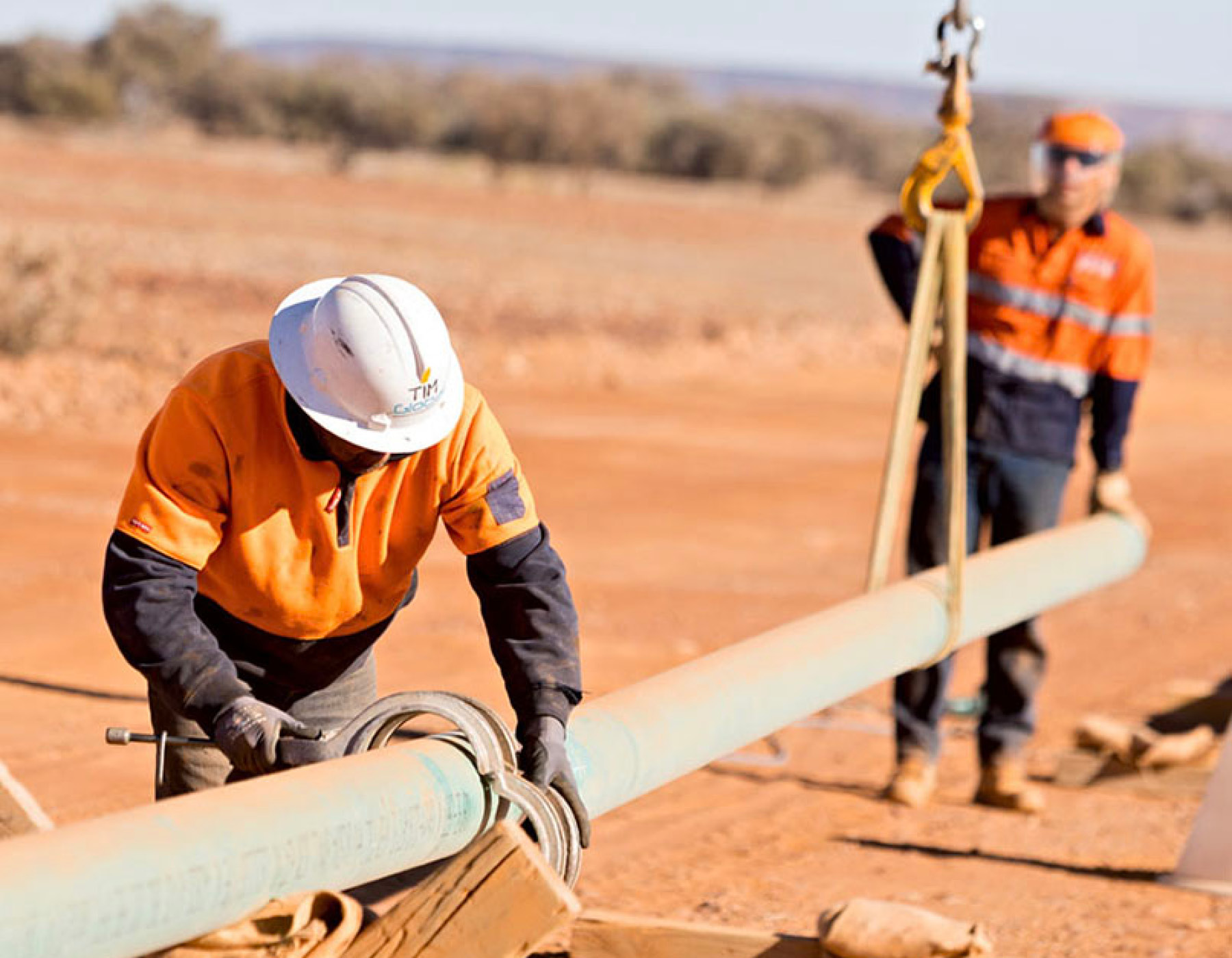

That level of loyalty reflects deliberate investment in people development. Every employee at The Global Group – from leadership teams to frontline technicians – participates in structured conversations about their future within the company.
“We’ve appointed a field development manager in the business,” Williams reveals. “He travels the country and has conversations with everyone on every crew, defining what their career looks like within the Group.”
These discussions help employees map potential career paths within the organization.
“Every individual right down to the guy who’s swinging a spanner on a pipeline has had a conversation about what they want to do at Global,” Williams says.
And the results have been outstanding. The Global Group now records some of the lowest voluntary turnover rates in the sector. In Williams’ mind, this strong culture directly translates to operational performance.
“Once you have the loyalty and transparency, other metrics like safety and performance take care of themselves,” he says.
Of course, financial performance is essential to any business, but given his beliefs around culture, the metrics he cares most about reflect engagement and leadership development. One of those indicators is internal promotion.
“Eighty percent of our leaders have been appointed internally in the last 12 months or by way of reference, they’ve come back,” he says. “In fact, one of the young women I started working with in 2013, I watched her doing everything day in and day out. Today, she sits on the leadership team.
“So if people are staying with the organization, they’re developing new skills, and we’re helping them develop new skills and giving them greater responsibility, then I know we’re going to get better long-term results.”
In a business like this, improving how work gets done is where the real innovation happens.
“In this game, we are doing what we call hard-dollar projects,” Williams explains. “There’s a start and a finish, whether we’re building a piece of pipeline or a gas plant, most of them are taken on as a fixed price.
“So we have to be innovative all the time. And for us, innovation is about doing things faster, more efficiently and being really commercial about them as well. If we say we’re going to make a 15 percent margin, then we need to make a 15 percent margin.
“And that means we need to manage the contract really well and have great client relations. There are so many aspects to manage.”
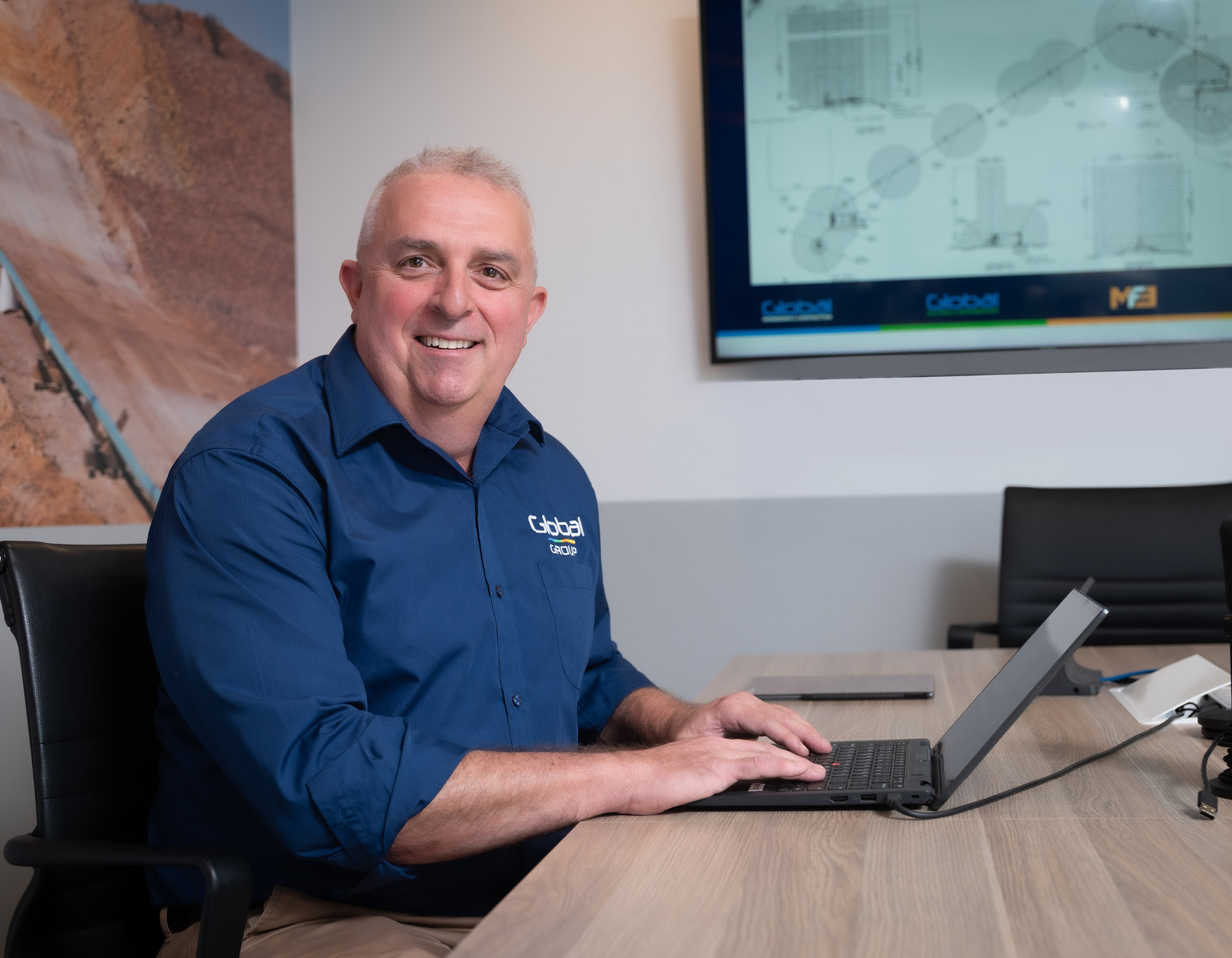

Experience also plays a crucial role. Rather than relying on transient labor, The Global Group prioritizes experienced supervisors who are both leaders and cultural ambassadors.
“We invest in project supervisors because they do things the Global way,” he says. “They’re our culture carriers, our technical carriers.”
Looking ahead, Williams believes The Global Group’s growth journey is only beginning. Recent acquisitions have laid the foundation for a broader group structure that will expand the company’s capabilities across the engineering and construction value chain.
Within the next decade, he has high expectations for the company.
“I’d like to see the Group become the most recognized Australian-owned construction group,” he says. “And clearly, three times the size we are now.”
While growth remains a key objective, it won’t be at the expense of culture or reputation.
“I’m very mindful that I’m here to work for a shareholder. He started this business in his garage,” Williams says. “So if any transaction happens, there has to be the right culture, the right reasons and the right ownership model.”
At the end of the day, Williams’ goal is simple. He wants to leave the business stronger than he found it and help the people within it succeed.
“If you create an environment where people are respected, supported and challenged to grow, then extraordinary things can happen,” he concludes.
 RELATED ARTICLES
 10-min read


 Home
Home
 Podcasts
 Covers
 Be Featured
 Community