Language
You can read the magazine in one of the following languages

6-min read

 Bookmark now

 Copy Link
Most banks can trace their roots back to founding documents. Wintrust Financial Corporation traces its back to a card table where a group of Chicagoans sketched out a new kind of bank. They were convinced local neighborhoods deserved something better than distant decision-makers and disappearing storefront branches.
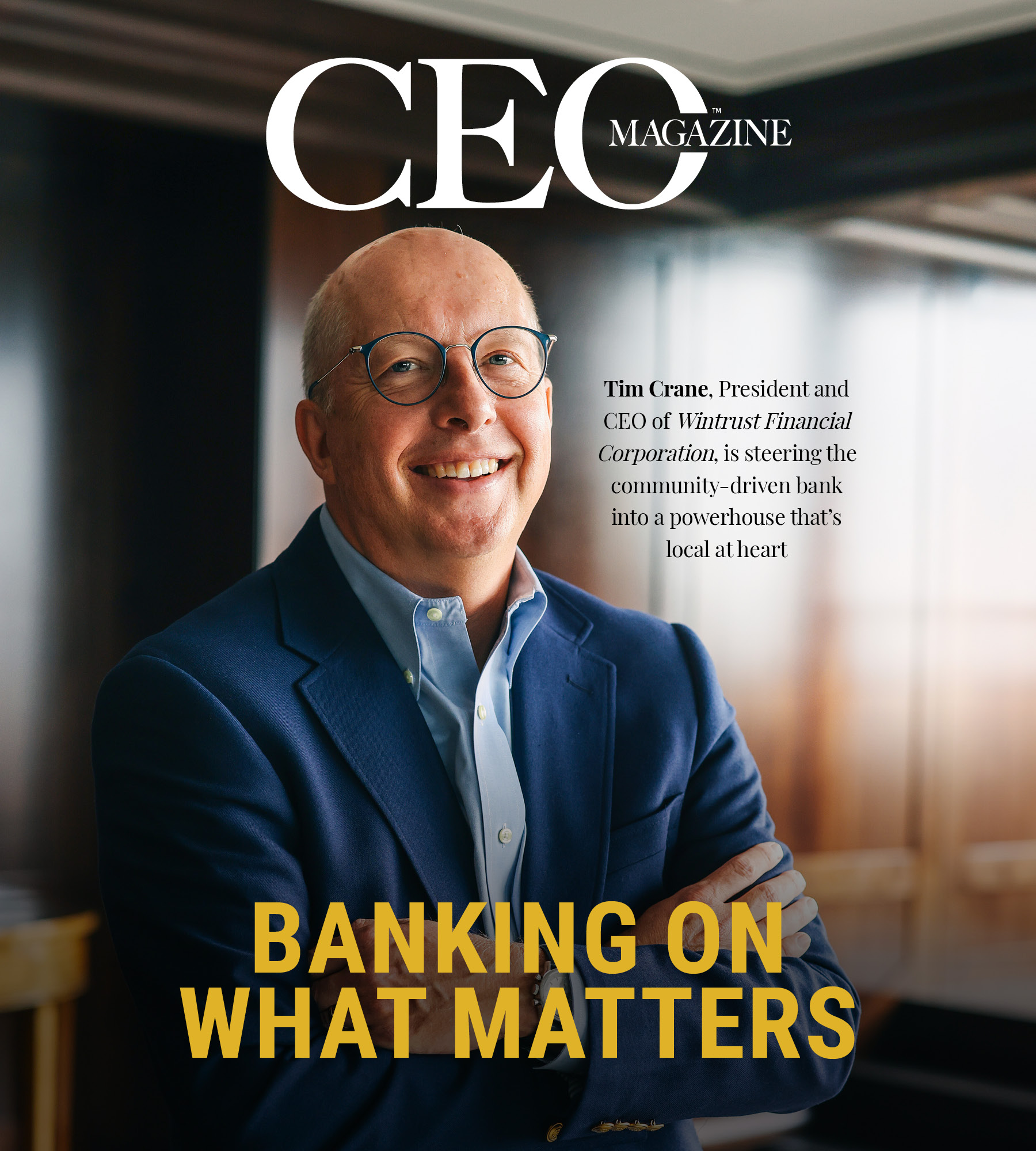
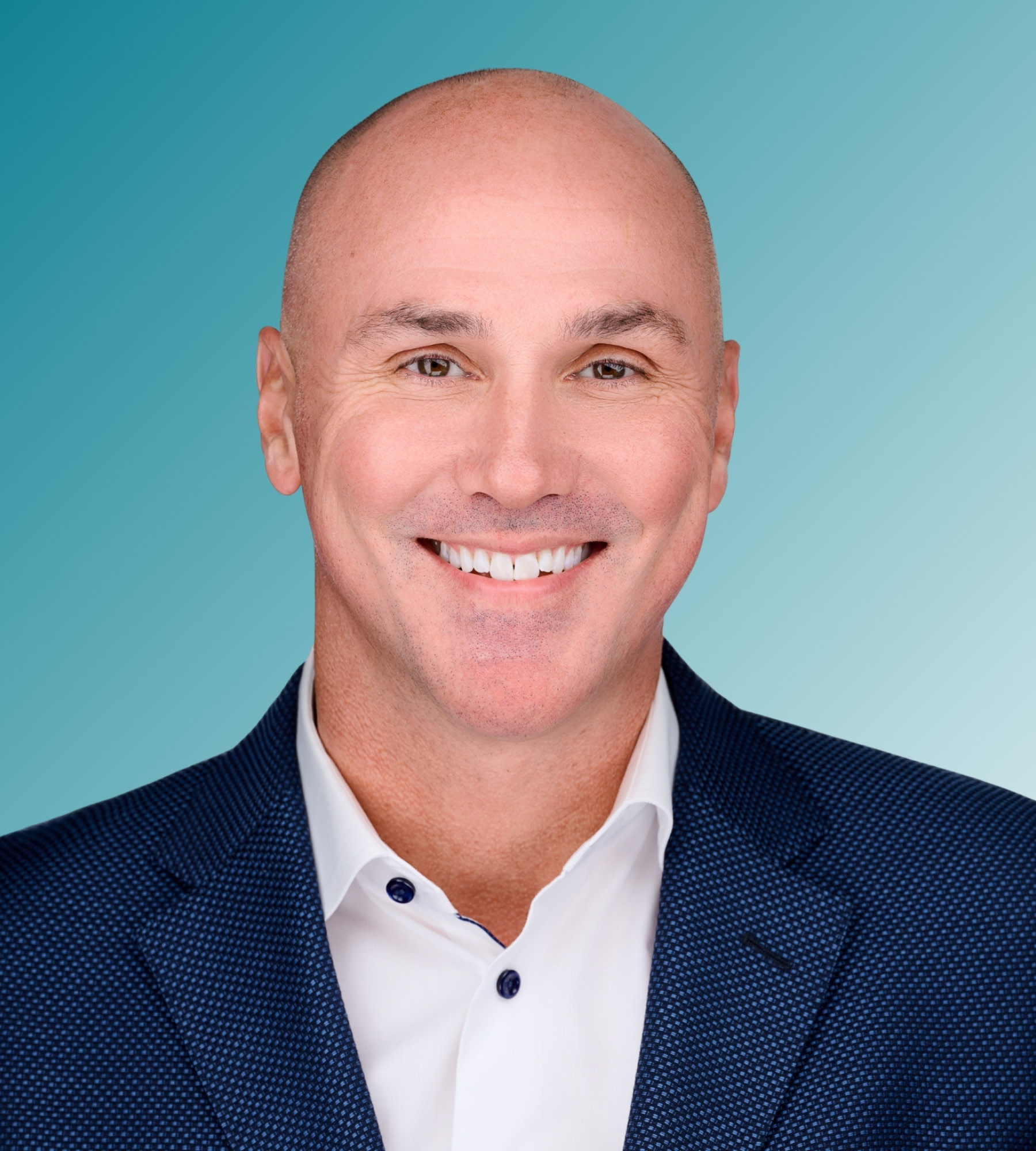
More than 30 years and 200-plus locations later, that same hands-on spirit defines how President and CEO Tim Crane leads the trusted financial institute: close to the customer, grounded in community and determined to stay local, even as the company grows well beyond its original borders.


“There are people in our communities that if you ask them why they are successful, they would point to the bank,” Crane tells The CEO Magazine.
“They would say, ‘I got a start when nobody believed in me, but Wintrust did. And they’ve helped me since.’ That’s a very rewarding conversation when, unsolicited, someone comes and tells you that. It’s just one piece of the puzzle, but it’s one that we deliver better than our competitors.”
When Wintrust was founded in 1991, consolidation was reshaping Chicago’s banking landscape. Neighborhoods were losing the local bankers who actually knew them.
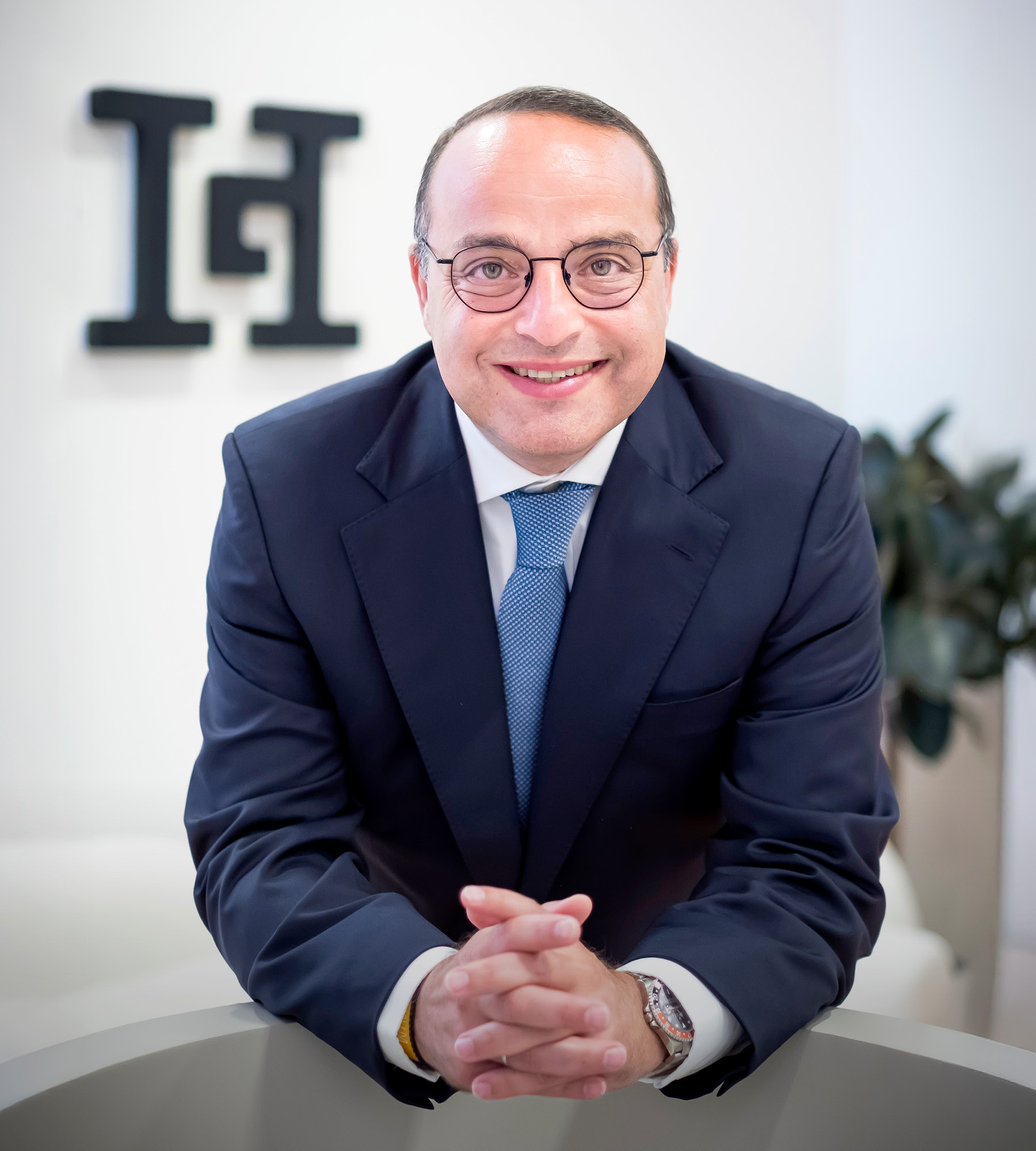
“Back in the early 90s, a lot of the big banks were pulling out of Chicago’s neighborhoods,” Founder, Senior Advisor and Chairman Emeritus Edward J Wehmer recalls.
“People didn’t have someone who knew their name, their business or their community anymore.”
That gap felt personal, and it sparked a conversation among friends.
“A group of us saw that gap and thought, ‘Why not build a bank that brings that community feel and personal touch back?’” Wehmer says.
“It’s Wintrust lore by now: at a card table over a case of beer and a box of cigars, we came up with our business plan.”
Wintrust’s first bank in Lake Forest focused on relationship banking, a structure Wehmer believed would allow him to serve his community while staying close to home.
“I had five kids at the time and didn’t want to miss out on their childhood,” he reveals. “Over time, that original vision hasn’t changed; it’s just gotten bigger.”
For Crane, the power of that origin story was impossible to ignore.
“Wintrust did a terrific job in the Chicagoland community. Ed Wehmer convinced people it was the best choice in banking – that was the case then, and it’s the case now,” he says.
“People want to work for Wintrust, and they’re not only proud to work here, but frankly, it’s fun.”
From day one, the model differentiated Wintrust from the national banks sweeping into Chicago.
“The strategy was to be the alternative to the big banks,” Crane explains.
And while others centralized, Wintrust built a network of independently chartered community banks – 16 in total – rooted in their neighborhoods but supported by a larger infrastructure.
“Somebody in any given community might know us as ‘Lake Forest Bank and Trust,’” Crane says. “But we have the level of sophistication and the level of service that larger commercial clients or wealth-related clients would appreciate.”
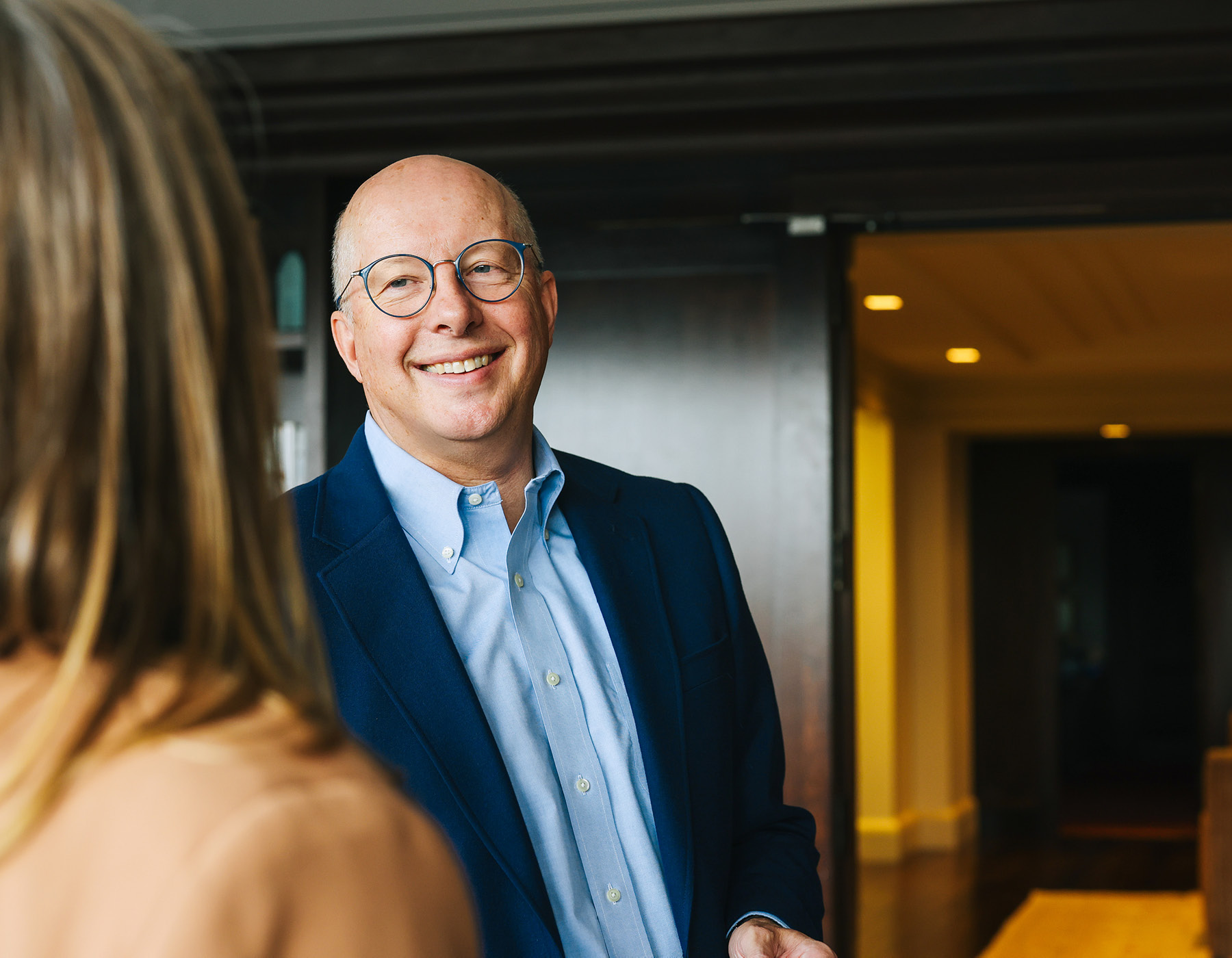

Wehmer calls this the company’s “local decision-making and local relationships” advantage.
“At a big national bank, decisions are made in another state or another time zone,” he explains. “At Wintrust, they’re made down the street by people who know the community.”
That autonomy remains the cornerstone of the Wintrust identity.
“We turn that around, and we’d ask, ‘What shouldn’t be centralized?’ And the answer to that is anything that touches the customer,” Crane says.
“We want to serve customers on their terms, be available when they need us and keep as much of the customer interaction as local as we possibly can.”
As Wintrust’s footprint expands, protecting its small-bank culture becomes more complicated, Crane explains, but also more intentional.
“The challenge from a culture standpoint is to stay small as we grow and become more successful,” he reflects.
“Companies headquartered hundreds or thousands of miles away from the communities in which they operate won’t do as good a job as we will. If we keep doing what we’re doing and keep listening to people in the community, then we’ll be successful.”


However, Crane is also acutely aware of the temptation to favor efficiency over proximity.
“It’s simple to bring a solution that could save the bank some money or make it easier for employees in the bank – and we have to fight that every day,” he admits.
“But we have to always look at things from the lens of our customers. If it makes sense for them, then we can talk about how to do it more efficiently, how to do it differently, but not in a way that compromises the way we deliver services.”
This philosophy is embraced in other areas of the business as well. Wintrust is a partner in building sustainable communities and strengthening neighborhoods through economic mobility, civic engagement and direct involvement.
“For us, it’s about serving communities in a different way,” Crane adds. “We talk about building sustainable communities where people matter, whether it’s helping from a social services standpoint, helping with green space or helping start a chamber of commerce.”
Wehmer sees this as the essence of Wintrust’s philosophy.
“Giving ‘a hand up, not a handout’ is about empowerment,” he says. “Wintrust doesn’t just write a check and walk away. The team gets involved, builds relationships and works alongside people. Strong communities make strong banks.”
And as consolidation accelerates, both Crane and Wehmer believe community banking continues to offer enduring value.
“Consolidation isn’t new,” Wehmer points out. “But I think there’s always going to be a play for true community banks. People still want relationships.”
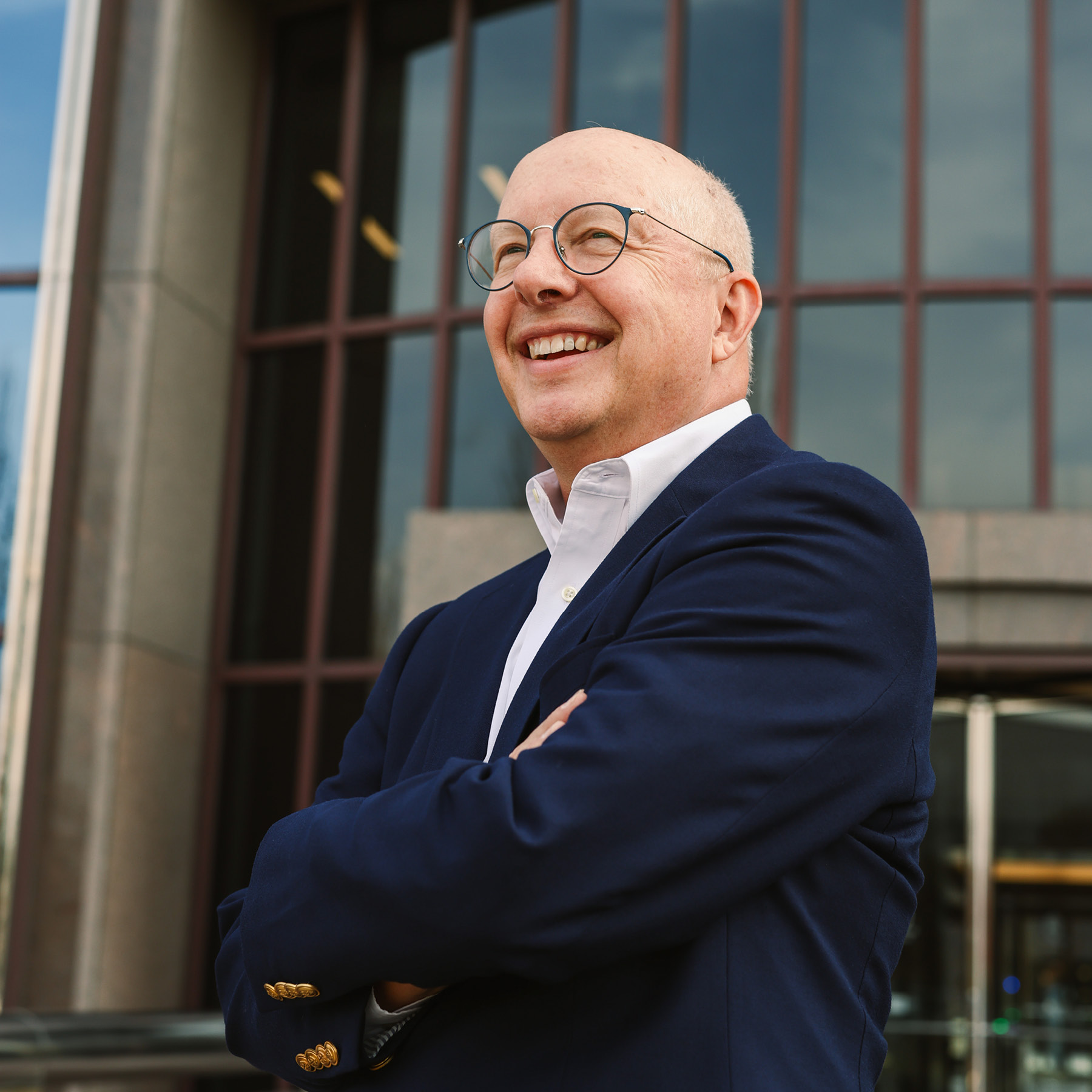

Technology will, of course, play a role, but not at the cost of connection.
“Fewer and fewer people are coming into our branches,” Crane notes. “High tech, high touch is the way we talk about it. When people need advice and want to see us face-to-face, there are ways to do that. But increasingly, many of these services are delivered either online or through mobile apps with some type of support available.
“We’re transitioning to provide services in a way our customers expect them.”
Even as the industry transforms, Crane keeps his guiding question simple.
“If you start by asking, ‘Is this good for our customers?’ you get to the right answer more often than not.”
 RELATED ARTICLES


 Home
Home
 Podcasts
 Covers
 Be Featured
 Community