Language
You can read the magazine in one of the following languages
5-min read

 Bookmark now

 Copy Link
Walk into any luxury brand strategy meeting today and you’ll hear the same words: understated, timeless, quiet. The brief practically writes itself – ditch the logo, whisper the price point and let the craftsmanship do the talking.
In London, New York and Paris, this makes sense. Western luxury consumers, after decades of logo-saturation and digital overexposure, are experiencing what looks like a collective midlife crisis: a retreat from visibility and a desire to signal taste rather than wealth.
The ‘If you know, you know’ validation of the inconspicuous has become the new status marker. Quiet luxury is their resolution.
But for any CEO with growth ambitions in India or the Gulf, exporting this philosophy isn’t a creative choice; it’s a fundamental misreading of the market. Quiet luxury is a Western psychological response to Western excess. And in the world’s most vibrant growth corridors, the party is just getting started.
The critical variable that global luxury briefs consistently miss is where a market sits on the arc from aspiration to saturation.
Western luxury consumers are post-saturation. They’ve had their conspicuous phase. The logo has lost its power because everyone has the logo. Restraint became the new signal precisely because excess had become ordinary. They are, in the language of consumer psychology, status-fatigued.
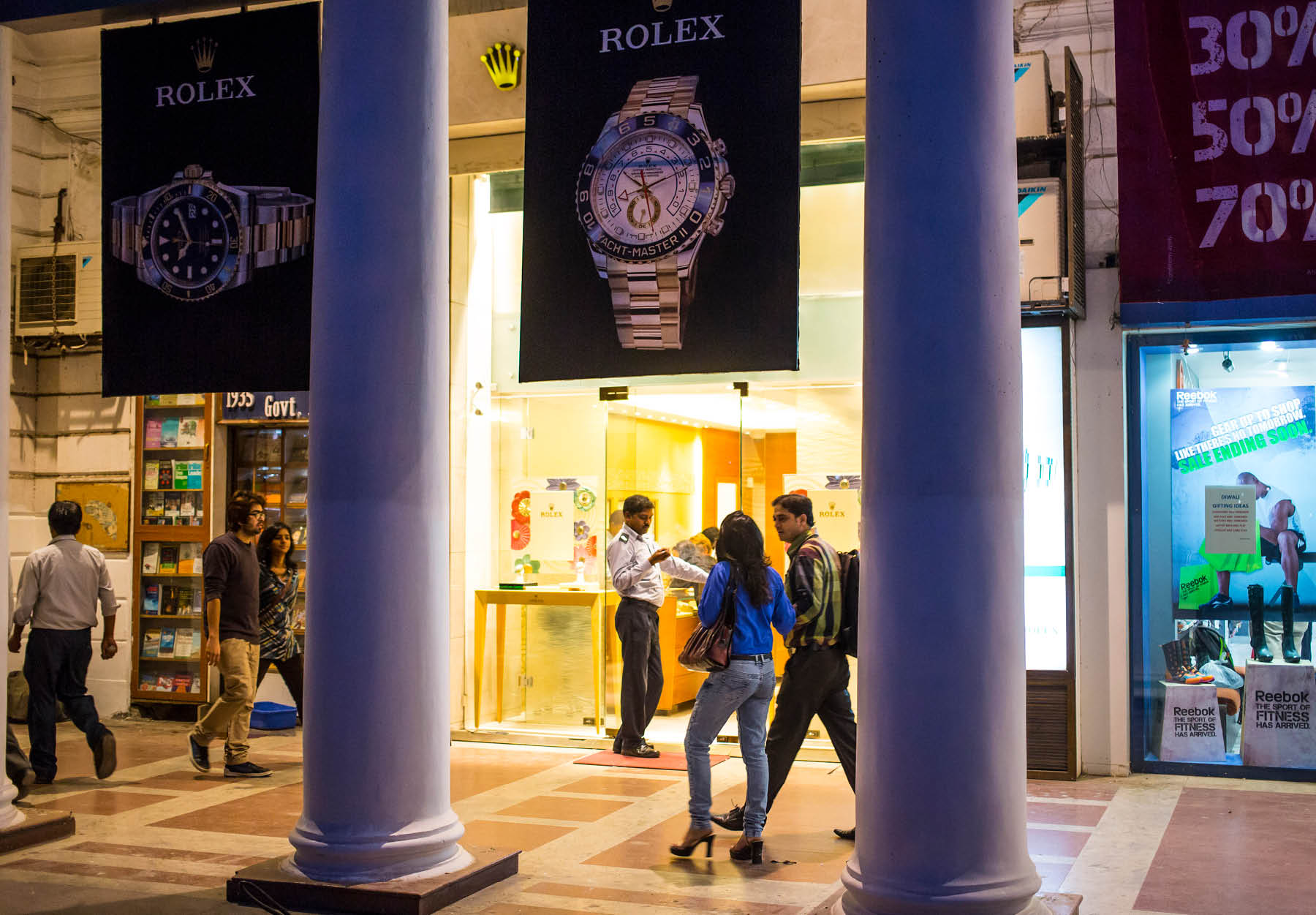
These are markets in the middle of their first great luxury expansion, where visibility still carries the full cultural weight it was always designed to carry.
Indian and Gulf luxury consumers are status-ascending. India’s luxury market grew 32.8 percent in a single year, outpacing the United States, Switzerland, Japan and China. The Middle East and India combined now represent a market value matching mainland China in scale. These are not markets retreating from visibility. These are markets in the middle of their first great luxury expansion, where visibility still carries the full cultural weight it was always designed to carry.
When a first-generation wealthy consumer in Mumbai buys a luxury watch, it is not a private pleasure. It is a public declaration: a story about distance traveled, about arrival and about a family’s trajectory. Stripping that signal out of your product doesn’t make it more sophisticated. It makes it mute.
This is why Rolex consistently outsells more understated competitors in India, not despite its recognizable dial but because of it. The logo is not the problem; the logo is the point.
In India, luxury is inseparable from celebration. It is tied to the great Indian wedding, an industry worth over US$130 billion and to multi-generational festivals where the act of giving and displaying luxury is itself the gesture of respect and love.
In this context, restraint is not read as sophistication. It is read as a lack of effort, or worse, a lack of regard for the occasion. A quiet brand at a loud celebration has failed to read the room. Indian luxury millennials and Gen Z are evolving their relationship with brands, moving toward narrative and purpose, but this is a shift from one form of visibility to another: from logo-as-status to brand-as-identity.
The desire to be seen hasn’t disappeared. It has simply become more specific about what it wants to be seen doing.
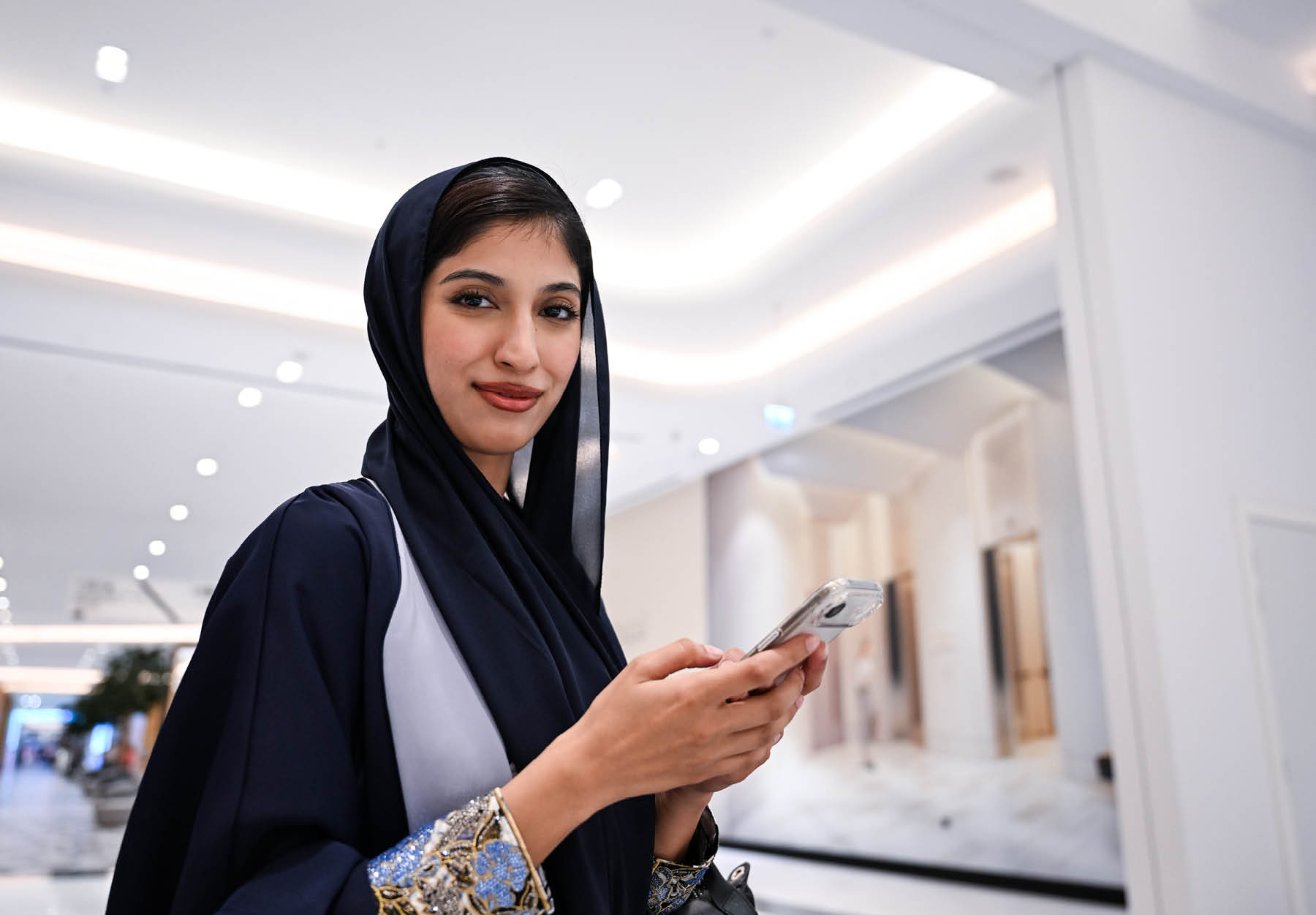
In the United Arab Emirates and wider Gulf Cooperation Council, visibility is about presence and respect. These are cities that have built the world’s tallest towers, the world’s largest malls and the world’s most ambitious cultural institutions in a single generation. Luxury brands are expected to be as bold as the landscape they inhabit.
To go stealth in a region that has consciously positioned itself as a global beacon of ambition and possibility is to be out of sync with the national narrative. The Gulf luxury consumer is not seeking quiet confidence. They are seeking brands that match their own scale of aspiration.
Just as companies accumulate technical debt by relying on outdated systems, they accumulate cultural debt by relying on consumer insights from the wrong geography.
Just as companies accumulate technical debt by relying on outdated systems, they accumulate cultural debt by relying on consumer insights from the wrong geography. If your luxury strategy is built on global trends research generated in a London or New York boardroom, you are pricing, positioning and launching based on the wrong hemisphere’s psychology.
Through 23 years of building and advising brands across South Asia and the Middle East, I have watched global luxury brands win and lose, not on product quality but on cultural accuracy. The ones that lose almost always share the same brief: one written for a consumer who has already exhausted the very aspiration their target market is still hungry for.
1. Audit the source of your intelligence
Do not confuse market research with cultural intelligence. Research tells you what people are buying. Cultural intelligence tells you why and what it means to them when they do. Ensure your consumer insight reflects the specific aspirational triggers of status-ascending markets, not the saturation dynamics of Western ones.
2. Redefine value through narrative
In ascending markets, luxury value lives in the story it lets the consumer tell about themselves. Does your product help them narrate their achievement visibly and proudly? If your brand is too quiet to be noticed, it loses its utility as a marker of that narrative. You are not selling restraint. You are selling a vocabulary for success.
3. Localize the volume, not just the product
Localization is not a limited-edition colorway or a local celebrity in a campaign. It is about calibrating how loud your brand needs to be in each cultural context. In practice, this means scaling up store facade presence and in-store spectacle, amplifying visible craftsmanship details rather than hiding them, and adapting logo prominence by region rather than applying a single global standard. Be louder where the culture demands it.
The next decade of luxury growth belongs to the leaders who stop treating India and the Gulf as trailing indicators of Western taste. These consumers are not waiting to evolve into quiet luxury. They are carving their own relationship with status: unashamedly visible, culturally specific and entirely on their own terms.
Your consumer in Mumbai or Dubai isn’t waiting to outgrow the desire to be seen. They are waiting for a brand that actually sees them.

Shagorika Heryani
Contributor Collective Member
Shagorika Heryani is the Founder of Athina, a brand and cultural intelligence consultancy operating between Dubai and Delhi. With 23 years of brand strategy experience across South Asia and the Middle East, she specializes in decoding consumer psychology for global brands entering high-growth markets and brings a cross-regional perspective to emerging markets and the evolving dynamics of modern leadership. Learn more at https://www.linkedin.com/in/shagorika/
 RELATED ARTICLES


 Home
Home
 Podcasts
 Covers
 Be Featured
 Community