Language
You can read the magazine in one of the following languages
4-min read

 Bookmark now

 Copy Link
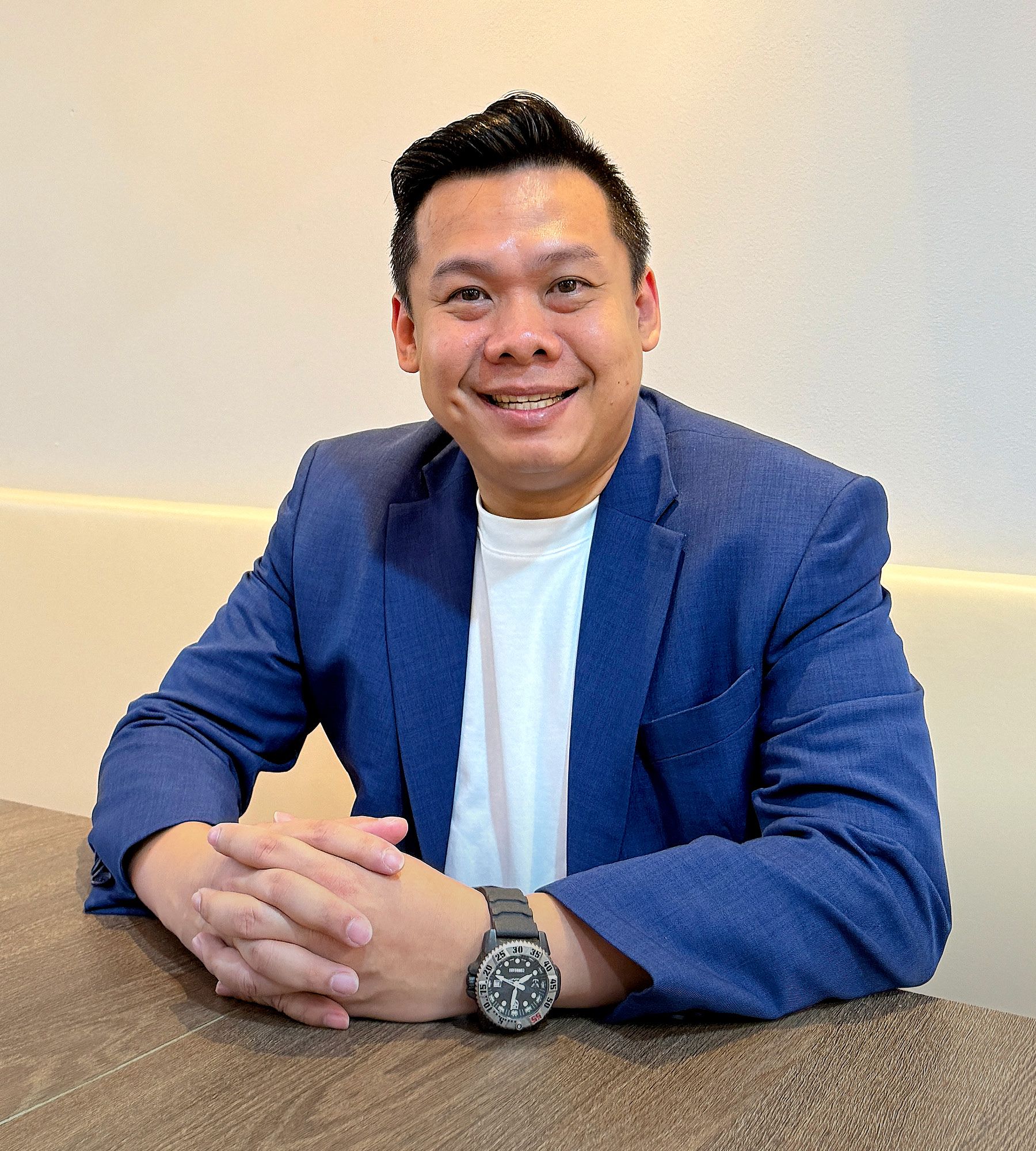
In the fast-paced world of quick service restaurants (QSRs), slowing down can sometimes be the smartest move. That’s the philosophy of Burger King Singapore Deputy CEO Poy Rong Chang, who has spent more than two decades in the industry.
When Poy joined Burger King Singapore in 2020 as Director of Operations, he brought with him 24 years of experience from Pizza Hut. Yet even he admits he had to fasten his seat belt. Tasked with steering the business through the height of the COVID-19 pandemic, he rolled up his sleeves from day one.
“I’m the kind of person who likes to get into every corner of the business – from store operations to culture on the ground,” he tells The CEO Magazine.
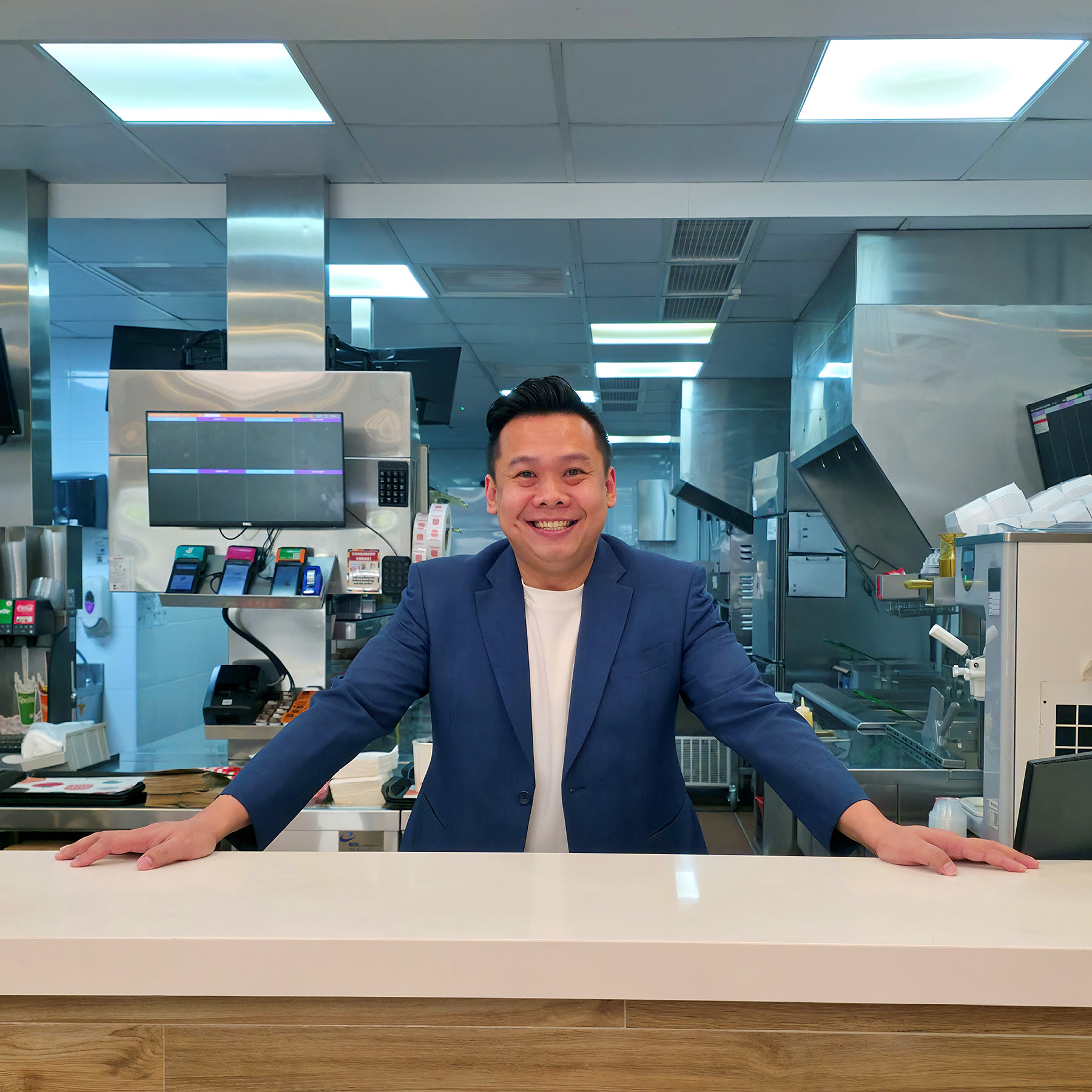
“I realized that speed alone isn’t always the smartest approach.”
Poy immersed himself on the front lines, opening restaurants at dawn and staying until the early hours. It was a way to learn quickly, but more importantly, to build trust with staff navigating unprecedented challenges.
“It was a time of tough calls,” he recalls.
Half of the stores had to be shut down, and the business model pivoted almost overnight to a takeaway and delivery. Many employees faced travel restrictions, adding to the strain.
Yet the period also brought valuable lessons.
“We learned that when it comes to our supply chain, we have to be nimble. There must always be alternatives so we don’t put everything in one basket,” he explains.
The biggest takeaway for Poy, however, has been the importance of focus.
“As leaders, we often get distracted by small opportunities or reactive challenges,” he admits. “Real progress comes from saying no to distractions and doubling down on initiatives that move the needle.”

This principle became even more crucial when he stepped up as Deputy CEO in 2023, taking on an additional portfolio the following year. With greater responsibilities came the need for reflection and measured judgment.
“When you’re in a business with so much movement, there isn’t much time. The instinct is to make quick calls. But I realized that speed alone isn’t always the smartest approach,” he reveals, emphasizing the value of slowing down to make deliberate, well-considered decisions.
Poy’s move to Burger King was a calculated ambition: to sharpen the brand’s competitiveness in Singapore’s crowded QSR market.
“It’s about futureproofing the business – building something sustainable and scalable,” he says. “Our partners are in it for the long run. If we grow, they grow.”

“Our partners are in it for the long run. If we grow, they grow.”
Digitalization, sustainability and footprint management are central to this strategy. With more than 70 locations across Singapore, Poy says expansion must be balanced against the country’s limited land space. Developing his team is equally vital.
“If we get these fundamentals right, we have a strong shot at catching up with number one,” he predicts.
When Poy joined, Burger King ranked as the fifth-largest QSR chain in Singapore by store count. He immediately set a bold challenge for his managers: break into the top three within five years.
“They took the challenge and delivered,” he says with pride. “Today we are the third-largest QSR by store count. But what matters most is that our people have grown their careers along with us.”

Long-standing partnerships with companies like Coca-Cola Singapore Beverages and Nestlé Professional Singapore have also been instrumental to the success of the business.
“At the end of the day, relationships are about one thing: trust,” he emphasizes.
Despite his senior role, Poy makes it a priority to stay connected with day-to-day operations. While he occasionally drops by competitors’ outlets to observe, he makes it a point to visit Burger King stores weekly.
“I usually go in once a week,” he reveals. “I don’t just walk around – I value add where I can, whether it’s giving quick feedback, sharing best practices or helping managers troubleshoot challenges.”
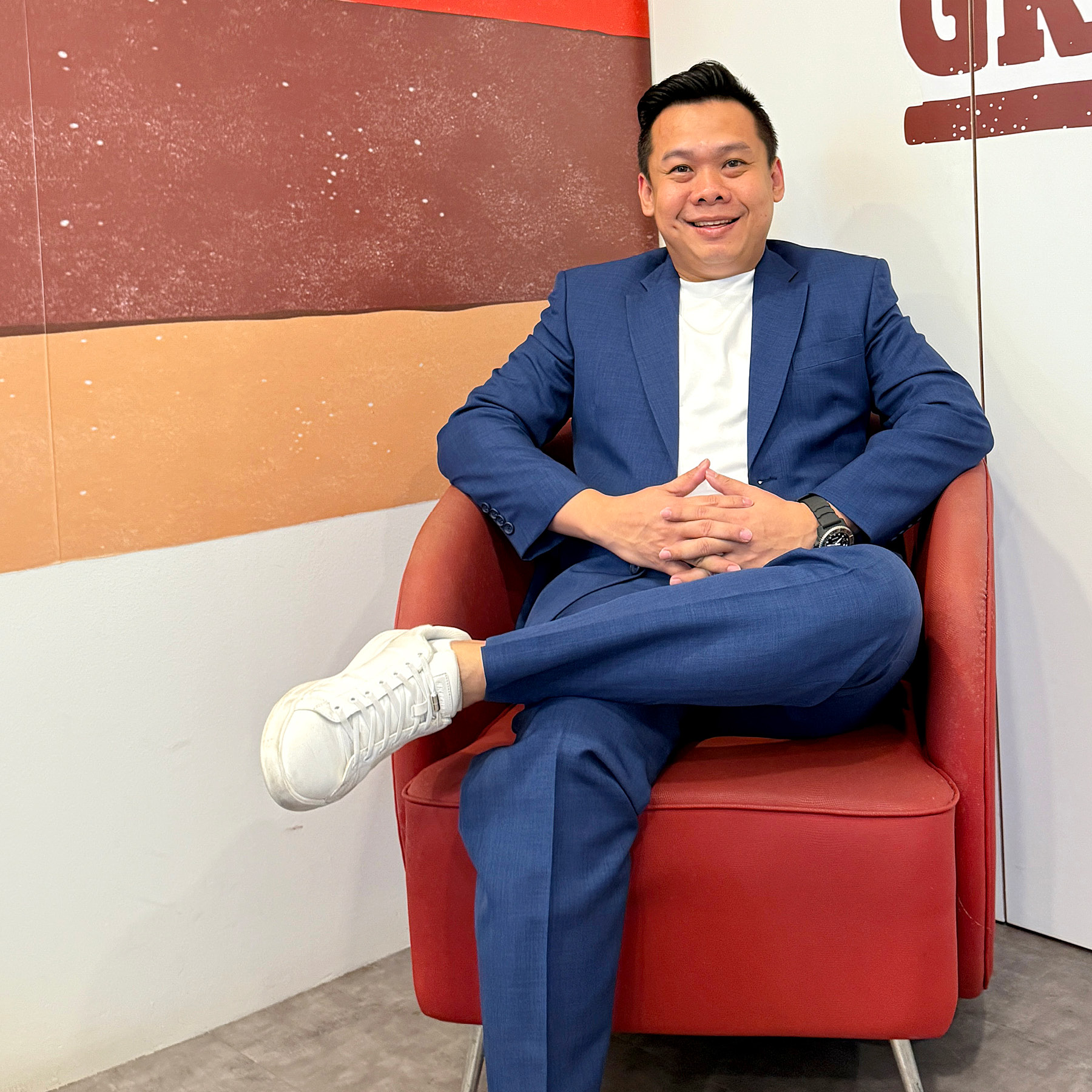
“It’s important for me to acknowledge the team for keeping things running smoothly.”
For Poy, these visits are less about inspection and more about recognition.
“It’s important for me to acknowledge the team for keeping things running smoothly,” he says. “Most of the time, they absolutely nail it. When they do, I want them to know their efforts are seen and appreciated.”
This balance of hands-on support and genuine recognition reflects his leadership philosophy: growth is achieved not only through strategy, but also by empowering and uplifting the people who bring it to life.
 RELATED ARTICLES


 Home
Home
 Podcasts
 Covers
 Be Featured
 Community