Language
You can read the magazine in one of the following languages

5-min read

 Bookmark now

 Copy Link
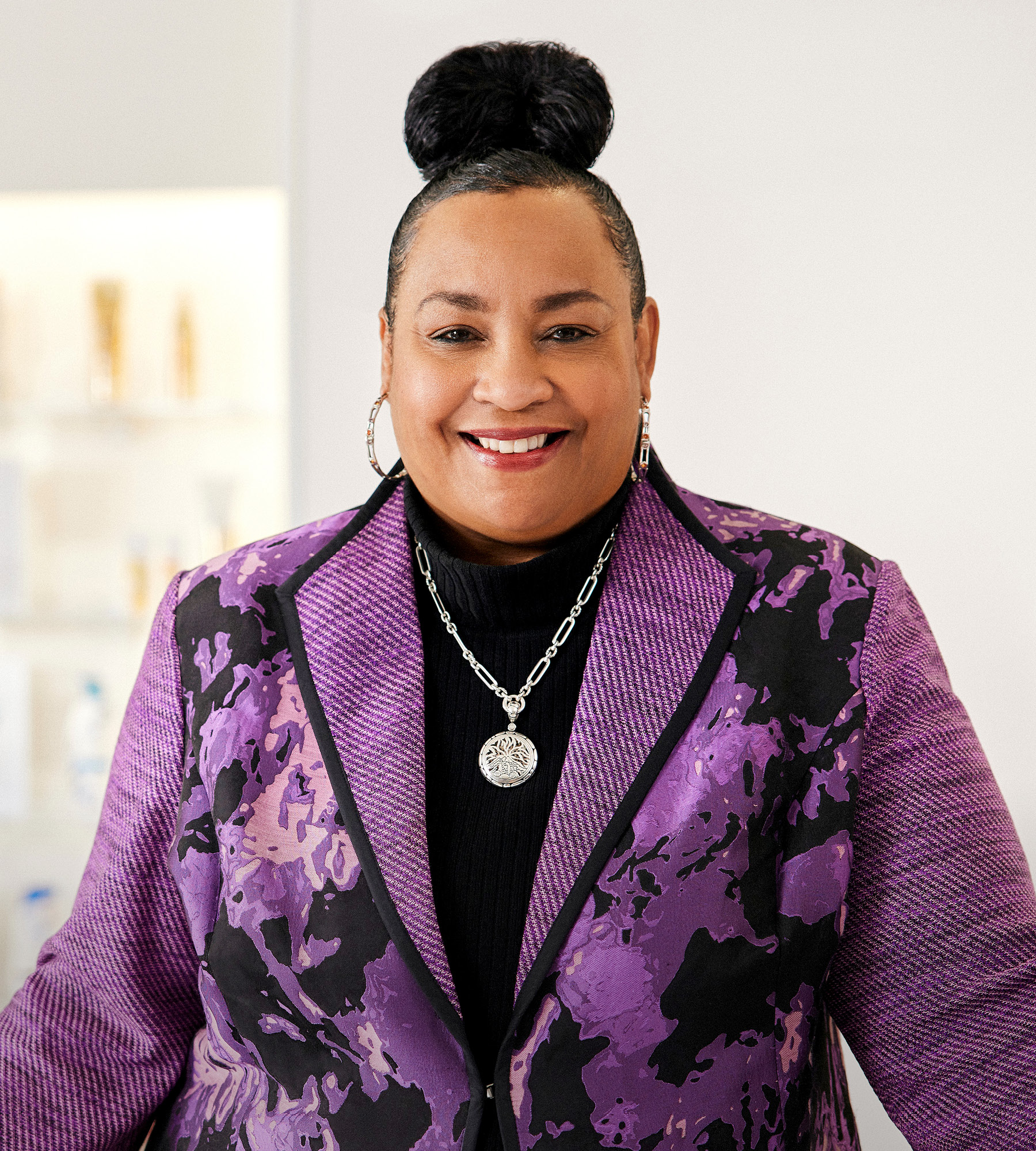
Over nearly four decades, Monica Turner has risen through the ranks of leading consumer goods company, Procter & Gamble (P&G), developing a reputation for seizing opportunities at every turn.
In her most recent P&G role, she served as President of Strategic Growth Capabilities, working directly alongside P&G’s current CEO on key priorities for the next decade. But the journey to that seat started with a college internship.
“It’s been a wonderful journey just saying yes to opportunities and having multiple careers in one great company,” she tells The CEO Magazine.
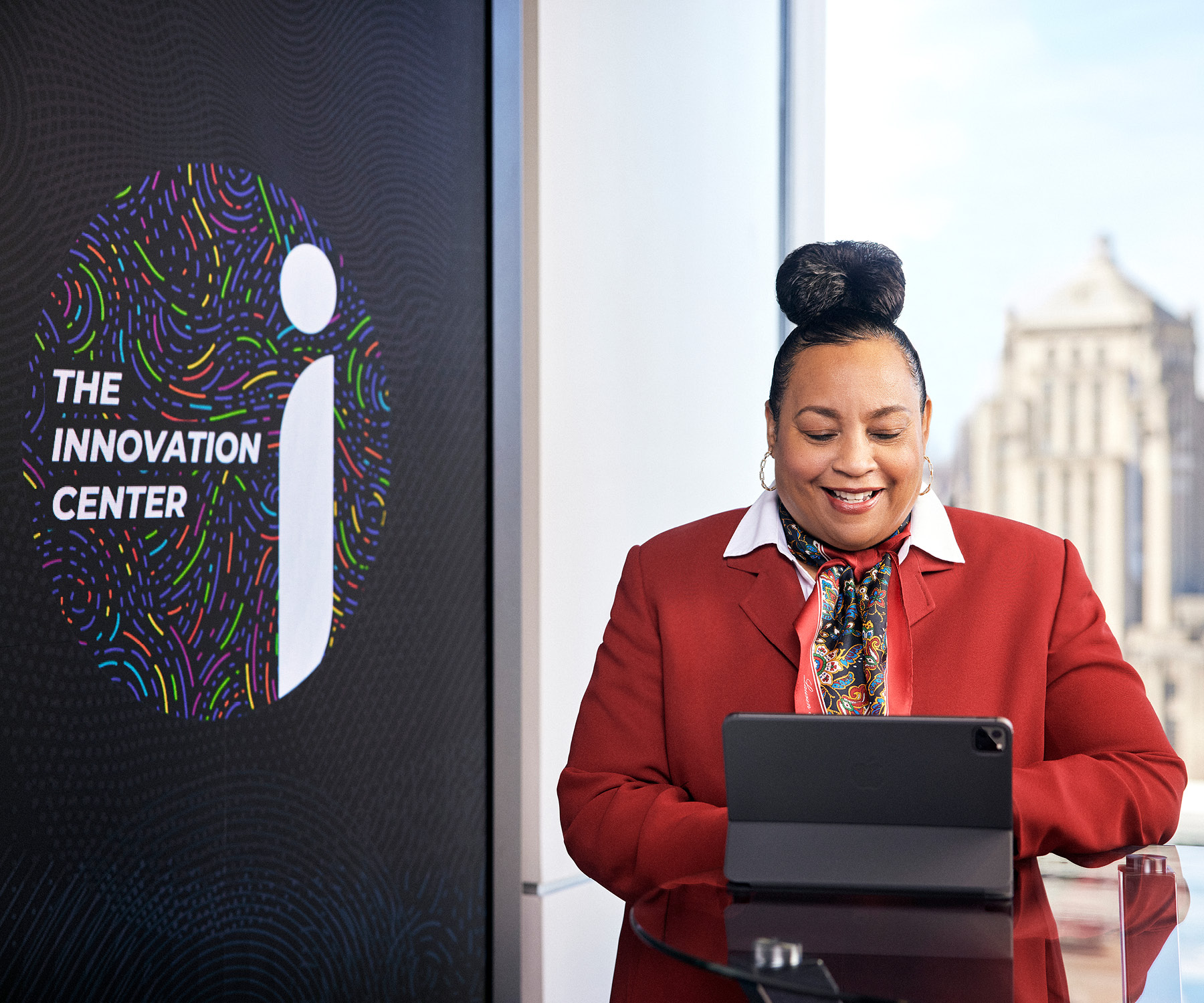
“It’s been a wonderful journey just saying yes to opportunities and having multiple careers in one great company.”
Today, her board portfolio reflects that same breadth. She serves on the Board of Directors at The Allstate Corporation and has held leadership roles across corporate, higher education, industry and nonprofit sectors, including Former Chair of the University of Cincinnati Board of Trustees, Former Member of the Consumer Brands Association Executive Board and Past Board Chair of NextUp, formerly the Network of Executive Women. Named a Top 250 Board Director by the Wall Street Journal, she also serves on the WSJ Board of Directors Council.
Her experience and involvement provide a unique vantage point into what she believes is one of the most critical responsibilities facing boards today: building the bench of future-ready leaders who are prepared for the challenges of an ever-changing environment.
For too long, succession planning has been treated as something boards turn to when a crisis forces their hand. Turner believes that era is over – and those who haven’t caught up are already behind.
“Today, our world is so dynamic,” she says. “That requires boards to treat succession planning with an always-on approach.
“Those companies that shift from episodic planning to continual review have a competitive advantage.”
Where succession was once a periodic exercise, often triggered by a departure or an unplanned event, the strongest boards have embedded it into their governance rhythm as a standing priority.
Quarterly assessments. Defined ownership. External expertise brought in to stress-test internal assumptions. The goal isn’t just to have a name ready – it’s to have a pipeline that’s genuinely prepared.
“Leadership transitions either help you create value or they erode your value,” Turner says. “Having a plan and processes in place well before they are needed can maximize shareholder confidence and reduce uncertainty.”
The stakes are high. Recent research highlights that only about half of boards feel truly ready to replace a CEO at a moment’s notice, and very few plan five or more years ahead. Boards that build this muscle in advance, Turner contends, are the boards that will be ready when it matters most.
Part of what distinguishes a mature succession framework from a reactive one is its willingness to plan not just for the expected but also for the worst. Turner outlines three scenarios every board should have mapped: a planned transition, an unplanned one and the scenario nobody wants to discuss – the unthinkable.
“You need to be able to look at it from three angles,” she explains.
That means maintaining not one successor candidate, but two or three – people who are ready, if required, and who have not just tenure and the title, but real, tested experience. It also means formal emergency protocols, coaching from third-party advisors and skills matrices that go beyond resumes to capture leadership personality and crisis readiness.
What makes Turner’s perspective particularly grounded is that she isn’t just theorizing about pipeline development – she has lived it. At P&G, leadership advancement is engineered with the same discipline applied to product innovation. In fact, she says more than 99 percent of promotions to senior leadership come from within.
“It was engineered,” she says of her own career. “I was challenged with new assignments that actually stretched and built my skillset. All of these experiences accelerated my growth.”

“Known for building great leaders, P&G engineers leadership advancement with the same discipline it applies to product innovation.”
That model, robust with stretch assignments, cross-functional rotations and enterprise-level projects that test leaders at scale, is what Turner sees as important for boards to build and protect.
She believes evaluating candidates not on what they’ve already done, but rather developing them through experiences that reveal what they’re capable of becoming, is where the real magic happens.
“By implementing these growth opportunities for leaders, you’re able to develop them through experiences in a way that allows you to have what you need at the moment you need it,” Turner notes.
The leadership qualities that matter most are shifting too. Turner is practical about what boards should be screening for in an era defined by AI, digital transformation and accelerating disruption.
“It’s a blend of strategic foresight, AI literacy, human leadership and those who really understand risk, ethics and clarity,” she says. “But stakeholder trust is going to be the differentiator out of all of those.”
She’s quick to dispel the notion that every future leader needs to be a technologist, though. What they do need is a working understanding of what technology does – and how it shapes both their strategies and the decisions required for long-term shareholder value.
“Known for building great leaders, P&G engineers leadership advancement with the same discipline it applies to product innovation,” she acknowledges, adding that boards that are making decisions based on candidates’ adaptability rather than solely on resumes are ahead of the game.
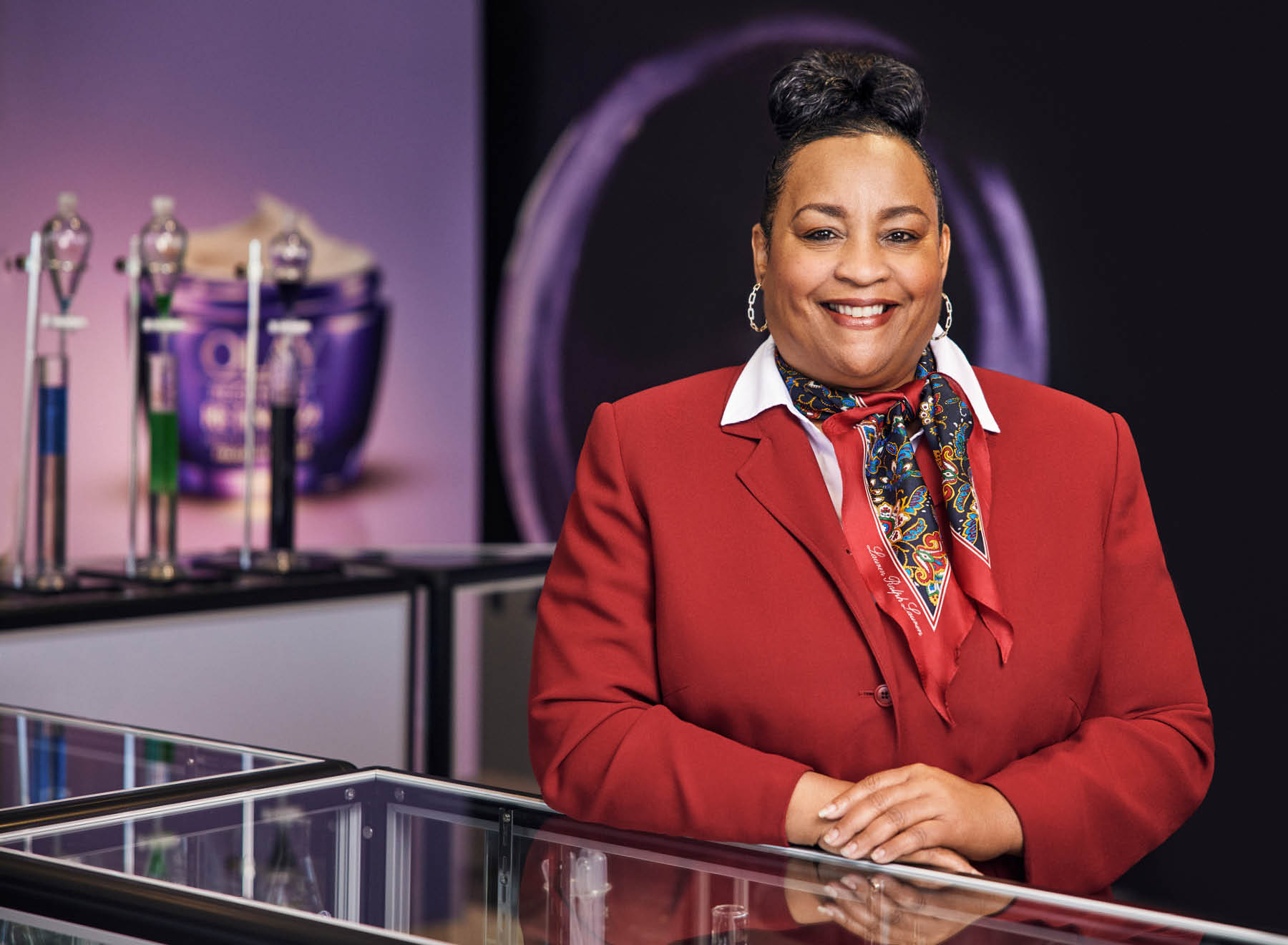
“What continues to excite me is the opportunity to lead in areas where I know there’s going to be some kind of systemic change.”
What drives someone who has already built a 38-year career at one of the world’s most recognizable companies to keep pushing? For Turner, the answer is simple.
“What continues to excite me is the opportunity to lead in areas where I know there’s going to be some kind of systemic change. I want to be a part of it all. I always believe more is possible,” she says with a smile.
For the boards and leaders Turner works with, her message is equally clear. Succession planning is one of the most powerful investments a board can make – one that compounds over years and delivers its greatest returns exactly when leadership matters most.
“Prioritize and plan ahead. That’s not just good governance. That’s a winning formula,” she says.
 RELATED ARTICLES


 Home
Home
 Podcasts
 Covers
 Be Featured
 Community