Language
You can read the magazine in one of the following languages

5-min read

 Bookmark now

 Copy Link
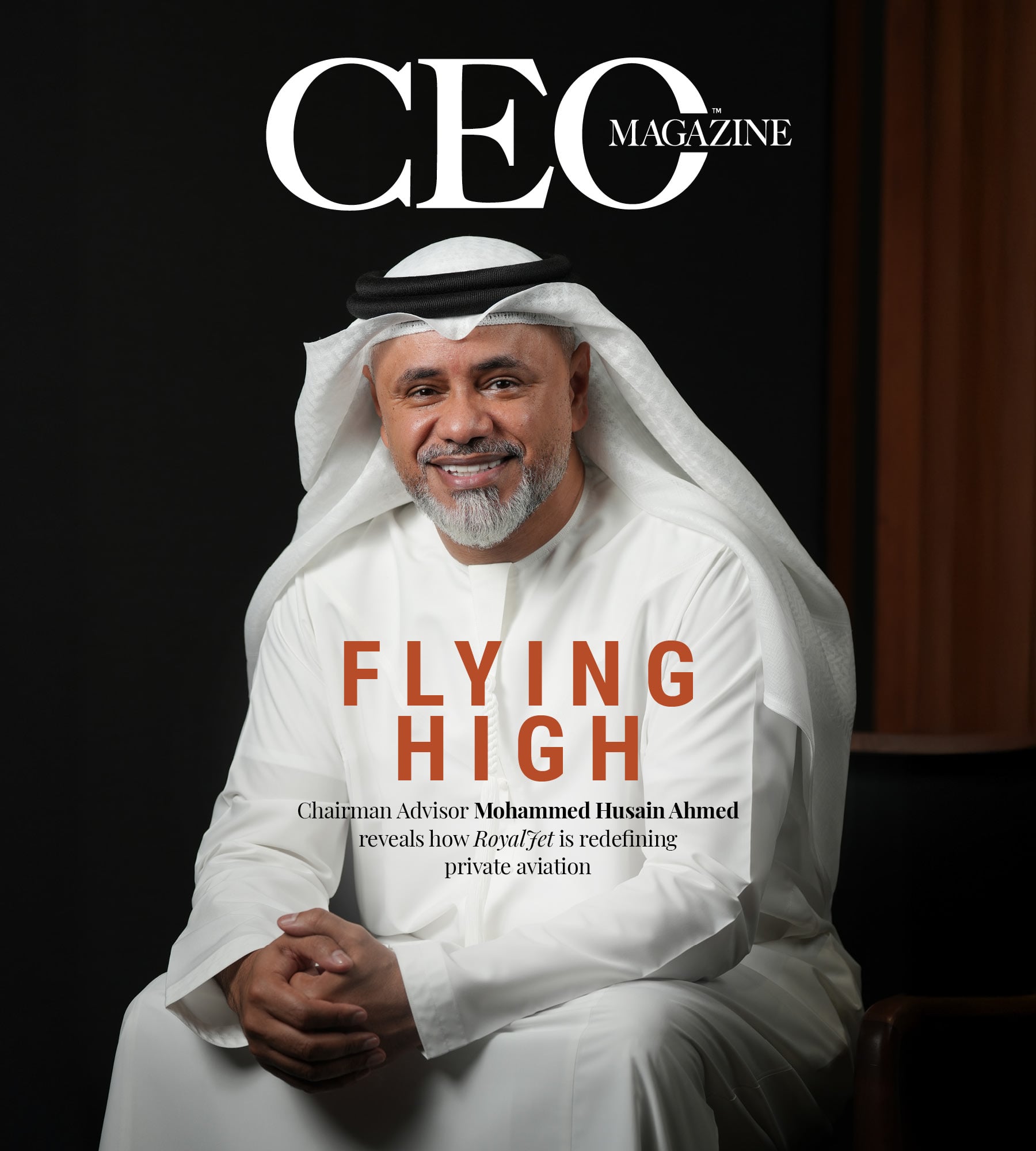
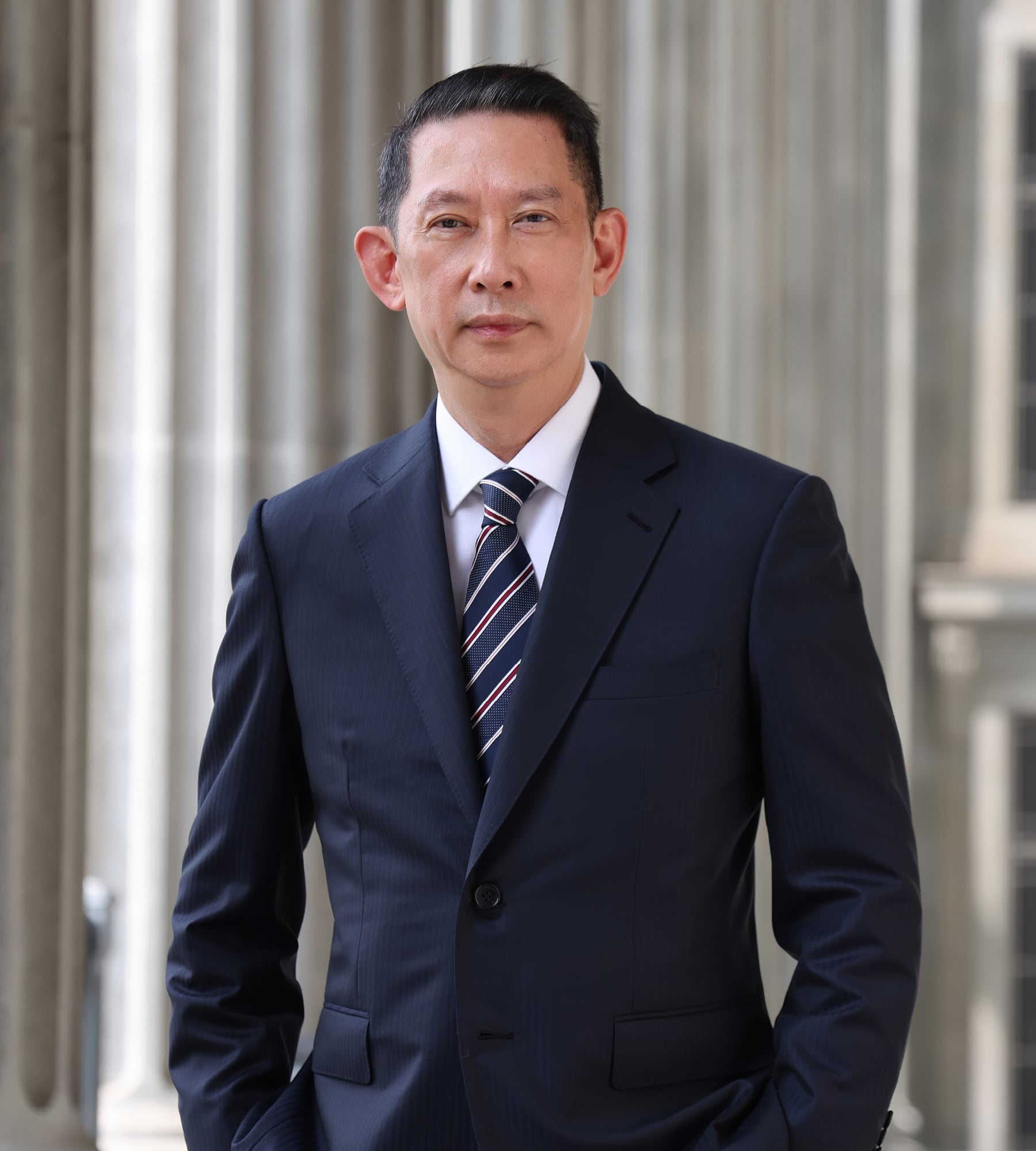
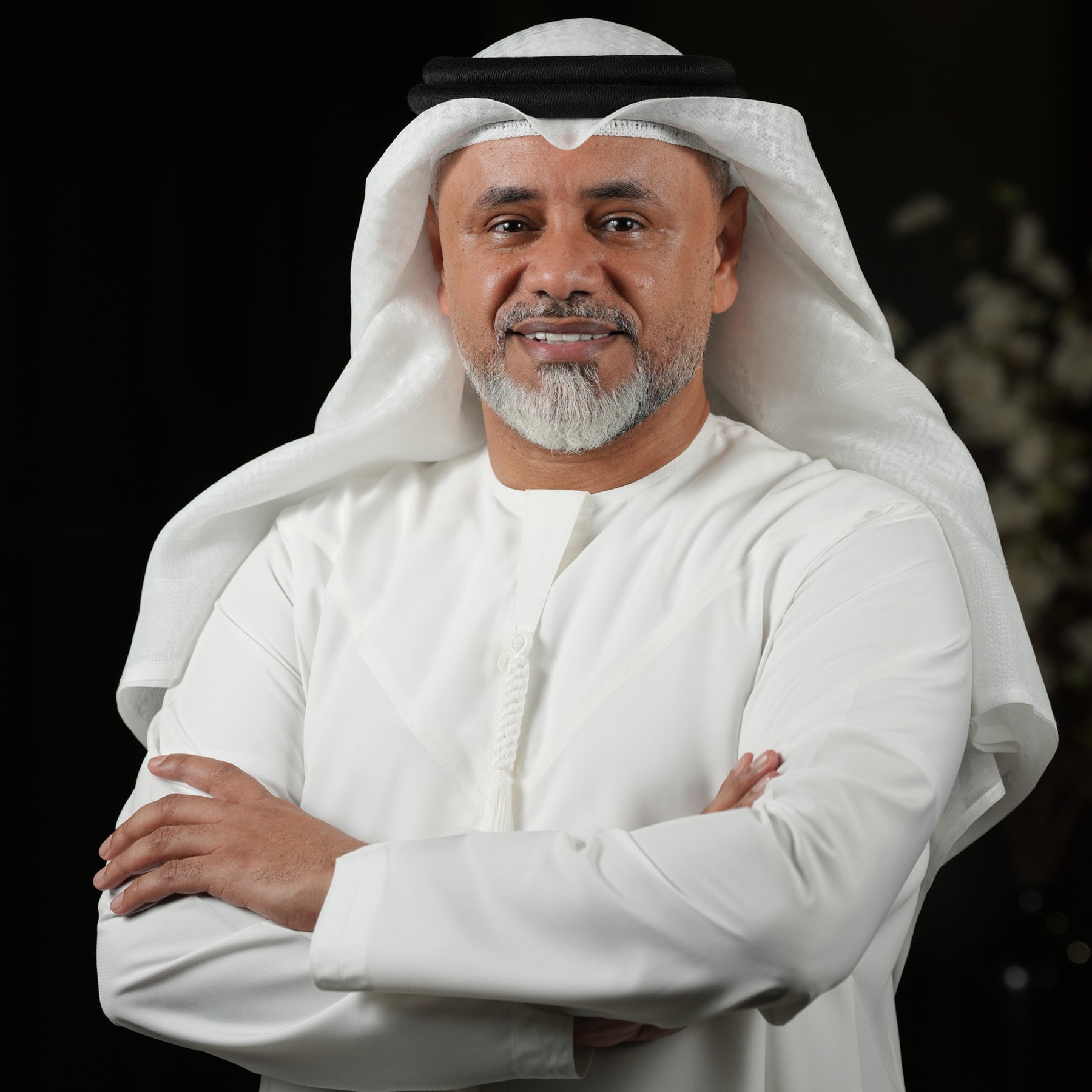
If there’s one certainty in Mohammed Husain Ahmed’s role, it’s that no two days are ever the same.
As Chairman Advisor of RoyalJet, the premium private aviation company based out of the United Arab Emirates, he and his team are used to handling the unexpected on a daily basis: for instance, a passenger announcing they now need to go to Paris – when they’re already en route to Athens.
“There’s an operation team here who can work and submit a new flight plan, call chauffeurs in Paris to ensure there are cars ready for when they land and book a hotel,” Ahmed tells The CEO Magazine.
Everything can be done – within the realms of what’s safe.
“Our team has been doing this for 22 years,” he says. “I would be surprised if they found a situation that they’ve never dealt with before.”
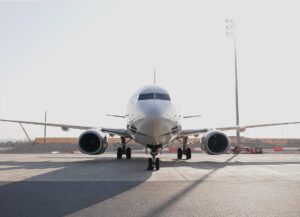
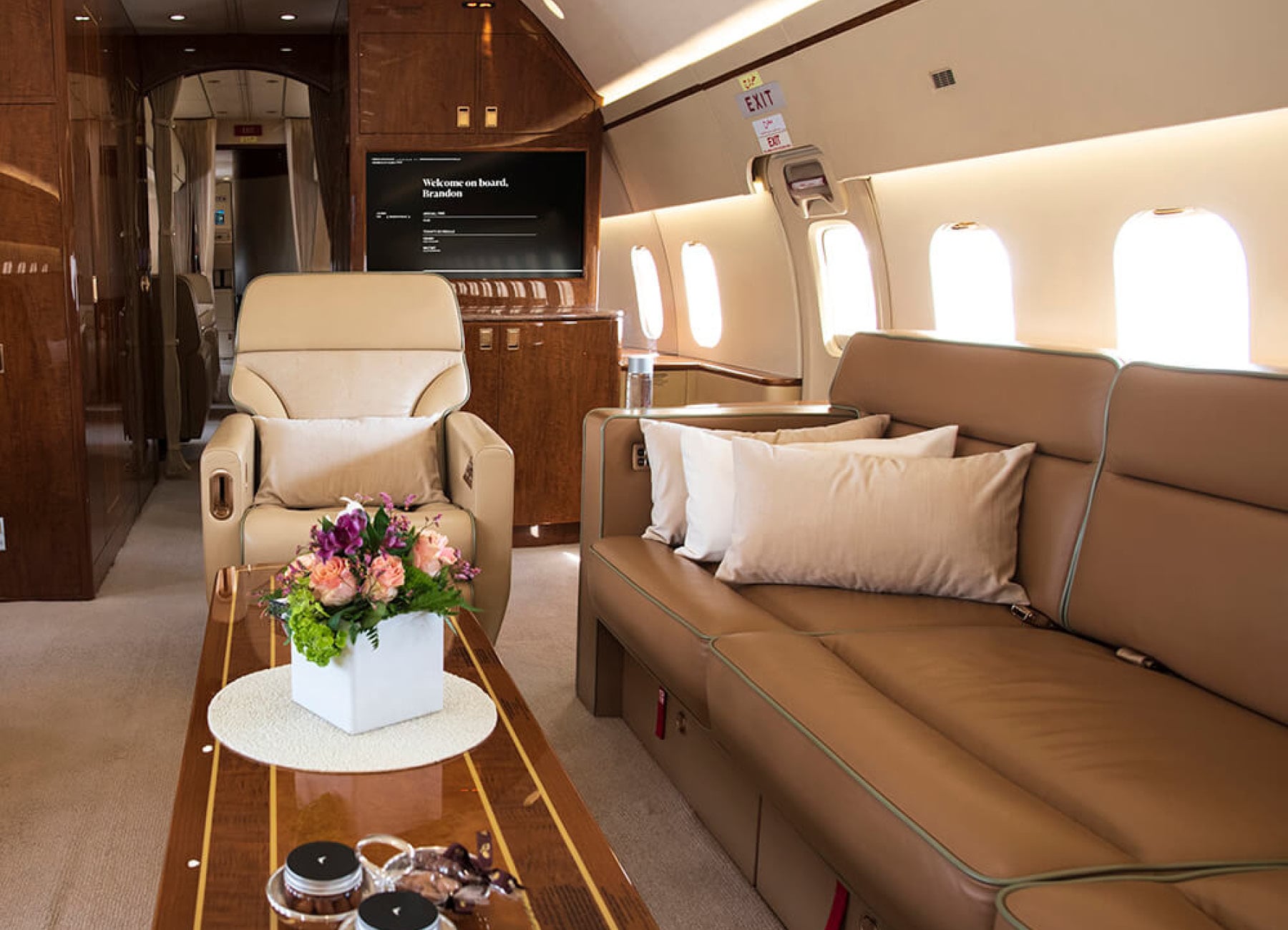
With a fleet of 10 Boeing Business Jets (BBJs) that can be configured to client needs, alongside two Bombardier Global 5000/6000, Ahmed knows that adaptability is inherent to the nature of the business.
“We’re not a scheduled aircraft, so we need to be flexible,” he says.
More than part and parcel of a private jet service, however, Ahmed explains that it’s a part of the ongoing chemistry that he believes should exist between the company and the client.
“We have a whole customer experience team working day and night to delight the customer with our service,” he says.
As one of the largest private jet providers in the United Arab Emirates, such service is crucial to the plans of becoming the leading private jet provider in the Gulf and the Middle East region – and the world.
To get there, the company is enlarging its fleet and changing the mix of its aircraft. On the order books are eight ACJ320neo, Airbus’ next-generation business jets. The first one is already delivered, with others to follow between now and 2027.
“We are also investing in fixed-base operators [FBOs] across our network,” he says.

Currently, it has an FBO at Abu Dhabi’s Zayed International Airport, with Morocco, London and Egypt up next.
The company has also started working with its partner network to enhance the customer journey by making RoyalJet a one-stop shop for any helicopters they may need between cities. The plan is to start in the United Arab Emirates, with the service to be rolled out to other countries such as the United Kingdom, Morocco and Switzerland in the future.
Whatever service the company is providing, it’s clear that RoyalJet doesn’t simply fly its customers to their destination.
“It’s about taking care of them when they arrive at their destination too,” Ahmed points out. As such, it extends a concierge assistance wherever its clients are across the globe – even if they haven’t flown RoyalJet to get there.
“Perhaps we’ll have a client who is in the United States on holiday and wants to see Hamilton in the theater,” he says. “It may cost US$1,000 but we’ll find and book the tickets, and whenever they get home they can pay us back that US$1,000, because we’re not looking for a profit out of this.”
Sector leadership is in his sights, but Ahmed knows RoyalJet is building upon a solid foundation, with no shortage of strong unique selling propositions in the market. First up is its fleet of BBJs, by far the largest in the world.
“In one day, we can fly more than 450 VIP passengers a day in these aircraft,” he says.
A bedroom and shower are among the amenities onboard. Starlink wi-fi is currently being rolled out across the fleet.
That very number of planes also means a second aircraft is always on standby, should a plane preparing to depart with a client have an issue. That assures clients that they will get where they need to go, when they need to be there.
“We put clients before contracts,” Ahmed says.
It’s a mantra th company has been able to maintain even during the recent Middle East crisis, when planes were grounded across the region.
When the situation stabilized, the team was able to engage with relevant aviation authorities to identify the right flight path and comply with all protocols. Ahmed says the team relied upon new technologies, such as AI, as well as drawing upon recent experience it gained while handling another crisis moment for the industry: the COVID-19 pandemic.
“Our flights actually increased in 2020 and 2021 compared to 2019,” he reveals.

Not only did RoyalJet have the assets, but it had also been trained to keep moving in the case of force majeure to keep VIPs, whether government representatives, other critical personnel or even food and goods moving.
“We have a strong, 10-year risk management plan, because there will definitely be instances where we need to manage a crisis in the next decade. It’s about having scenarios and planning for them,” he says.
Whatever the future holds, one thing is for certain. RoyalJet will always keep safety and professionalism in keen focus.
“Safety has to be prioritized,” Ahmed says.
His is an industry where there are only two shades: black and white.
“We work by the rules,” he says. “There’s no gray.”
That means keeping up with the flow of new regulations from aviation authorities and making sure that knowledge cascades down to the team.
“From both a business and government aspect, it’s about communication. Aviation is always about communication,” he affirms.
 RELATED ARTICLES
 SPOTLIGHTS ON LEADERS


 Home

 Podcasts

 Covers
 Be Featured

 Community