Language
You can read the magazine in one of the following languages
5-min read

 Bookmark now

 Copy Link
The Philippine aviation landscape is in a state of flux as it transitions from state control to private airport management. Manila’s Ninoy Aquino International Airport has been operated by a private consortium led by San Miguel Corporation since 2024, but a further 10 airports will fall under public–private partnerships by 2028.
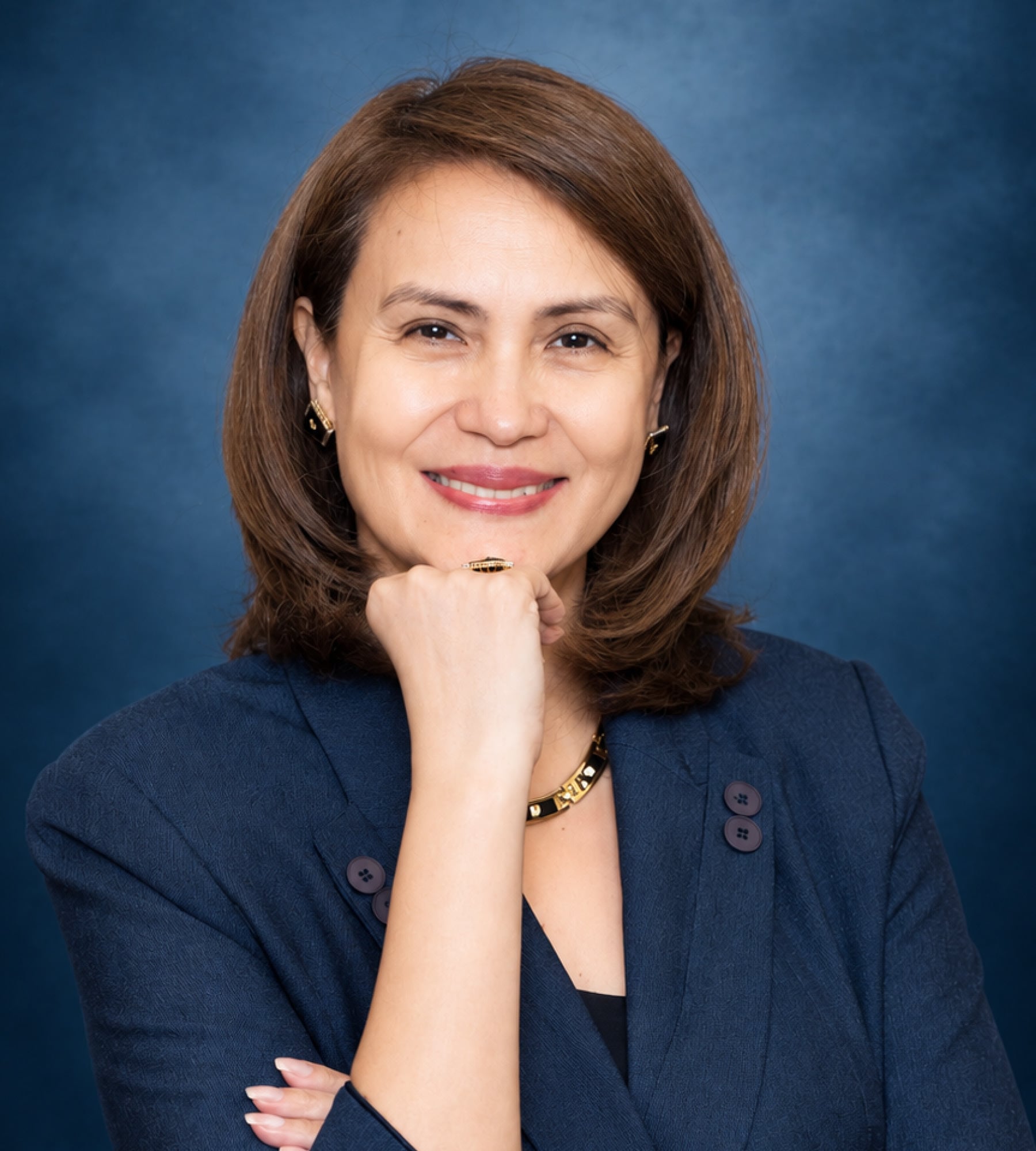
It’s a shift that promises both opportunities and challenges for air and ground travel services provider dnata Philippines as stakeholders on both sides adjust to new processes, priorities and operations, according to CEO Margaret Lim Yu.
“Gone are the ways we used to do things,” she tells The CEO Magazine. “Now, we just need to adjust to the new management.”
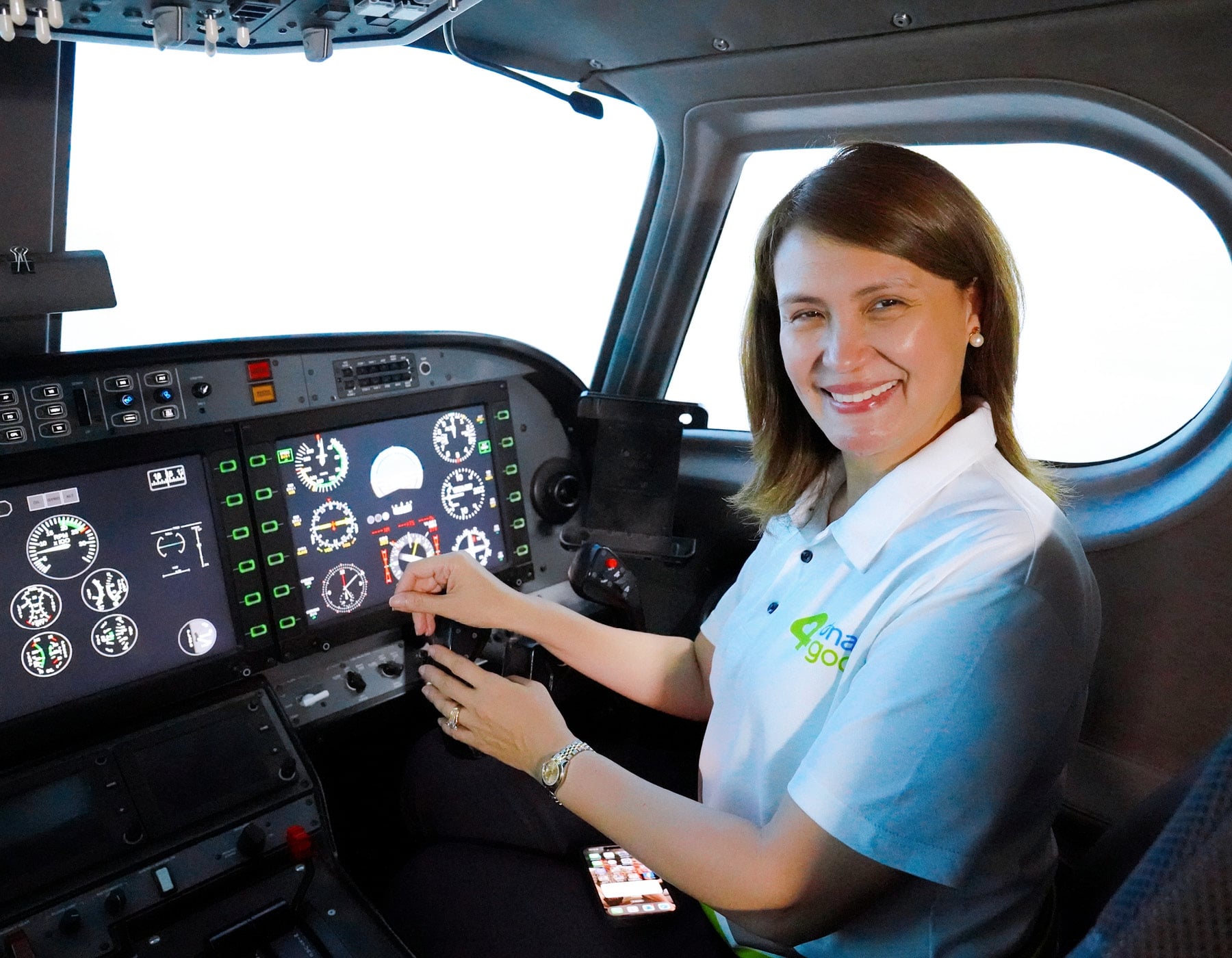
“I always say, change is good.”
An open and collaborative relationship with the new airport managers is crucial in order to share objectives and improve both passenger and cargo flow, enhancing safety and the overall airport experience in the process.
“Our expertise can also help them do things right and may make Philippine airports global players,” Yu says.
“The airport partners are very open to listening to us and working together. It was a challenge for everybody to extend the hand initially, because we were used to everything as it was and then it all changed.
“But now that I think everything has settled, and you can see the changes are really, really good. I always say, change is good.”
When Yu first stepped up as CEO in 2011, her task was a daunting one, because there was no clear direction set for the company.
“We were small back then – we only had one airline,” she recalls. “I remember telling my team in a town hall meeting that my goal was very clear. I wanted to grow this business, because by growing this business it means that you are also growing yourself.”
But before they could embark on this growth trajectory, housekeeping was required to ensure that the entire company was aligned in its purpose, with Yu urging the entire team to put their trust in her.
Advertisement
At the start, delivering results, both operational and financial, was top of mind for Yu. But in the 15 years since she took the reins, that focus has shifted to building and growing a more resilient, adaptable organization.
“Now, we operate with dnata’s global standards, but understand and respond to local entities or local reality. So there are things that might be applicable to head office or to anywhere that’s global, but in Manila, it would be different,” she notes.
She is immensely proud of the journey she has taken the company on, and also of her team.
“They all have their own mind, but it is aligned with the company’s goals,” Yu reflects. “We are transparent. We treat each other as family. We take care of each other.”
With these values now firmly set in place, dnata Philippines can confidently approach its growth targets and the rapidly evolving demands of the aviation sector.
“Now, it’s easy for us to change. It’s easy for us to move forward because we have already set the standards,” she says. “We have already set the values. We’re thinking about how to really make it big.”
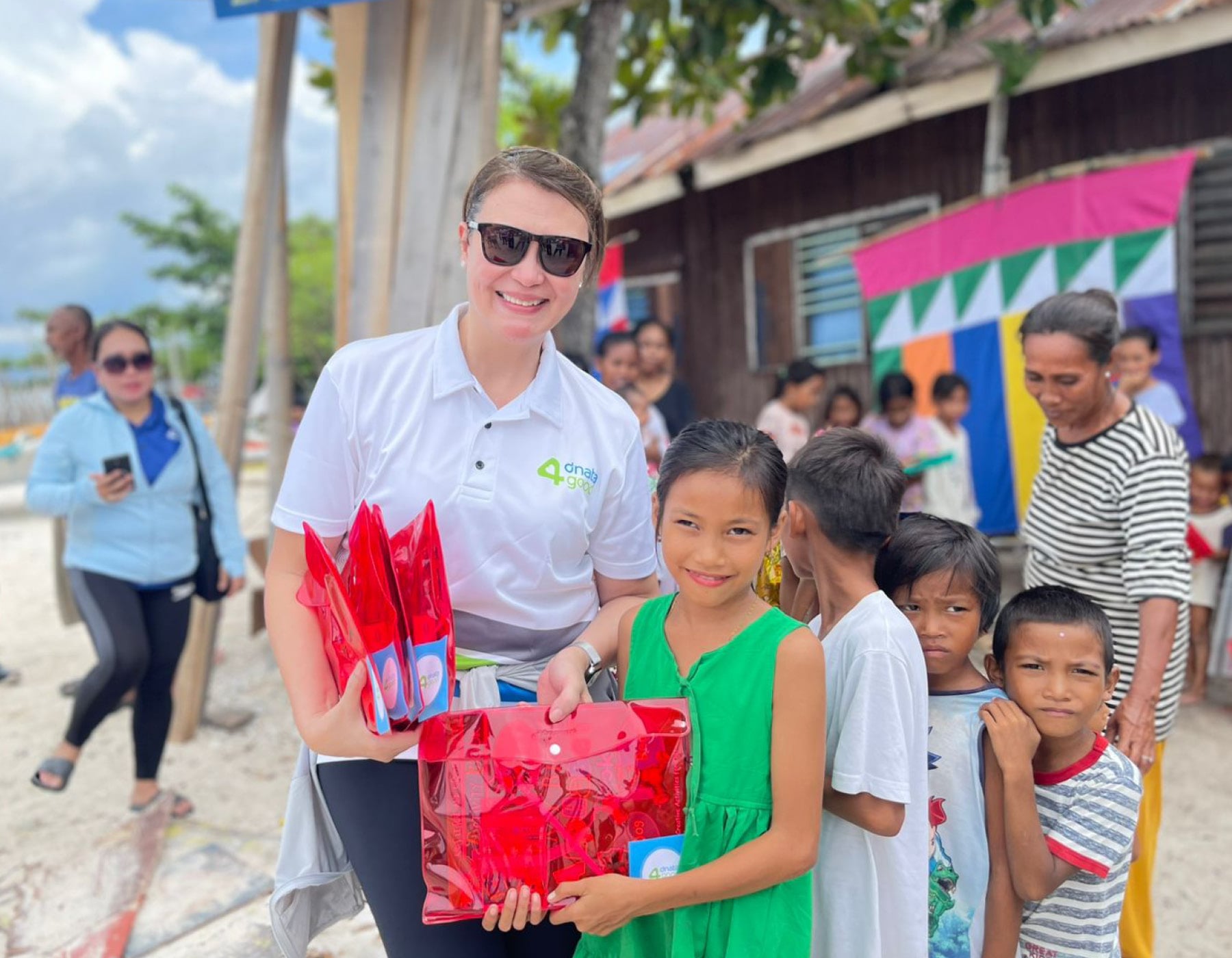
“Our work at other airports will help to teach the people and the market that Manila is not the sole airport city.”
The goal for the next five-to-10 years is for dnata Philippines to ink deals with three more airports across the country and grow its network.
“That is the footprint that I want to leave when I retire,” Yu reveals. “I believe that there’s really a great opportunity for us to be there.”
Another important part of her vision is to change the mindset around aviation in the Philippines.
“For Filipino people, when you fly out internationally, it has to be Manila. Everywhere they go, internationally, it has to be Manila,” she points out. “So our work at other airports will help to teach the people and the market that Manila is not the sole airport city. There are others that can fly internationally.”
Another airport partnership is already in the works, Yu explains, with more details soon to be revealed.
While there are other local companies playing in the same space, dnata’s standing as an international business puts its safety standards ahead of the pack, in Yu’s view.
“We follow rules, we have very high standard procedures that we follow within the global business, and we carry it out here. So our mindset, even if we’re in the Philippines and we’re all Filipinos here, we make sure that the service is delivered internationally,” she says.
“I always say customer service is hard, but once it gets into the minds of the passengers and the clients are happy, then it brings repeat business. So it’s very important for us and any recognition that goes through our way, we celebrate it because we feel that it is always down to the hard work of the team and it always motivates everybody to do better.”
As a global force, dnata has already implemented a number of pioneering sustainability initiatives across its network – many of which are ready to be rolled out across the Philippines as soon as the airport facilities are ready for them.
“On the global side, we want to be all green by the time we reach 2030,” Yu says. “This is our dream. But again, we will have to localize it.”
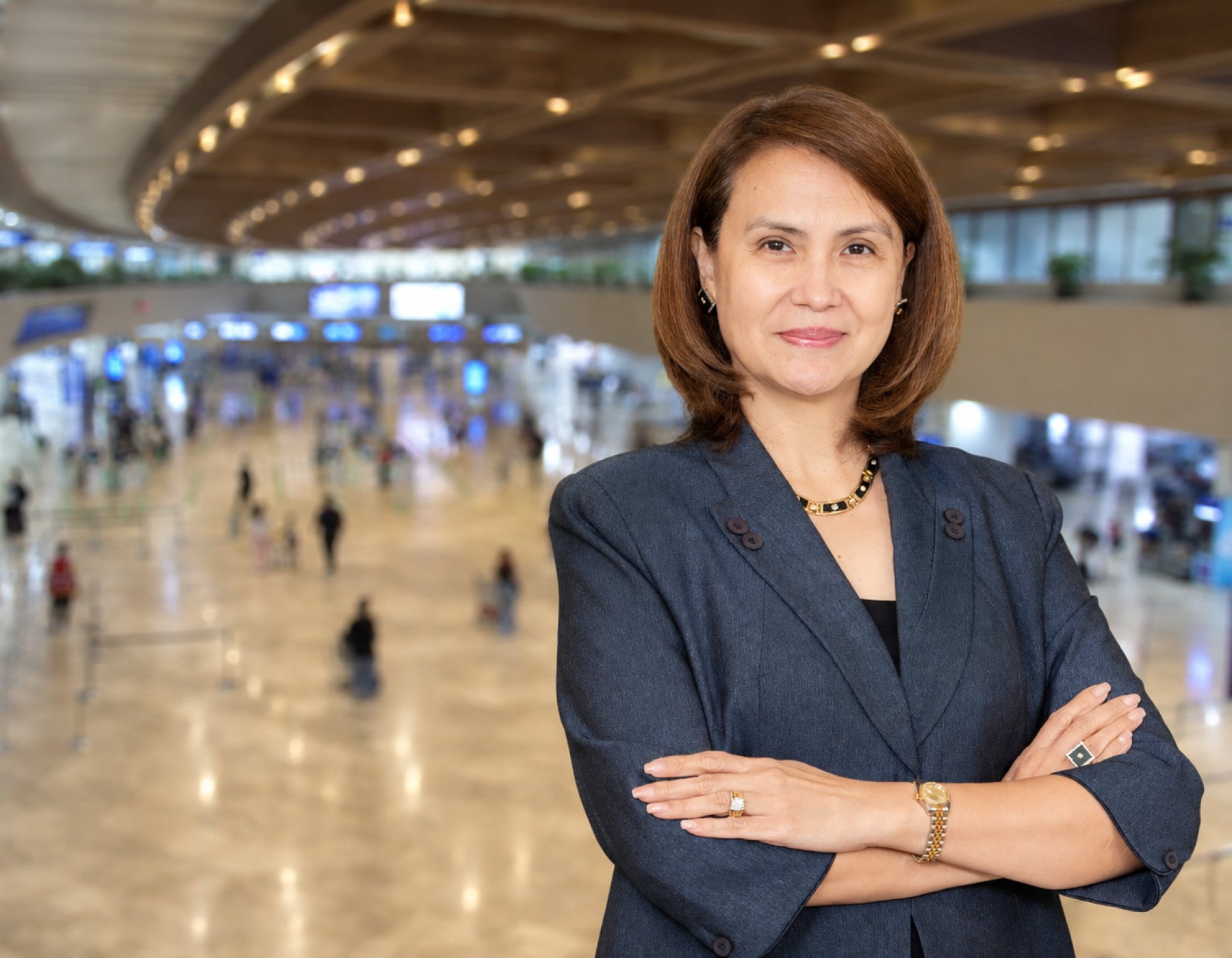
“I want to see that the legacy that I leave with these people is the passion to work.”
Among them are new types of hybrid and fully electric equipment that could drastically transform the way the company works locally. But the major hurdle in bringing these innovations to Philippine airports is a broader nationwide lack of momentum on the green front, according to Yu.
“There’s a lot of work to do,” she stresses. “We have to open people’s minds and make sure that there’s a big education piece to make people aware of the advantages of being more green. It’s a long shot, but we’re trying.”
Yu’s passion for both her company and the industry – even after 30 years, continues to propel her forward – and it’s something she is keen to share with her younger colleagues as they make their own way up through the ranks.
“When I retire in four years’ time, I want to see that the legacy that I leave with these people is the passion to work,” she says.
“It’s not about making more money, it’s more about doing a job that you really love and then everything will just fall into place.”
 RELATED ARTICLES
 SPOTLIGHTS ON LEADERS


 Home

 Podcasts

 Covers
 Be Featured

 Community