Language
You can read the magazine in one of the following languages
4-min read

 Bookmark now

 Copy Link
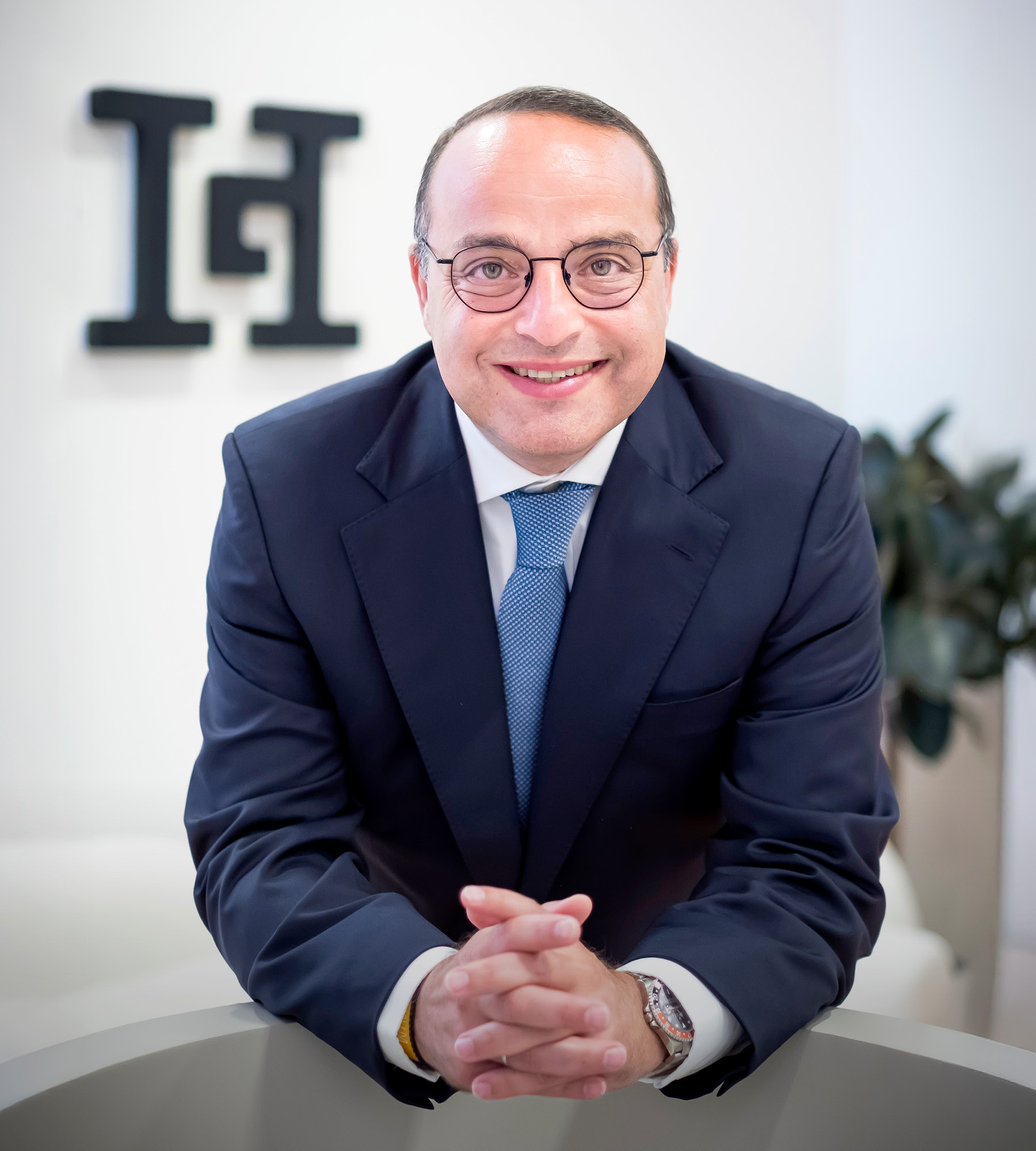
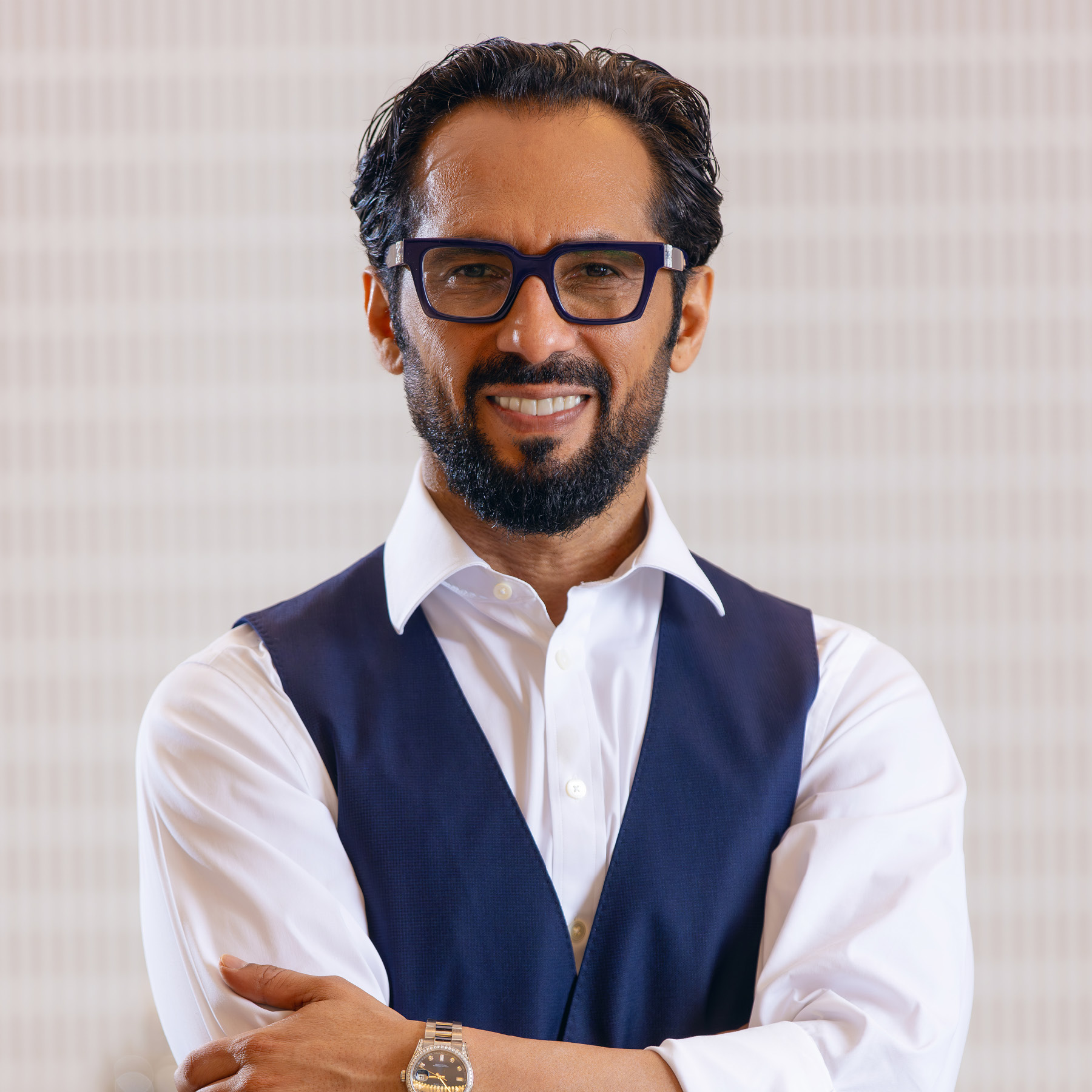
Mohammed Dewji is on a mission to harness the untapped potential that currently exists within Tanzania for trade, distribution and partnerships.
“If we do well with the liquid natural gas, Tanzania could be the next Qatar,” the CEO and President of MeTL Group tells The CEO Magazine.
“You have tourism and an agriculture-based economy; I’d say the East African region is by far the most prosperous in Africa. The country is one million square kilometers in size and is geographically well located – it’s a gateway to eastern Central Africa.”
“The whole ideology is that we touch the daily lives of people.”
Over the past 10 years, Dewji explains that Tanzania has been growing at a six percent GDP, with US$3 billion a year injected as foreign direct investment.
From humble beginnings as a small trading company founded in the 1970s by Dewji’s father, Gulamabbas, MeTL has evolved into a conglomerate spanning multiple industries and outputs. With a presence in 11 countries in Africa, including Uganda, Ethiopia and Kenya, MeTL is the largest Tanzanian-founded company that currently exists worldwide.
Growing up, Dewji spent every summer working alongside his father and became intimately aware of numerous areas of the company.
“Because I had a chance to work from the bottom up, I developed an understanding of how businesses work from the base level,” he says.
“Then, when you rise, it’s very difficult for people to misguide you because you’ve been there and have a visual of things. So that’s contributed to the little success I’ve had.”
Having left Georgetown University with a finance degree in international business, Dewji then began applying his new knowledge to his father’s company.
“I realized that at that time the per capita income was quite low in Tanzania,” he explains. “So my thought process was, ‘How do I become a successful entrepreneur in a country where the average disposable income is US$25?’
“The concept is simple. When a Tanzanian wakes up in the morning to brush his teeth, I’m selling toothpaste and toothbrushes. He walks into the shower, and he uses the soap I’ve sold him.
“He sits at the breakfast table and eats the bread made from flour we’ve manufactured and drinks water I’ve sold. I manufacture bicycles, two-wheeler motorcycles, the fuel they use and even the clothing they’re wearing. A soft drink at lunch, a cup of tea in the afternoon.”
With such a monumental range being manufactured or sold by MeTL, it’s inevitable that Tanzanians are utilizing at least some – if not all – of these products every day.
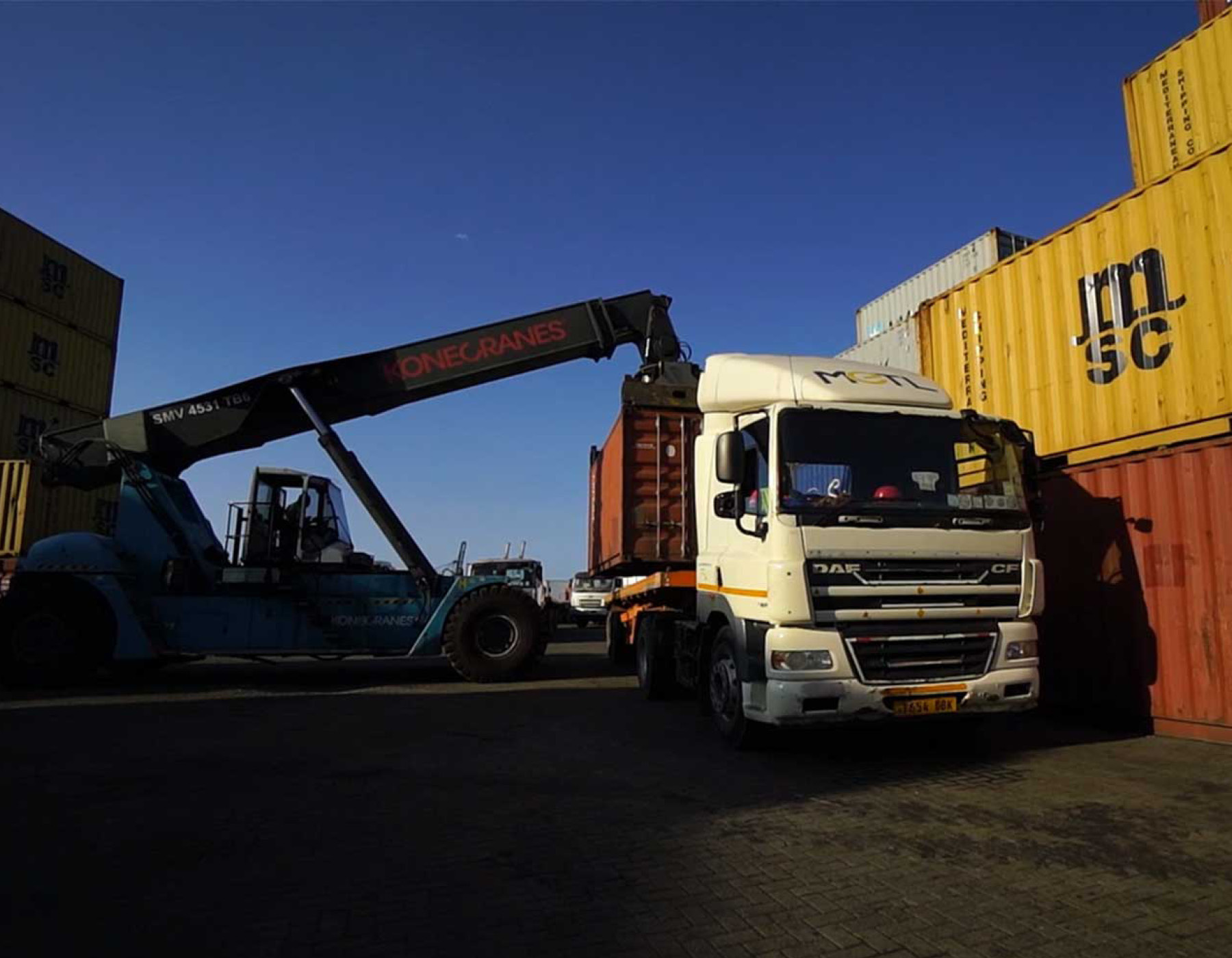
“The whole ideology is that we touch the daily lives of people,” Dewji continues. “The business has many silos. So you name it, anything under the sun that potentially is not manufactured in East Africa, we import, we sell and we represent international brands.
“We also export anything and everything found in the country – we are a commodity trading house. We are in a lot of manufacturing, fast-moving consumables, from having the largest edible oil refinery in Africa to grain milling, plastics and cotton.”
And by implementing backward as well as forward integration, MeTL is able to guarantee the success and quality of the whole supply chain.
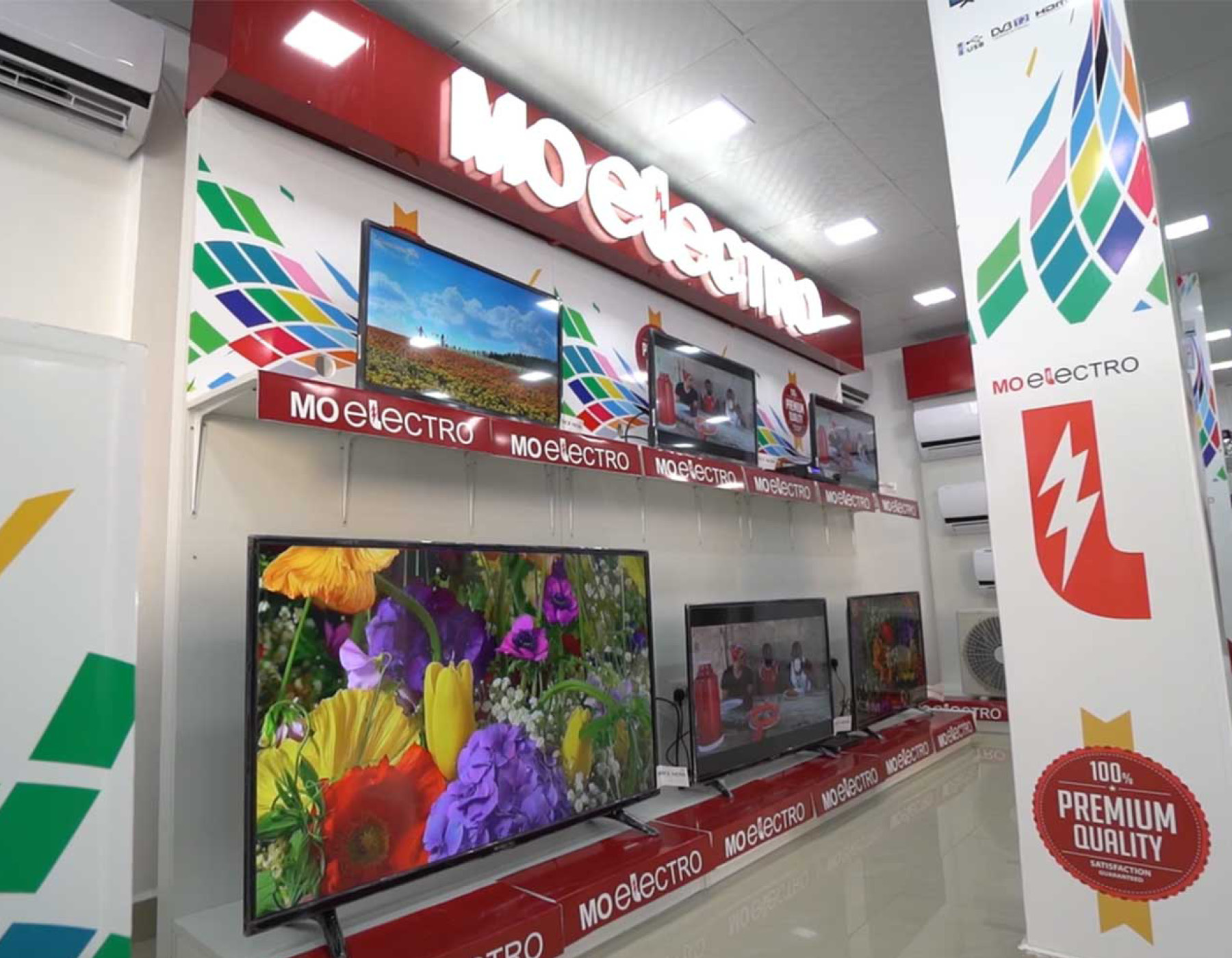
“For example, if you look at our carbonated drinks, they’ve been packed in corrugated boxes, so now we manufacture corrugated boxes,” Dewji explains. “We have countrywide outlets, high city infrastructure, warehouses and thousands of vehicles.
“So it becomes very difficult for multinationals to come and compete with us because we have a large basket of products.”
“I believe what has made MeTL successful is not only selling good-quality products but also doing it at a very competitive price.”
Revealing that this development has been a vital part of MeTL’s ongoing strategy, Dewji believes there’s even further to go in the future.
“The word ‘outsourcing’ in India or in the United States might sound very sexy, but in Africa outsourcing becomes very, very difficult,” he says. “We try to bring all those solutions under one umbrella, and I think that has made us successful.”
For such a substantial operation and even with the degree of involvement MeTL has along every stage of the supply chain, strong partnerships are essential to the company’s ability to succeed.
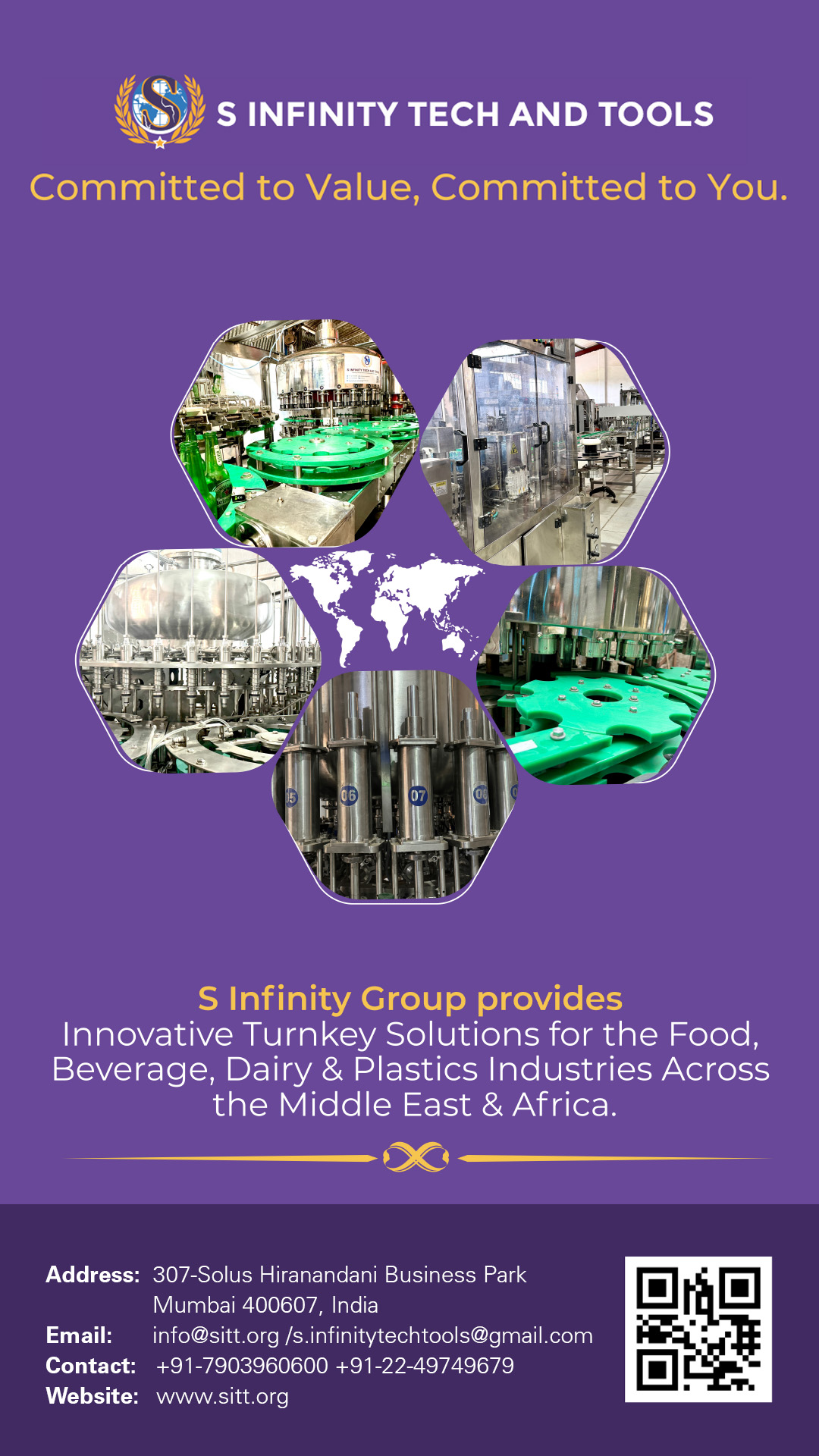
Thanks to involvement with highly trusted companies, including Deepak Padman Impex, which specializes in matchboxes and other packing containers, as well as S Infinity Tech and Tools, a turnkey project solutions provider for the beverages and plastic industries, MeTL has ensured a thriving ecosystem.
“It’s a win–win situation at the end of the day,” Dewji enthuses. “If I succeed, they succeed. It’s how you get the highest quality of product and a stable supply chain with timely shipments treated as a priority.
“We have very strong relationships with all of them, and we work in collaboration to strengthen them.”
For Dewji, it ultimately boils down to the fact that the company is fulfilling its primary aim to help the communities it operates within.
“When you have full sight over the value chain, that’s where you can bring efficiency,” he says. “That is where you can control costs. I believe what has made MeTL successful is not only selling good-quality products but also doing it at a very competitive price.
“We believe in humility and sincerity. We believe that as much as profits are good, our purpose is to give back to Africa in terms of employment and impact, and try to solve problems by producing high-quality products that are affordable.”
“When you have full sight over the value chain, that’s where you can bring efficiency.”
Returning to his initial point about the opportunities available within the region, Dewji emphasizes that investors should seriously consider venturing into the market with MeTL.
“Our message is very simple. We are open for partnerships, supply–buyer partnerships,” he concludes. “If there’s anything they want to co-invest with us in terms of joint ventures, we are very open to that in terms of logistics and distribution.
“If they want their products to be sold in eastern Central Africa, we are open to that. In terms of areas, we are very agnostic.”
 RELATED ARTICLES


 Home
Home
 Podcasts
 Covers
 Be Featured
 Community