Language
You can read the magazine in one of the following languages

5-min read

 Bookmark now

 Copy Link
A handful of giants have long dominated the United States parcel delivery market – their brand names absorbed into everyday business language. But with disruptors shaking up every aspect of a world that was once so structured and predictable, the way people and companies approach deliveries is changing, too.
Competition around speed, price, flexibility and convenience is heating up, driven by a generation of ever more demanding customers. With conditions ripe for another player to swoop in, alternative carrier OnTrac is perfectly positioned to step up, according to CEO Michael Brown.
As the number one alternative carrier network, the company has evolved from its regional roots through expansion across the United States and is now presenting itself as a genuine alternative to the giants of old. The numbers back up this confidence.
In 2025, the company grew its shipper base by close to 40 percent year-on-year. Today it works with eight of the top 10 ecommerce companies and 400 out of the top 1,000.
“We’ve built and we’ve been the number one alternative network to UPS and FedEx for several years,” Brown tells The CEO Magazine.
“We cover 70 percent of the United States postal codes, more than 75 percent of the population. We have a true seven-day-a-week network, operating coast to coast, including weekends with fewer surcharges and up to 35 percent savings versus traditional economy services.”
OnTrac’s offering extends from packages weighing less than half a kilogram through to 68 kilograms – a breadth that enables it to take on considerably more of a shipper’s parcel requirements than many regional alternatives. Yet scale is only part of the equation.
Speed has been built into the network rather than treated as a premium add-on – something Brown believes will only become more important as consumer expectations continue to rise.
“Consumers are always going to want items faster and shippers are going to want to be able to afford the cost of speed,” he says. “And that’s where OnTrac as a company is really positioned well.”
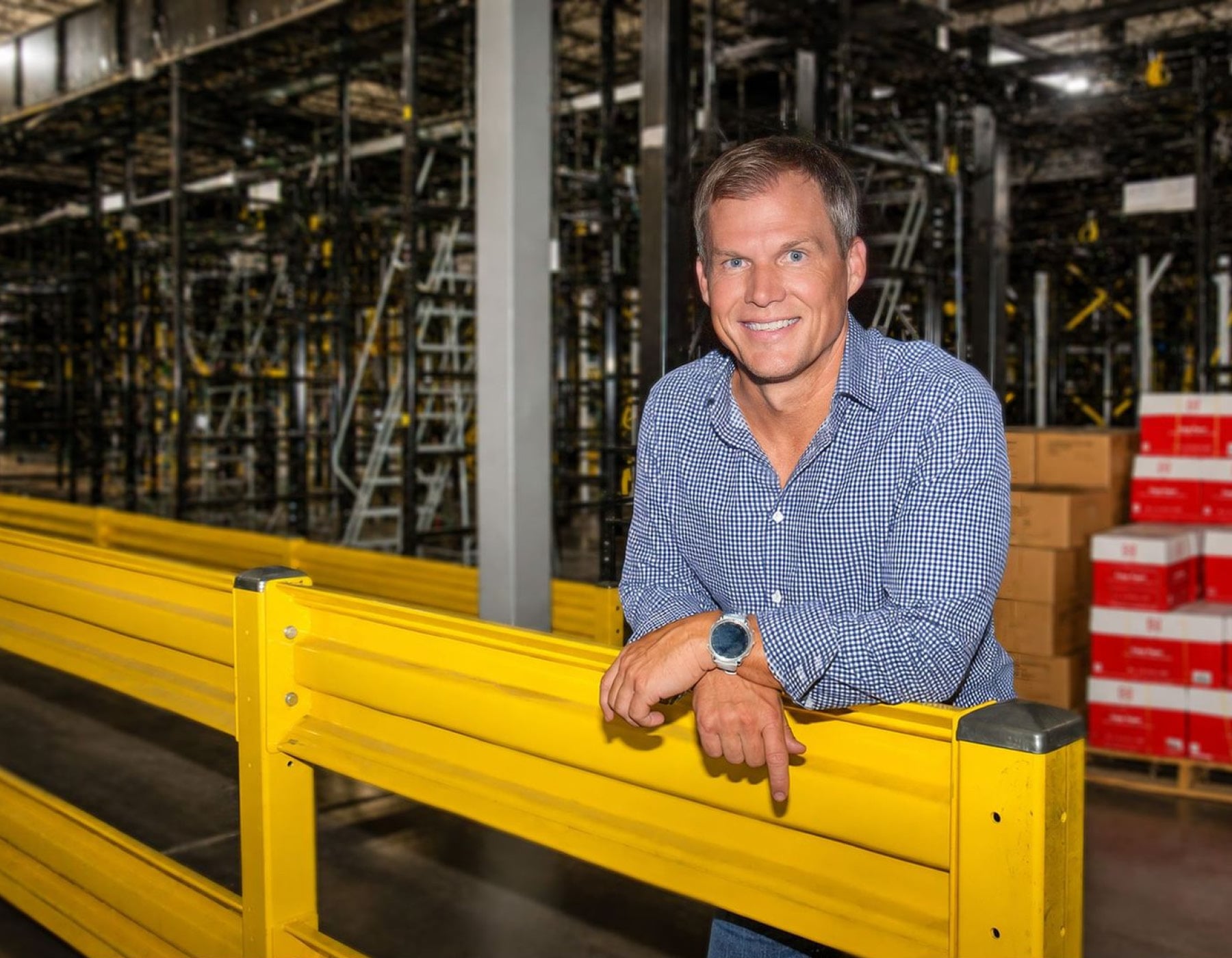
“Our deliveries are easier to predict because we operate every single day.”
Because the company operates seven days a week, a missed Saturday delivery does not automatically roll over to Monday.
“Our deliveries are easier to predict because we operate every single day,” he says.
With no additional premium attached for this upside, OnTrac is raising the bar for quality in more ways than one.
“We don’t charge for Sunday deliveries. We don’t charge for same day or next day. There’s no trade-off for our customers,” Brown stresses.
“Whether shippers say speed is important or not, they need it, without any question.”
However, speed means little if it comes at the expense of service. That’s why OnTrac is simultaneously investing heavily in quality, including the rollout of its Perfect Delivery Rate (PDR), a new approach to measuring last-mile performance using 17 metrics across a single package’s journey.
The intention is to connect those measurements with customers’ own metrics, providing near-real-time visibility into problems such as damaged or lost packages as well as proof of delivery.
Unlike traditional carrier metrics that focus primarily on on-time delivery, PDR evaluates the complete delivery experience – from pickup and shipment visibility to communication and successful delivery execution.
“The more that we’re open about our performance opportunities, the faster we’re going to solve issues,” Brown says. “And I think that’s where we can really be distinctly different to our peer group overall.”
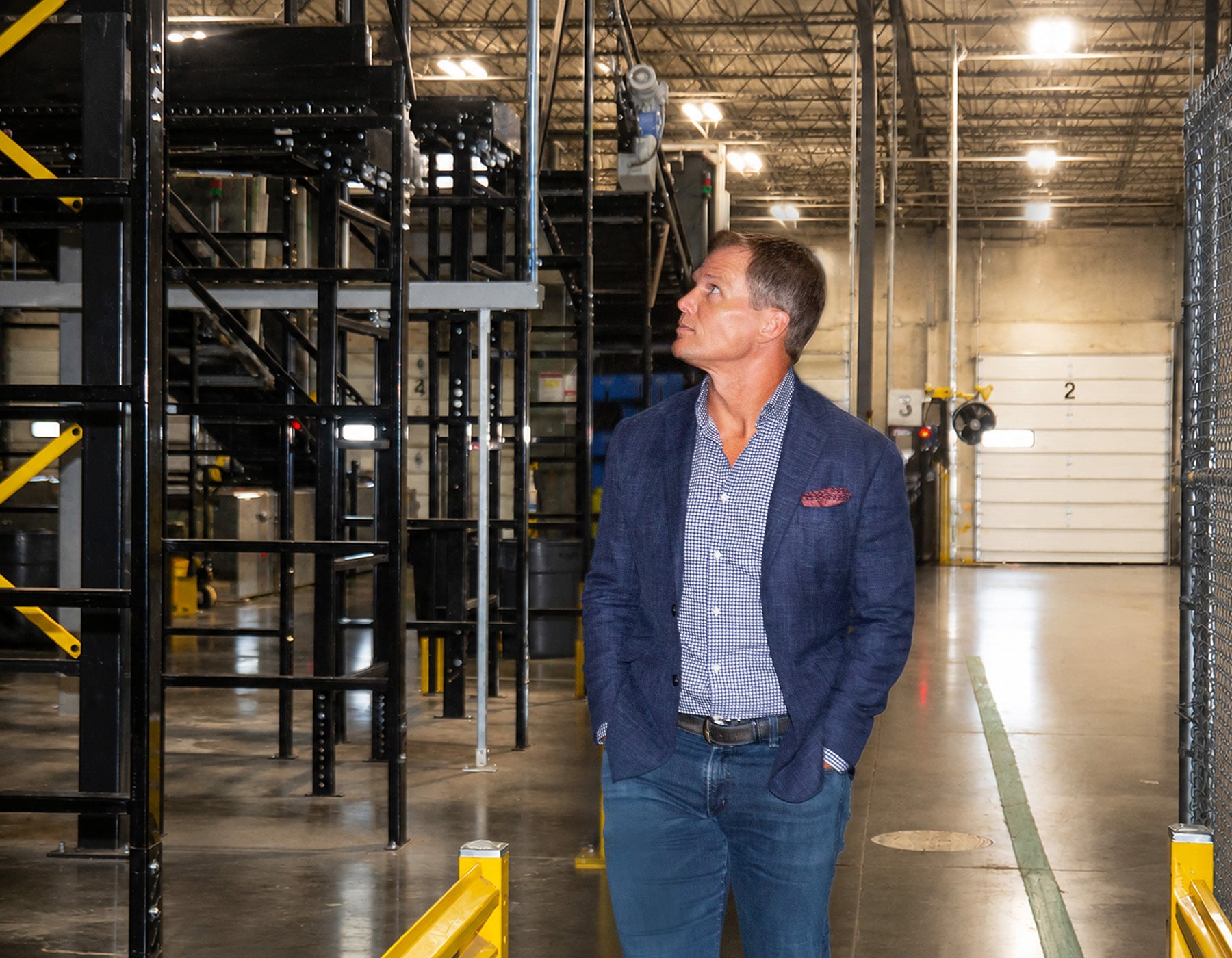
“The more that we’re open about our performance opportunities, the faster we’re going to solve issues.”
Technology represents another opportunity to create distance from established rivals, with Brown convinced that decades of legacy systems have left significant ‘tech debt’ across traditional logistics businesses.
By contrast, OnTrac is moving toward an AI codebase with plans to rewrite its technology stack over nine months. Additionally, it most recently announced a new CTO to advance an AI-enabled strategy spanning operations, customer solutions, automation, analytics and enterprise systems.
“I envision a future where we will be able to sit down in a customer’s quarterly business review, they ask for a change and we make it literally while we’re sitting in front of them,” he says.
Such agility could allow the company to continuously add features without slowing down business operations or hiking its investment in transformation.
“It gives us the permission to constantly experiment and innovate at a very low cost,” he explains. “And I think that’s going to be a big competitive advantage for us.”
Underlying those investments is a philosophy Brown wants embedded across the organization: “Every customer, every package, every day really matters.”
Rather than treating customer relationships as the responsibility of the commercial team alone, OnTrac is increasingly bringing operations directly into the conversation. Its control tower gives customers a single number through which problems can be addressed, while regional operations teams now participate alongside commercial colleagues in customer business reviews.
“We’re having a holistic conversation with them in much more real time about what is happening in terms of operations,” Brown says.
“Where do we need to improve? What can they do to help us improve collectively beyond just the commercial terms and commercial discussions that happen?”
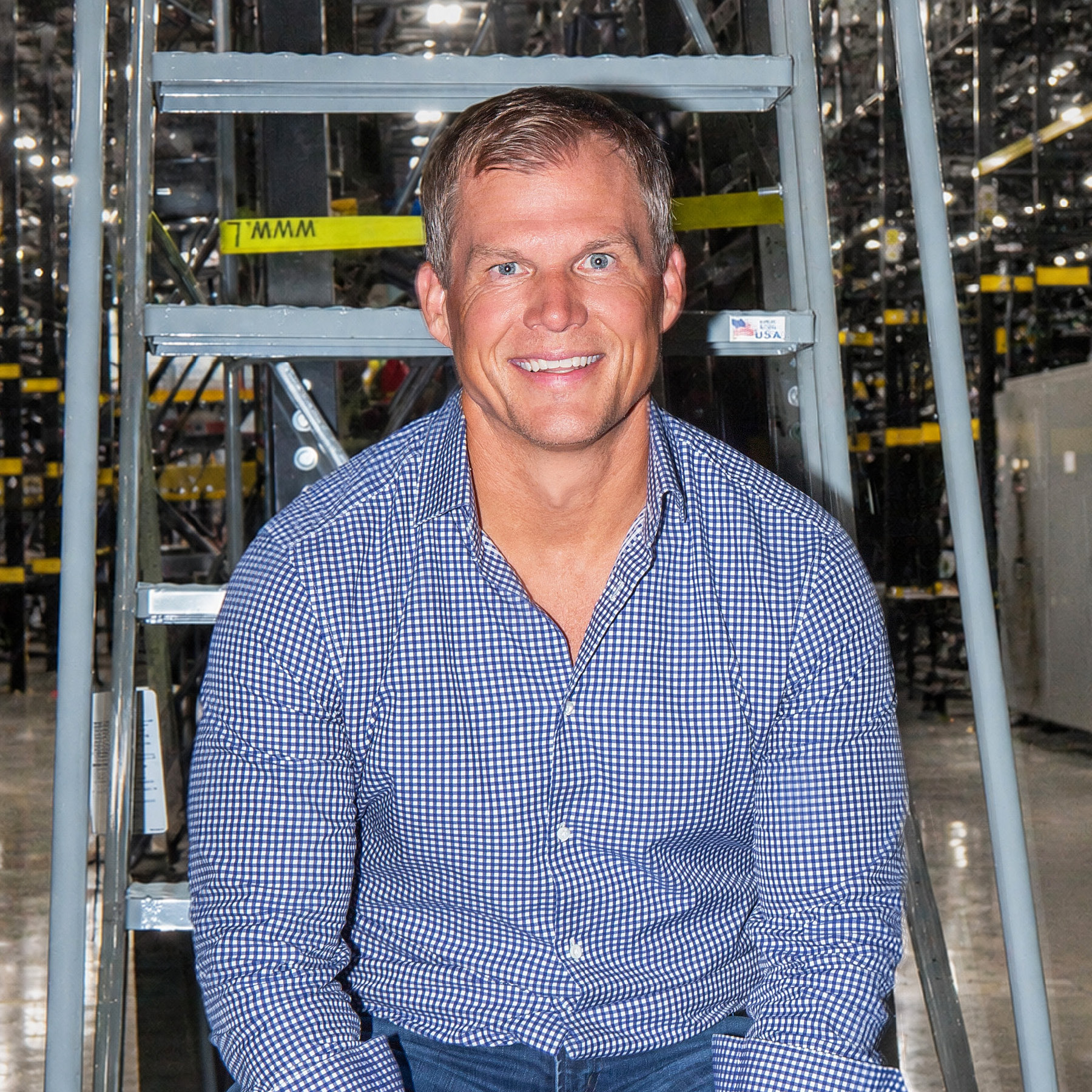
“You either have fire and passion to win – and more importantly, not to lose – or you don’t. And I hate to lose.”
Relationships are also being strengthened further down the organization, connecting hub, branch and line-haul leaders directly with their counterparts within customer organizations. For Brown, that ability to behave as part of a customer’s team is a strategic differentiator.
It also reflects his broader approach to leadership, instilled in him at a young age having grown up in a small town around 80 kilometers from Chicago, where his father and uncle ran a heating and plumbing business and his grandparents owned a farm.
That experience of working together still shapes his vision of the kind of organization he wants OnTrac to become.
“Culture is really what you tolerate,” he says. “Standards are enforced by action and not statements.”
That means prioritizing people with the drive to turn principles into performance rather than simply collecting impressive credentials. Leadership behaviors can be developed, Brown believes, but there is one quality that can’t be manufactured.
“You can’t teach fire,” he says. “You either have fire and passion to win – and more importantly, not to lose – or you don’t. And I hate to lose.”
 RELATED ARTICLES
  SPOTLIGHTS ON LEADERS


 Home
Home
 Podcasts
 Covers
 Be Featured
 Community