Language
You can read the magazine in one of the following languages
5-min read

 Bookmark now

 Copy Link
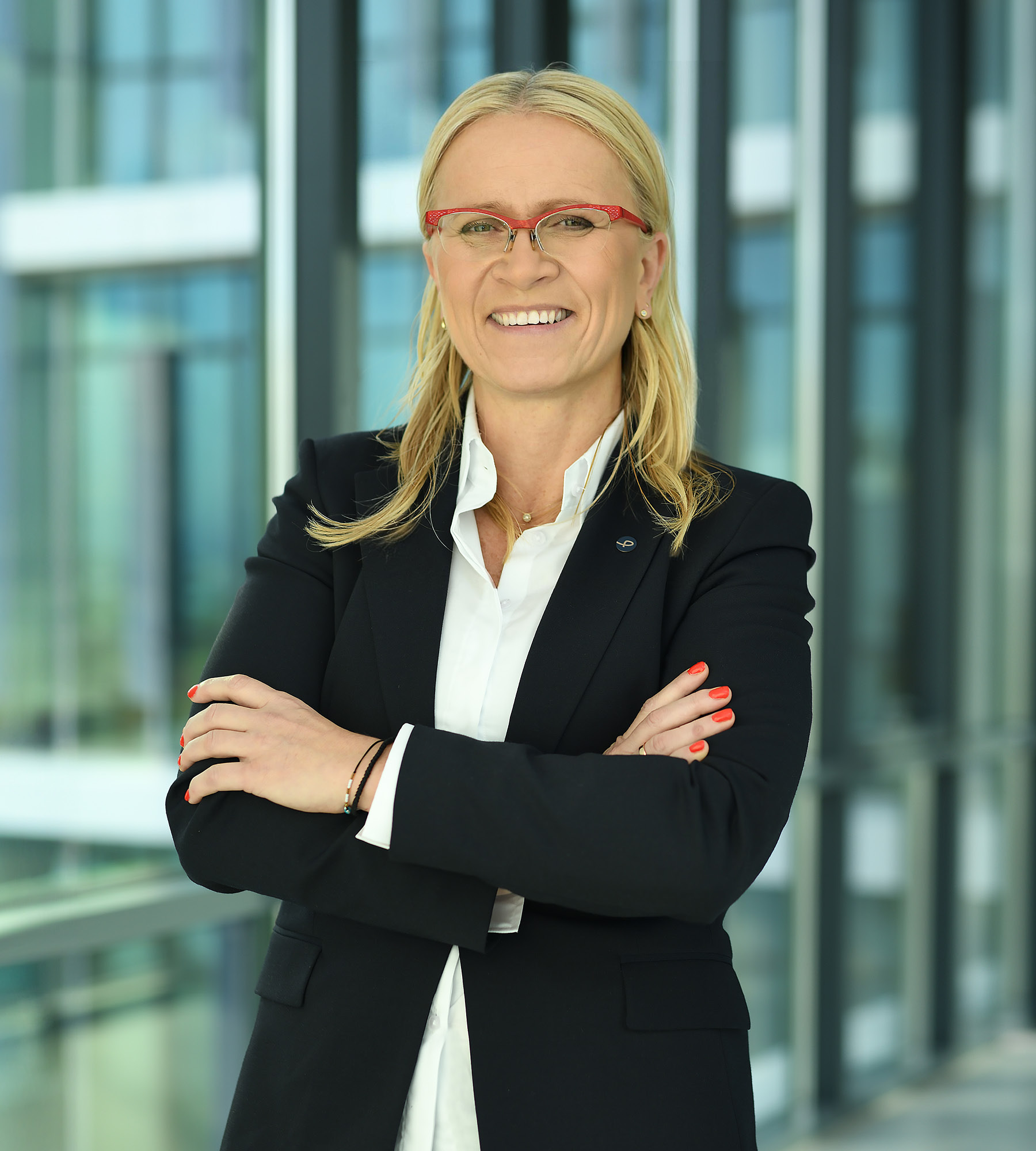
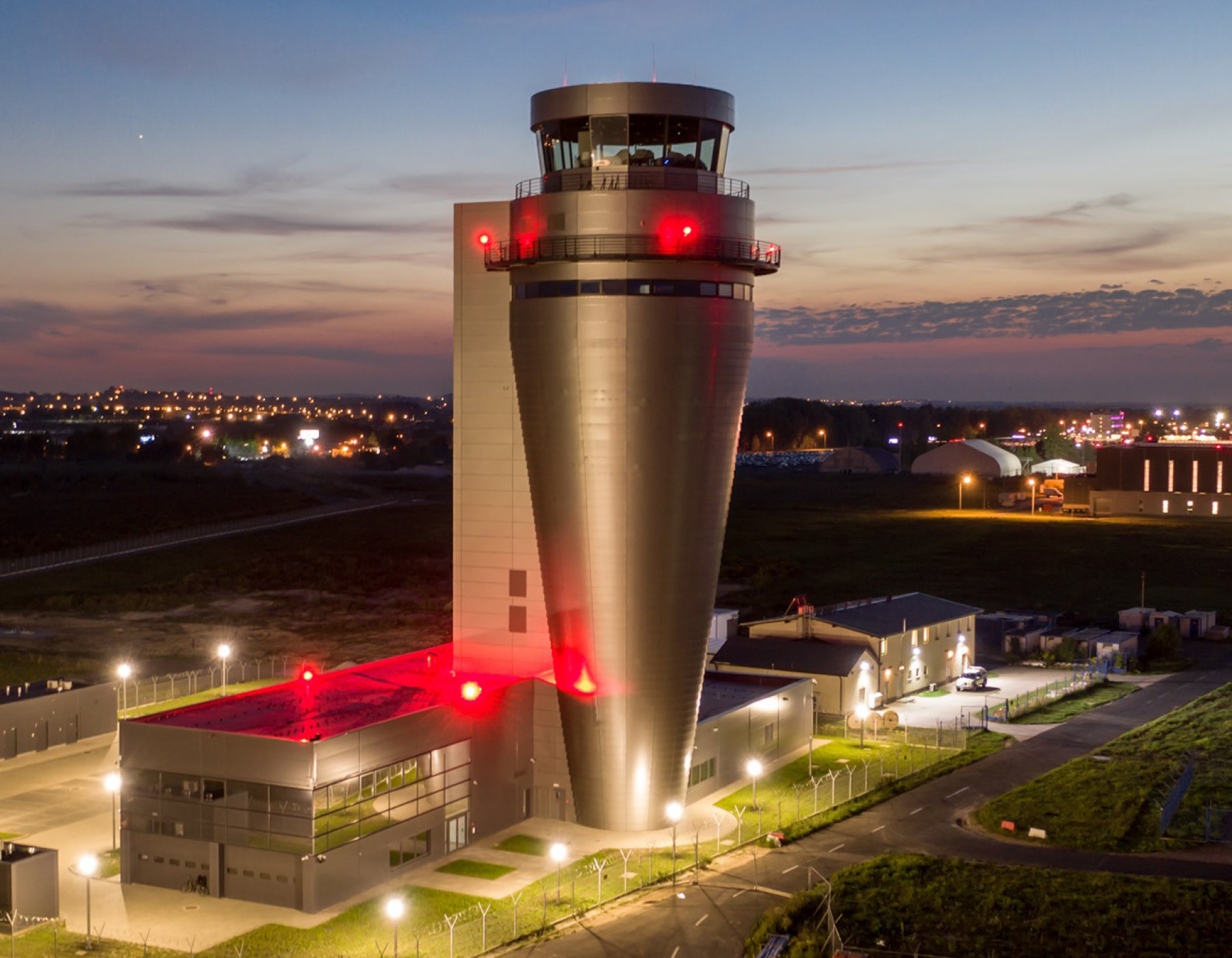
Poland sits at the edge of Europe’s busiest flight corridors and on the doorstep of a warzone. Yet its skies remain orderly, controlled and quiet. That silence is by design. It’s the work of the Polish Air Navigation Services Agency (PANSA), led by CEO Magdalena Jaworska-Maćkowiak, who has returned to the role nearly a decade after first holding it.
In conversation with The CEO Magazine, she says her entry into aviation was far from deliberate.
“Honestly, it was kind of a coincidence,” she admits.
Coming from road and transport infrastructure and asked to support investment projects at PANSA, she recalls immediately feeling the pull of the industry.
“It was love at first sight,” Jaworska-Maćkowiak says. “It’s quite easy to love aviation once you’re in.”
That love has since evolved into a clear mission: protecting the systems that keep aviation running, quietly and securely. Unlike airports or airlines, air navigation services operate almost invisibly by design.
“We should not be too loud. We should not be too visible,” Jaworska-Maćkowiak says. “This is critical infrastructure. This is the critical state security business.”
“If no-one hears about us, it means we’re doing our job right.”
In this sector, silence is a sign of success.
“If no-one hears about us, it means we’re doing our job right,” she confirms.
But when conflict unfolds just beyond the border, even silence takes work.
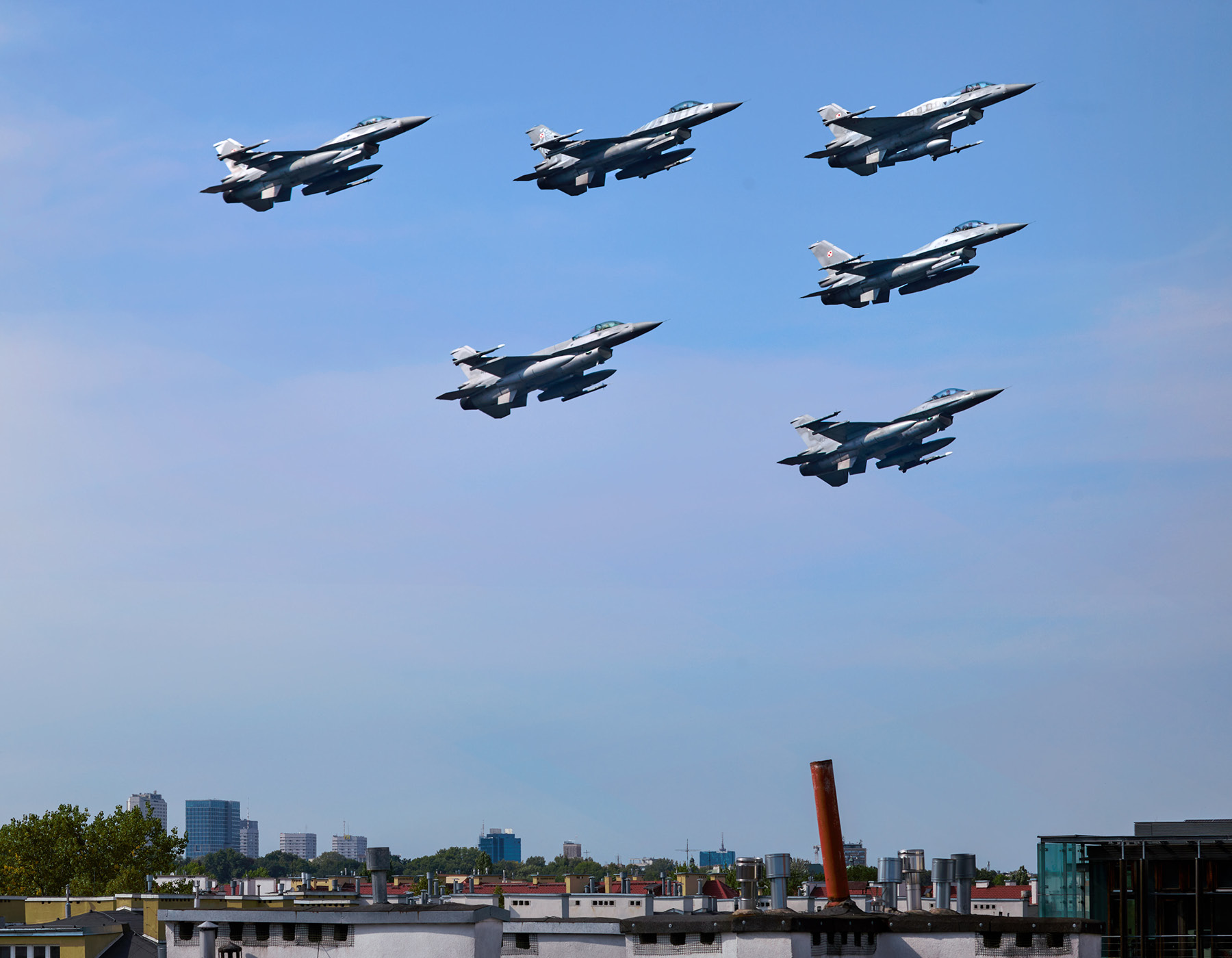
“The aviation industry in Poland, since we share a border with Ukraine, is something entirely different today,” Jaworska-Maćkowiak explains.

While PANSA doesn’t control military flights, it must still adapt instantly to their needs.
“Whenever the military needs something, they ask us to put a few restrictions in place,” she says. “Within minutes, we find a way to move the traffic around.”
While she acknowledges that all airports must overcome challenges, most don’t experience this pressure. Yet PANSA must ensure civil flights continue, military operations remain protected and passengers never notice the complexity beneath them.
Behind that calm surface is a system that depends on precision and a leader who sees technology not as a tool, but as a trusted partner.
“We are standing on two legs: people and technology – in that order,” she says.
Safety, Jaworska-Maćkowiak insists, isn’t imposed from the top.
“This is a bottom-up and top-down approach at the same time, and it’s our culture,” she notes, adding that trust is at its core. “If there are any weak signals, they just let me know. Our team doesn’t remain silent.”
Cybersecurity is equally critical. With support from Poland’s military Cyber Command, PANSA has built multiple layers of defense.
“This is unique because the state helps,” she acknowledges. “We are double or triple-checked, even.”
But security doesn’t exist in isolation. In aviation, safety also depends on the strength of cooperation.
“The aviation industry is beyond borders,” Jaworska-Maćkowiak explains, adding that PANSA coordinates with neighboring air navigation agencies and collaborates closely with airlines and airports.
“The PANSA Operations Director has a counterpart at nearly every airline, and that connection leads to excellent cooperation.”
Industry partnerships are just as vital. PANSA works with air traffic management solutions company Indra, as well as with six European navigation providers and NAV CANADA to develop open-architecture air traffic systems such as iTEC and ISNEX.
“It might be the first time ever that we’ve brought together two continents,” Jaworska-Maćkowiak says. “This will change how we deliver air traffic services in Europe.”
Crucially, she adds, Europe has begun moving away from its old culture of blame and shame.
“We were better at blaming and shaming than being proud of quality,” she explains. “Now we focus on how to improve – not who is guilty.”
“We are standing on two legs: people and technology – in that order.”
Despite being a monopoly provider, PANSA faces recruitment challenges, especially with younger generations seeking, as Jaworska-Maćkowiak puts it, an “easy life, easy job and work–life balance”.
To attract new talent, the agency communicates its activities regularly and frequently, and has also done something unexpected – it turned to TikTok. The response was immediate.
“In a matter of a few days, we had more than 200,000 views,” she reveals.
Applications followed almost immediately from those aged 19 and 20, who now understood what air traffic control involved. Now PANSA’s training program is thriving.
“We have more than 200 students in different stages of training, which is probably the highest number in Europe,” she says.
Jaworska-Maćkowiak’s ambition is for PANSA to rank among the top five companies to work for in Poland. To support this growth sustainably, the organization digitized its training, eliminating thousands of paper documents.
“A few months ago, we transformed our training academy from paper-based to fully online assessments,” she points out.
“So, just as we strive for efficiency in flight operations and airspace management, we’re doing the same internally. Wherever possible, we’re escaping from paper.”
Through its 2034 strategy, PANSA is focused on safe navigation, minimal delays and readiness for future traffic growth – especially when the war in Ukraine ends and the surrounding airspace eventually reopens. Jaworska-Maćkowiak believes the stakes are high.
“Imagine a country in the middle of Europe with its airspace closed,” she reflects. “The losses would be enormous; every single minute would cost money. And it’s not just us; it affects airlines, passengers, the cost of delays – everything. You couldn’t even begin to count the lost revenue.”
To meet these challenges, she says technology will be key. But she’s quick to add that having humans in the loop will be just as vital.
“Automation is here to help, not to replace people,” Jaworska-Maćkowiak confirms. “That’s the vision I want to bring to PANSA – advancing with technology, together with Indra, to build some of the best systems in Europe. But the goal is to improve what we do and make it more efficient, never to replace humans.
“People need to feel that this is the future, one that makes PANSA stronger, not one where PANSA disappears and everything is run by an ‘AI PANSA’ or something like that.”
And if AI ever does take a bigger role, she adds with a smile: “Firstly, we will see the digital CEO of PANSA – not the digital air traffic controller.”
 RELATED ARTICLES


 Home
Home
 Podcasts
 Covers
 Be Featured
 Community