Language
You can read the magazine in one of the following languages

5-min read

 Bookmark now

 Copy Link
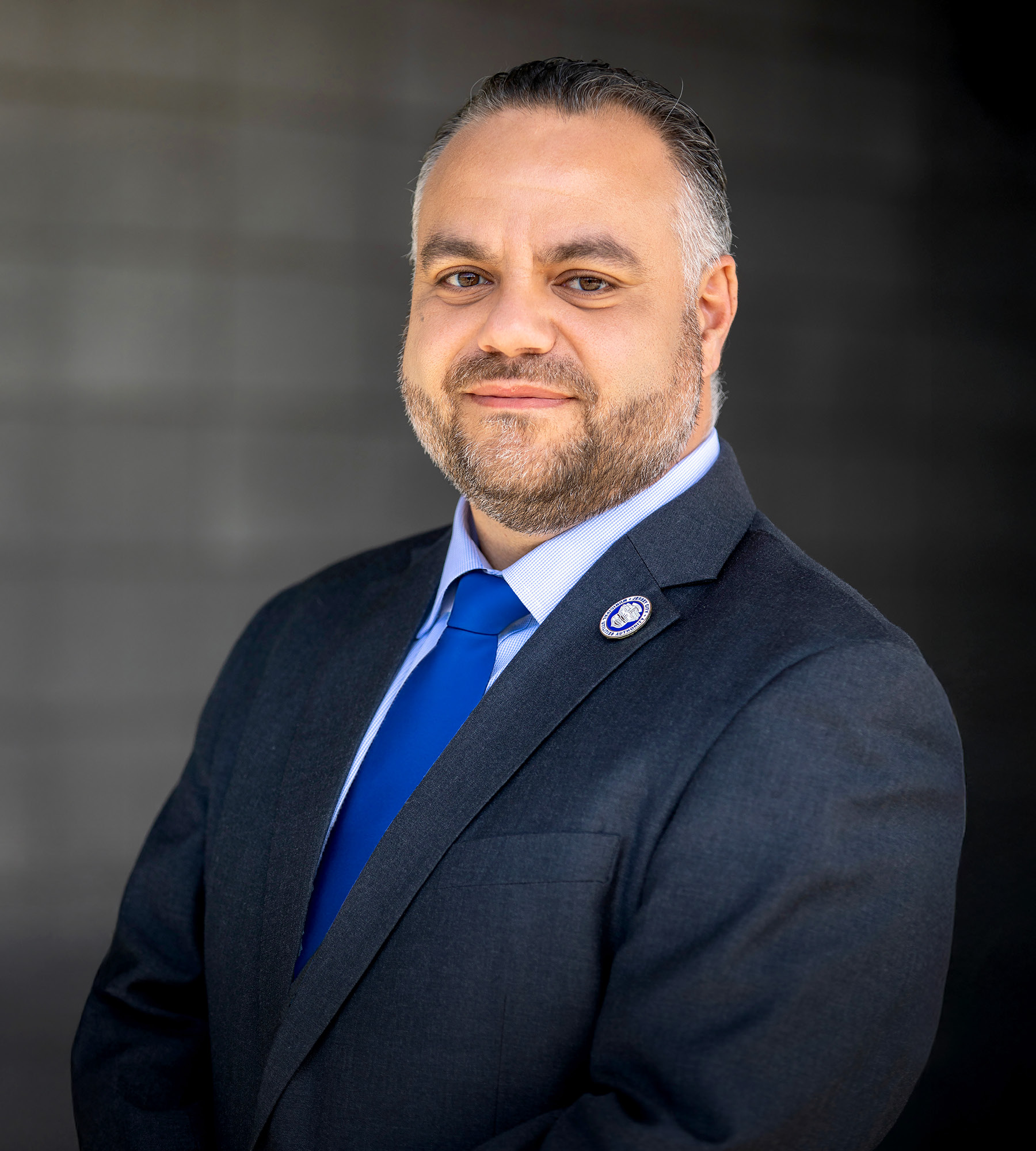
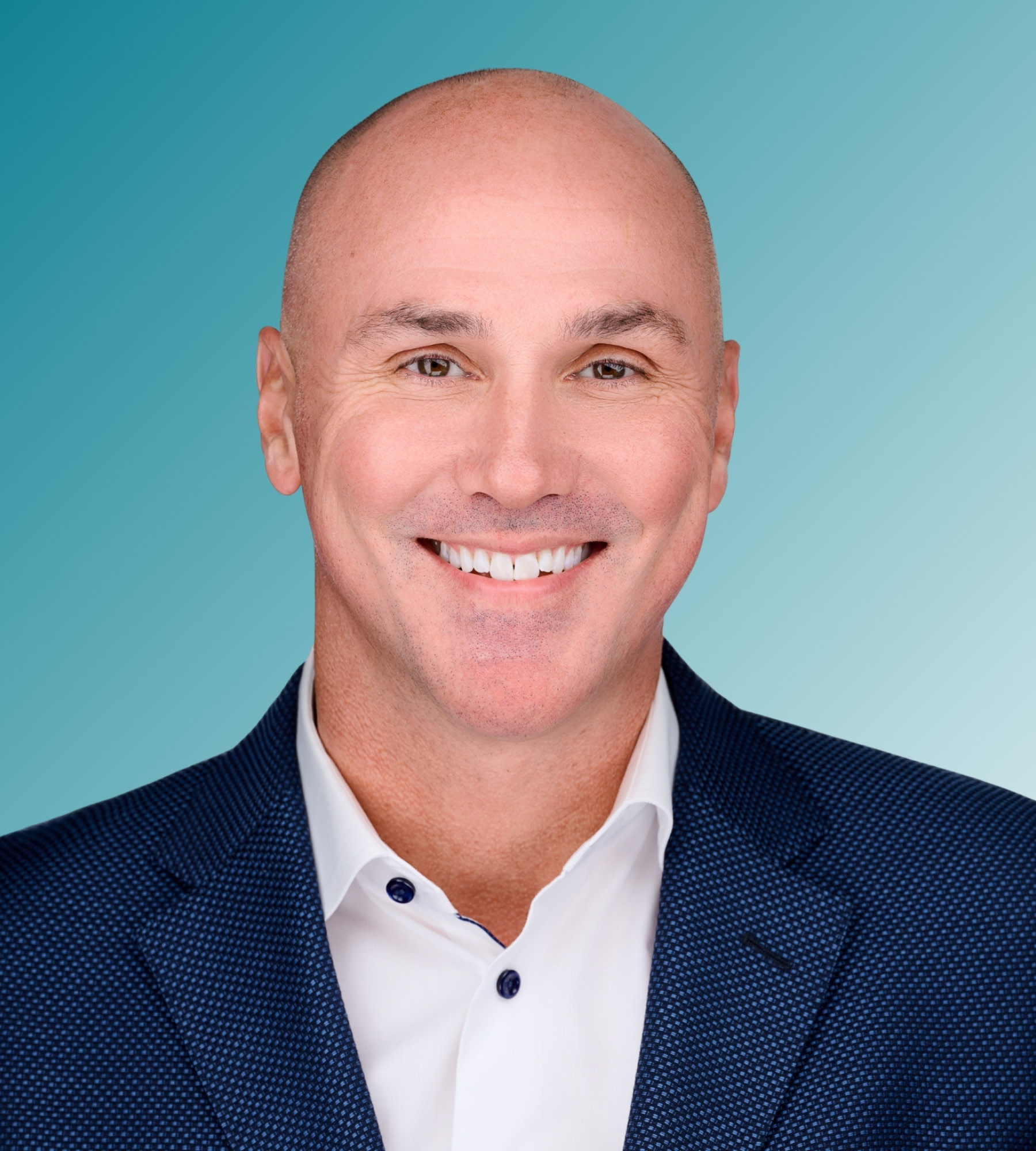
When he was just eight years old, Jose R Cunha started helping out at his father’s construction company during his school summer breaks, continuing until he graduated from college.
“I learned quite a bit about how construction materials performed from a hands-on perspective,” he recalls. “I learned many of the pros and cons of the construction industry very early, prior to formal engineering education.”
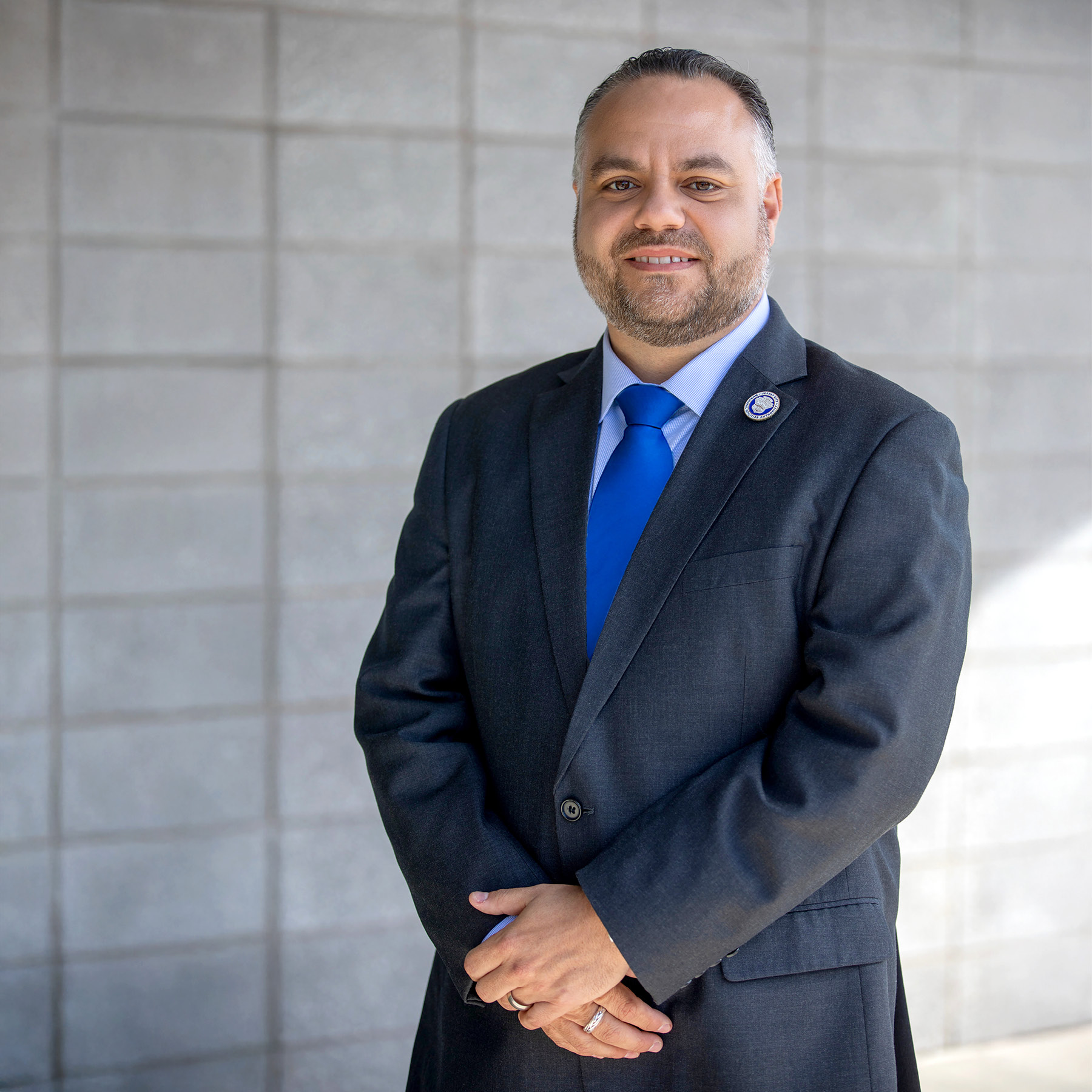
This early experience served him well, and today he is Executive Director of Jersey City Municipal Utilities Authority (JCMUA) in New Jersey.
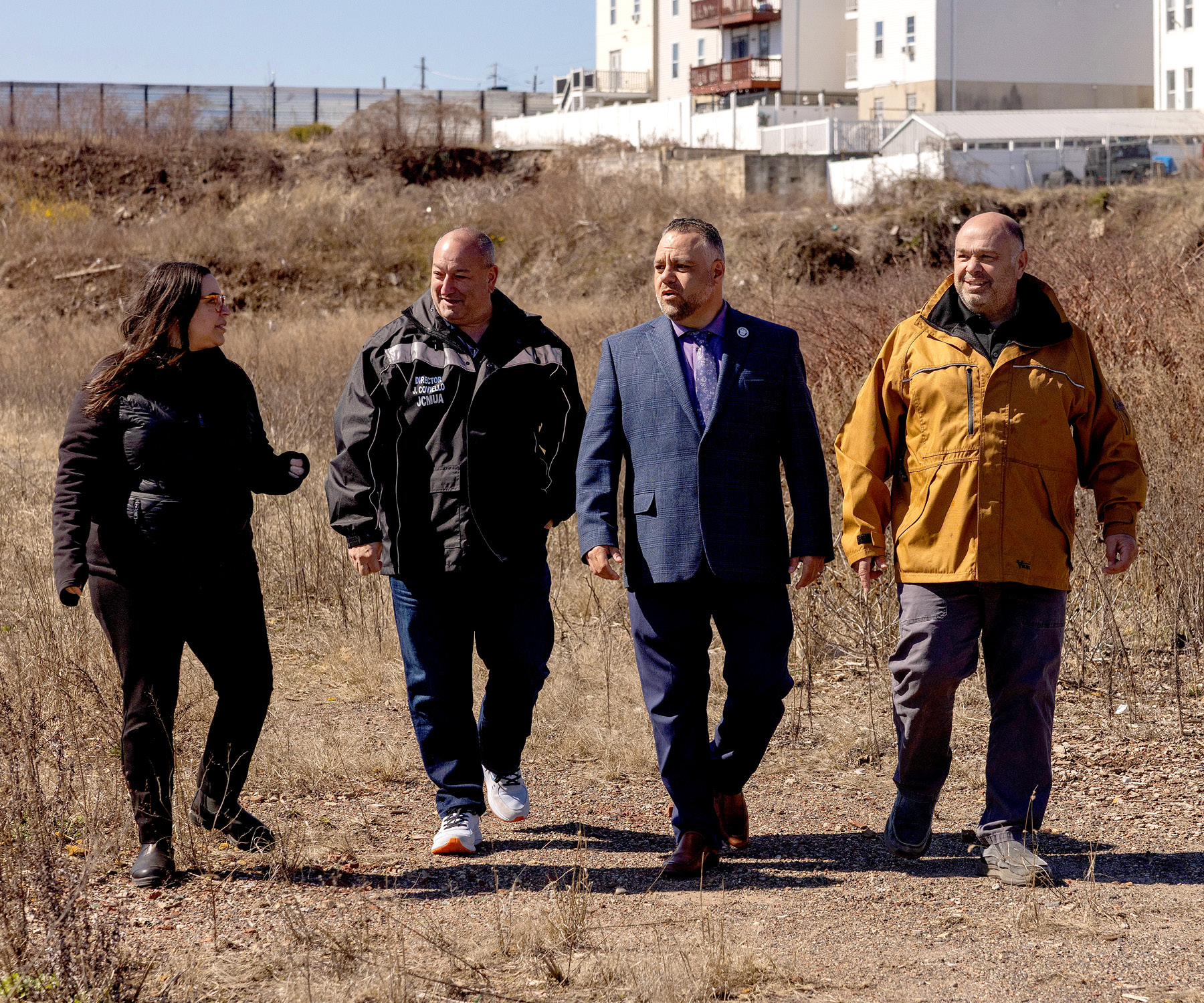
“I learned many of the pros and cons of the construction industry very early.”
Cunha began his current role in 2019, and he is responsible for ensuring residents have clean and safe fresh water flowing into homes and wastewater and stormwater heading to treatment plants.
JCMUA is a public municipal authority responsible for providing water and sewerage services to the city and is governed by a mayoral-nominated and City Council-approved Board of Commissioners.
Cunha’s path to this role not only involved working with his father but also enrolling in community college after graduation. He found this instrumental to his success.
“I think that part of the secret to my success was the ability to learn in smaller classes and more intimate settings with actual professionals who are adjunct professors working live in the industry, which prepared me well for the rigorous institutional learning experience that would come shortly thereafter,” he reflects.
While working toward his degree, Cunha had a chance encounter that solidified his path. He was working for his father’s company fixing a collapsed street when the Department of Public Works Director asked him if he was attending college.
When Cunha said he was a junior at the New Jersey Institute of Technology (NJIT), the Director connected him with the municipal engineer and soon Cunha began his first public sector engineering job.
“And from there I never really deviated from municipal engineering work,” he reveals.
After completing his education, earning both Bachelor and Master of Science degrees in Civil Engineering from NJIT, Cunha took on a number of roles working for numerous public agencies.
Most recently, he was City Engineer and Director of Public Works for Asbury Park and then Director of Engineering, Traffic and Transportation for Jersey City, which he held for four years before moving to his current role, now tenured for six years in Jersey City, which is just across the Hudson River from New York City.
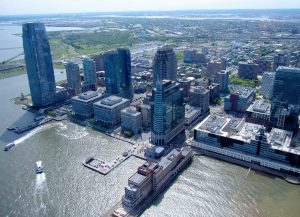
“We have a skyline of our own that is starting to rival New York to some extent. We are the Gold Coast of New Jersey along the Hudson waterfront,” he says.
However, Cunha also notes New Jersey is “the fourth-smallest yet densest state per capita in the United States”, which comes with its own challenges.
When he took the helm of JCMUA, it was in the early stages of significant repairs and upgrades, especially for the combined sewer system. This system combines stormwater with sanitary sewage (such as wastewater from toilets, showers and laundries) in the same pipes.
The older system often becomes overloaded causing overflow during storm events, so JCMUA is working to upgrade and renovate the system through major annual capital improvement programs occurring over the next few decades.
Technology is key in many of these projects, from designing a filtration system to remove harmful chemical and organic substances from drinking water to utilizing trenchless technologies to reline and repair pipes, which can save time and money and extend the life of systems.
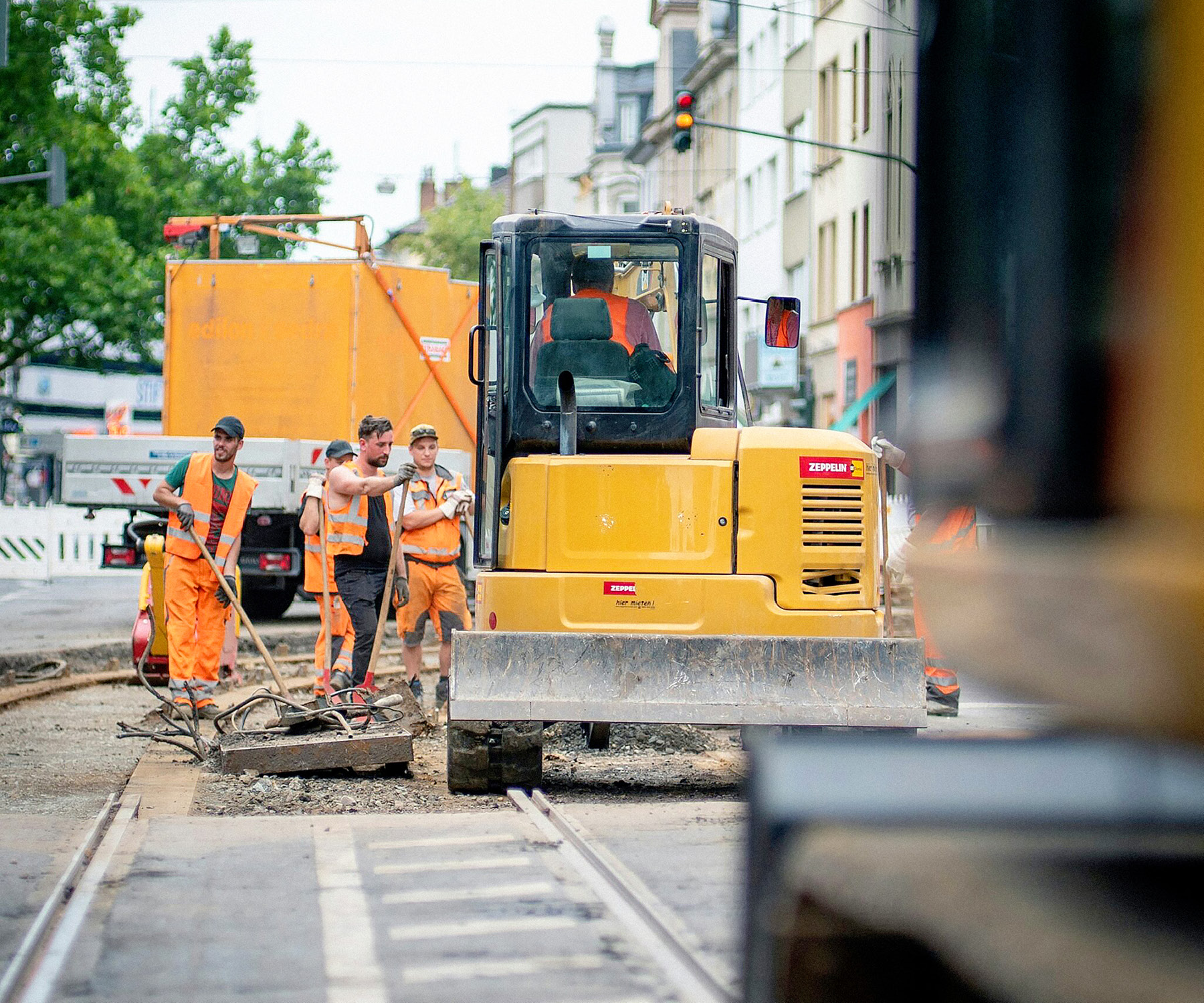
“When we award a contract to a contractor, we become a team.”
Another technological effort involves installing insertion valves in order to isolate sections of water piping to repair or replace individual sections in a way that doesn’t impact pressure or flow to a significant service area.
To complete these projects, Cunha relies on a dedicated team, and he confirms he has quite a bit of longevity among employees, which he believes is partially due to the positive morale.
“In the public sector, it’s often difficult to sweeten the pot, if you will,” he says. “We can’t pay bonuses or perks as we are locked in at specific pay rates. So you have to kind of make up for it in morale and trying to keep everyone content in their work by being fair to them, treating them like a person, not a number.”
Public–private partnerships are essential to JCMUA and Cunha says it is always important to work well together.
“When we award a contract to a contractor, we become a team,” he explains.
Partnerships and collaborations can involve other public entities, private companies and associations like the Utility and Transportation Contractors Association of New Jersey, which is a nonprofit trade association.
The largest partnership JCMUA has is with Veolia Water, which manages and operates a water treatment facility and conveyance system to move treated water through more than 35.4 kilometers of pipes to reach the city.
Since water and sewage services are so vital to community wellbeing, Cunha says serving the community is the most important element of his work.
“Every resident is my boss, and that’s what I tell all my staff as well as myself, continuously.”
Recently, for World Water Day, Cunha joined a number of stakeholders at a ribbon-cutting ceremony to celebrate the installation of safe, lead-free drinking fountains and water bottle filling stations in all of the city’s public schools.
The US$17 million project involved close collaboration between many stakeholders, including JCMUA, Guarini Plumbing and the Jersey City Board of Education. Thanks to their efforts, approximately 28,000 K–12 students in public schools now have easier access to fresh, clean drinking water from fountains at school.
At the end of the day, Cunha finds giving back and serving the public to be the most rewarding aspect of his job.
“The public service aspect is the most important. I wake up every morning to be of service,” he reveals.
“Every resident is my boss, and that’s what I tell all my staff as well as myself, continuously. They are always watching. We are always accountable. So let’s give them their money’s worth.”
 RELATED ARTICLES


 Home
Home
 Podcasts
 Covers
 Be Featured
 Community