Language
You can read the magazine in one of the following languages

5-min read

 Bookmark now

 Copy Link
Linamar is a product developer and advanced manufacturer delivering products and services to power vehicles, motion, work and lives.
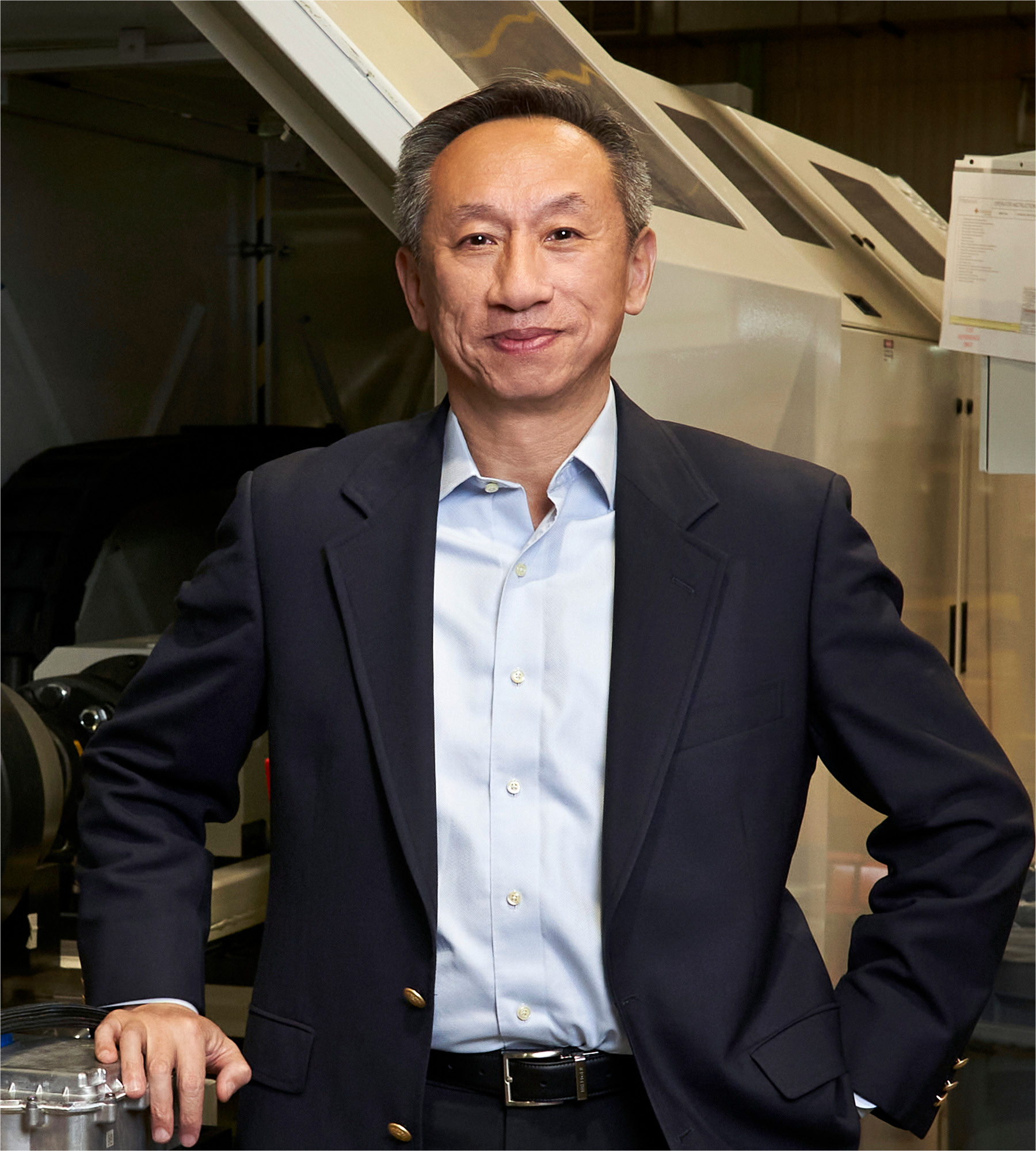
Since the COVID-19 pandemic, the global automotive industry has experienced a period of significant upheaval. Henry Huang, President of Linamar Asia Pacific, is as familiar with these trends as just about anyone – especially in relation to the mammoth economies of India and China.
“Over the last five years, there’s been a tremendous change in the automotive industry,” Huang tells The CEO Magazine.
“Around 2021 we were serving primarily global customers in Asia – GM, Ford, Mercedes, Volkswagen, BMW. In both China and India, there has been a significant shift in market share away from the global original equipment manufacturers (OEMs) toward the local OEMs.
“Chinese firms have capitalized on the growing adoption of EVs, and while the shift in India has its own nuance, the topline trend of waning market share for global brands is the same.”
With EVs now dominant in the Chinese market, Linamar has been forced to adapt. The auto parts it has traditionally manufactured for internal combustion engines demanded far more of its high-precision manufacturing expertise compared with the now dominant EV powertrains.
“Before, we were typically looking at US$8,000 to US$10,000 in precision machining content per powertrain. Now with EVs it comes down to US$300 content,” Huang explains.
“So there’s a significant shift in the dollar value content of a powertrain, which is a major change for us.”
“Over the last five years, there’s been a tremendous change in the automotive industry.”
Linamar has responded with diversification. This could be viewed as a defensive strategy, protecting against the eroding revenues with the rise of EVs. But Huang prefers to frame the company’s diversification as an exemplification of its ceaseless determination to drive forward.
“When I started Linamar 2011, it was a US$3 billion company. Last year, it had grown to US$10 billion,” he reflects. “Here in Asia, when I started in 2011, there was one factory. Today we have seven facilities.”
Within the automotive industry, Huang reveals that the focus is now on manufacturing more weight-efficient structural parts.
“With EVs, lighter weight becomes critical. Since you want battery power to give a longer mileage, you need to reduce the weight of the vehicle,” he explains.
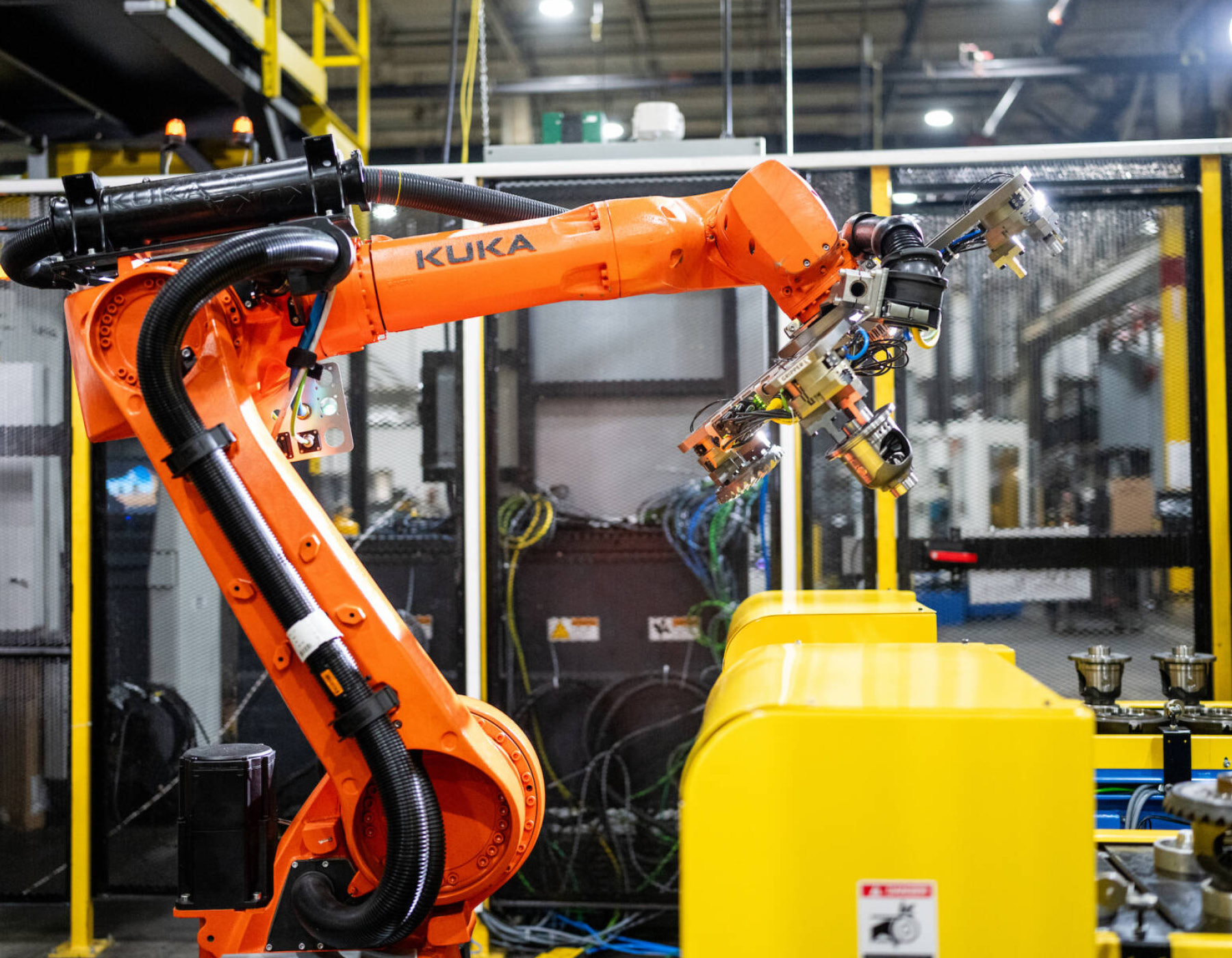
With the structure of vehicles typically made from steel, Linamar has expanded its production of lighter, aluminum-made parts.
“We had four acquisitions in the last five years to become a major player in the structural aluminum business,” he says.
“These additional product lines ensure that we are maintaining the dollar value content.”
Outside of the automotive industry, Linamar is investing in a somewhat surprising area, but one that again demonstrates its acute understanding of the social changes driving global markets.
“Linamar’s understanding is that agriculture is an area that offers a tremendous opportunity that suits our core competencies,” Huang says.
This opportunity is driven by the continued growth in the global population, a trend continuing in the emerging economies of Asia.
“Food production is always an issue, making sure there’s enough to support population growth,” he points out. “We can leverage our core competencies in machining and complex assembly to anchor the agricultural machinery business. This is our multibillion-dollar business in agriculture.”
“We can leverage our core competencies in machining and complex assembly to anchor the agricultural machinery business.”
Since its acquisition of harvesting specialists MacDon in 2018, Linamar has become a dominant force in global agricultural manufacturing.
“We’ve put together an agricultural division within Linamar, which offers shortline products from tilling and nutrition of soil, to seeding and harvesting,” he says. “We’ve become the largest shortline product supplier in North America.”
To expand this success into the Chinese and Indian markets, Huang explains that a degree of dynamism would be required.
“Asia is a different market because agriculture production is organized differently. So if we wanted to do the same agricultural business in China and India, there would have to be different product lines and services in those markets,” he adds.
Agriculture isn’t the only avenue of diversification for Linamar. It is also very active in the emerging high-tech world of humanoid robots – more specifically, actuators, the components that convert electrical energy into robotic movement.
“This is a market with tremendous opportunities and growing competition between the United States and China,” Huang says. “We’ve been working in this area for the last four or five years.
“You take one humanoid robot, typically you have maybe average 20 actuators, which represent 50 percent of the cost of the bill of materials – significant content and a high requirement for precision machining.”
The company is also active in the medtech industry for the manufacture of prosthetics, Huang reveals. It wants to bridge the gap between Chinese hardware and American AI leadership to push humanoid robotics forward.
“We take the Chinese hardware and then we work with the North American partners to bring in the AI, which is the brain of the humanoid robot,” he explains.
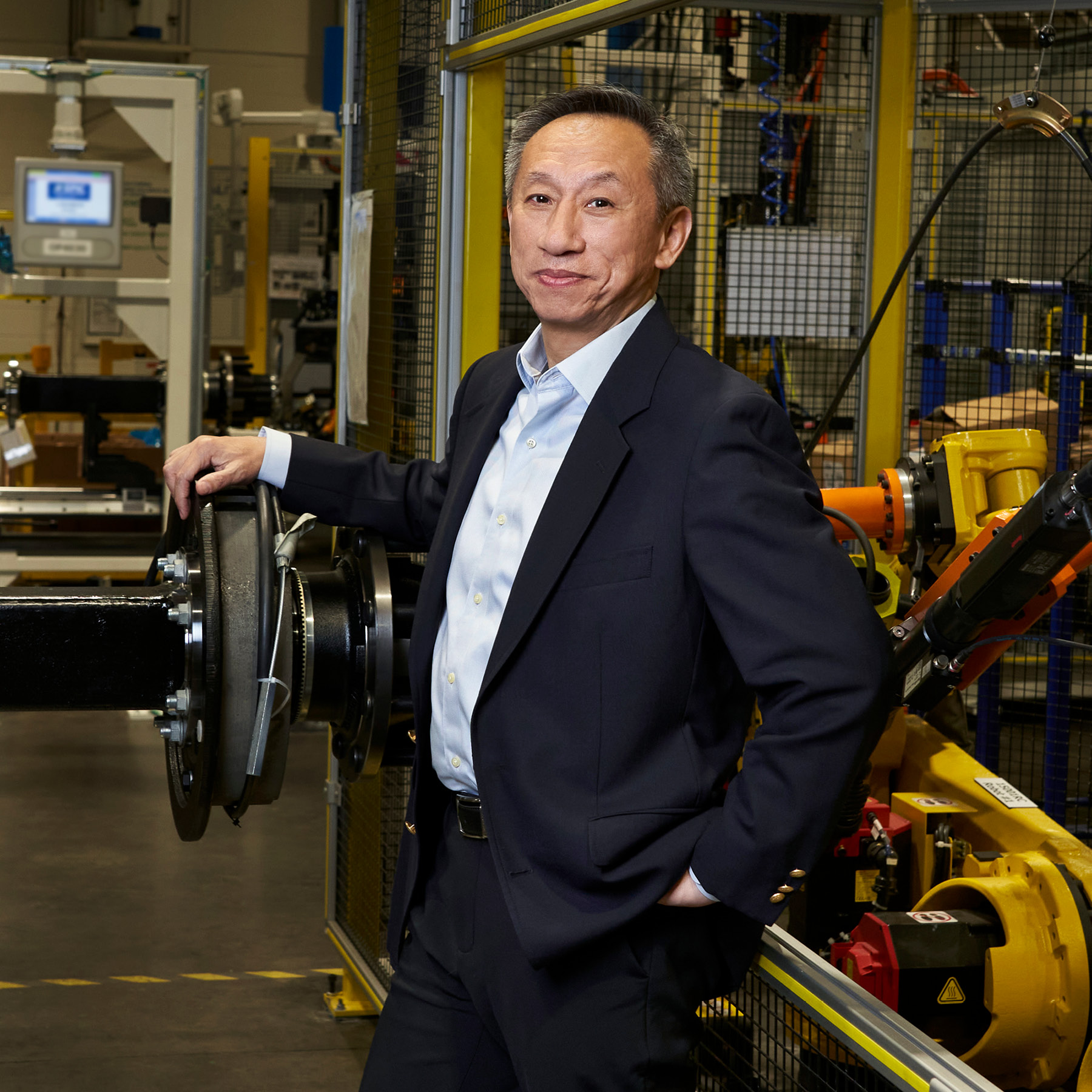
“Our goal is simple: deliver for the customer, deliver for the employee and deliver for the shareholder.”
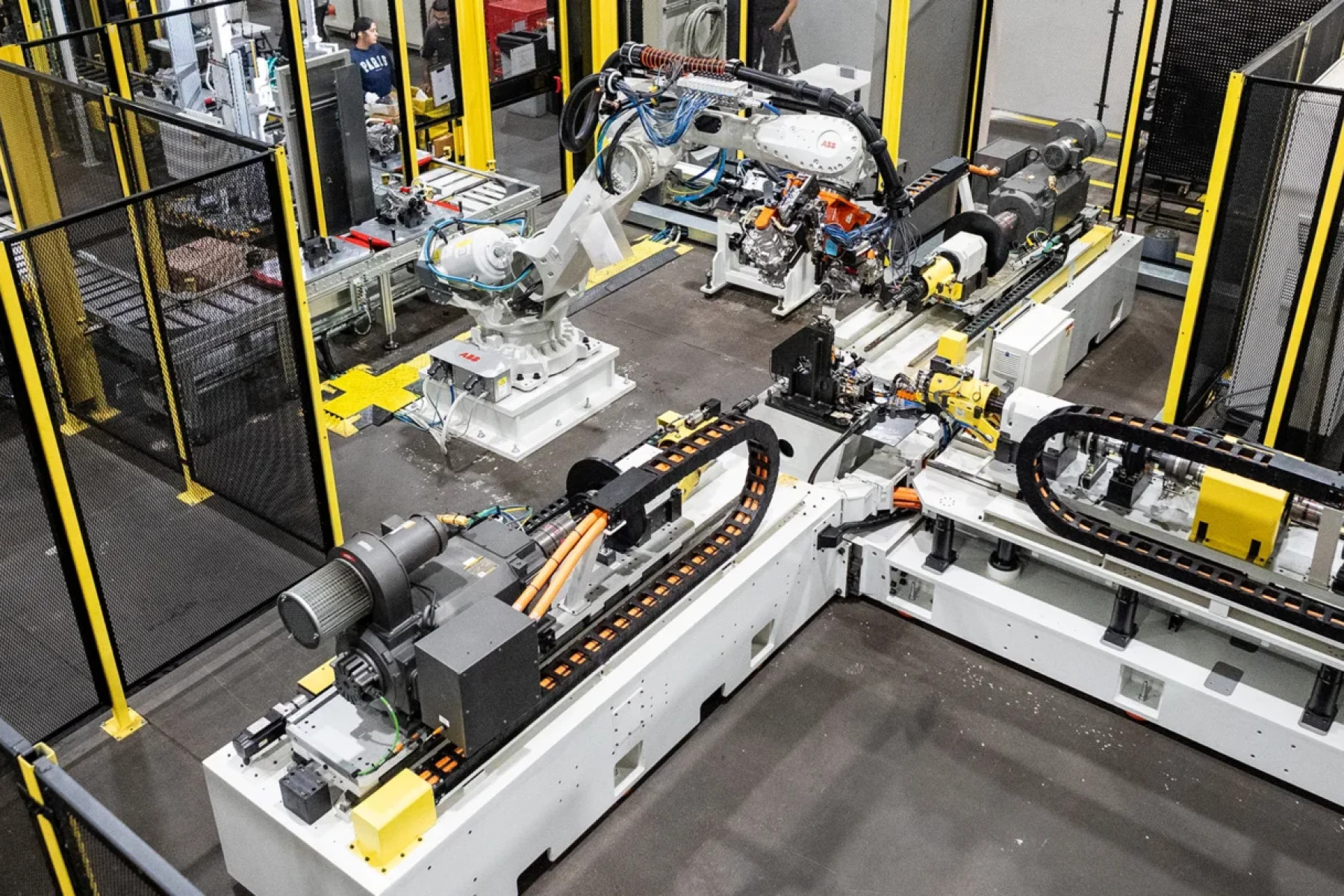
Linamar delivers technologies in casting, forging, metal forming, machining and assembly. This is supported by engineering and prototype development, innovative tooling and measurement solutions, precision automation and robotics, data systems and solutions.
“The foundation of success in these burgeoning markets, as well as in the well-established ones, is effective relationships with long-term partners such as Wuhu Sanlian Forging. These are essential for Linamar to sustain its status as a global diversified force in manufacturing,” Huang explains.
“To operate in markets like China, it is critical that you offer a unique value. It relates back to the philosophy of our founder, Frank Hasenfratz. He used the analogy of a stepping stool with three legs.
“If you don’t have a customer, then the stool is going to fall. If you don’t have motivated employees, your stool is going to fall. And if you don’t have shareholders to invest in you with confidence, your stool is going to fall.
“So our goal is simple: deliver for the customer, deliver for the employee and deliver for the shareholder.”
 RELATED ARTICLES


 Home
Home
 Podcasts
 Covers
 Be Featured
 Community