Language
You can read the magazine in one of the following languages
5-min read

 Bookmark now

 Copy Link
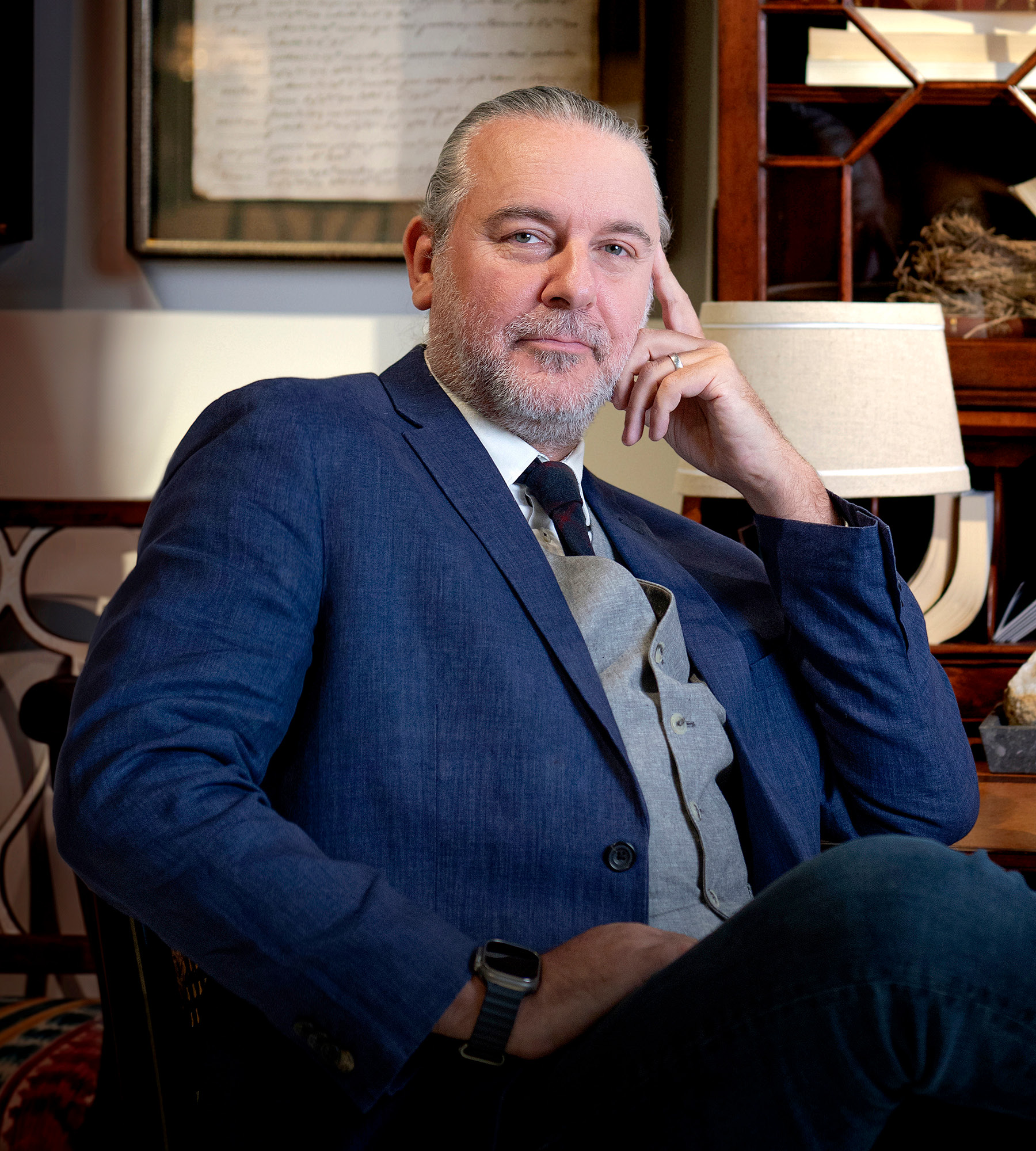
Jonathan Sowter just inadvertently crashed his own email inbox. During the ebb and flow of interview conversation, he’s recounting the kind of feel-good tale that would prompt anyone hearing it to immediately forward him a speculative resume, eager to join his mission. Once they’ve dried their eyes, that is.
The account revolves around a dedicated employee of eight years, who handed in his resignation out of the blue. Perplexed at the worker’s sudden decision, his manager probed further, eventually discovering that the staff member had been diagnosed with Stage 3 cancer and didn’t have the finances for treatment. Rather than sell his family house to fund medical assistance and potentially leave his relatives penniless, the employee chose to go home and suffer alone.
“We said to him, ‘You don’t need to worry about that,’” Sowter recalls. “We will pay for your treatment and get you a better doctor. For a company of this size, it’s nothing to pay for these things, and it’s nothing to care about these things.”
This commitment to staff wellbeing at Vietnam Furniture Resources – a crusade encompassing on-site gyms with personal trainers, payrolled medical teams, free health checks and special meals for people with hypertension or diabetes – is rooted in Sowter’s affection for his adopted country.
Born in England, the company’s CEO has spent the past 30 years residing in Vietnam. He is married to a Vietnamese woman, and they have raised a family together.
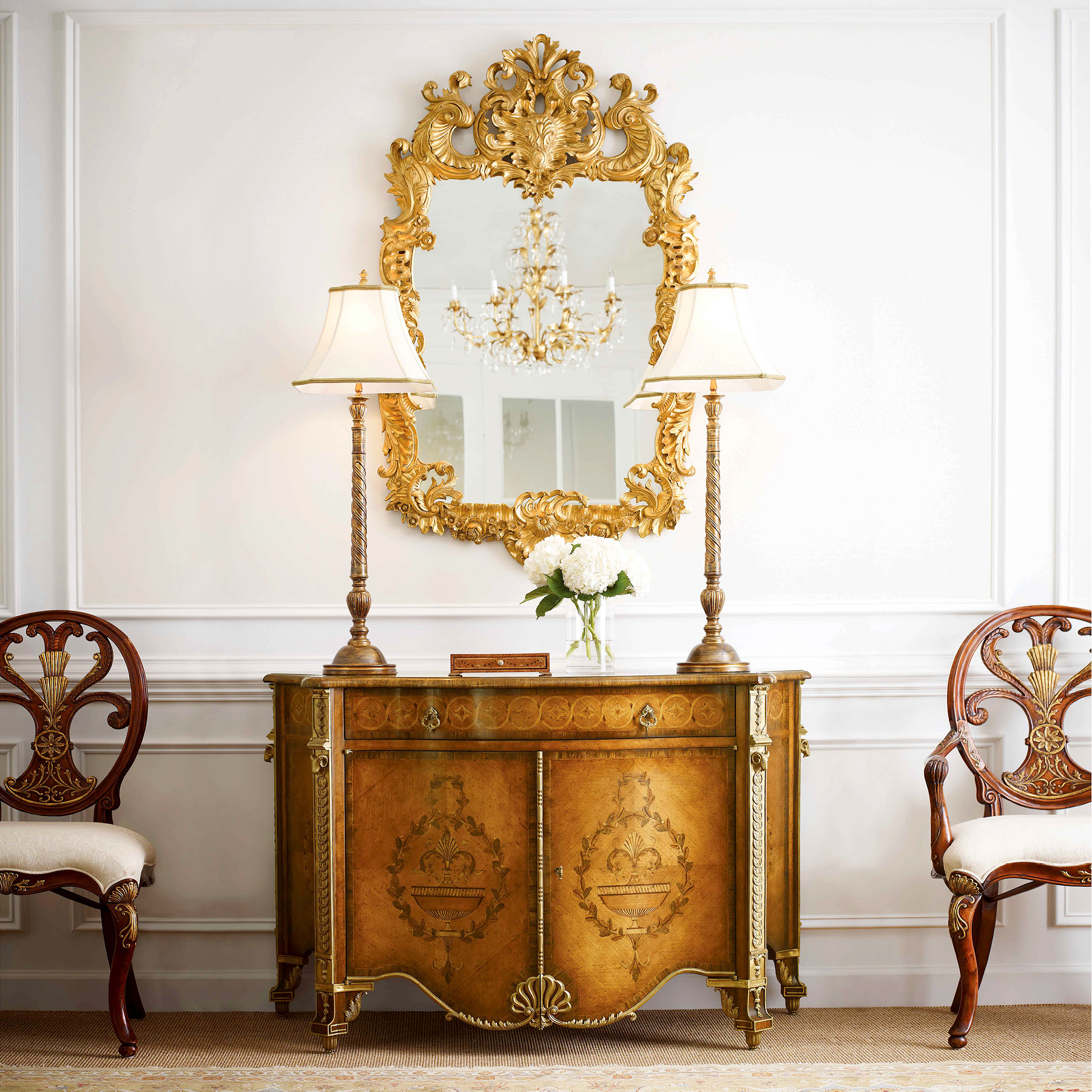
The Jonathan Charles Chippendale-Style Inlaid Cabinet Chest of Drawers is part of our exquisite Signature Collection, celebrating the timeless beauty of traditional craftsmanship
“It’s my responsibility to improve the lives of everybody we come across, whether that’s suppliers, employees or their families.”
It was here in South-East Asia that Sowter founded Vietnam Furniture Resources in 2004, specializing in original equipment manufacturing projects based around antique-inspired furniture, lighting and accessories. Today, the Binh Duong Province-based operation supplies artisanal pieces to a host of major international brands and luxury hotel chains worldwide, as well as offering design and project management services.
“I’ve got 2,500 employees who are all Vietnamese,” he reveals. “It’s my responsibility to improve the lives of everybody we come across, whether that’s suppliers, employees or their families.
“It’s good business to give back because you get employee loyalty, healthy workers and so on. But I also think it’s the right thing for foreign companies to do, especially if you’re doing business in a poorer country where people are less fortunate. It’s just common sense.”
Of course, success isn’t just measured in favorable blood pressure readings or body mass index metrics – and employee wellbeing programs can’t run on hope and goodwill alone. To that end, Vietnam Furniture Resources remains in tip-top health.
Over the past five years, Sowter has split the company into five ‘profit centers,’ with each building specializing in a specific market or customer type. The restructuring has helped the business to achieve 370 percent growth during that period, a figure he insists is very conservative.
“We are conservative in the sense that we don’t want to have one customer that’s too big, which dominates our business or our output,” he explains.
“We try to have a spread of customers in a spread of markets, in a spread of regions. We’ve changed our approach to who we’re working with, making sure they’re the right customers that will bring volume or efficiencies.”
It’s not long before talk of global markets leads to an unavoidable topic.
“It would be a mistake to do an article like this and not discuss tariffs,” Sowter says, pointing out that, unlike some firms, Vietnam Furniture Resources is not solely reliant on American custom.

“Every company’s dealing with it differently. Personally, I would like to see the distributors and retailers in America pass the tariff onto the consumer instead of asking their vendors to take a hit and themselves taking a hit. Because all you’re going to see is dividends and profitability reduce.
“You’re going to see companies that can’t survive and they’ll disappear. And at the end of the day, the people who voted for tariffs need to understand that it hits their wallets.
“I have been asked by a few reporters recently if I would ever consider building a furniture factory in America, and my answer has been no. Not because I don’t want to, but because it’s so uncertain. There’s no stability.
“What about in five years’ time when a new administration comes in and they start reducing the tariffs? Then I’d be competing with cheap imports.”
‘Cheap’ is not a word in Sowter’s lexicon. Vietnam Furniture Resources blends state-of-the-art machine production with hands-on, old-world craftsmanship, conjuring timeless pieces that look at ease in the upscale environments they inhabit.
A recent addition to its repertoire is an extensive materials library, stocking all the premium materials the company uses or has access to. Part of that inventory is a list of the sustainability properties associated with each material – an option that has proven popular with luxury hotels and resorts eager to reduce their carbon footprints.
Before founding Vietnam Furniture Resources, Sowter was a designer by trade. Barring the complex, highly technical computer numerical control machines (automated tools controlled by computer software), he says he could easily walk into any of the company’s factories and apply the necessary traditional techniques and finishes himself.
He personally trains every one of the 2,500 employees, forging deeper relationships – a setup that will no doubt prove expedient as the luxury sector continues its current trend back toward more classical furniture aesthetics.
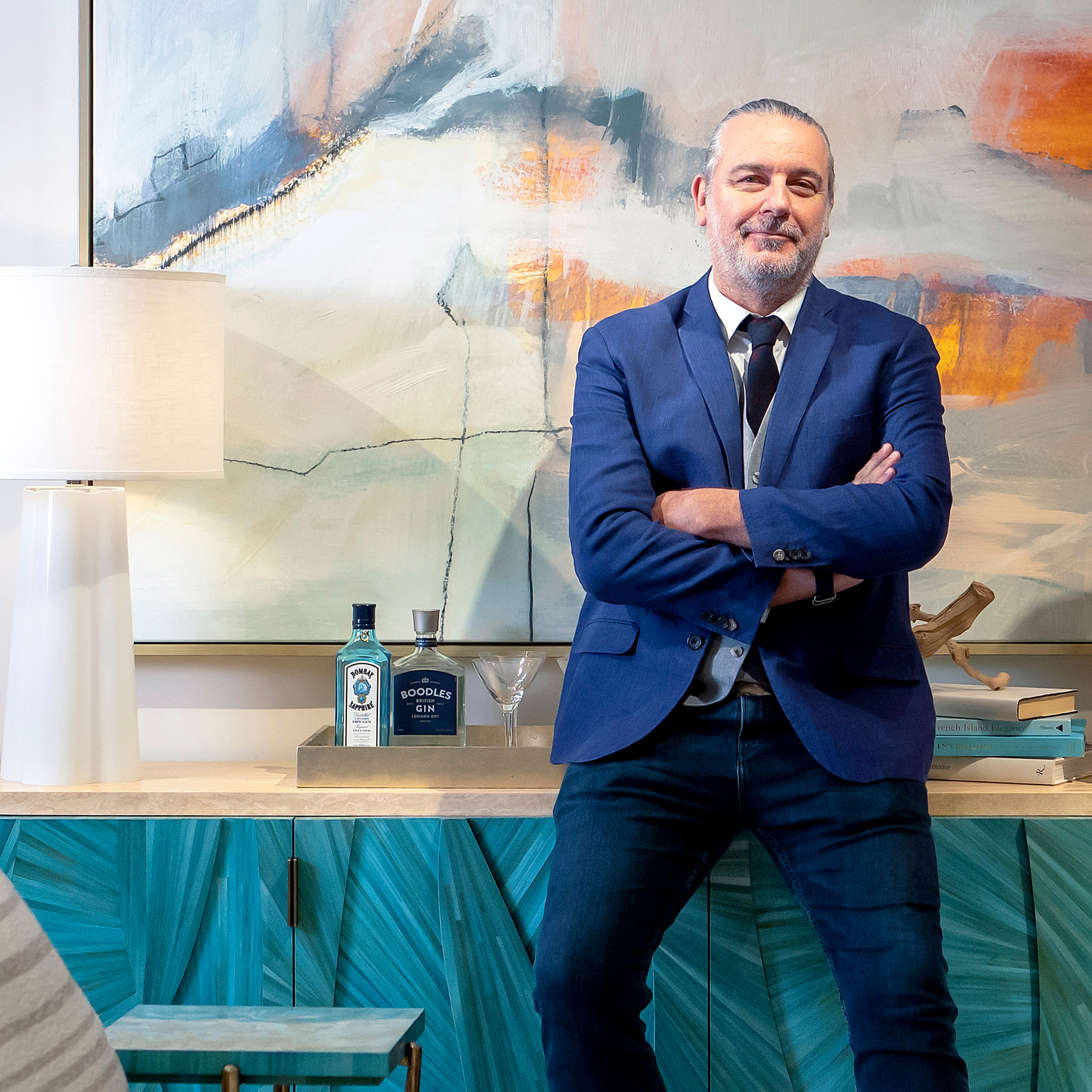
“You’ve got to show your loyalty to your employees, because I expect loyalty from them. It’s a two-way street.”
It’s no shock then that a tight group of directors, managers and supervisors have remained with the company for the term of its existence. Or that this retention rate is mirrored in the alliances Sowter enjoys with various material and chemical suppliers, many of whom have been with him since he founded the company 20 years ago.
“You’ve got to lead by example,” he says, stressing his positive outlook leadership ethos. “You’ve got to show your loyalty to your employees, because I expect loyalty from them. It’s a two-way street.
“We’ve learned to communicate clearly about our vision for the future. We share our plans for growth with absolutely everyone in the company, even the cleaners and the forklift truck drivers, because they need to know their jobs are secure. There’s a good future here, and we want them to be part of the plan to make it happen.”
Sowter’s inbox is about to witness even more traffic.
 RELATED ARTICLES


 Home
Home
 Podcasts
 Covers
 Be Featured
 Community