Language
You can read the magazine in one of the following languages

5-min read

 Bookmark now

 Copy Link
There’s a tendency to romanticize museums. Think of the hushed galleries, school excursions, towering dinosaur skeletons and ancient artifacts carefully preserved behind glass. But what many don’t see are the balance sheets, capital campaigns and revenue models.
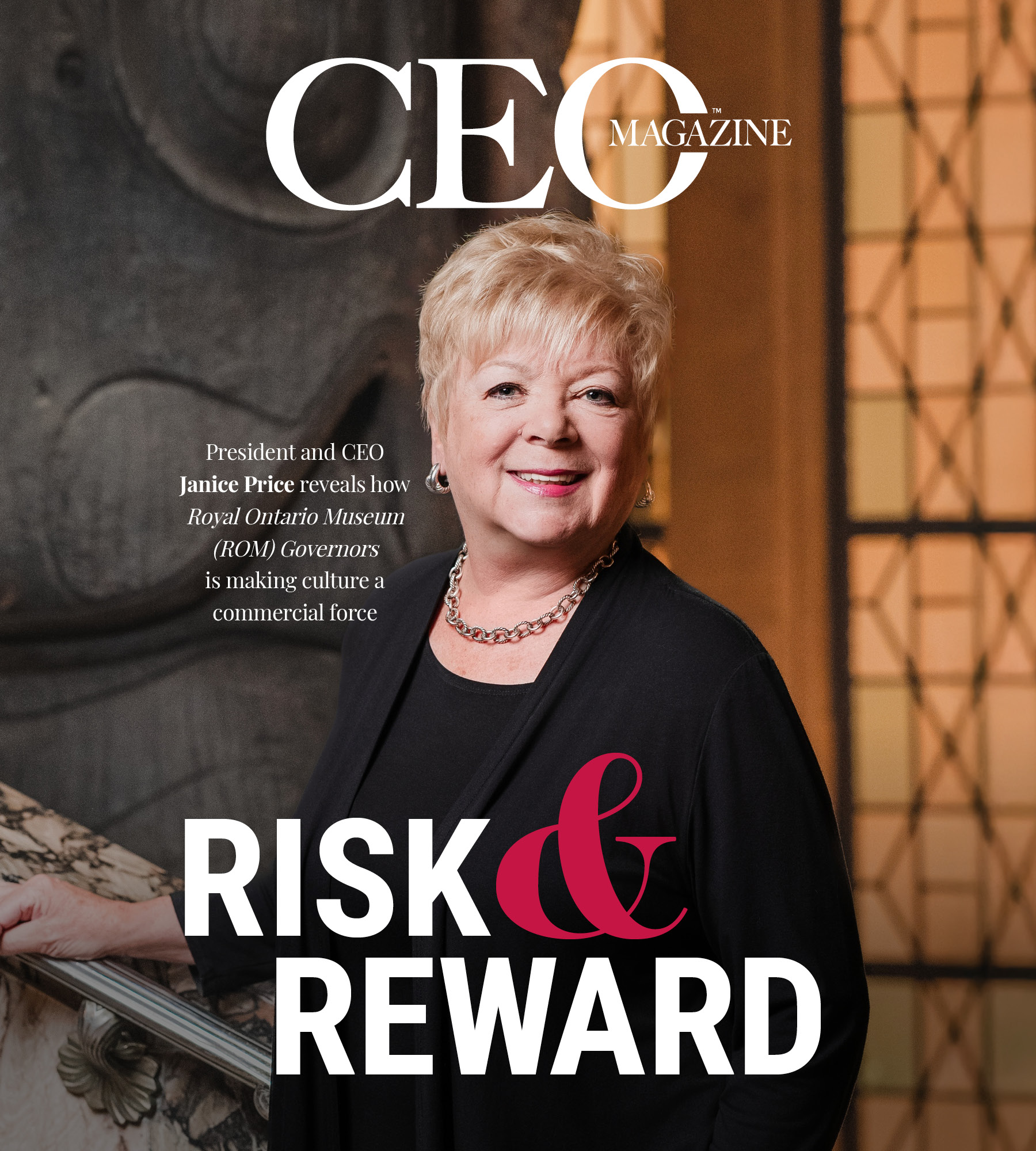
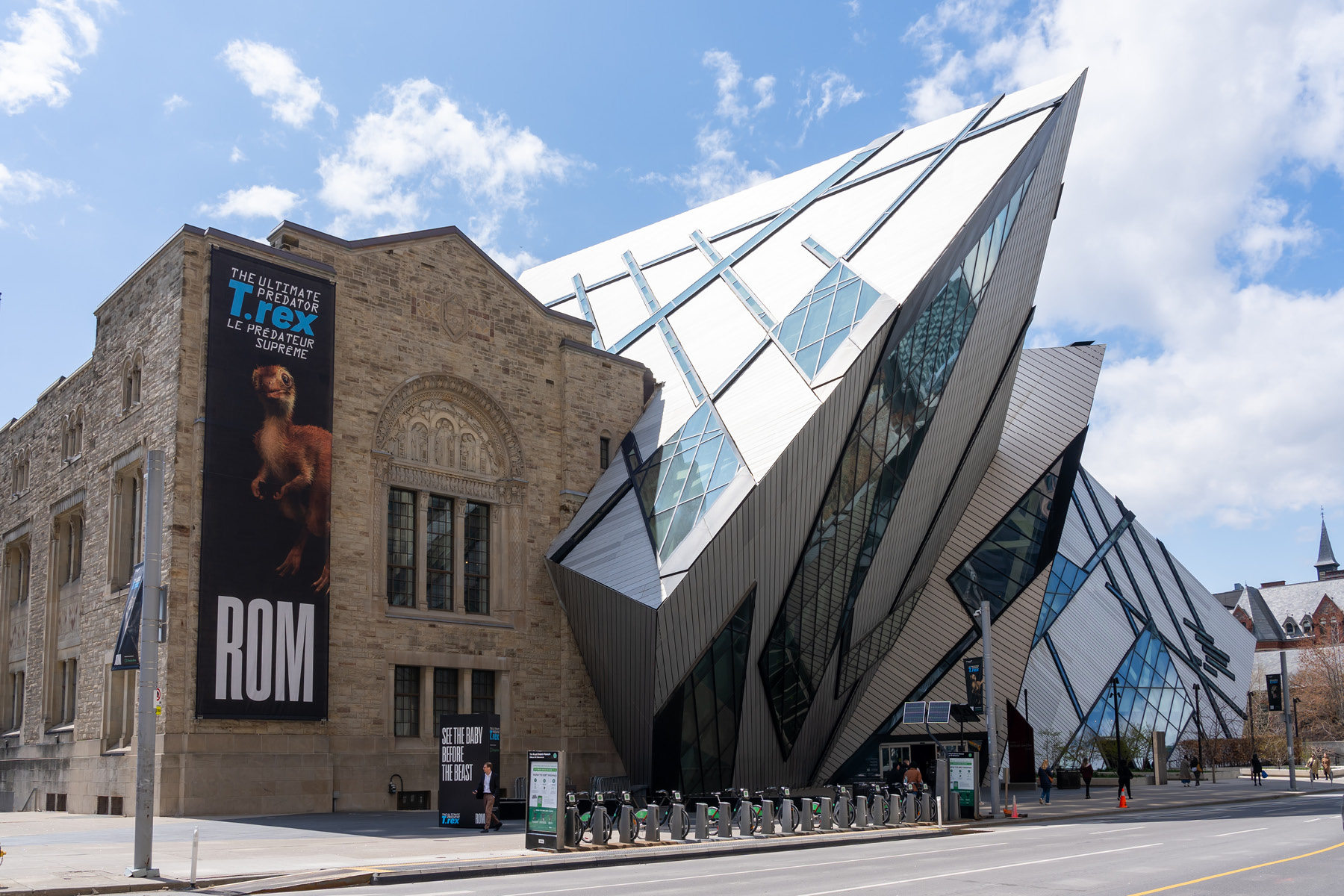
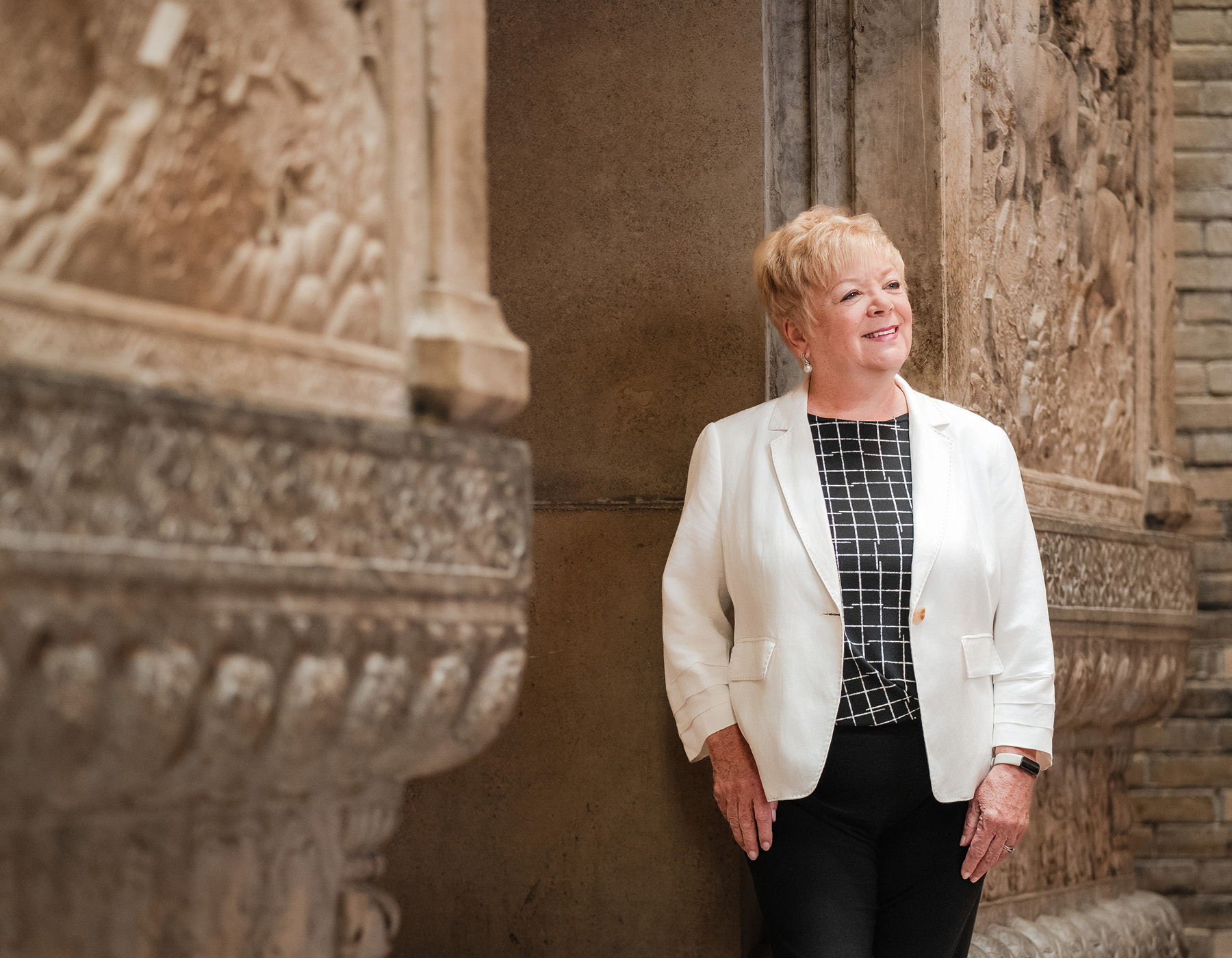
Janice Price sees all of it. As President and CEO of Royal Ontario Museum (ROM) Governors – the foundation responsible for raising funds to support exhibitions, programs, research, operations and capital projects – she operates in the engine room of one of Canada’s most important cultural institutions. And she is crystal clear about what that requires.
“I would like to rename the not-for-profit sector the not-for-dividend sector,” Price tells The CEO Magazine. “We are raising money. We are generating revenue. We just take the money we earn and put it back into our mission and our institutions.
“So we are an incredibly efficient, incredibly conscientious business that runs on the funds we receive with the goal of breaking even while funding ROM’s mission.”
Cultural institutions, Price argues, are often misunderstood. There remains a perception that nonprofit equals soft, subsidized or secondary to ‘real’ business. In reality, museums and other arts organizations operate like complex enterprises.
They sell tickets and merchandise. They manage large teams and physical facilities. They forecast revenue and absorb risk. And they must break even.
At scale, the expectations are no different from any major corporation.
“I don’t think it’s well understood how many of the exact same business principles apply,” Price says, adding the only difference is what happens to the surplus.

There are no dividends distributed to shareholders. Instead, funds are reinvested into exhibitions, conservation, scholarship and community access. That balancing act between mission and margin is constant.
Early in her career, while working in the performing arts, Price watched a board debate the commercial viability of programming. A European classical music impresario who served on the board made a deep impression on everyone around the table when he said, “The Beatles pay for Mozart.”
In other words, commercial success supports cultural depth. For Price, that lesson still applies. Blockbusters fund experimentation, popular programming sustains research and financial discipline enables creative freedom.
If business fundamentals are one half of her leadership, decisiveness is the other. Price was serving as Interim Executive Director of the Lincoln Center for the Performing Arts in New York City during the September 11 attacks (9/11). She later led Banff Centre for Arts and Creativity through COVID-19 shutdowns when revenue streams evaporated overnight.
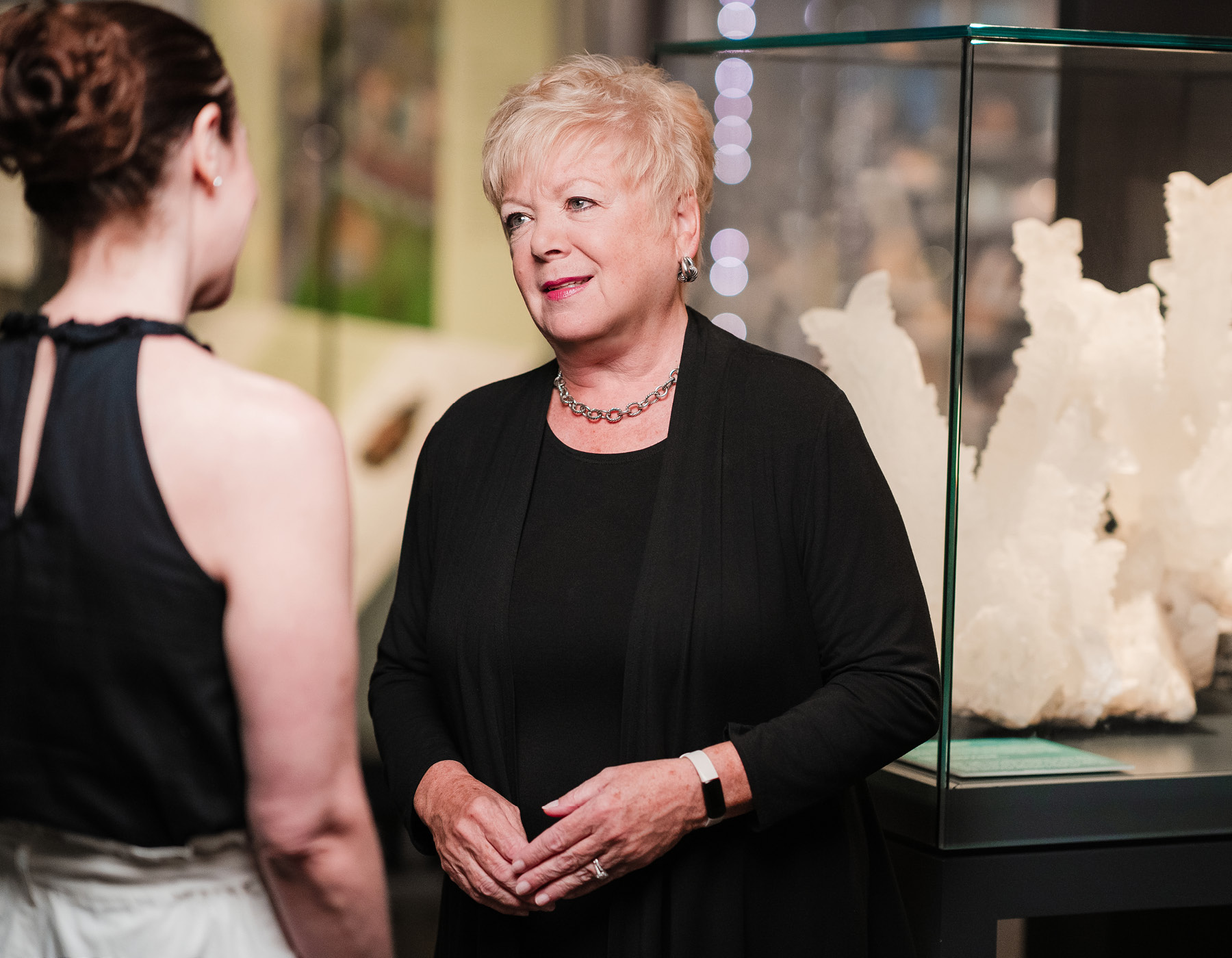
“Unfortunately, we did have to lay off staff,” she says. “You must have the ability to say in times of challenge, ‘What are the most important and effective decisions that can be made quickly and with confidence and certainty?’”

A choice can be revisited and a strategy can be adapted, but paralysis, Price insists, will only compound damage. And when it comes to resilience, it’s simpler than it’s often made out to be.
“Resilience is an ability to recover from or adjust easily to misfortune or change,” she notes.
Price is also quick to point out that responsibility doesn’t have to mean being overly cautious.
“The word ‘risk’ has gotten a bad rap,” she says. “Risk is incredibly exciting.”
She rejects the idea that risk is inherently reckless. Instead, she reframes it as analysis. What are the real consequences? What are we actually afraid of? Too often, she suggests, we inflate the downside and ignore the opportunity.
“Risk is opportunity,” Price says. “Without risk, where is opportunity going to come from?”
Her own career serves as evidence. Price relocated five times. She stepped from marketing into CEO roles without being a CFO or CPA. She moved between media, performing arts and museums – sectors that are adjacent, but distinct.

“There’s always that moment of self doubt – who am I? Do I have all the skills? Can I do it all?” she reflects.
The answer, she learned, was to instead build teams around her that could.
“You have to be secure enough and confident enough to put people around you that have those skills,” she says.
Recognition has followed Price’s impact, including being named among The CEO Magazine’s Top 50 Women Over 50. For her, the significance lies less in the accolade and more in the progress it represents.
Early in her career, Price was often the only woman in the executive boardroom. Today, she sees more women leading major institutions and more being recognized for it. For those considering a pivot later in life, her message is that skills are transferable and retirement at 65 is an old construct.
Even now, she continues to evolve. Surrounded by younger colleagues, she has shifted her perspective on emerging technologies, including AI. Initial concern has given way to cautious optimism about its creative potential – balanced with vigilance around the importance of intellectual property and authenticity.

But one thing hasn’t changed.
“I haven’t changed my mind about being authentic,” Price says. “Don’t ever be anything but your authentic self – that’s the path to success.”
Looking to her next chapter at ROM Governors, she says there’s a major capital project underway. They’re renovating and expanding the entrance without closing the museum’s doors. It’s a complex, logistical feat, layered over ongoing programming and fundraising.
In other words, it’s exactly the kind of work Price was built to lead.
 RELATED ARTICLES


 Home
Home
 Podcasts
 Covers
 Be Featured
 Community