Language
You can read the magazine in one of the following languages
8-min read

 Bookmark now

 Copy Link
What do you do when you arrive at one of Ireland’s most spectacular landmarks after traveling around the world to see and it is shrouded in mist?
Luckily our guide, the affable Eunan McIntyre, knows how to bide the time in the best Irish way. As we stand on a viewing platform above the lofty Slieve League Cliffs, he reaches for his much-loved guitar and performs an original song, a catchy ballad about his father.
We soon forget the weather as the talented singer-songwriter from Glencolmcille, County Donegal, entertains us. We clap in time to his beautiful music and the finish earns him rousing applause. A local selling lobster rolls from a small caravan nearby tells us McIntyre one of the best singers in the country.
Next, McIntyre tells us about his childhood, which he describes as chaotic, fun and very loud. He is one of 16 children.
“Can you name them in order?” A fellow traveler asks.
And he does, just stumbling on one and adding her in at the end.
“I always leave one out but at least it’s a different one every time,” he says.
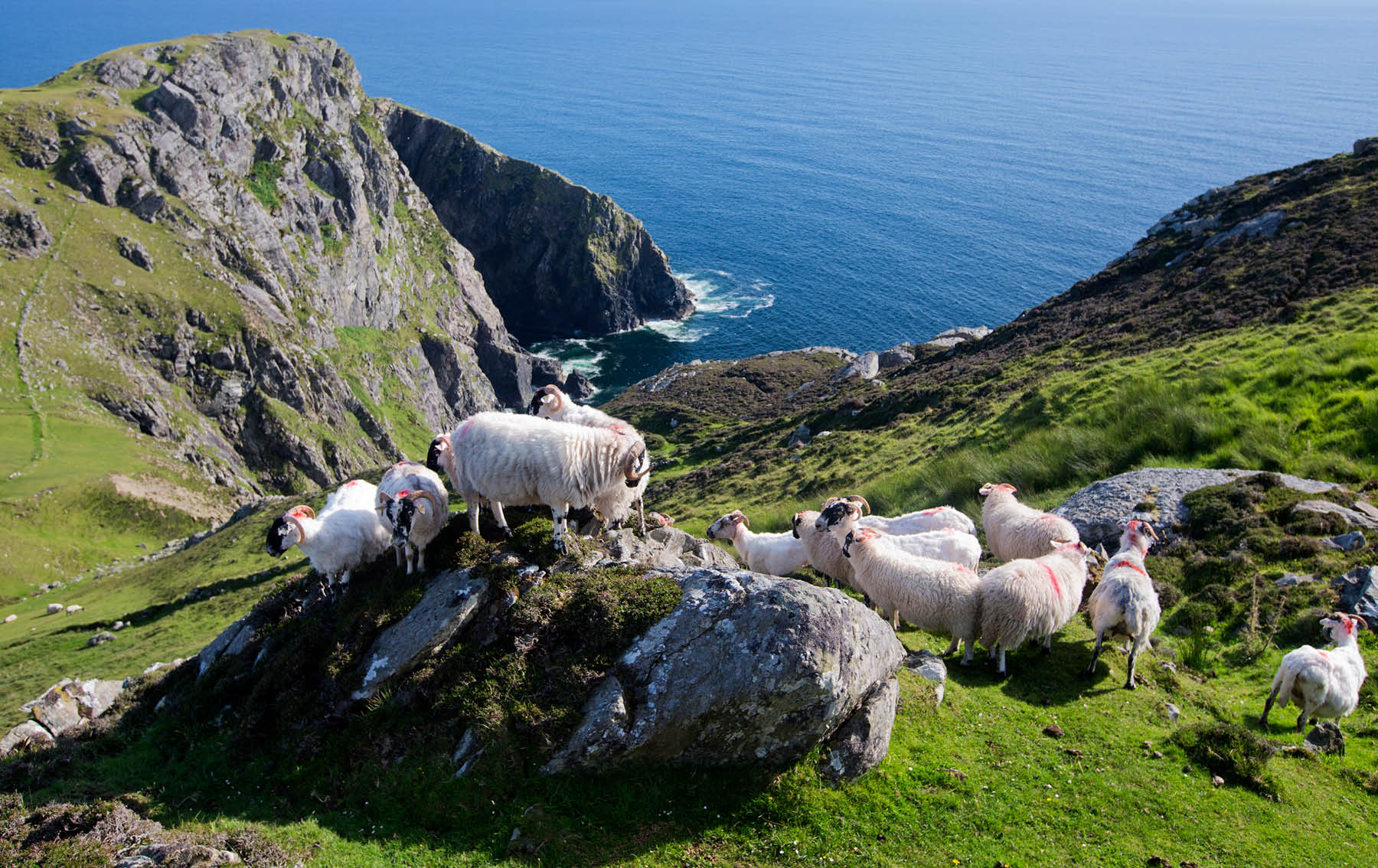
This is the sort of place you want to capture in your memory forever.
By then the clouds have parted and the sun is poking through the grey mist to reveal the stunning views of Slieve League Cliffs. We admire ocean vistas overlooking the Sligo Mountains and pretty Donegal Bay.
The cliffs here are among the most scenic in Ireland and nearly three times higher than another famous Irish landmark, the Cliffs of Moher. Below, the wild Atlantic Ocean thrashes the coastline, and we get a healthy dose of fresh crisp, salty air. This is the sort of place you want to capture in your memory forever along with McIntyre and his music.
These cliffs are not only a spectacular site, but they are also steeped in history and were used as navigational sites in Napoleonic times and both World Wars.
The views seem to go on forever, with Donegal Bay stretching toward Leitrim, Sligo, and Mayo and the vast Atlantic Ocean unfolding endlessly to the west. Looking northwest, you can spot Rathlin O’Byrne Island and Glencolmcille, while at the cliff’s base, McIntyre points out the famous Giant’s Desk and Chair, a striking rock formation.
But these cliffs aren’t the only contenders for the best coastal scenery; the Giant’s Causeway and the Cliffs of Moher are just as impressive.
Breathtaking scenery surrounds the Giant’s Causeway, but the folklore is just as intriguing. Legend has it that a mighty Irish giant, Finn McCool, carved hexagonal stones from the coastal cliffs. He then scattered these basalt stones, some up to 12 meters high, and did a hop, skip and a jump across to Scotland.
He was out to seek revenge on legendary Scottish giant, Benandonner. The story goes that McCool was sick of enduring insults from Benandonner, who ripped up the pathway, scattering the stones and creating the Giant’s Causeway. It’s a fascinating myth which resonates as we clamber over some of the 40,000 stones that tumble down into the Atlantic Ocean at the famous site.
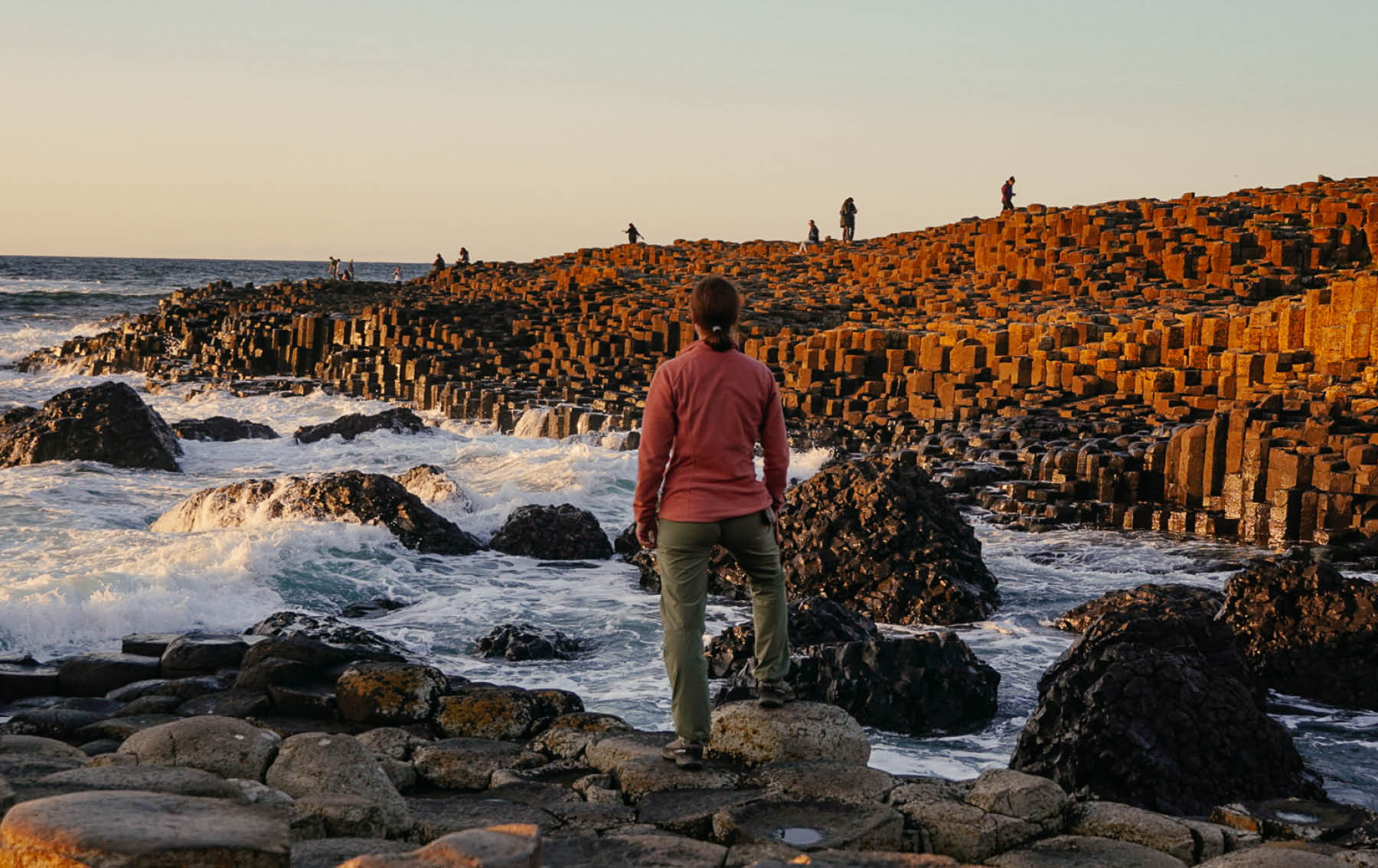
Breathtaking scenery surrounds the Giant’s Causeway, but the folklore is just as intriguing.
Located on the Antrim coast in Northern Ireland, near Bushmills, it is one of Ireland’s most visited landmarks. The smooth interlocking columns, created by ancient volcanic activity are estimated to be more than 60 million years ago. It’s not only those stones that star here – the green coastal cliffs and meandering walks showcase breathtaking scenery.
The sun is shining bright and there’s a gentle breeze as we leave the stones and head along a coastal walking trail, one of four that feature in the UNESCO World Heritage site. It’s a landscape with jagged cliffs and sandy bays lashed by wind and waves and I can’t take my eyes off those magnificent vistas.
The Cliffs of Moher is the third landform that leaves me in awe. These breathtaking sea cliffs on Ireland’s west coast in County Clare rise dramatically from the Atlantic. We follow paved paths along the cliff edge for unforgettable views, watching birdlife fly high and dolphins play in the sea below.
The area has been designated a special protection area for birds, with more than 20 species including puffins, guillemots, razorbills, kittiwakes and fulmars.
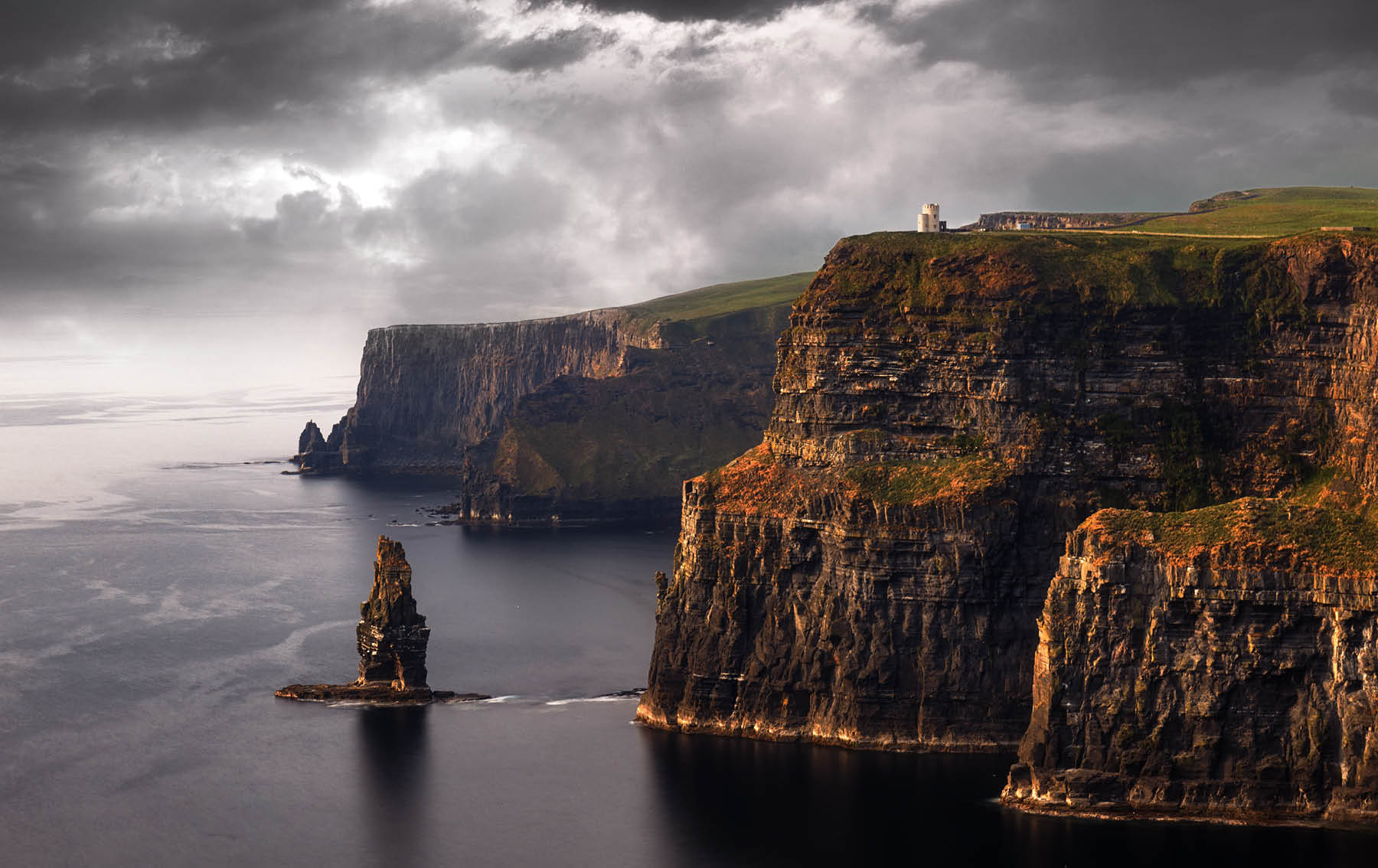
These cliffs have inspired artists, musicians and poets for generations.
These cliffs have inspired artists, musicians and poets for generations and the unique landscape has intrigued scientists and geologists alike. The scenery may well look familiar – Harry Potter and the Half-Blood Prince was filmed here in 2009.
On a clear day you can see the Aran Islands, Galway Bay, the Twelve Pins and the Maumturk mountains in Connemara. Looking south, you can view the Dingle Peninsula and Blasket Islands in Kerry. All three spectacular landforms boast vistas that stop you in your tracks and magical hues that are forever changing.
These three landmarks are just some of the highlights of Collette’s 14-day small group Best of Ireland Tour that departs from Dublin and finishes at Kilkenny.
Tour director Dave Yeates has had more than 30 years’ experience bringing the history and folklore to life throughout the Republic of Ireland and Northern Ireland. A quick calculation, and he tallies he has guided about 18,000 visitors – including a pope, president and prime minister, who have all fallen for Ireland’s charm under his watch.
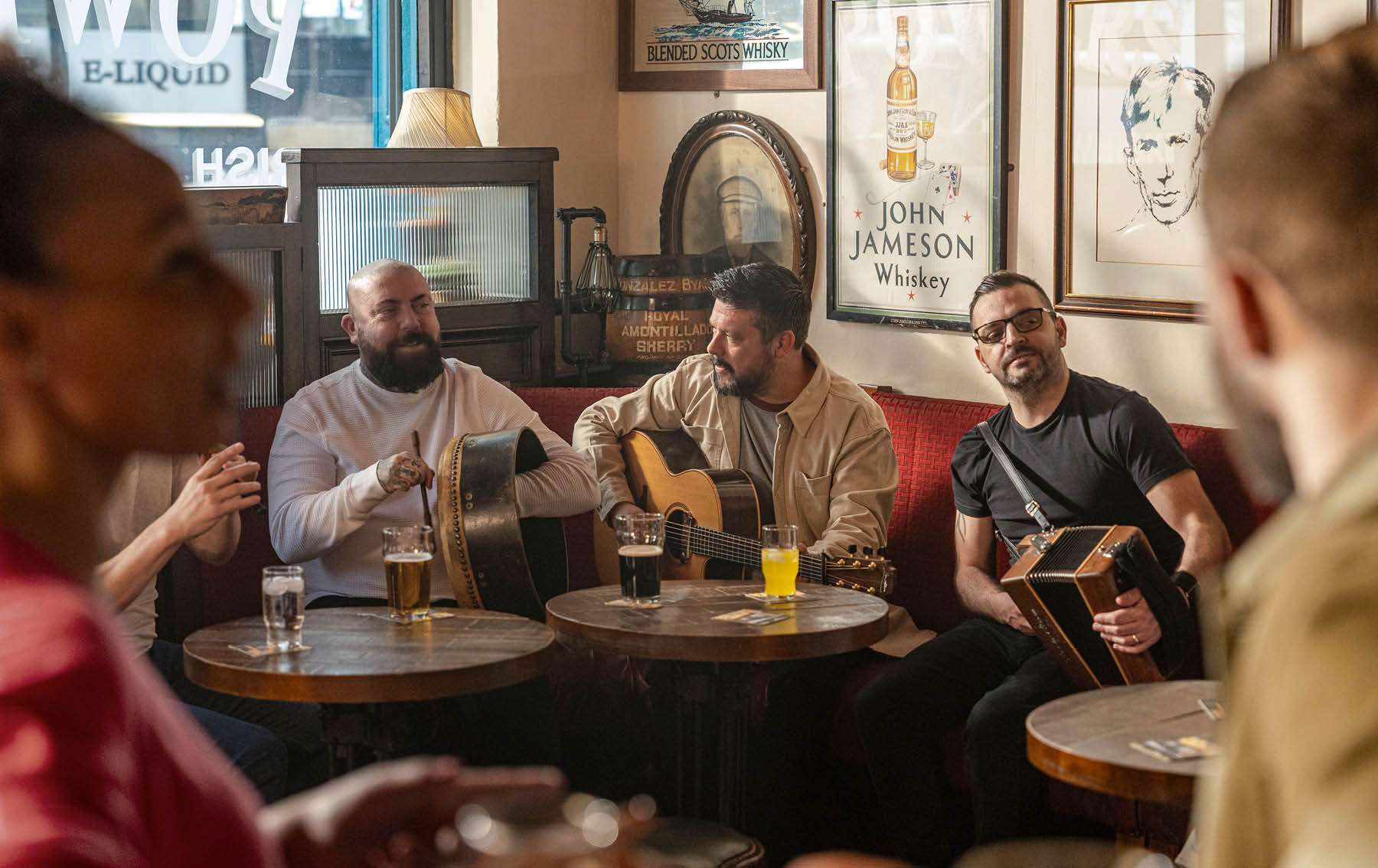
As well as the history, it’s the behind-the-scenes stories of many attractions and characters that keep us entertained as we travel via coach.
As well as the history, it’s the behind-the-scenes stories of many attractions and characters that keep us entertained as we travel via coach.
“Ireland is such a great place to visit and you can feel the warmth of the people but it’s those little back stories that bring it all to life,” Yeates says.
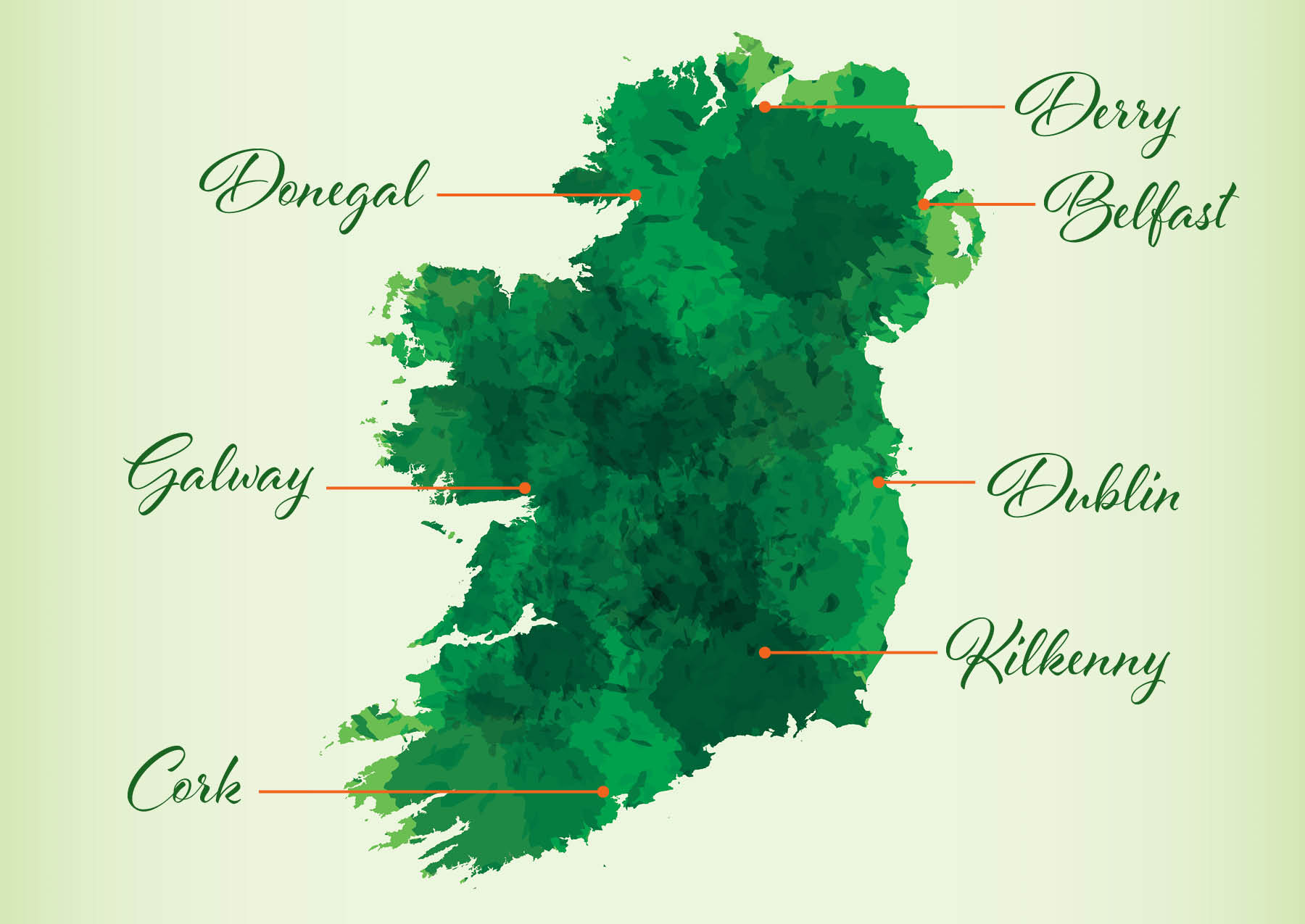
A stop at the city’s riverside EPIC Irish Emigration Museum showcases how more than 10-million people have left Ireland over the centuries. Nearby there’s a replica of the Jeanie Johnston Famine Ship that follows the footsteps of many who fled the famine.
We visit the Guinness Storehouse and Trinity College – home to the famous Book of Kells, St Patrick’s Cathedral, Kilmainham Gaol, Dublin Castle and the vibrant Temple Bar area. On a walking city tour we stop at the famous Molly Malone statue, where our guide bursts into a rousing rendition of the famous ballad. It’s the tale of a beautiful fishmonger who dies and her ghost forever haunts the streets of Dublin.
The Ulster Museum, home to rich collections of art, history and natural sciences, along with the nearby Belfast Botanic Gardens, are must-visits. On a culinary walking tour we stop at some of Belfast’s fun cafes and food stores and I learn how to pour a decent Guinness in a traditional Irish pub.
But the biggest attraction – in size at least – is the Titanic Belfast Museum, which sits on the slipway where the legendary ship was built. It provides a fascinating insight into all things relating to the doomed ship.
For social history buffs, a Black Taxi Tour covers both sides of the bloody conflict known as The Troubles. We visit the infamous murals and memorials dotted throughout Belfast and gain an insight into those tough times.
Belfast’s beautiful City Hall, affectionately known as The Wedding Cake because of the tiers of the building, has free public tours.
Also known as Londonderry, the city is the home of the hit television series Derry Girls, which is set in the 1990s during The Troubles. It is the second-largest city in Northern Ireland and lines both banks of the River Foyle. Attractions include the modern Peace Bridge, the grand Guildhall and the vibrant Bogside Murals.
The city is known as Ireland’s culinary capital and a visit to the bustling English market showcases artisan produce and farmhouse cheeses. Blarney Castle is nearby and famous for the Blarney Stone, said to bestow eloquence and persuasiveness on those who kiss it.
Other highlights include the imposing Cork City Gaol, St Fin Barre’s Cathedral and the iconic Shandon Bells at St Anne’s Church.
This is one of my favorite stops and is also known as a gastronomic hub. It’s the home of some of the cutest pubs with lots of authentic Irish music and musicians that get toes tapping and hands clapping. Art lovers will enjoy the many galleries. Landmarks include the Spanish Arch and Lynch’s Castle.
This historic town has great traditional pubs, shops and restaurants. We spent a fun night at the Reel Inn where Irish musicians entertained travelers and locals alike with traditional songs, dancing and loads of laughter.
Known as Marble City for its historic buildings built from black limestone, this small city is home to stately Kilkenny Castle. We walked the stunning Medieval Mile, visited Kilkenny Castle, St Canice’s Cathedral and pretty Woodstock Gardens and dropped into the Smithwick’s Brewery for a taste of Ireland’s oldest ale.
I’ve done both in Ireland and this small group tour is so much more relaxing. It takes the hassles out of touring, with everything organized for you.
The tour includes accommodation at seven beautiful locations ranging from a manor house to iconic hotels, with luggage delivered to your room. Specialized guides provide detailed commentary at certain attractions. You can also make choices with optional tours and dining selections – there are 22 meals included, with ‘your choice’ dining and free days.
The luxury coach offers great viewing and enables you to peep over high hedges and an entertaining and informative commentary provides a great insight into beautiful Ireland.
For more details, go to gocollette.com/en-au/tours/europe/ireland/the-best-of-ireland
 RELATED ARTICLES


 Home
Home
 Podcasts
 Covers
 Be Featured
 Community