Language
You can read the magazine in one of the following languages
11-min read

 Bookmark now

 Copy Link
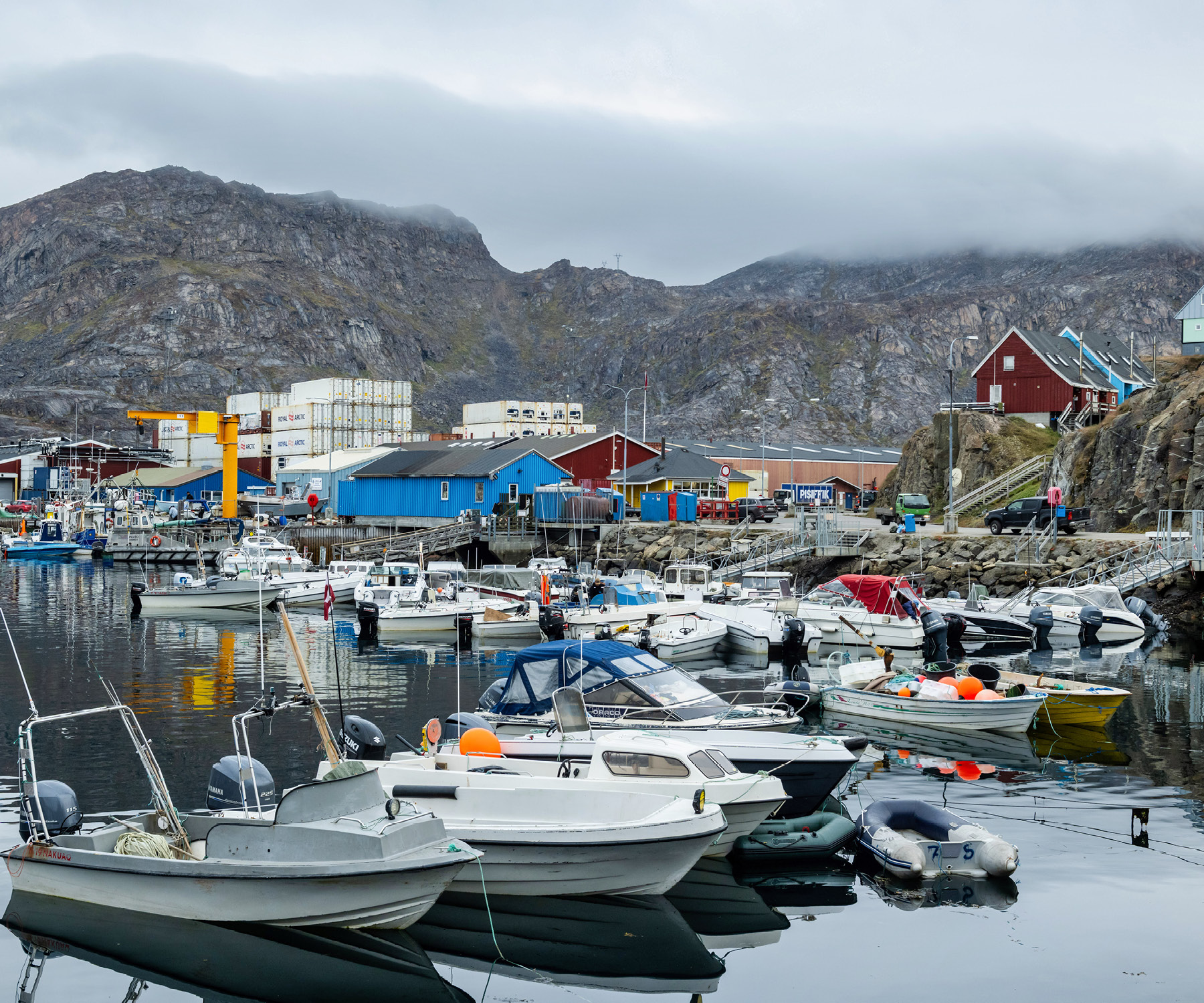
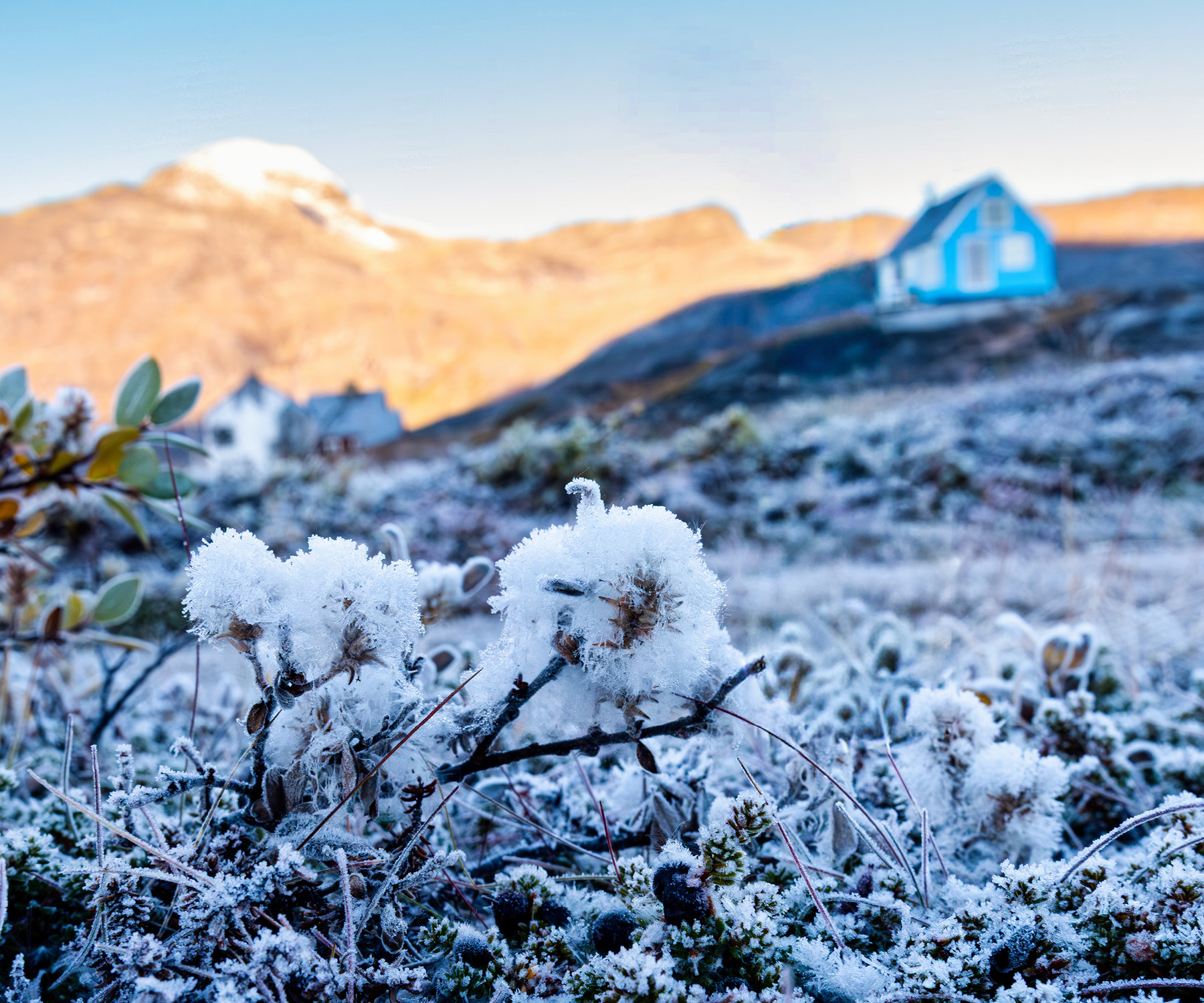
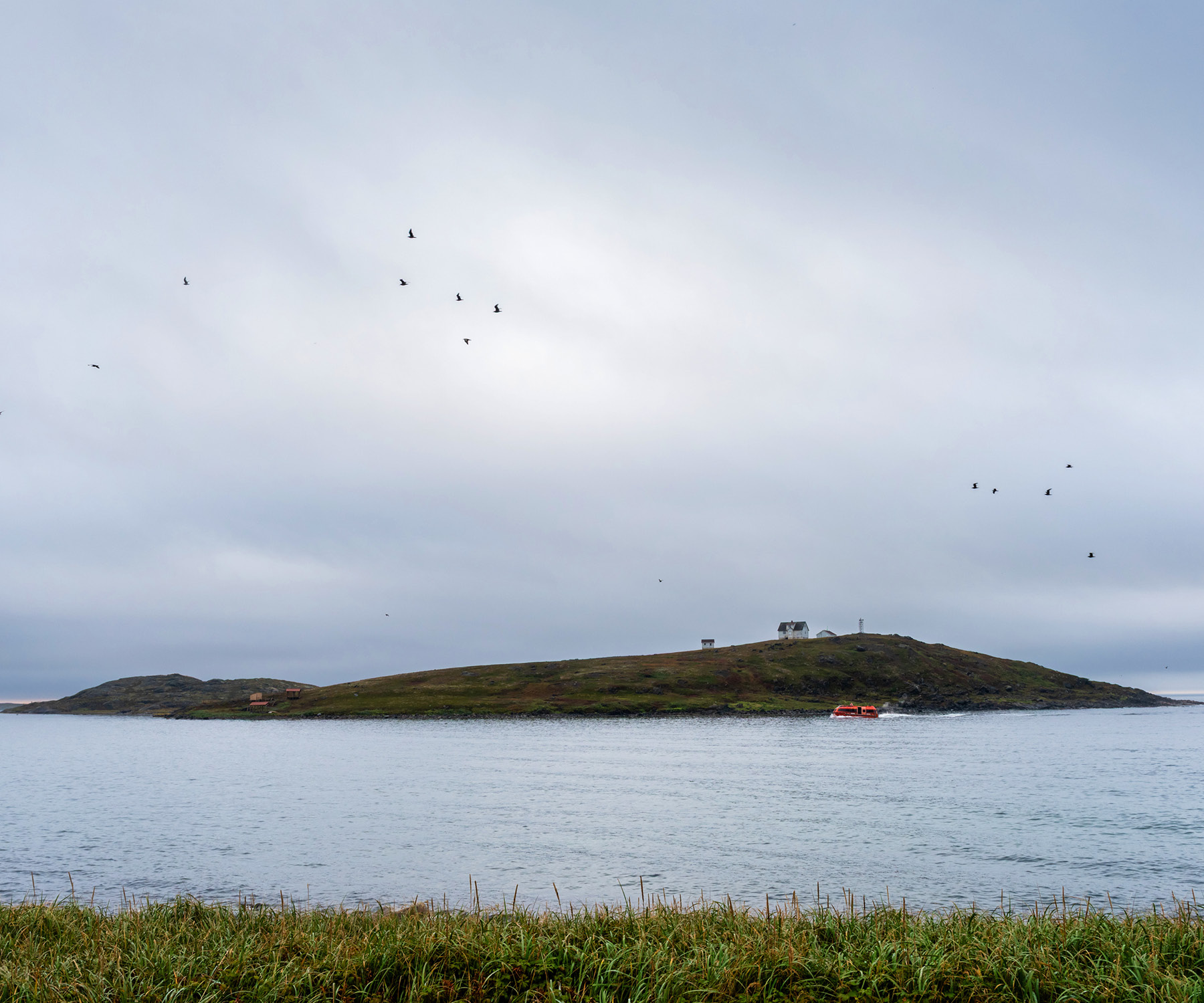
Qoornoq Island doesn’t get many visitors. Bear-shaped and grassy, its gently undulating terrain is dotted with houses that at first glance seem more relic than home, a glimpse into a once-thriving community.
Qoornoq lies in the middle of Nuuk Fjord in southwest Greenland. Nuuk Fjord is about an hour north by runabout from the capital and reachable only by water. At 160 kilometers, it’s the country’s second-largest fjord system.
There are no roads to Qoornoq. No shops, no businesses, no infrastructure and no permanent population. Some like to call it a ghost town, but the fact is there are people on Qoornoq. I saw them sitting on their porches.
The island is no stranger to humans. Remains of Paleo-Eskimos and Vikings have been found here. Hemmed in by sea ice, it is covered in snow for most of the year except for fleeting summer days like this one, when it is bathed in lukewarm Arctic light.
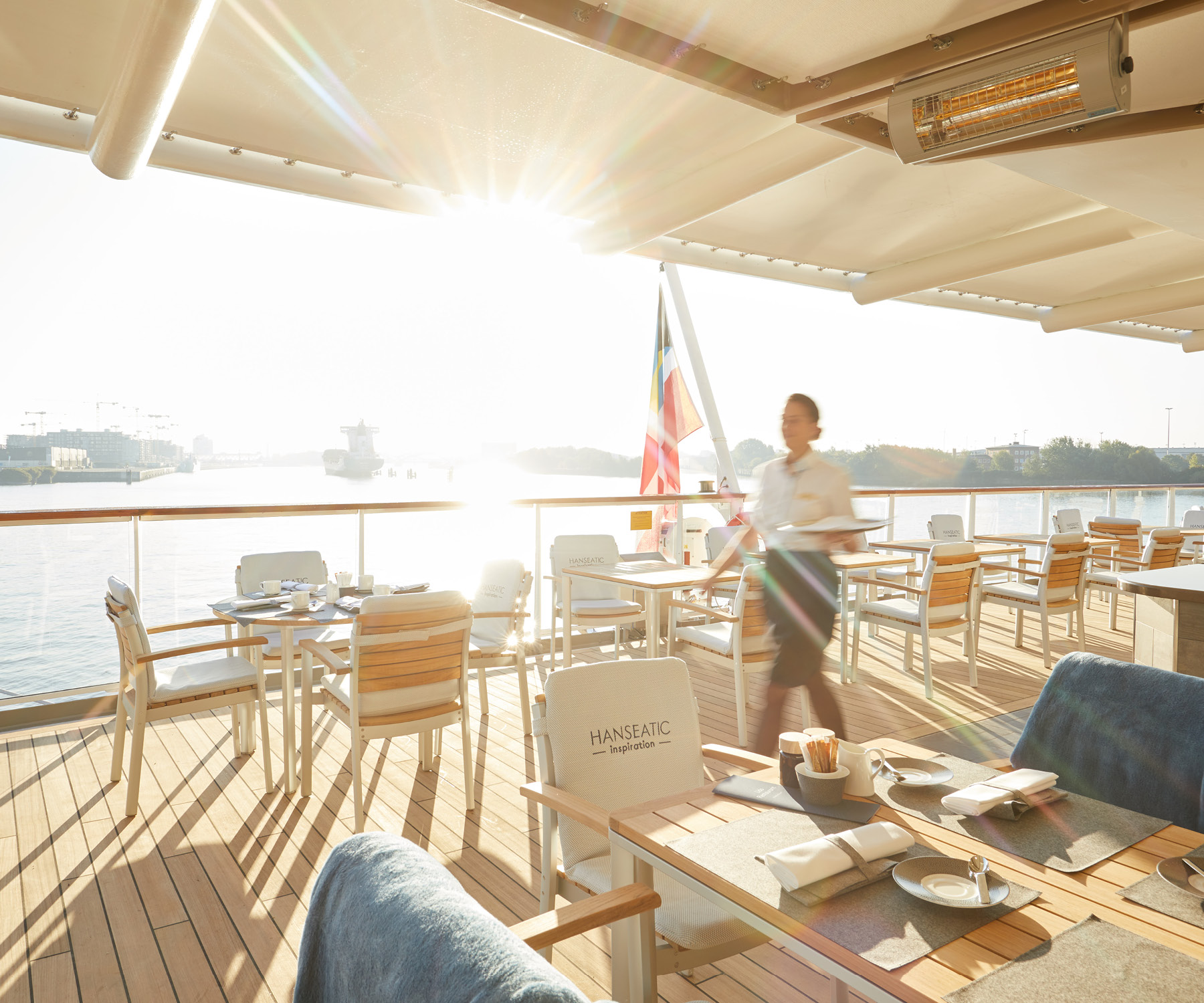
Meals were endlessly inventive and delicious, and the table service was as good as I’ve had anywhere in the world.
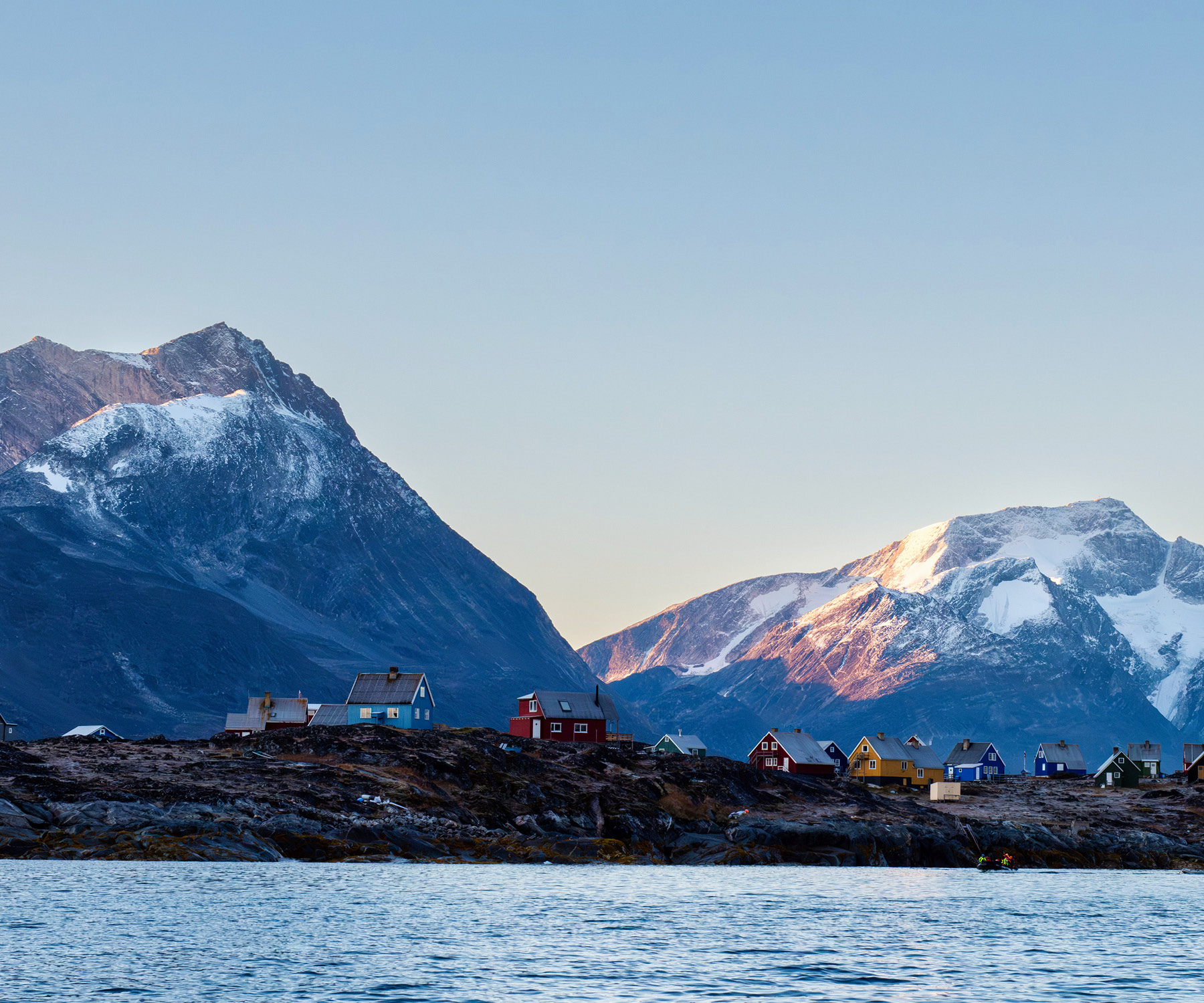
Its blue, green and yellow timber houses radiate a sense of community. There were even a few flower pots on windowsills. A curious place, made curiouser still when you run your eye over the rusting remains of an unexpected sight: its 600 millimeter gauge railway.
There it was, its gnarled iron rails warped from the annual cycle of freezing and thawing, running misshapen over rolling tundra toward the remains of Qoornoq’s industrial past: its once-bustling fish processing plant.
It’s hard to say whether the carriages were pulled by a diesel-hydraulic locomotive or some kind of hand-operated trolley. Whichever it was, it is long gone now.
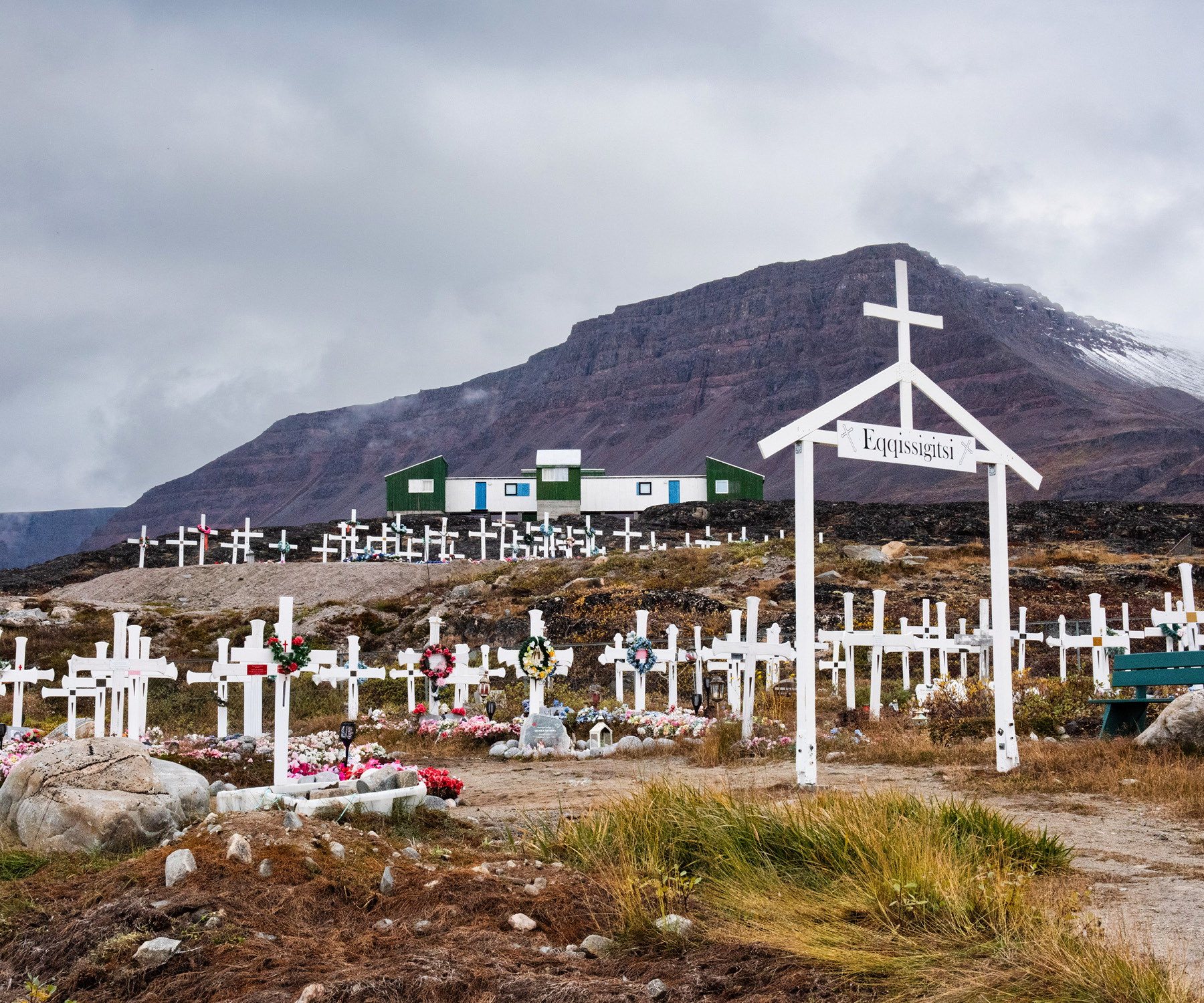
Qoornoq began life in 1955 as a commercial fishing port, but the plant closed in 1971 and the island was all but abandoned, its inhabitants relocated by the Danish government in a wider effort to reduce the number of dispersed Inuit settlements that were becoming too costly to manage.
But in recent years people have been returning to Qoornoq, its houses and old fishermen’s cabins reborn as summer homes for Nuuk residents.
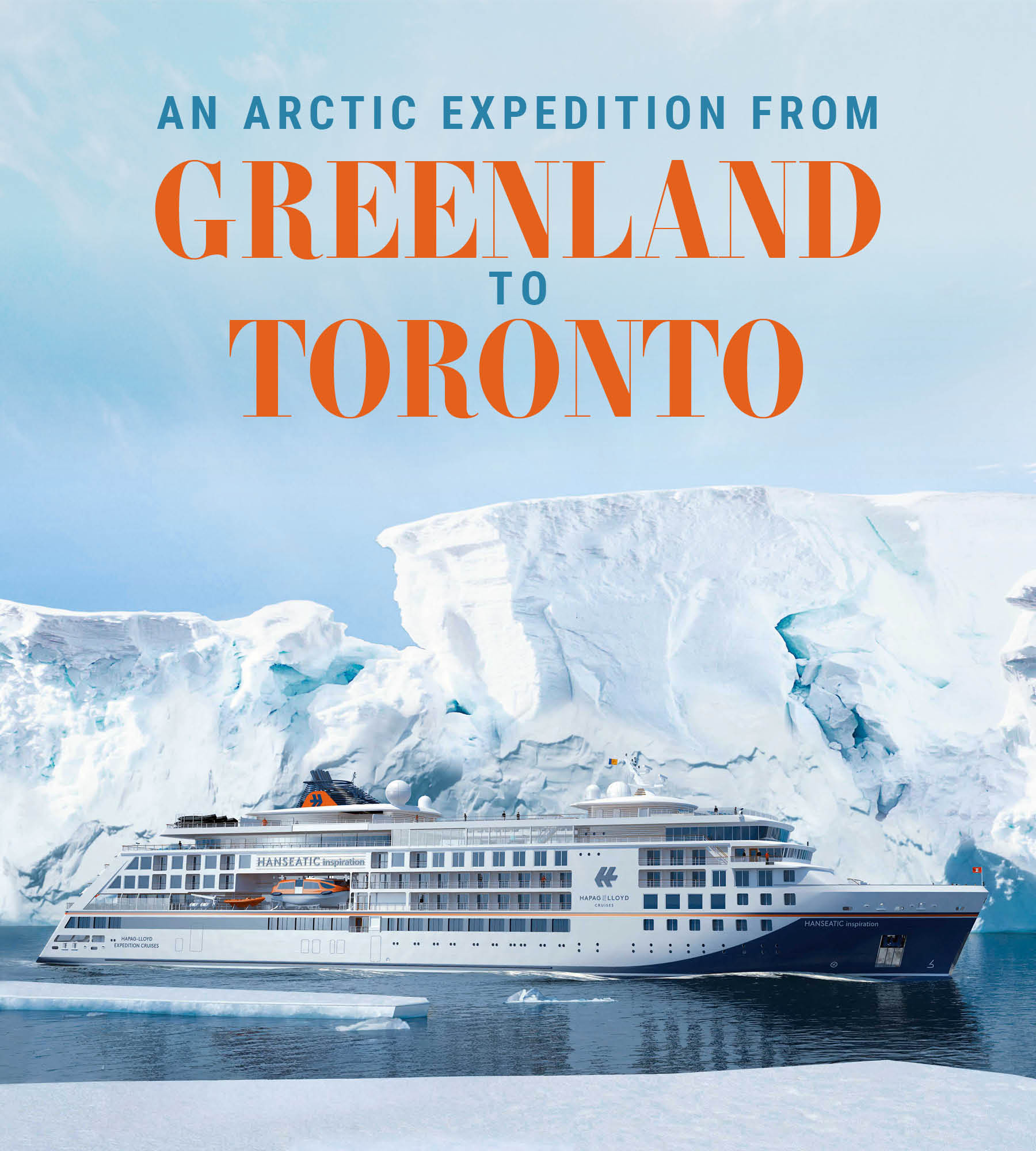
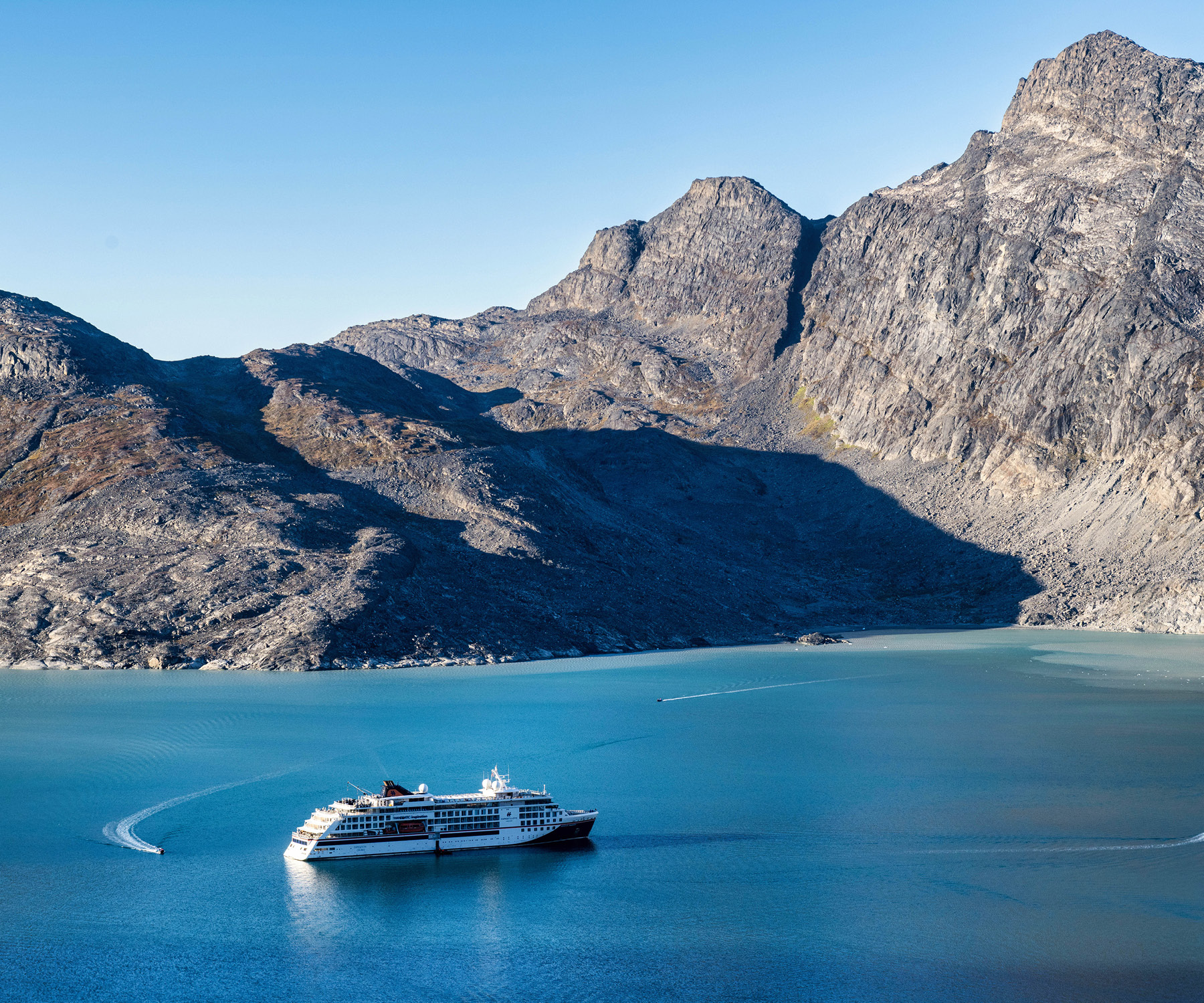
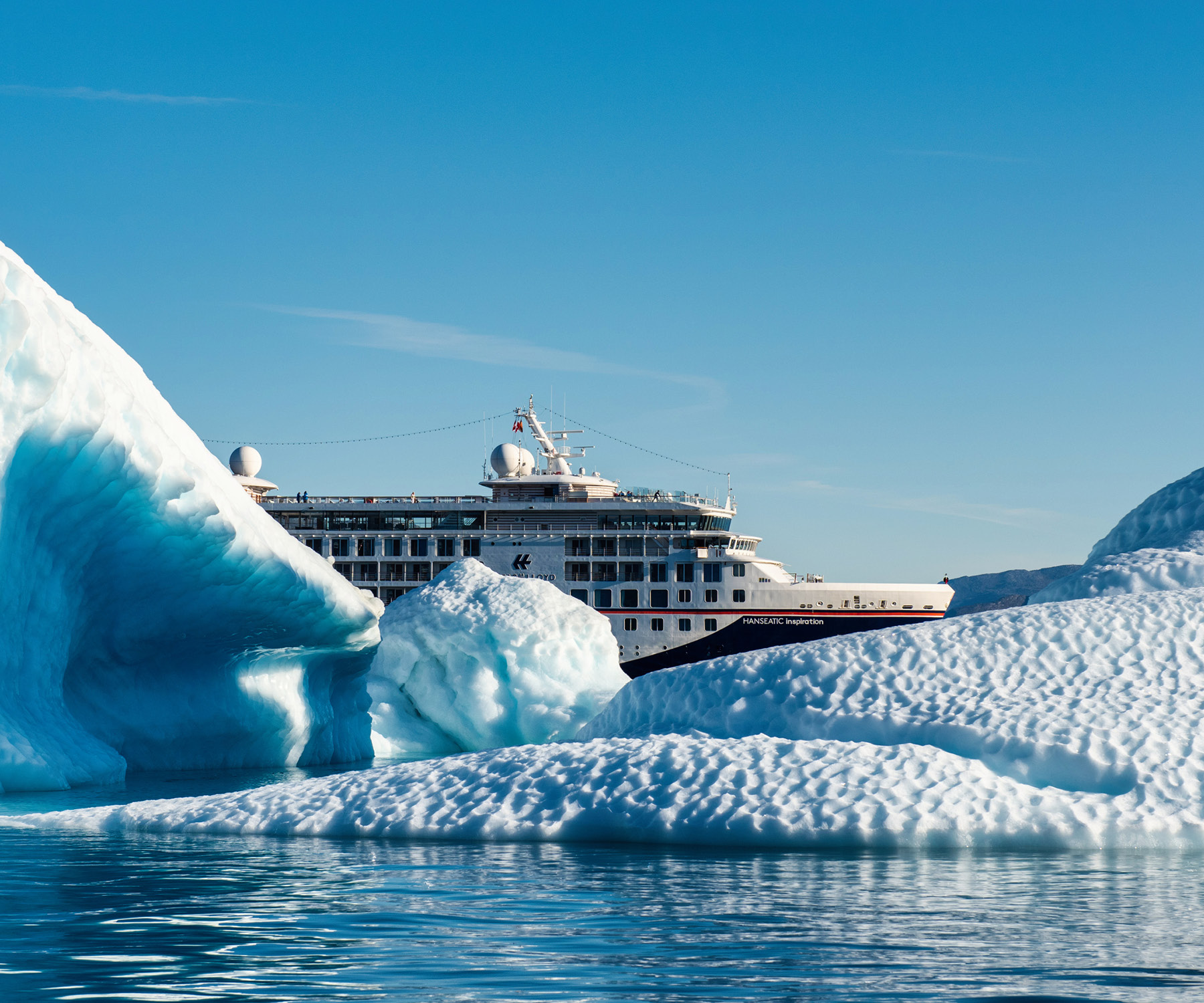
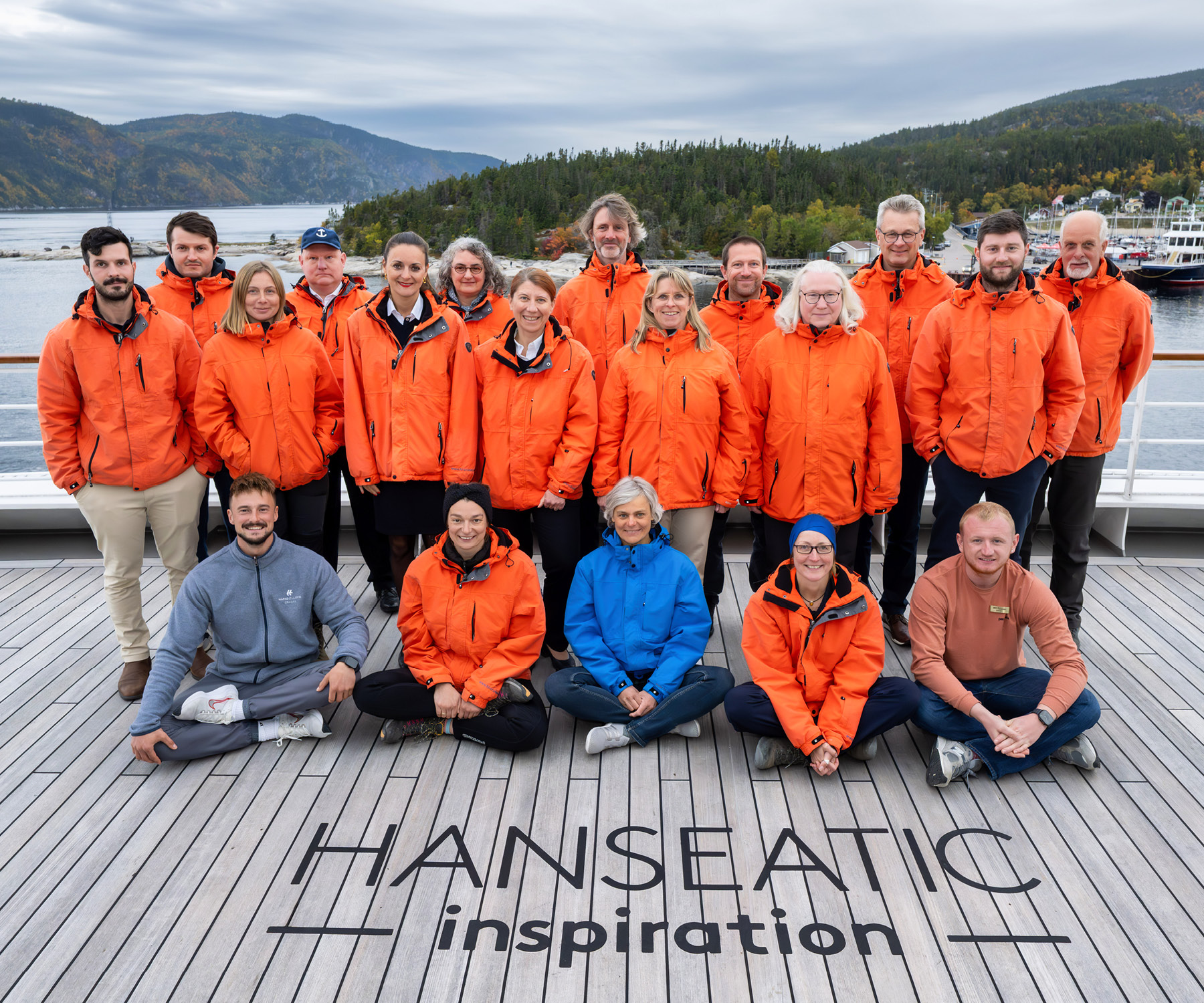
I arrived on Qoornoq in an inflatable Zodiac launched from the ice-rated Hanseatic Inspiration, one of a small but growing fleet of luxury, multi-award-winning expedition ships owned by Hapag-Lloyd, a company I once thought of only in terms of container shipping.
All over the world, in every port and on container ships across the seven seas, we have seen the words a thousand times: Hapag-Lloyd. Formed in 1970 and based in Hamburg, Germany, its container fleet now numbers more than 300 vessels, giving it more than 10 percent of the global container shipping market.
But this time, I was on an 18-day cruise from Greenland to Toronto, Canada. It was a bilingual cruise, which for this cruise line meant all announcements, lectures and activities were conducted in both German and English.
There were 180 or so mostly German guests, a handful from the United Kingdom and one Frisian-born woman. Frisians belong to an ethnic group indigenous to the Netherlands’ coastal regions, and this passenger was also the mayor of Ameland, one of five Dutch-Frisian islands in the UNESCO World Heritage-listed Wadden Sea off the coast of the Netherlands.
She may also have been a Michelin Guide inspector, but I can’t prove it and kept getting one of those ‘I can neither confirm nor deny it’ responses. We shared a few meals, and the fact I was always being told random culinary facts only added to the mystique. Like why wine glasses had stems, in what order to eat certain cheeses – start with mild, end with pungent – and one horrified look when I cut my spaghetti instead of twirling it around my fork.
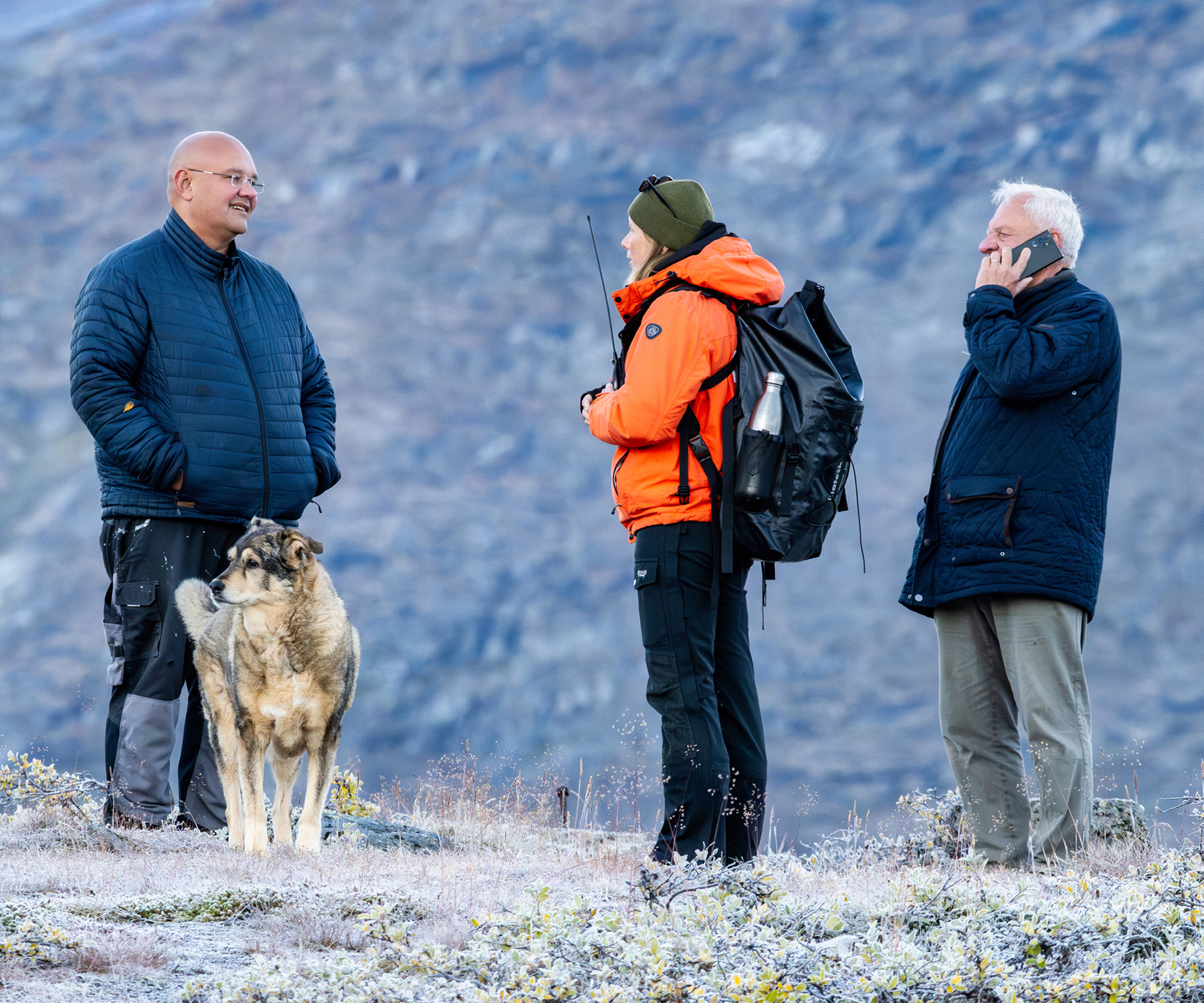
The food and the service were certainly deserving of a Michelin visit. Meals were endlessly inventive and delicious, and the table service was as good as I’ve had anywhere in the world.
The ship’s restaurants ranged from open grill and outdoor barbecues to the yacht club feel of Lido and the Peruvian-Japanese fusion of Nikkei, together with an extensive, mostly German wine list and complimentary 24-hour room service.
It all began in Zurich, Switzerland, where the bulk of the passengers and several crew members boarded a charter flight direct to Kangerlussuaq on Greenland’s west coast, where our ship was moored and waiting.
Once on board, everything overwhelmed my senses – from the welcome drinks to being shown to my cabin, from the warmth of the ship’s sumptuous Scandinavian interiors to the 180-degree views from its Observation Lounge on Deck 8.
Its polar class ice rating of 6 is the highest a passenger ship can have. My cabin, like most on board, had its own balcony and set of binoculars and was made up twice a day. One wall of the bathroom was heated for drying gear and wet clothes and the minibar was free of charge.
That afternoon we exited the fjord, entered the Davis Strait and turned north. Anticipation for what awaited us was already off the scale.
We spent a morning in Sisimiut, Greenland’s second-largest town and a center for dogsledding. Whale meat was selling in the shops, and lines of cod were air-drying under the eaves of fishermen’s cabins.
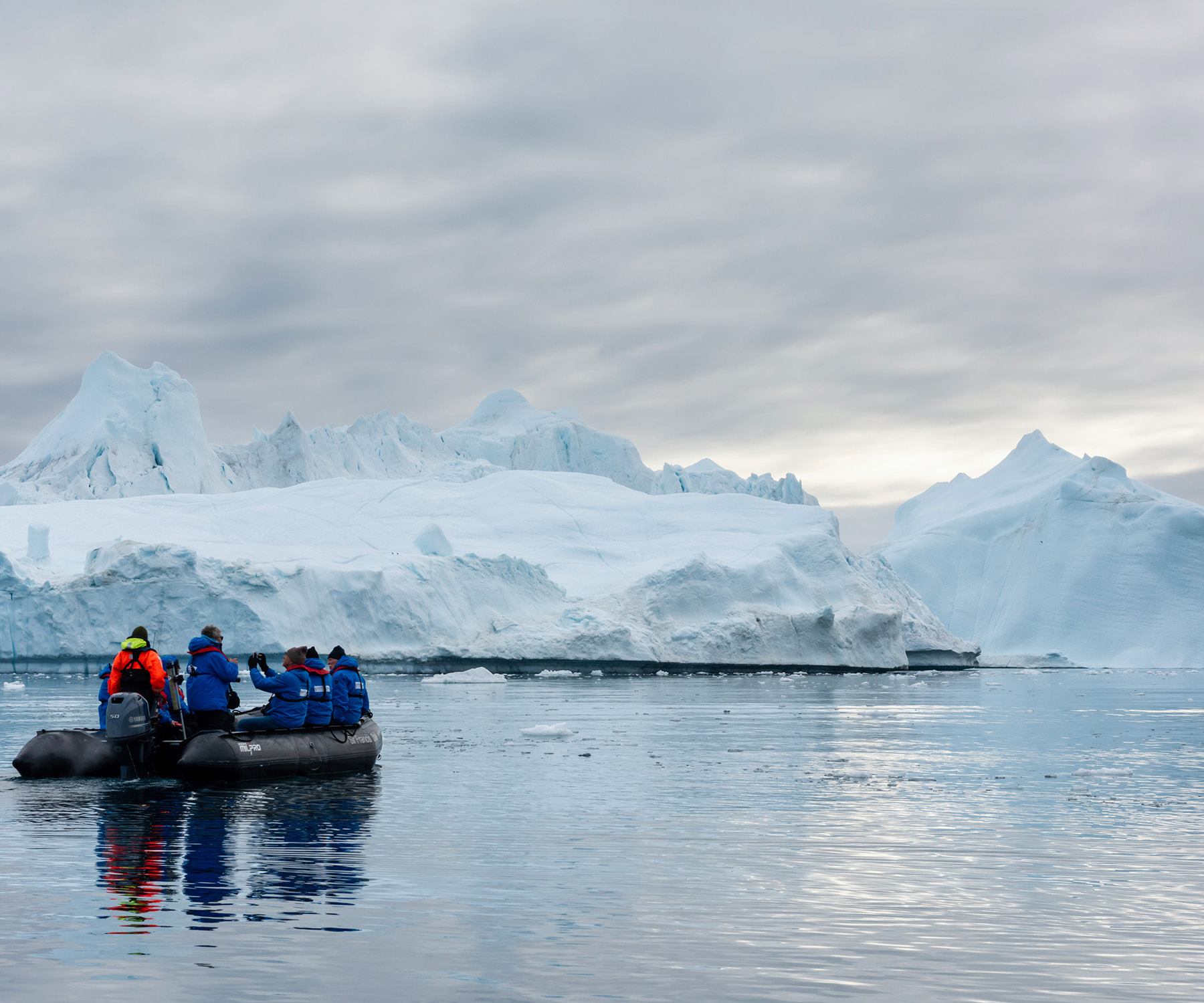
In Disko Bay we walked to Greenland’s most-visited destination, the UNESCO-listed Ilulissat Icefjord, a slow-moving river of ice created by the Jakobshavn Glacier that historians say likely produced the iceberg that sank the Titanic. The fjord looked so choked with ice you felt you could walk across it and never get your feet wet.
In the village of Qeqertarsuaq, founded in 1773 on the southern shoreline of Disko Island, icebergs drift by football fields of artificial grass.
The next day in Evighedsfjorden, the Fjord of Eternity, we almost leaped ashore from our Zodiacs to slog our way up a scree slope past stands of bonsai-like Arctic willow, over heath and Arctic fireweed on an unmarked trail to gain a fabulous overview of the Evighed Glacier.
It’s rare to get a view of a West Greenland glacier from above instead of merely gazing at it from the water. But Hapag-Lloyd Cruises laid out a trail for those of us fit enough to make the climb.
Communities in Greenland are connected only by boat or sled. There are no coastal roads and the things you see here can stay with you forever.
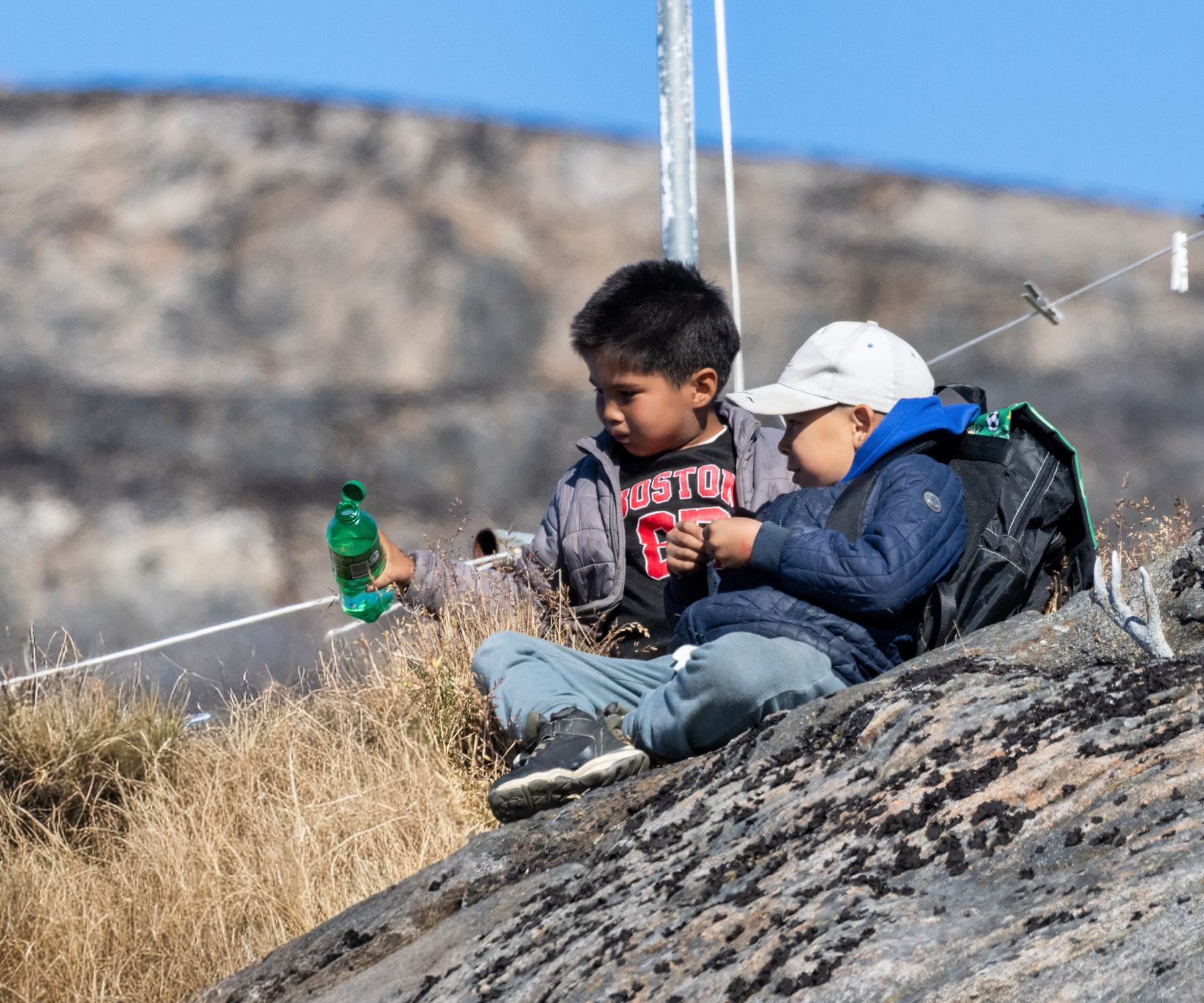
Kangaamiut, a tiny settlement of around 300, has houses connected by a web of timber walkways as they tumble down the hillsides to the harbor below. The hooves of animals were air-drying on verandas and musk ox skulls were everywhere. An Inuit man walked by me with half a caribou carcass draped over his shoulders.
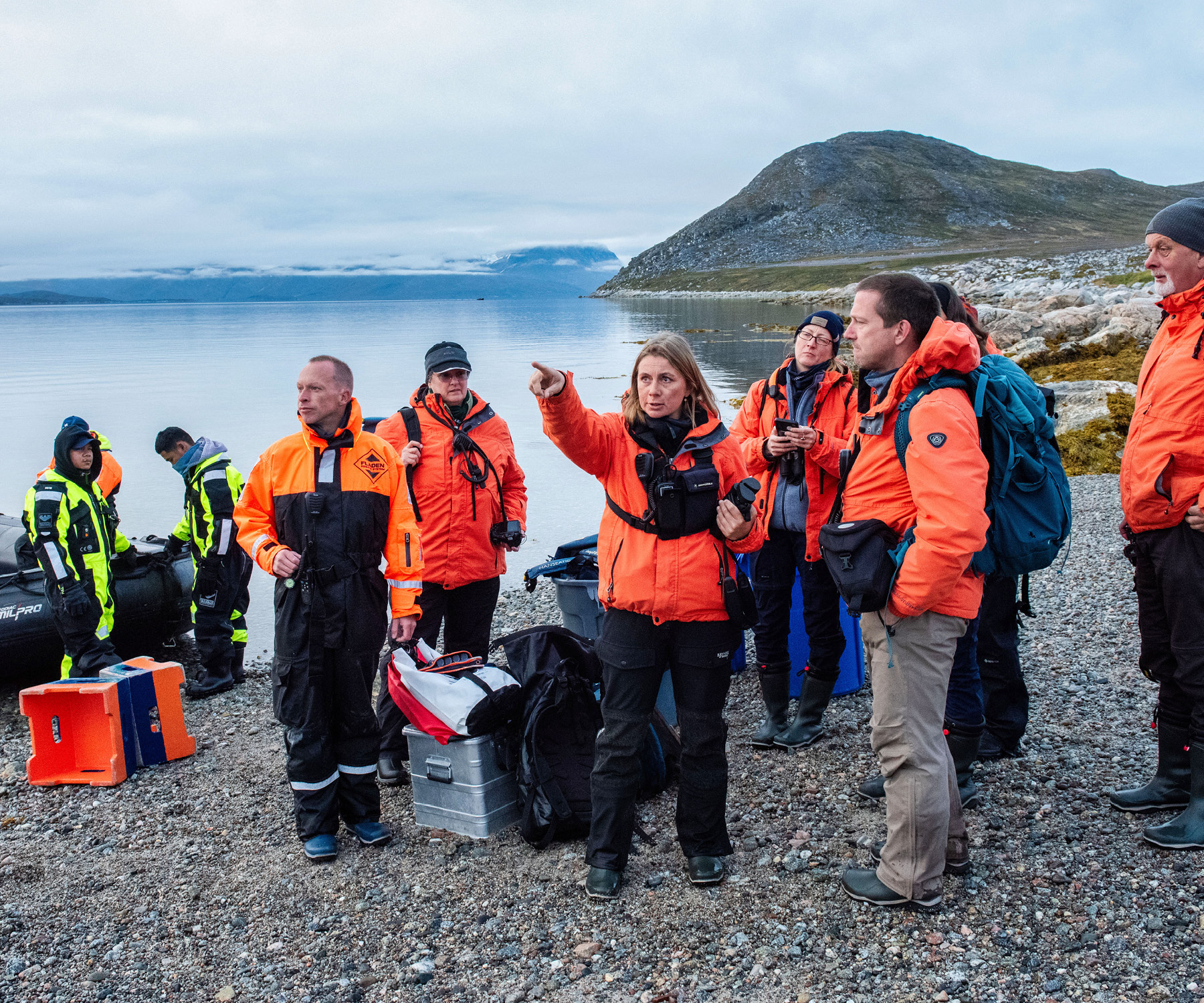
We reached a series of hot springs on the uninhabited island of Uunartoq and relaxed in the very same waters Vikings did a thousand years ago.
Qassiarsuk is a subarctic farming landscape with a population of 30-something. The first known examples of agriculture in the Arctic were tried here, and the surrounding Kujataa World Heritage Site was once home to Erik the Red. The oldest examples of Norse culture outside Europe were found here.
It is also where you can visit Cafe Thorhildur and get yourself a bottle of Qajaq, the beer for ‘Independent Greenlanders’, brewed in Nuuk with ancient glacial water straight from the ice cap.
Cafe Thorhildur, on the shoreline of Tunulliarfik Fjord and just meters from the local pier, is owned by a local farmer and is something of an institution here. We were there very late in the season and it was due to close in a couple of days, so unfortunately their much-touted lamb dishes were not available – and a fellow guest beat me by seconds to the last of their frozen yogurt. But there were yarn and woolen crafts made by local farmers on the shelves and ivory carved from antlers and musk ox tusks.
Early the next morning we reached a series of hot springs on the uninhabited island of Uunartoq and relaxed in the very same waters Vikings did a thousand years ago. It would be our Greenland farewell.
Back on board Hanseatic Inspiration, our crew gave us a poolside polser lunch, Danish sausages that resemble a hot dog but are so much more, stuffed with pickles and fried onions. Delicious, yes, but not enough to distract us from the melancholy fact that Greenland was now firmly off our stern.
We were now heading west across a flat, pond-like Labrador Sea. On the other side of it? More familiar things. Newfoundland. Roads. Pizza. Forests.
But echoes of Greenland would be waiting for us. A thousand years ago the Vikings came this way and soon we would be walking in their footsteps again.
We had a bevy of lecturers on board: ethnologist Gudrun Bucher, climatologist Gerit Birnbaum and geologist Alf Grube from the University of Hamburg, among others.
Geologist Alf talked about one of my favorite subjects: rocks. He discussed the 3.8 billion-year-old gneiss we walked over at Uunartoq, the Archean rock ahead of us on Fogo Island and Canada’s Greenstone Belt, a 2,8bmillion-year-old band of volcanic rock spanning the Ontario-Quebec border – everything from the Cambrian Explosion to the hard-to-find and even harder-to-extract rare earth minerals found in our smartphones. I never missed an Alf Grube lecture.
Our first stop, the UNESCO World Heritage Site of L’Anse aux Meadows on Newfoundland’s northernmost tip, was excavated in the 1960s by Norwegian archaeologists Helge and Anne Ingstad and offers indisputable evidence of a Viking presence in North America.
Multiple reconstructed buildings with sod roofs over wooden frames include a boathouse, chieftain’s hall, a church and a blacksmith’s shop.
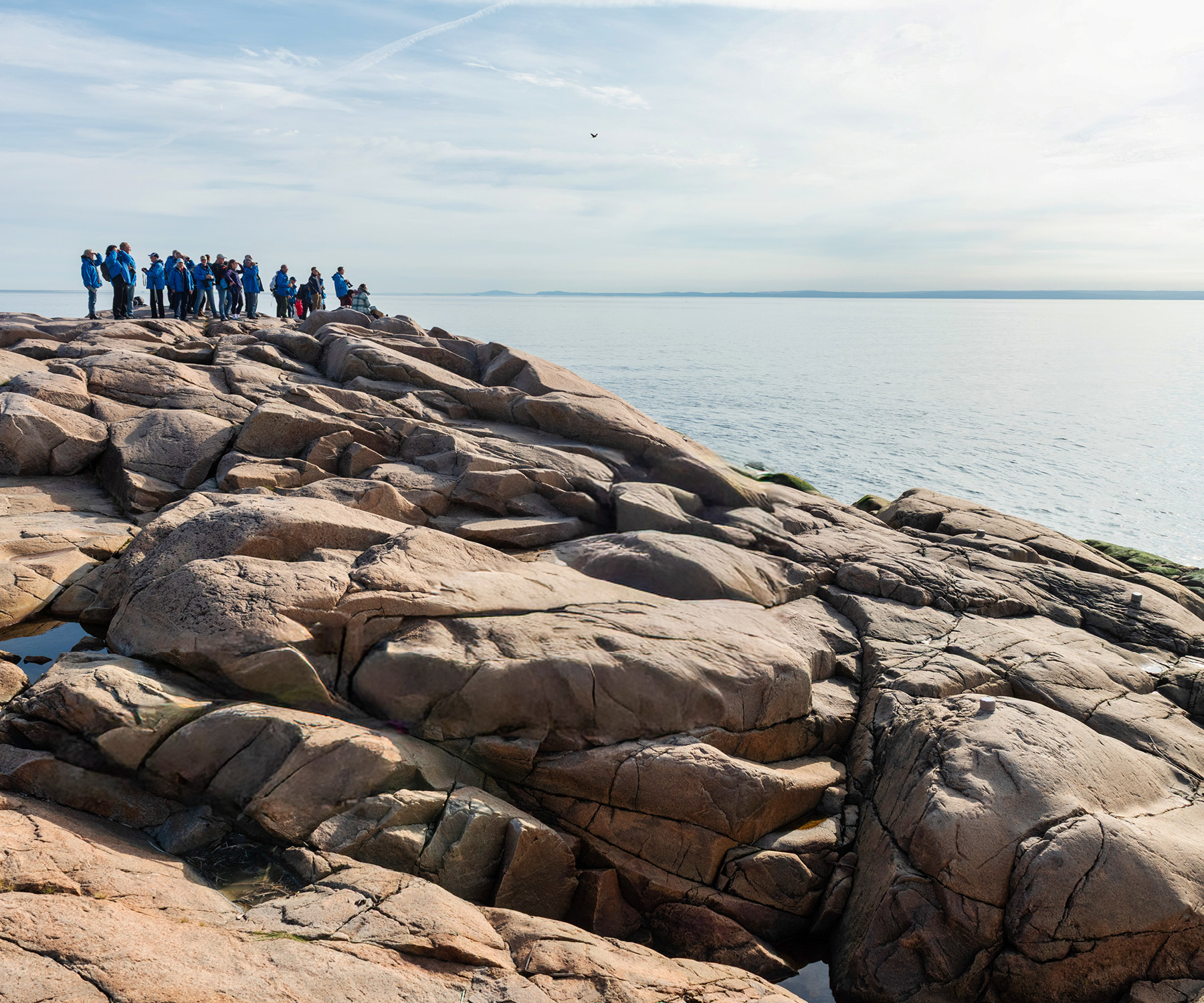


Local docents helped recreate the past. A weaver told me of the dyes once used, and still used, to color garments made from spun yarn, a rainbow of natural color taken from blueberries, partridgeberries, onion skins, spruce buds, turmeric and lilac leaves.
Annie Proulx wrote part of her Pulitzer Prize-winning novel The Shipping News while living in a small cove not far from here. Born in Connecticut in the United States, Annie was ‘from away’, a term of endearment used by Newfoundlanders to refer to all who visit here.
Regardless of where we came from, myself, the crew and every last guest all had something in common now. We were all from away.
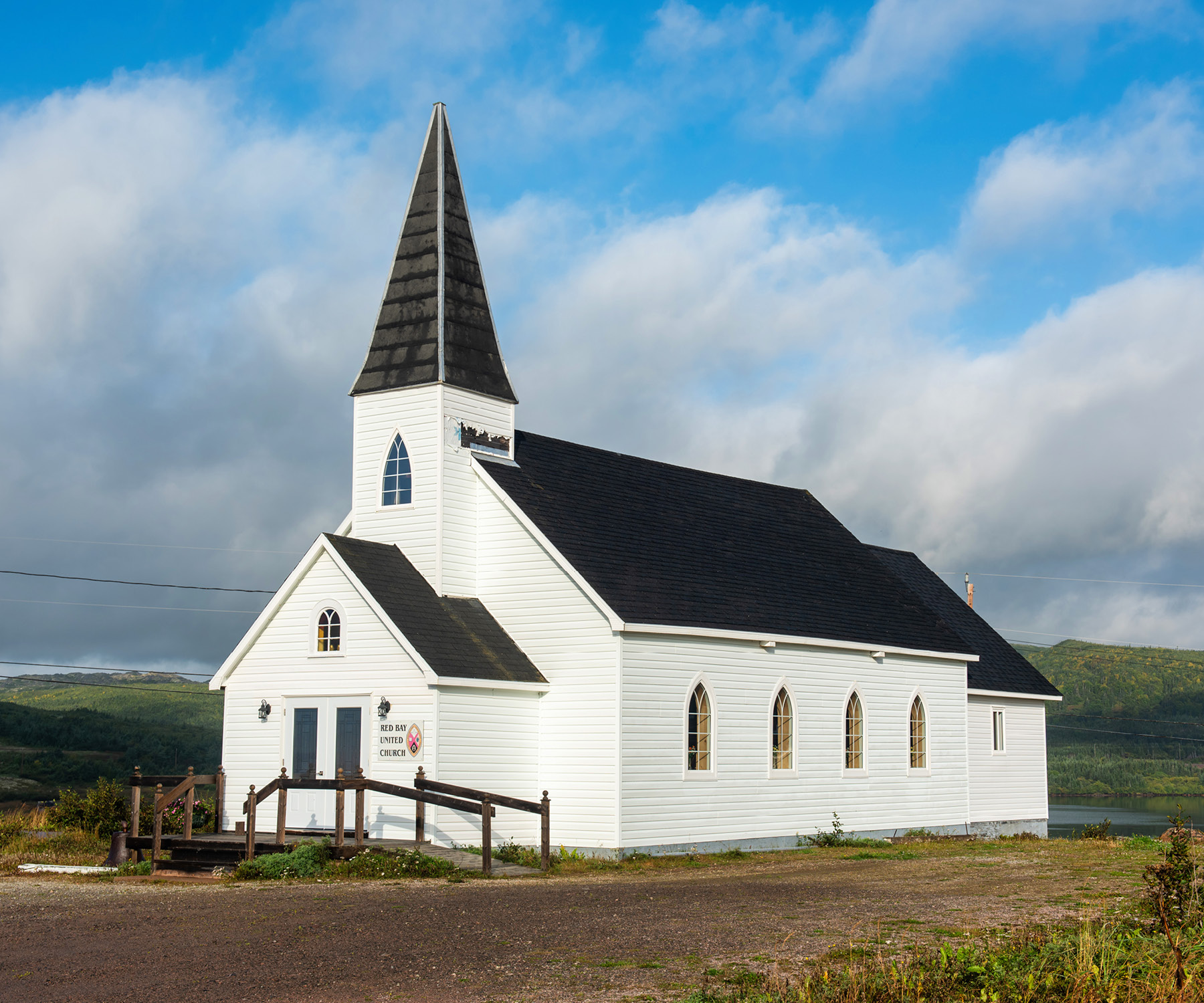
Before moving onto Canada, we would walk the Boney Shore Trail in Red Bay, once the center of the whaling world, given its name by the whale bones left strewn along its shoreline by Basque whalers in the 16th century and still visible today.
And I would experience the old-world charm of Woody Point, a beguiling village on Newfoundland’s western shoreline surrounded by the splendor of Gros Morne National Park, where I met a local, geologist Geoff Dunning, out walking his husky. He spoke of the excitement he feels every time he takes his students out into Gros Morne’s extraordinary geology.
In Tadoussac, Canada’s oldest town and a whale-watching hub known the world over, you can stand on a rocky promontory on the very edge of town and see humpback whales just a hundred meters away feeding on the abundant nutrients disgorged into the ocean from the 100-kilometer-long Saguenay Fjord.
We were in Tadoussac for the day, which allowed me to hike its 3.6-kilometer out-and-back trail to the Colline de l’Anse a la Barque, a gentle uphill walk that rewards with fabulous views over town and neighboring Saguenay Fjord National Park.
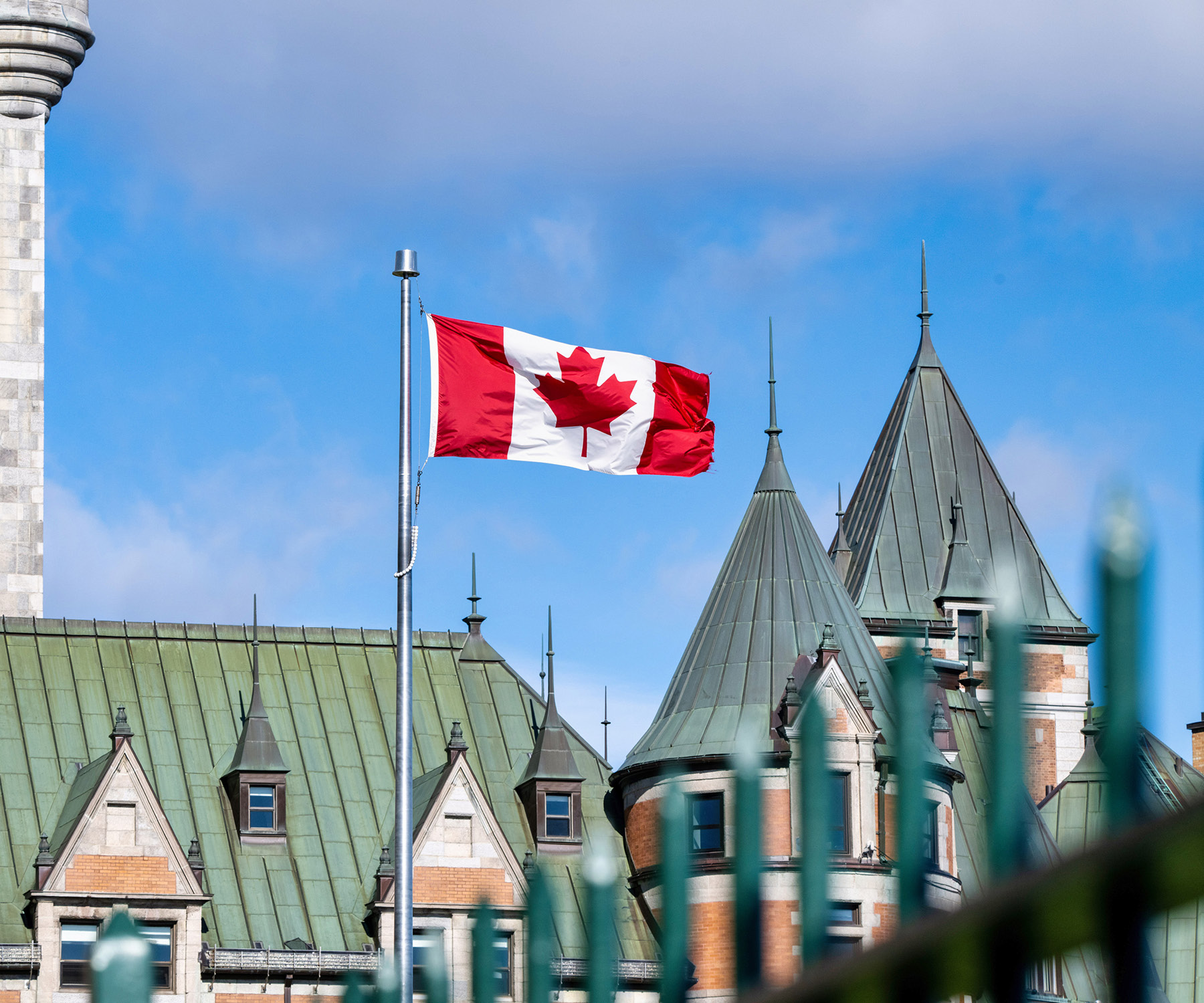
Quebec City, the only fortified city north of Mexico and yet another UNESCO World Heritage Site, was of course a must-visit, with its endless art galleries and a downtown area chock-full of French-inspired architectural beauty, capped by a group tour of the legendary Fairmont Le Chateau Frontenac, the world’s most photographed hotel.
That night after dinner, as we continued west on the Saint Lawrence River, our guest musician was the consummate guitarist Sean Coleman, who learned his craft in the bars and back streets of Dublin.
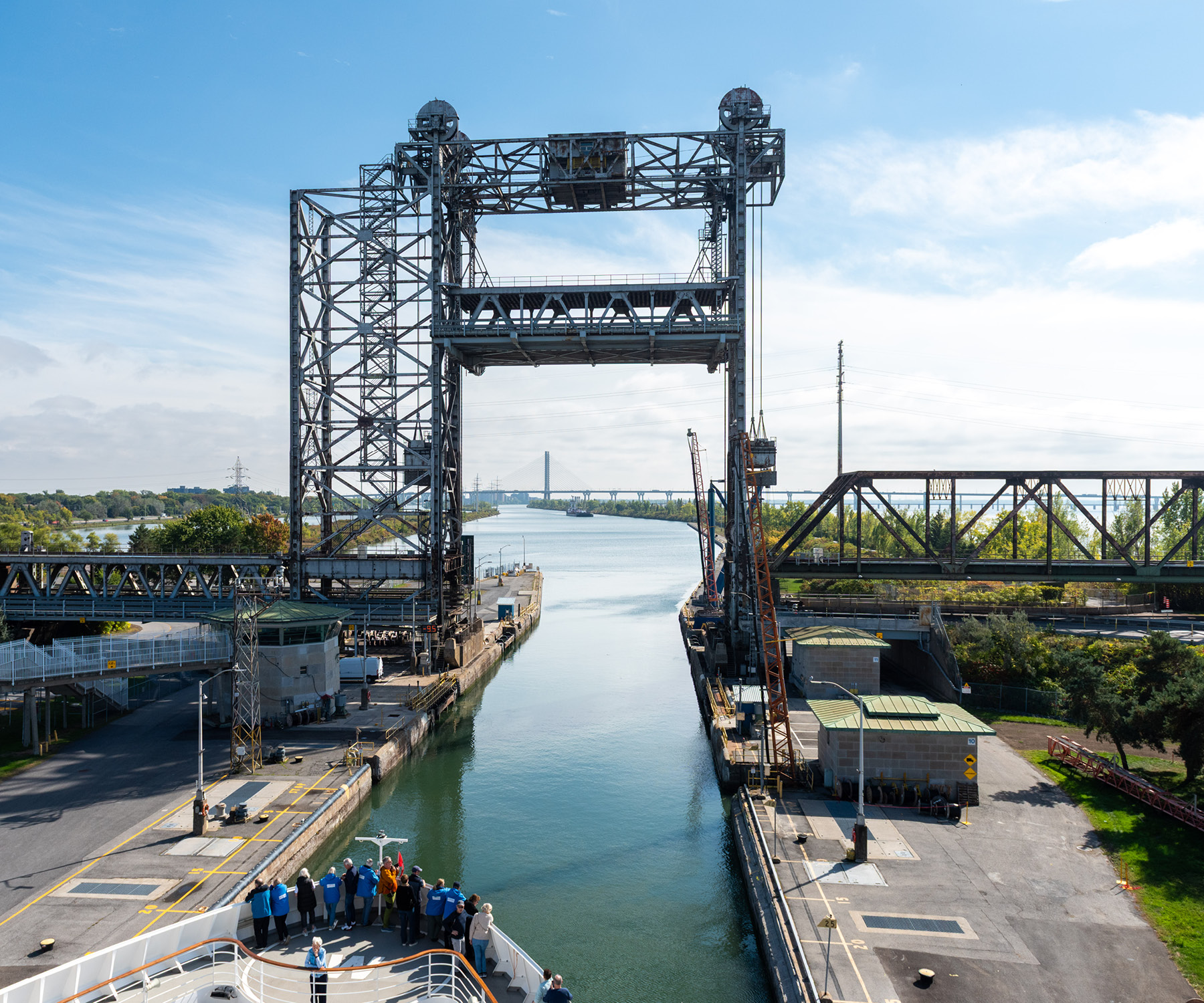
We were now on the Saint Lawrence Seaway. A mix of river, locks and man-made canals completed in 1959, it allows seagoing vessels to travel from the Atlantic Ocean via Quebec City and Montreal to the Great Lakes region of North America, passing through a place I had long wanted to see because its name has always been so evocative: the Thousand Islands.
Regardless of where we came from, myself, the crew and every last guest all had something in common now.
An archipelago of more than 1,800 islands in the Saint Lawrence River downstream from Kingston, Ontario, qualifying as an island here means there must be at least one square foot of land above the water year-round and support a minimum of two living trees. It is a formula that allows for homes on rocks the size of your living room.
The Thousand Islands began as a resort area in the 1860s, its development undeterred by the haphazard-looking United States–Canada border that ran, and still runs, through them. It is an enviable lifestyle, fueled by the lure of owning your very own island.
It all had to end eventually, and it did in Toronto.
No more wet landings on remote beaches, no more hungry huskies. No more glacial beers, polser lunches or tuna tataki starters at dinner. No more humpback and orca sightings.
No more toying with the idea of taking a Finnish-style sauna or swimming in the outdoor heated pool. No more standing on the bow and seeing only ocean or ice. No more laughing at that sharp, satirical Germanic sense of humor.
It turns out Germans do have a sense of humor. Dry, deadpan and often joyously dark, it surfaced constantly on board, especially when the target was politics or bureaucracy. In all my years of cruising, I have never laughed so much at a captain’s welcoming and farewell addresses.
Or lamented so much, on an appropriately gray morning in Toronto, walking to my waiting taxi and having to leave it all behind.
To book a small-ship expedition cruise with Hapag-Lloyd Cruises, visit www.hl-cruises.com
 RELATED ARTICLES


 Home
Home
 Podcasts
 Covers
 Be Featured
 Community